


Glazed Copper Light
These glazed copper light fixtures combine metalwork and glass to illuminate porches and rooms, offering practical function alongside period character for the home.
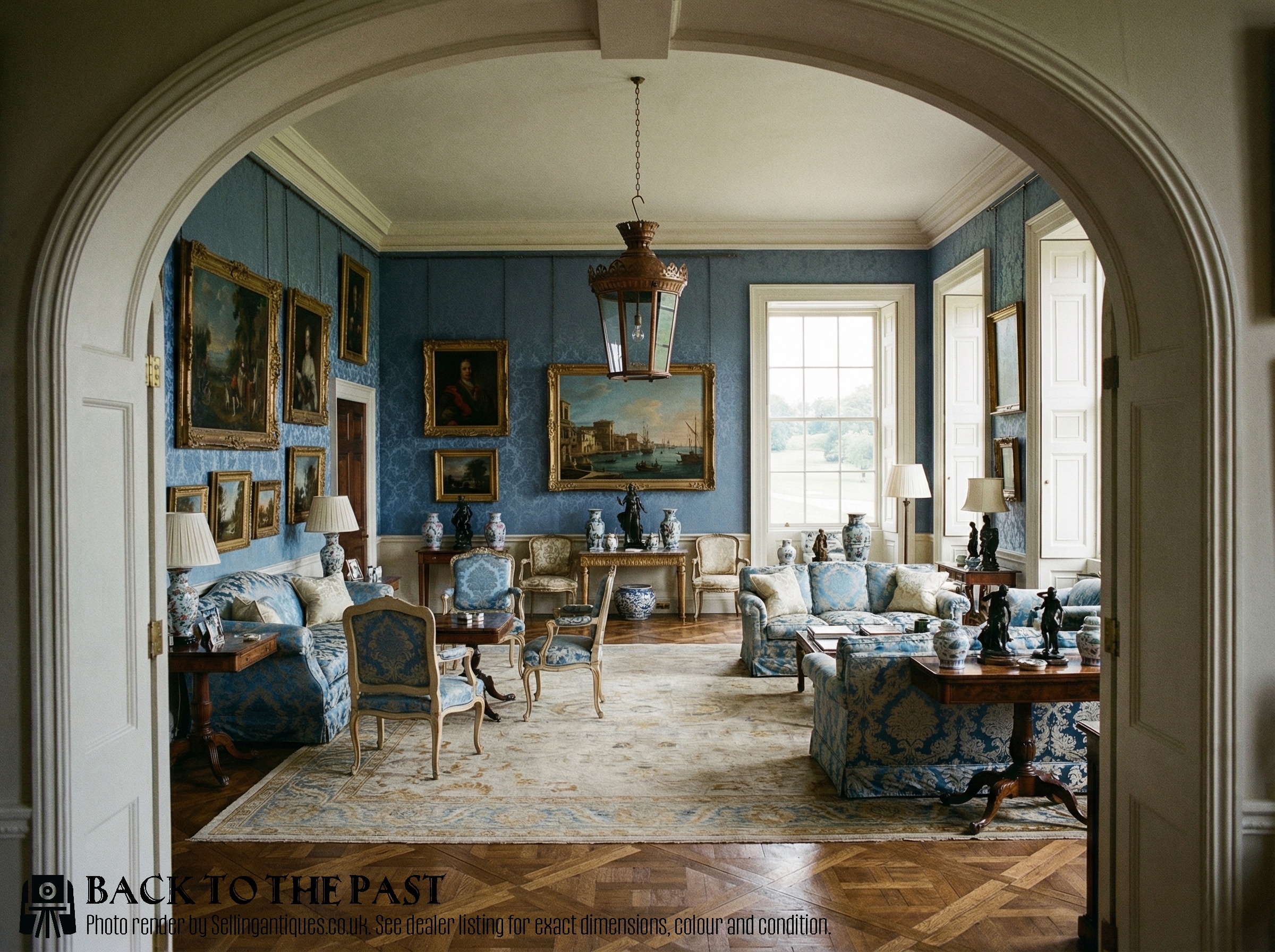
Glazed Copper Light
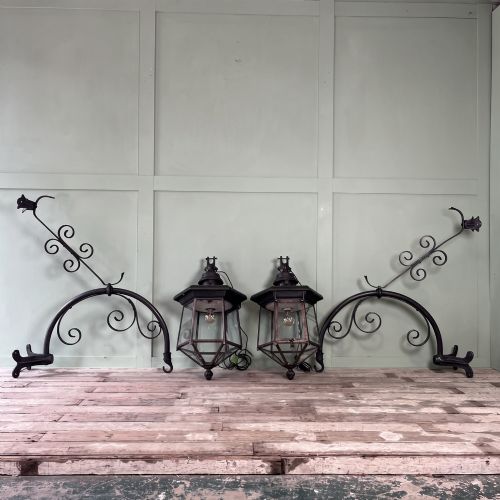
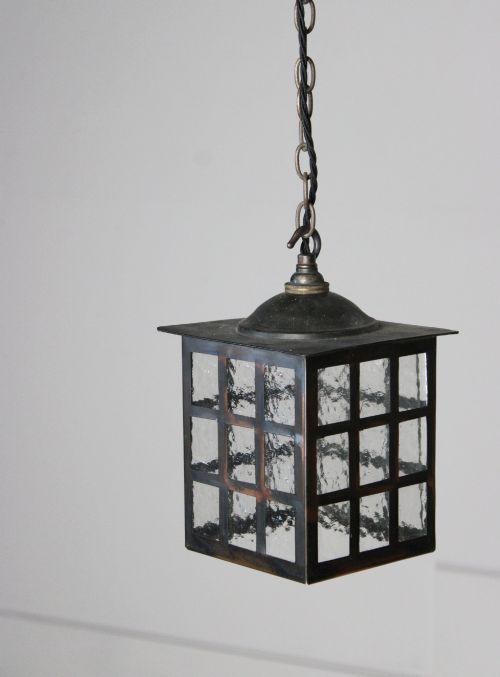
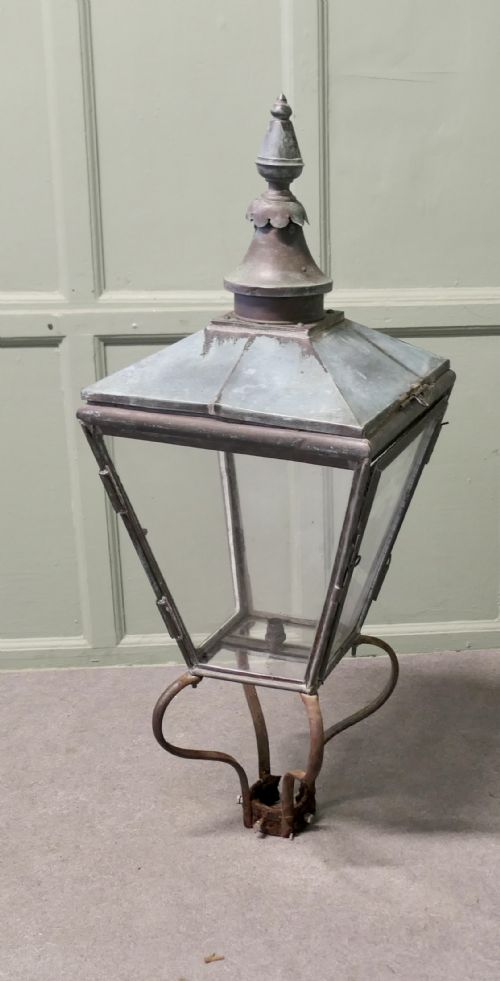
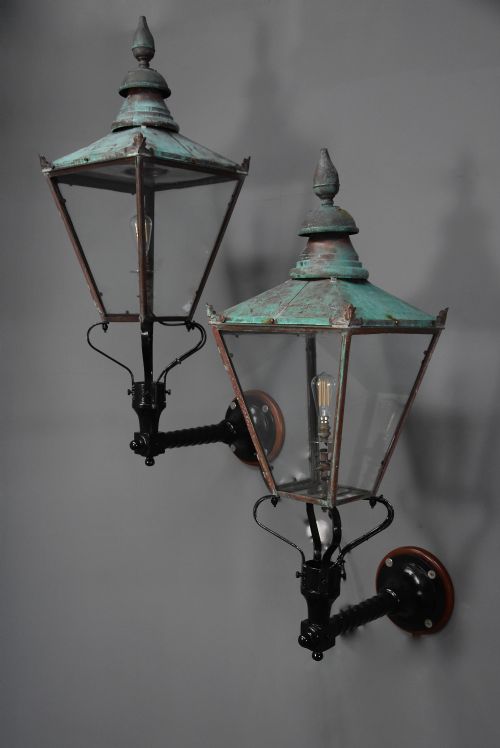
A glazed copper light encompasses hanging pendants, wall-mounted lanterns, porch fixtures, and street lamps dating from the Victorian and Edwardian eras through to the nineteen-thirties. Buyers searching for a glazed copper light encounter various forms, including large octagonal wall lanterns, single light half lanterns, and substantial pairs supported on decorative brackets.
The versions most commonly met on this page span styles from industrial utilitarian pieces and Arts and Crafts creations to French Chateau designs and Gothic Revival pieces. These light fittings utilise copper alongside brass, iron, and glass to achieve robust outdoor and indoor illumination.
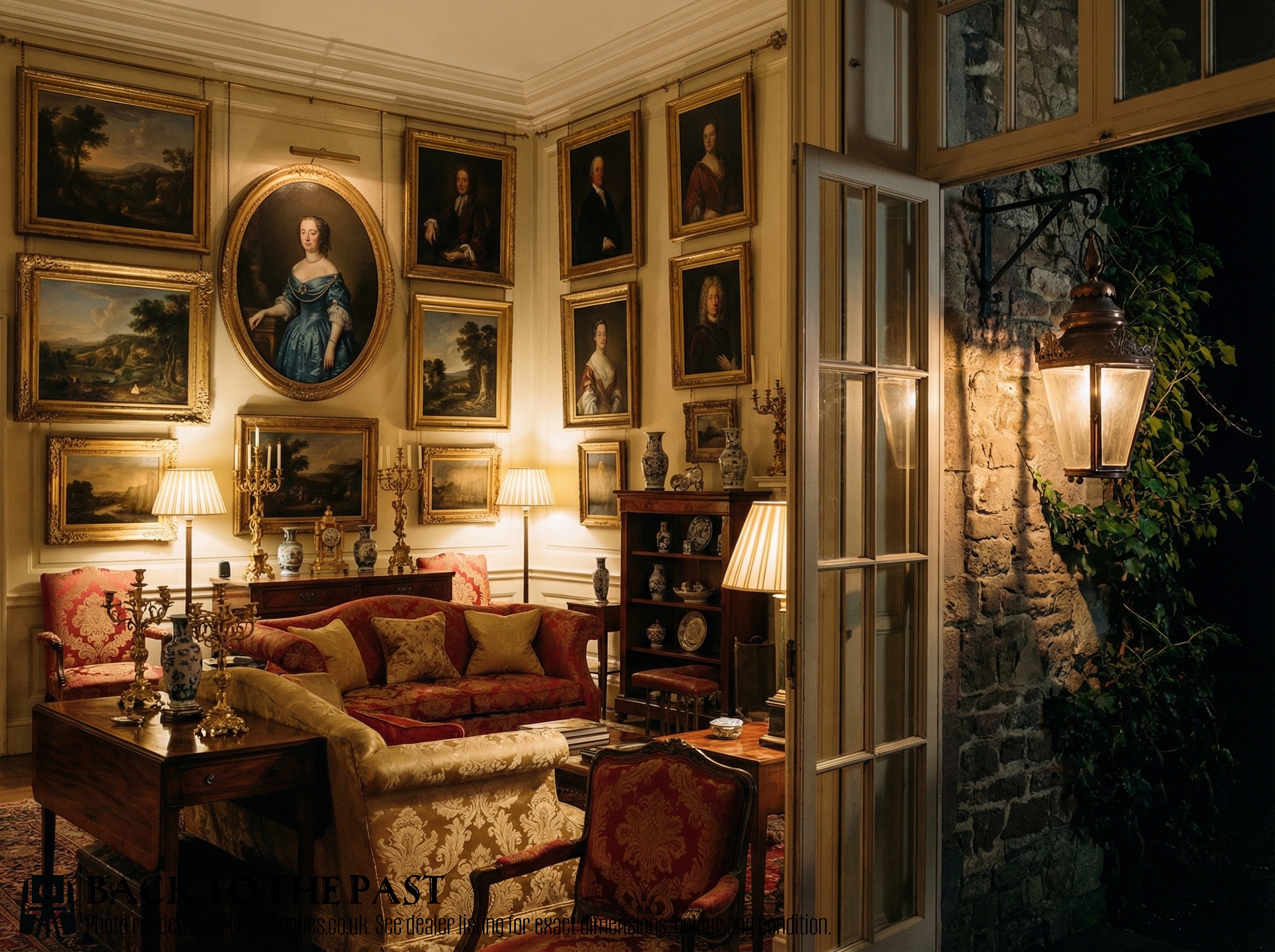
Materials and construction methods
Makers constructed these lanterns using sheet copper for the body, often incorporating brass or iron for structural reinforcement and brackets. Panels of glass were fitted into the metal frames to protect the internal light source from the elements while diffusing illumination.
Techniques ranged from industrial casting and fabrication seen in street lights and municipal REVO fixtures to hand-worked Arts and Crafts construction. Details such as spiral twist wall brackets and decorative mounts demonstrate specialised metalworking skills of the period.
Listings feature copper alongside brass, iron, and glass across Edwardian, Victorian, and 1930s periods.
Assessing quality in period copper lighting
Quality in a glazed copper light is determined by the substantial nature of the metal gauge and the sophistication of the fabrication. Heavier copper sheeting and robust structural bracing separate superior architectural fixtures from lighter domestic alternatives.
The refinement of decorative elements, such as intricate wall brackets, cast iron components, and specialised glass configurations, distinguishes exceptional examples. Pieces retaining their original patination and architectural scale demonstrate greater desirability among collectors.
The Glazed Copper Light Glossary
- Porch lantern
- An enclosed light fixture mounted near an entrance to provide exterior illumination. These pieces often feature glass panels held within a copper or brass framework.
- Half lantern
- A wall-mounted light fixture designed with a flat back to sit flush against a vertical surface. This form projects outward to cast light across a walkway or doorway.
- Pendant light
- A hanging light fixture suspended from the ceiling by a chain, cord, or metal rod. These fixtures distribute light downward into a hallway or room.
- Wall bracket
- A structural arm extending from a wall to support a heavy lantern or light fitting. Sophisticated examples feature forged details such as spiral twists.
- Patina
- The surface appearance acquired by copper and brass through age, oxidation, and handling. This natural weathering process alters the colour and finish of the metal over time.
Glazed Copper Light: Frequently Asked Questions
Where should I hang a copper lantern?
These fixtures suit entranceways, hallways, and covered exterior porches where period character is desired. Wall-mounted versions function well beside exterior doors.
Larger pendant options work effectively in high-ceilinged interior spaces or sheltered outdoor corridors to provide substantial downward illumination.
How do I date an antique lantern?
Dating relies on stylistic markers associated with periods such as the Victorian era, Edwardian period, or the nineteen-thirties. Industrial designs often display specific maker signatures or patent details.
Construction techniques, such as the use of hand-wrought iron versus cast components, also help establish the approximate manufacturing timeframe.
Are these lights suitable for outdoor use?
Many of these pieces originated as exterior street lights, porch lanterns, or wall fixtures designed to withstand weather conditions. Copper and brass naturally resist heavy corrosion compared to standard iron.
Wiring and electrical components require modern assessment by a qualified professional to ensure safety standards are met before exterior installation.