
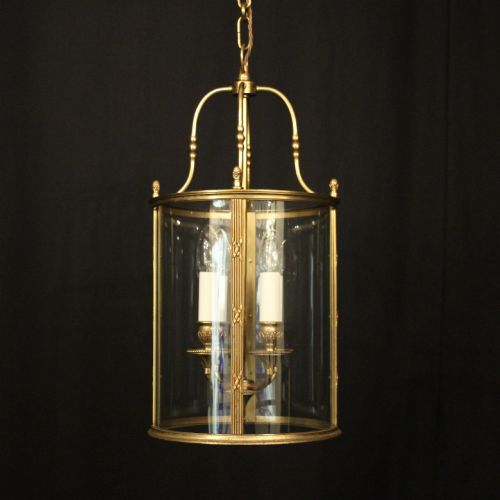
Antique Pendant Lights
A pendant light is any fitting hung from the ceiling on chain, rod or flex, made to light a room once houses were wired for electricity.
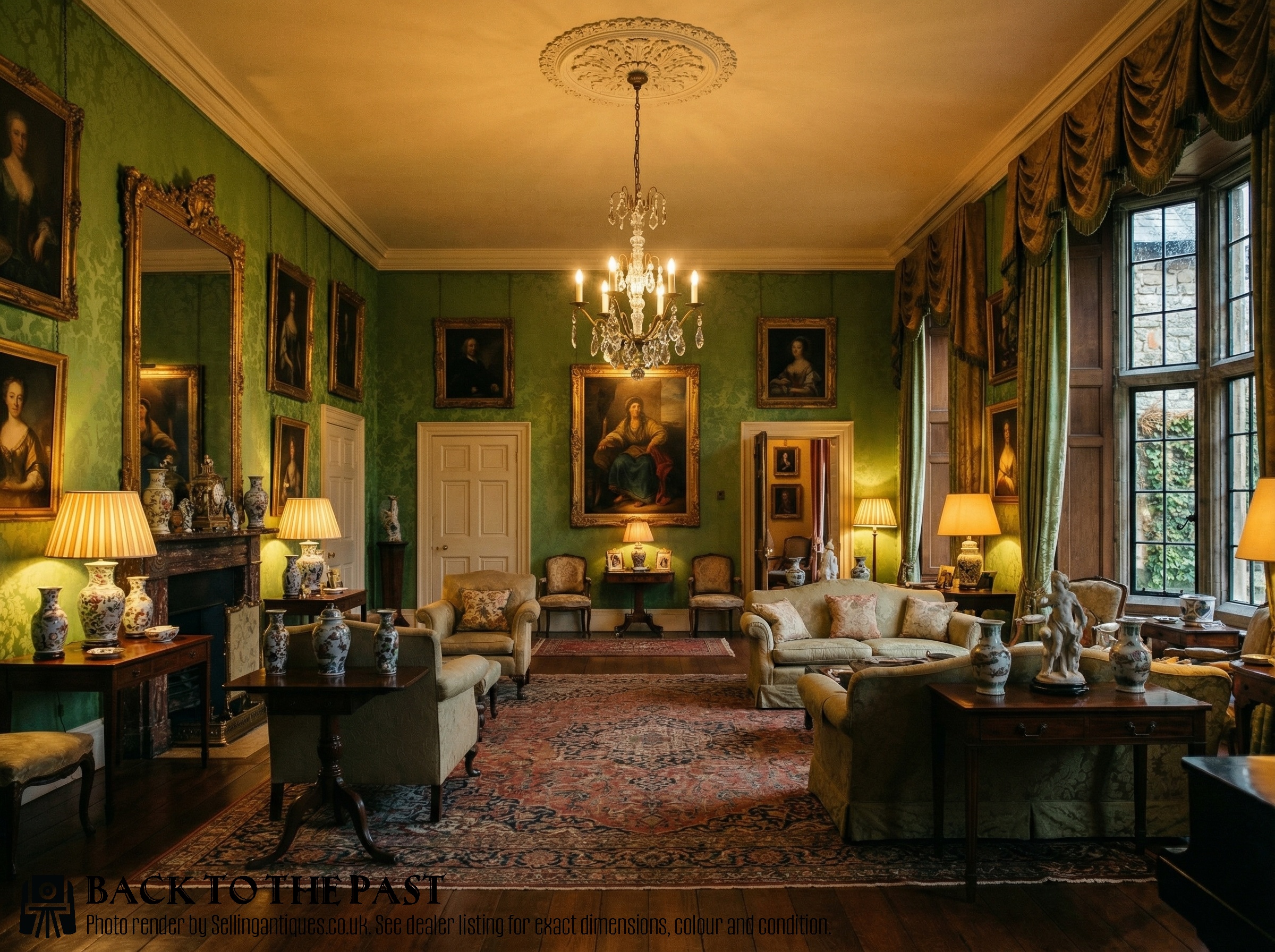
Antique Pendant Lights
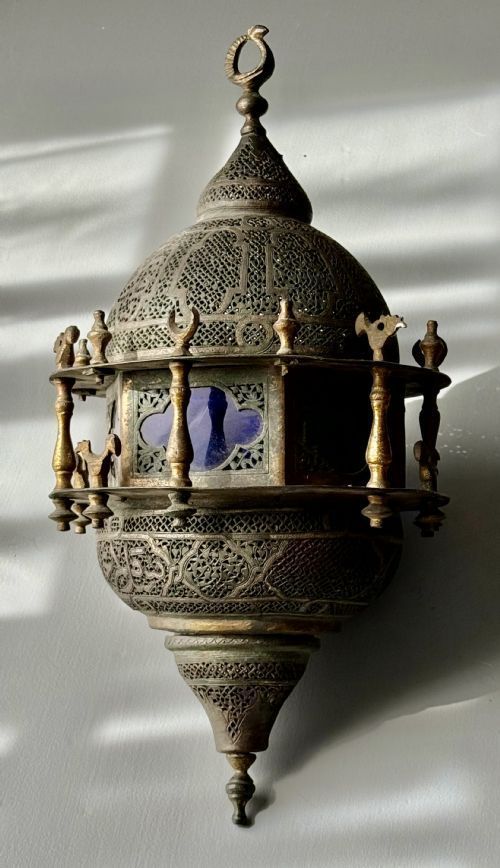
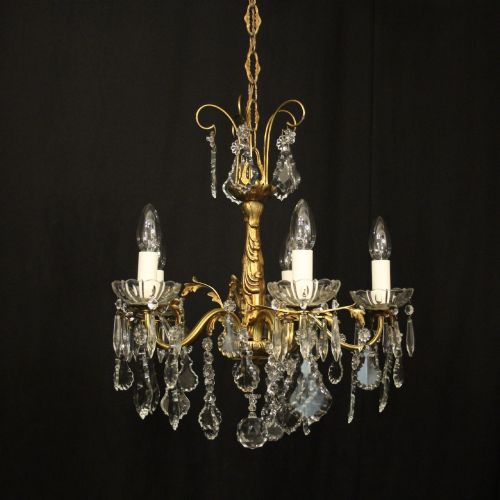
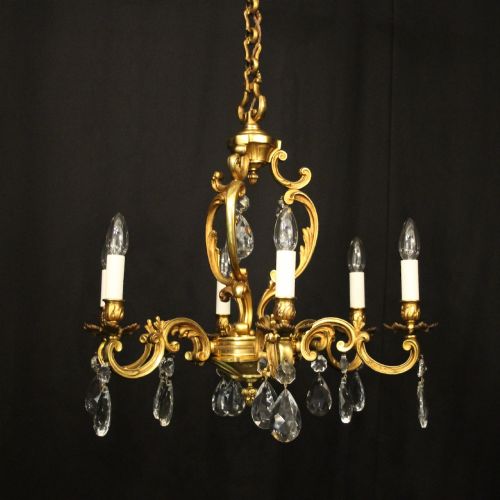
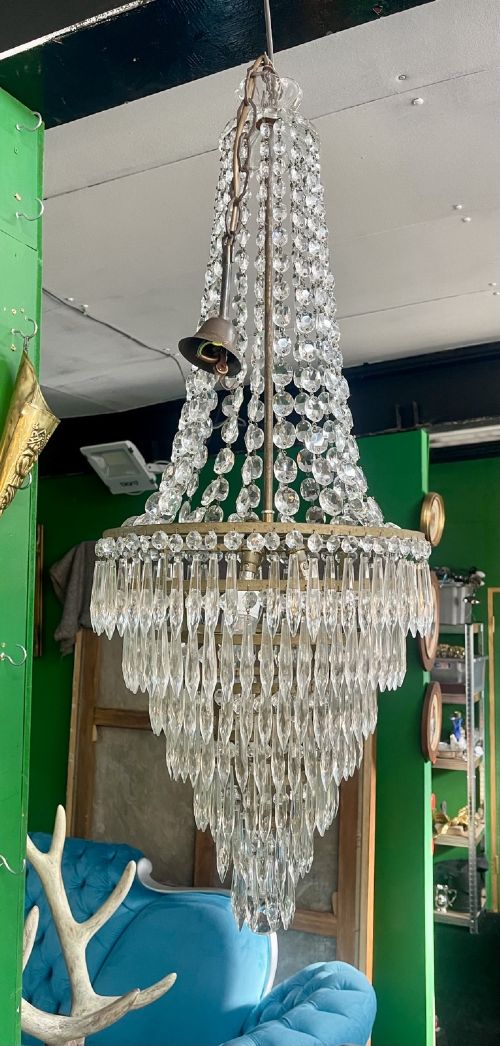
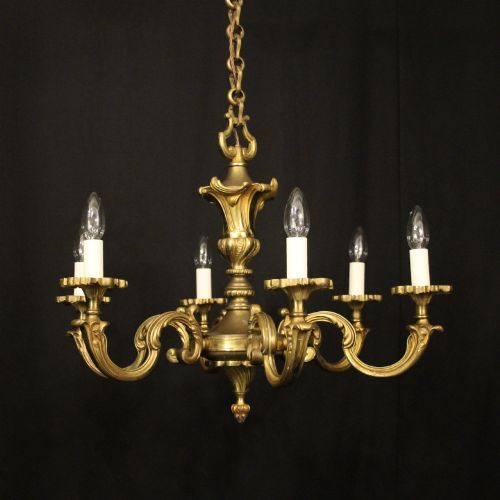
The heading covers three things at once. There's the single glass shade on a brass or copper gallery, the branched chandelier, and the enclosed lantern for a hall or porch. Chandeliers are the commonest single word in the titles, and lanterns account for roughly one in eight.
Hanging lights grew out of candle chandeliers and oil-lit hall lanterns, then were adapted to gas and to electricity from the late nineteenth century. The single-shade pendant on a flex and gallery belongs to the electric era proper, made in quantity once domestic wiring spread.
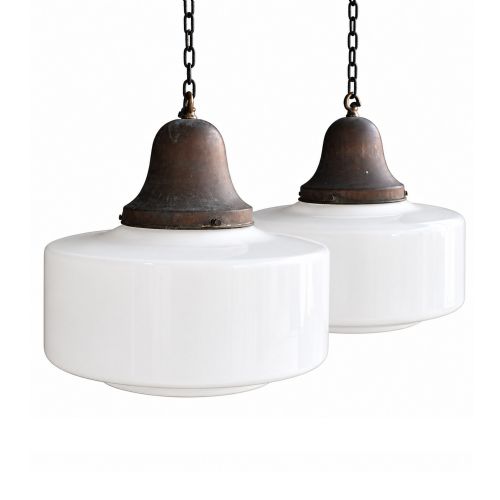
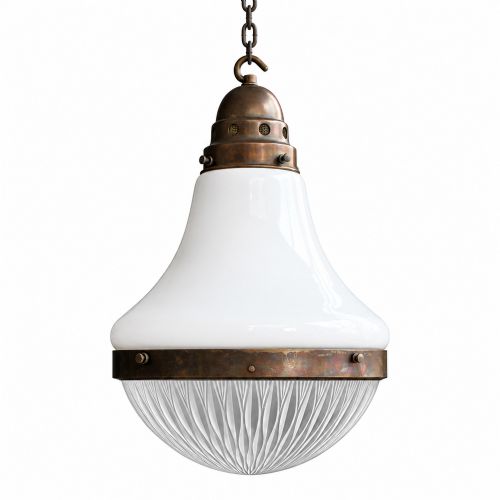
The everyday piece, and the one that fills the lower part of the range, is that single shade: moulded, cut or opaline glass, commonly described as rewired and with its original shade. Around one in ten titles on Sellingantiques carries the word rewired.
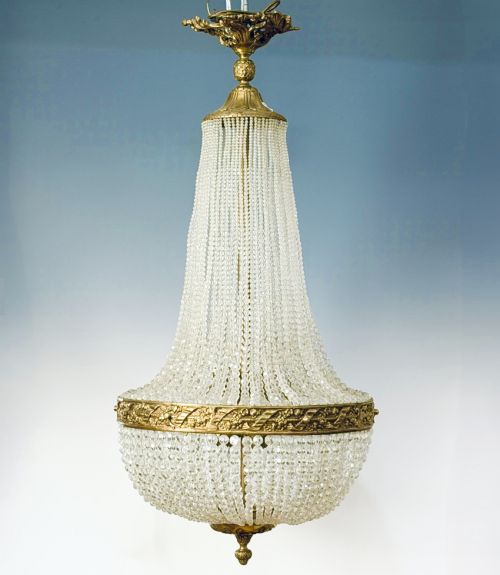
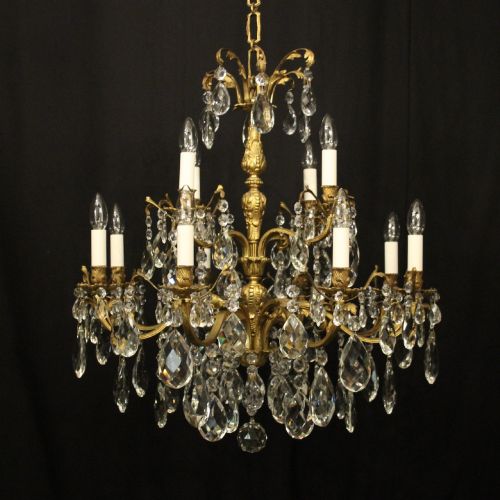
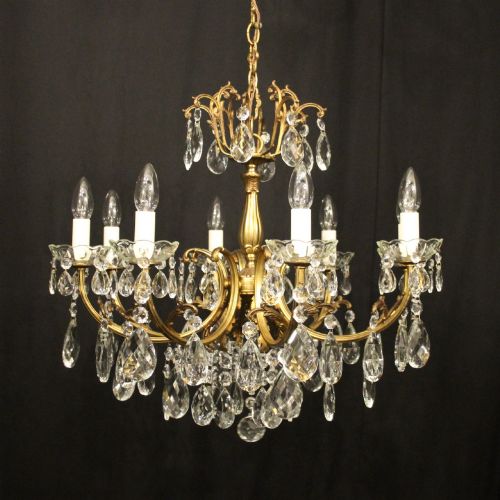
France supplies more than a quarter of the category by title, mostly gilded bronze or gilt brass chandeliers hung with crystal, with Italy and England well behind. Dating clusters in the first four decades of the twentieth century, the 1920s and 1930s heaviest of all, and much of it is loose: 'Edwardian', '19th Century', 'Early 20th century' or a c1920 guess.
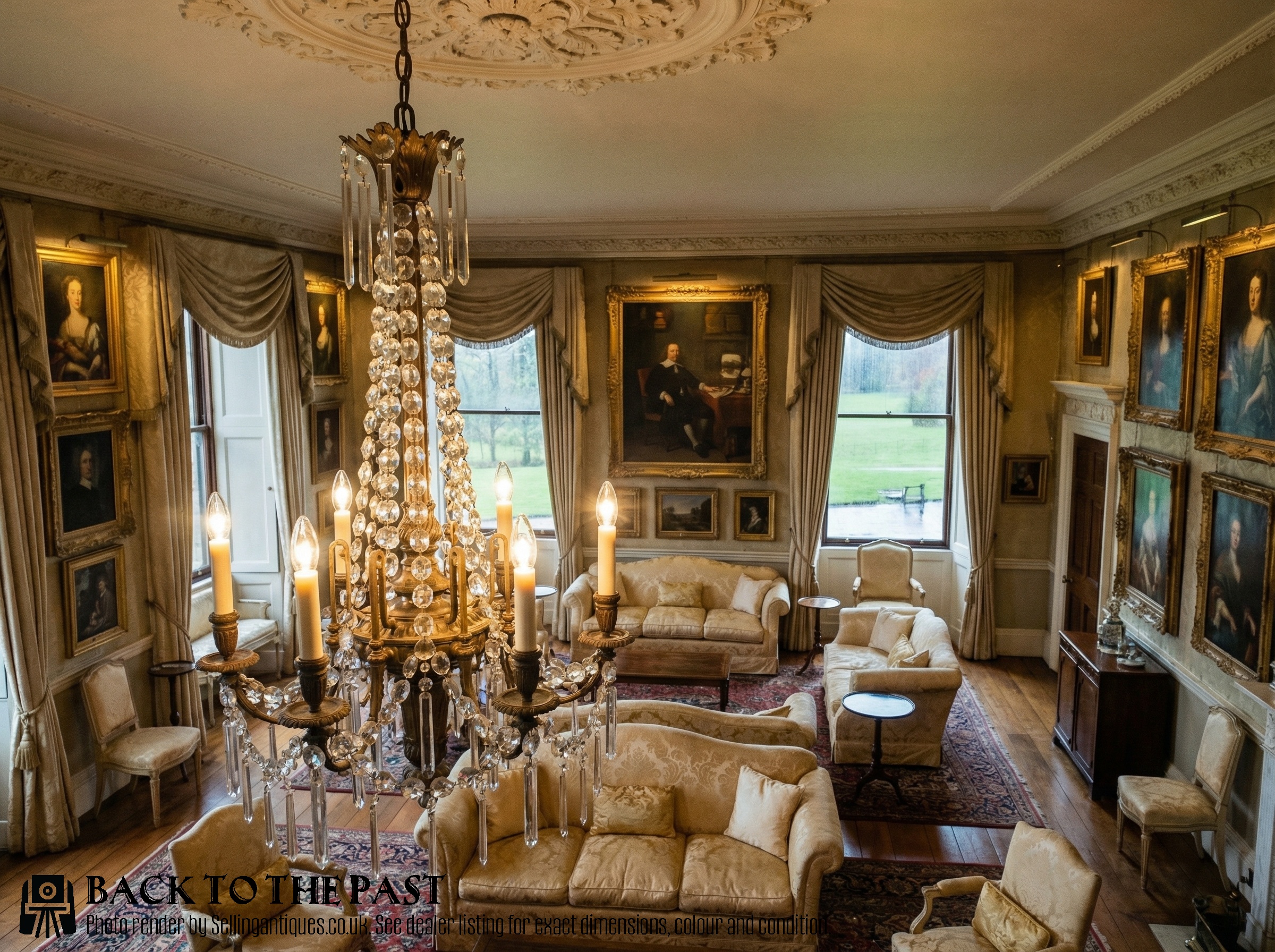
Where The Range Splits
Count the lights. Titles step up through three, five, six, eight, ten, twelve, sixteen, eighteen and twenty-four, and the higher counts sit at the top of the range. The largest of all in the archive is a forty-one light ballroom crystal chandelier. Scale works the same way, with quoted diameters running from five inches on a small bag chandelier up to thirty and thirty-two inches.
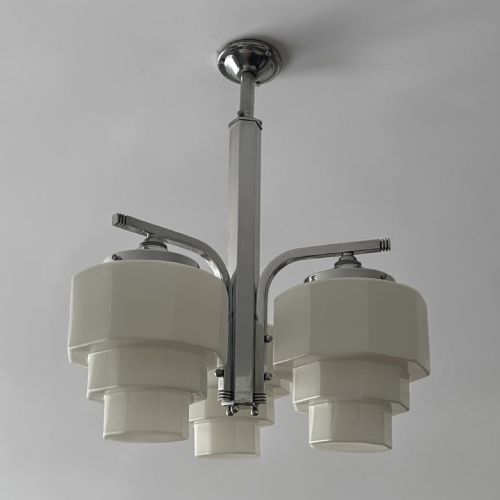
Then the materials. Gilded bronze and gilt metal attach to the French chandelier group at the top; chrome, steel and green-enamel factory shades sit at the bottom. Glass divides the same way, cut crystal and hand-blown above plain moulded, milk-glass and opaline.
Numbers matter too. Around one in ten titles offers a pair, and sets of three, four, six and eight turn up, usually industrial or opaline. Matched pairs of chandeliers and lanterns appear repeatedly near the top, while single shades sold off as one of four sit at the other end. A few pieces carry a building with them: town hall, chapel, billiard room, railway station and cinema provenances all appear.
Antique Pendant Lights Retail Price Guide 2026
Typical UK retail prices for pendant lights, calculated from the Sellingantiques database of over a million retail prices indexed since 2003. This retail price guide relies exclusively on Sellingantiques data; no external sources or auction records are used, so the figures do not describe the wider market.
Diameters quoted on Sellingantiques run from five inches, for a small bag chandelier, up to thirty-two for glass and crystal examples.
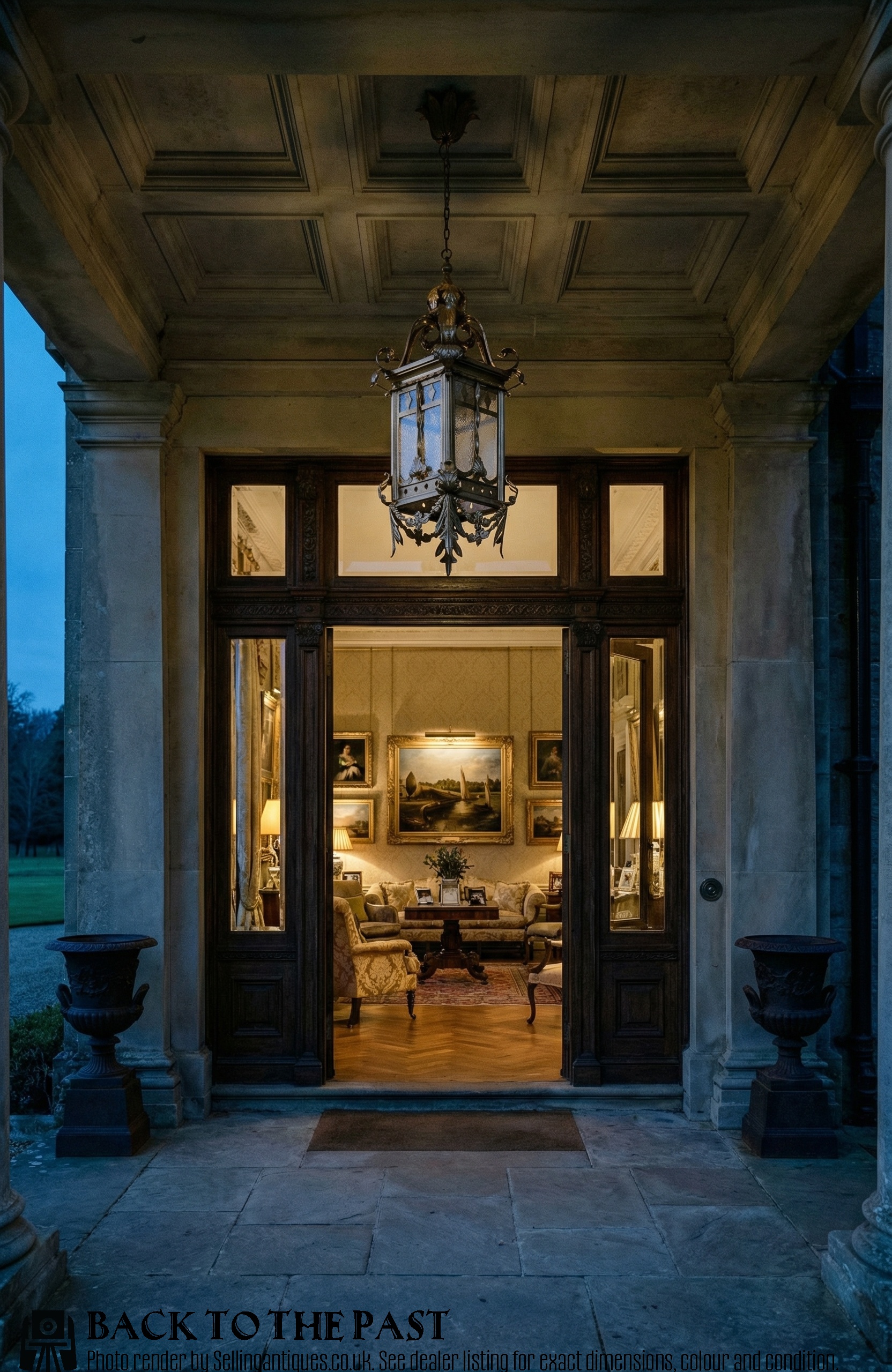
The Antique Pendant Lights Glossary
- Gallery
- The metal ring that grips the rim of a glass shade. Thirty-one titles mention it, often as the original gallery.
- Rewired
- The flex and fittings have been replaced for modern use. It appears in 117 titles, sometimes with PAT tested alongside.
- Holophane
- Prismatic ribbed glass shade made to spread the light. Sixty titles use the word, some as 'Holophane style', and one shade carries a moulded date of 1909.
- Opaline
- Opaque white or tinted glass, glossy rather than chalky. Moonstone is its near neighbour in the titles, a translucent, slightly milky pressed glass.
- Plafonnier
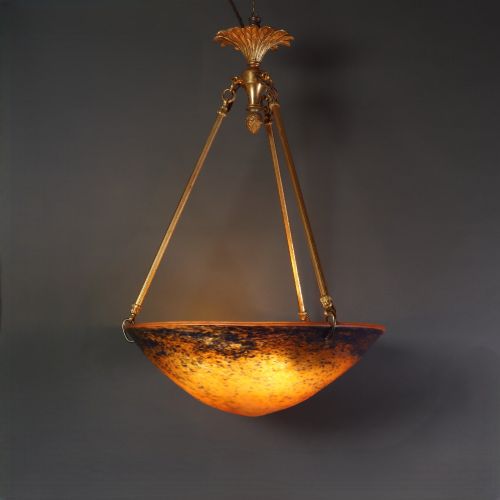
- A bowl or dish shade suspended close to the ceiling, also spelled plafoniere.
- Tent and bag
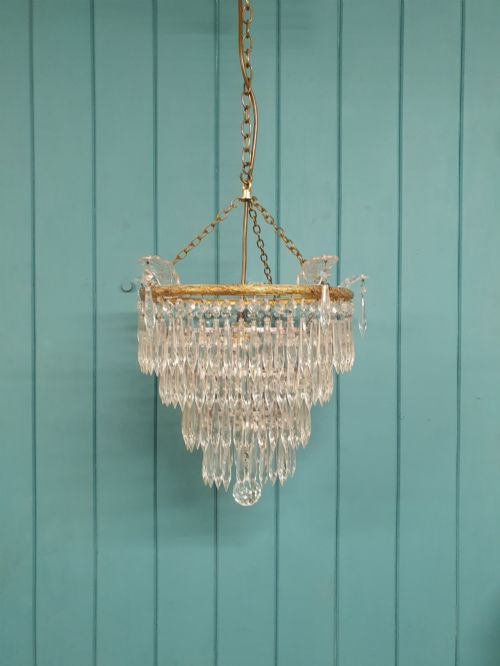
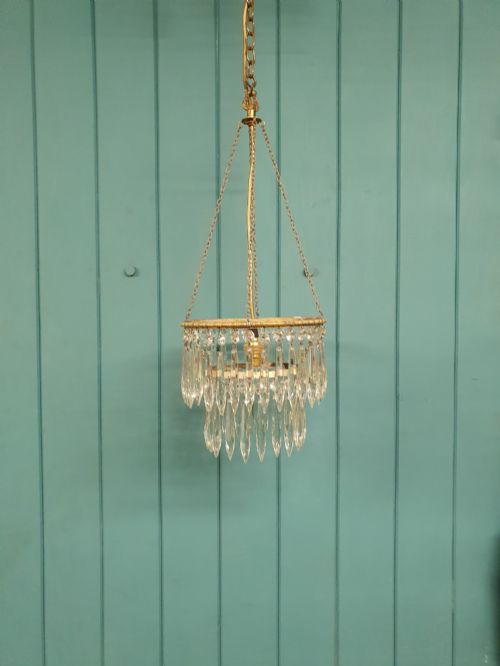
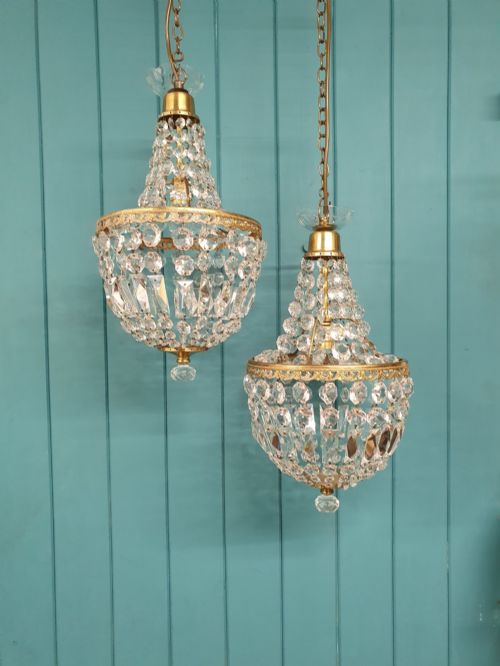
- Chandelier form with a canopy of strung drops above and a swagged bag below. Waterfall and birdcage describe other frames: a tiered cascade of drops, and an open cage hung with crystal.
Antique Pendant Lights: Frequently Asked Questions
How many pendant lights come up each year?
About 122 reach the market in a year, and 133 different dealers have listed one. That makes it one of the more widely stocked corners of the lighting shelves.
Across the whole archive there are 1,120 listings to draw on, so the shapes and forms repeat often enough to compare.
What period do most of them date from?
The dated field runs from 1800 to 1960, but the mass sits in the first four decades of the twentieth century. Of the listings that carry a decade, 561 fall in the 1920s and 1930s alone.
Earlier decades thin out fast: only a handful are marked Victorian, 1890s or 1880s. The 1940s account for just seven, and nothing runs past 1960.
A good deal of the dating is loose rather than precise, with 'Edwardian', '19th Century' and 'Early 20th century' doing much of the work.
Are French chandeliers common in this category?
Yes. France supplies more than a quarter of the category by title, and the branched chandelier is the commonest single form in the archive.
Gilded bronze, gilt brass and crystal dominate that group, in forms the titles name as tent and waterfall, birdcage, cage, Empire, Mazarin and Rococo. Light counts run from three up to twenty-four.
What does rewired mean in these titles?
It means the flex and fittings have been replaced for modern use. The word appears in 117 titles, sometimes with PAT tested added.
It sits often enough beside 'original shade' that the two phrases turn up together as a stock title formula.
What kinds of lanterns turn up?
Hall and porch lanterns account for roughly one in eight listings. Convex, hexagonal, bevelled-glass, leaded and wrought-iron forms all appear.
Copper and stained-glass lanterns sit with the Arts and Crafts group, which along with Art Deco makes up around one in ten each.
Do industrial pendants appear alongside the chandeliers?
They do, as a small but consistent group, mostly 1900s to 1940s. Prismatic Holophane-type shades are their own little world, sixty titles' worth.
Alongside them come prism shades, green enamel factory and railway pendants, mercury glass, chapel and billiard lights. Sets of three, four, six and eight matching pendants are usually industrial or opaline.
Occasionally something arrives with no glass shade at all: an antler chandelier, a carved walnut ceiling pendant, a leather and vellum lantern, a twelve-point bevelled-glass Moravian star.