
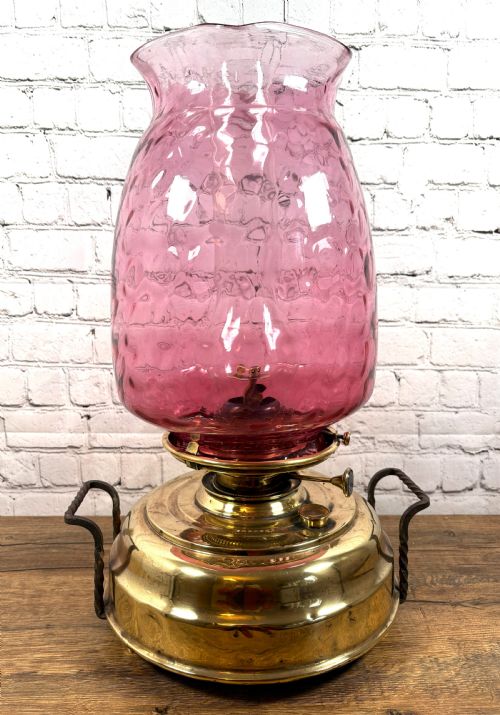


Antique Hurricane Lamps
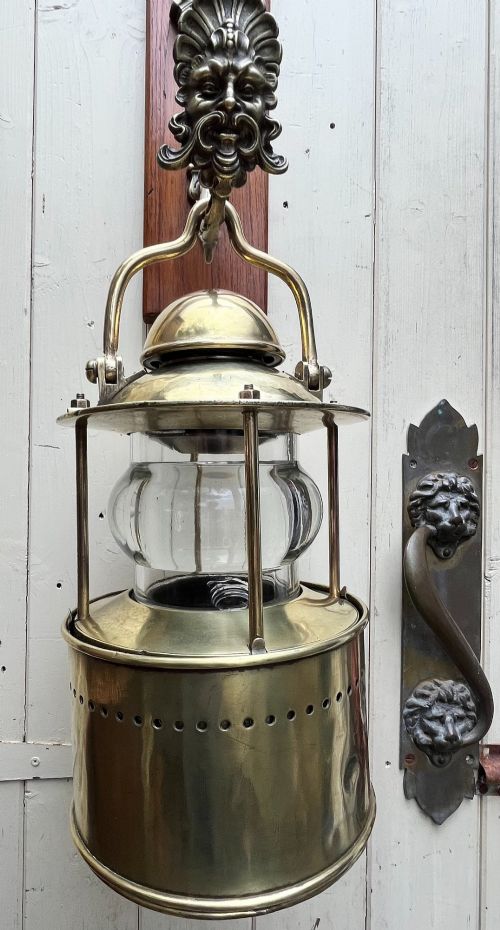
A hurricane lamp is a table light where a tall glass chimney or shade wraps the flame, so an oil burner or candle keeps burning in a draught.
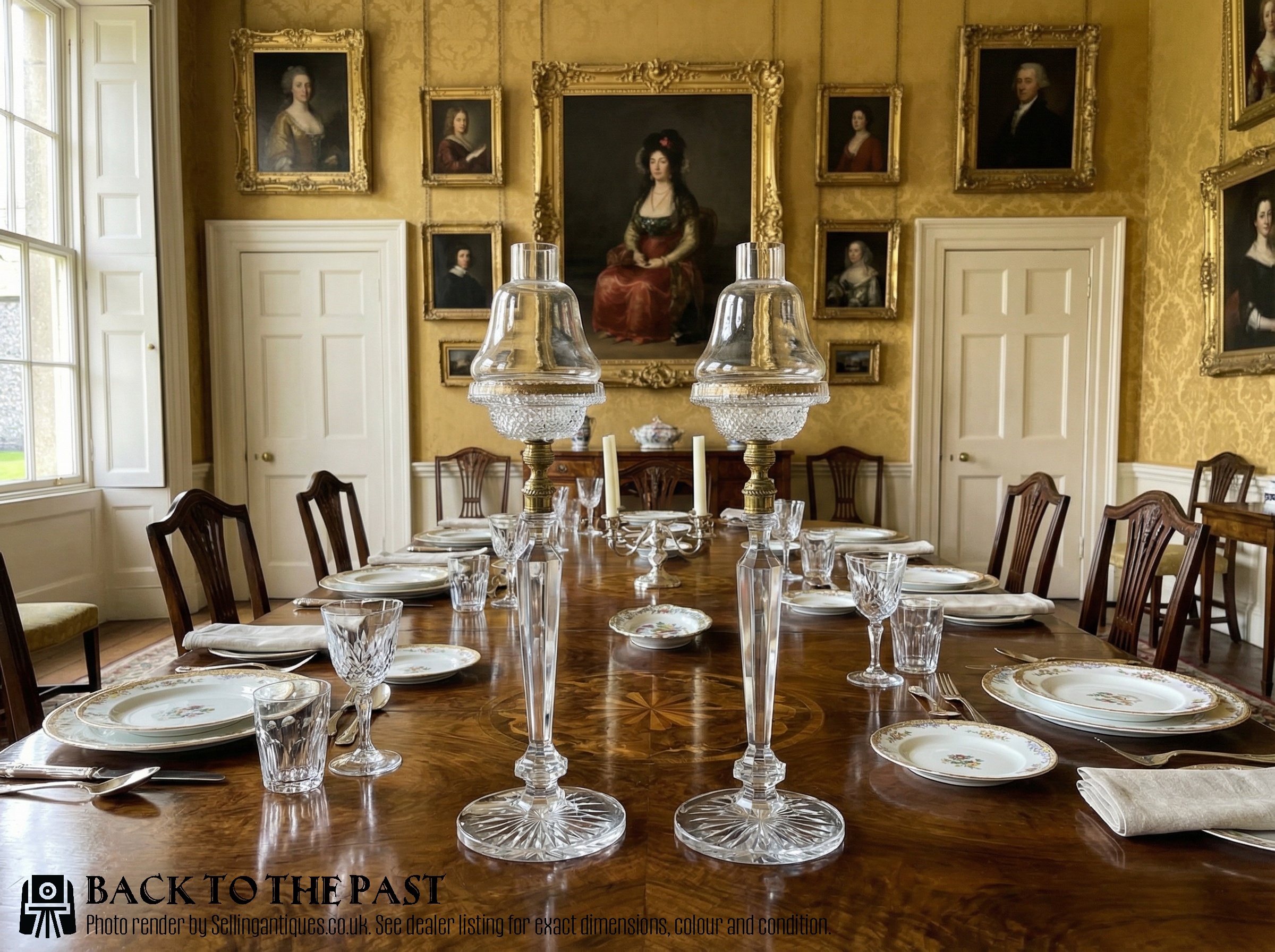
Antique Hurricane Lamps
The heading covers 19th and early 20th century table lighting where glass surrounds the flame. Under it the word hurricane does as much work for the shade or chimney itself as for a separate type of lamp, so the objects range from single oil lamps to candlesticks fitted with glass sleeves.
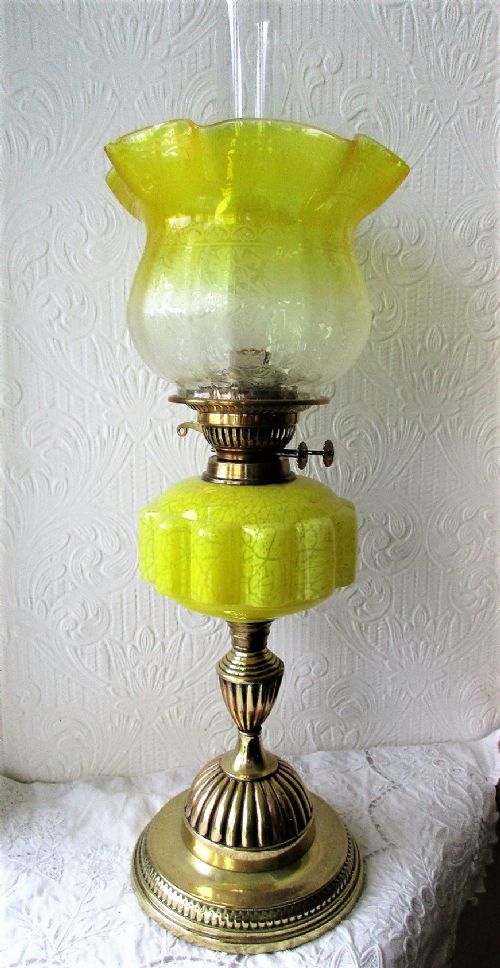
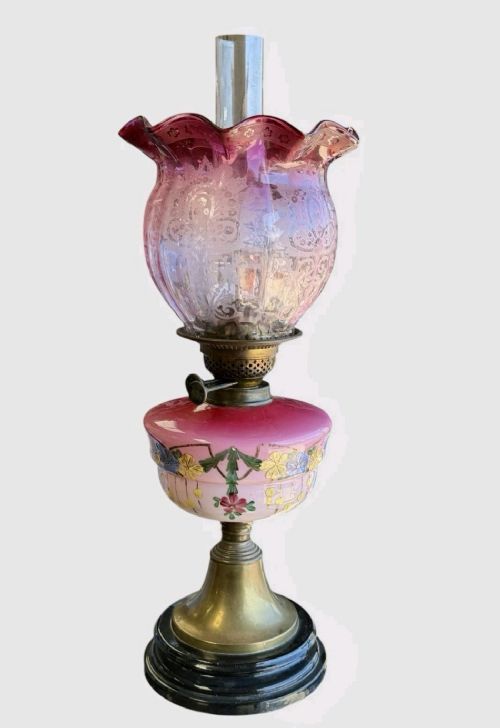
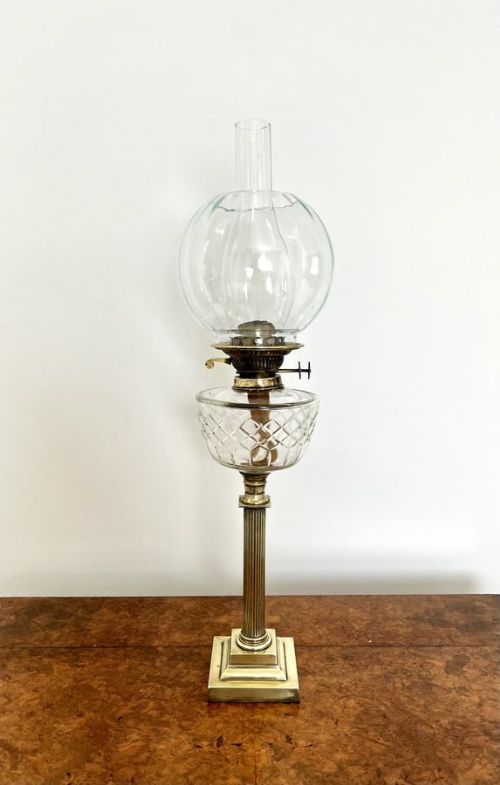
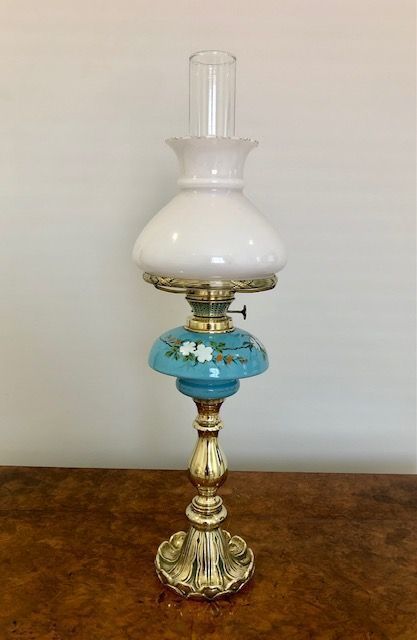
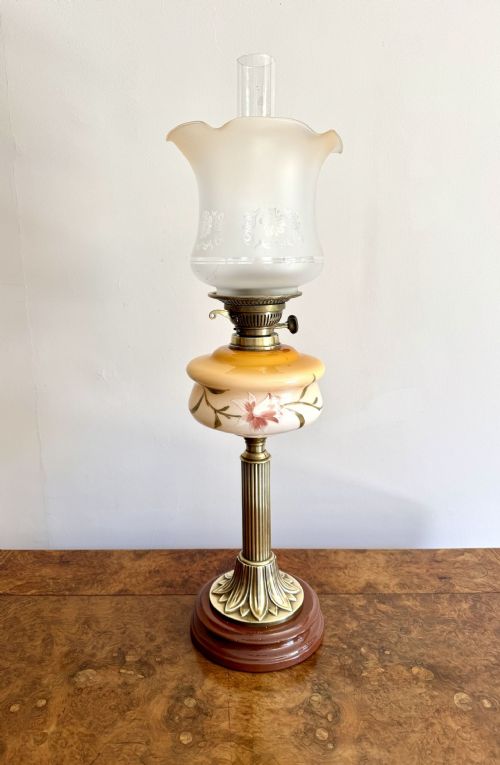
One form dominates. A Victorian brass-columned oil lamp with a glass font, chimney or shade is what you'll meet most often: oil appears in twenty of thirty-one titles on Sellingantiques, brass in sixteen, and the two words together in ten. Coloured and decorated glass makes up a second strand, with pink and crystal under gilt decoration, cranberry with a hand painted font, yellow, tinted and opaline shades.
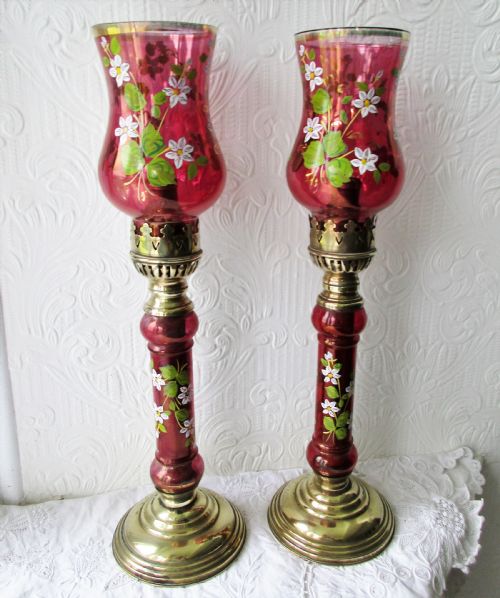
Candle storm lamps form a smaller group again, brass candlesticks carrying glass chimneys, and a patent glass candlestick pattern. Pairs are a genuine sub-population rather than a fluke: seven titles begin with the word, taking in mantel lustres and brass lustres with storm shades. Outliers turn up in plated metal, porcelain and mahogany.
Dating is patchy. Fourteen listings carry a clean year and the run goes from 1800 to 1920, while the rest are tagged only 19th Century or Victorian. Decade tags are thin but point to the middle and late Victorian years, with the 1880s and 1900s ahead of the rest. The earliest is a Georgian mahogany table candlestick of 1800 with a hurricane shade, the one wooden body in the set.
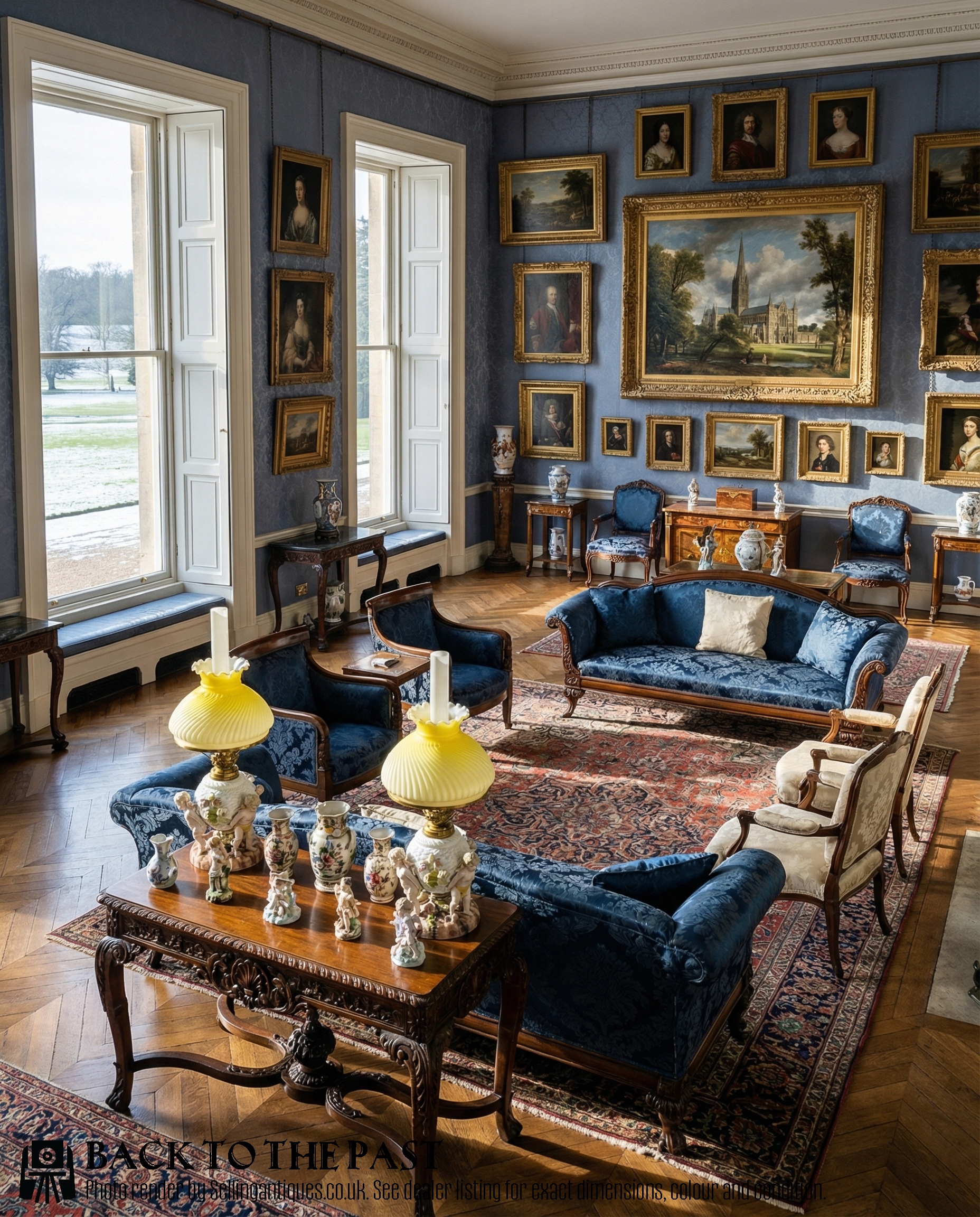
Where Value Sits
Number matters more than anything else. Pairs sit toward the top of the range, all but one of the seven in its upper half, and that holds whether the pair is brass table lamps, candlesticks with glass chimneys or mantel lustres hung with drops.
Glass separates the rest. Lamps whose titles name the shade or chimney, with shade, with tinted glass shade, with opaline shade, with storm shades, run above those that describe only the metal body. Colour and decoration push in the same direction: gilt on crystal, cranberry with a hand painted font, yellow glass. Plain brass oil lamps cluster at the lower end.
Scale, an unusual body and a name in the title all lift a piece. Large brass, porcelain cherub lamps and a carved Regency torchere occupy the upper range, the torchere standing at the very top and well clear of everything else. A silver plated hurricane lamp with an etched glass shade, dated 1920, sits near the bottom.
Antique Hurricane Lamps Retail Price Guide 2026
Typical UK retail prices for hurricane lamps, calculated from the Sellingantiques database of over a million retail prices indexed since 2003. This retail price guide relies exclusively on Sellingantiques data; no external sources or auction records are used, so the figures do not describe the wider market.
Hurricane lamps have been listed on Sellingantiques since 2013.
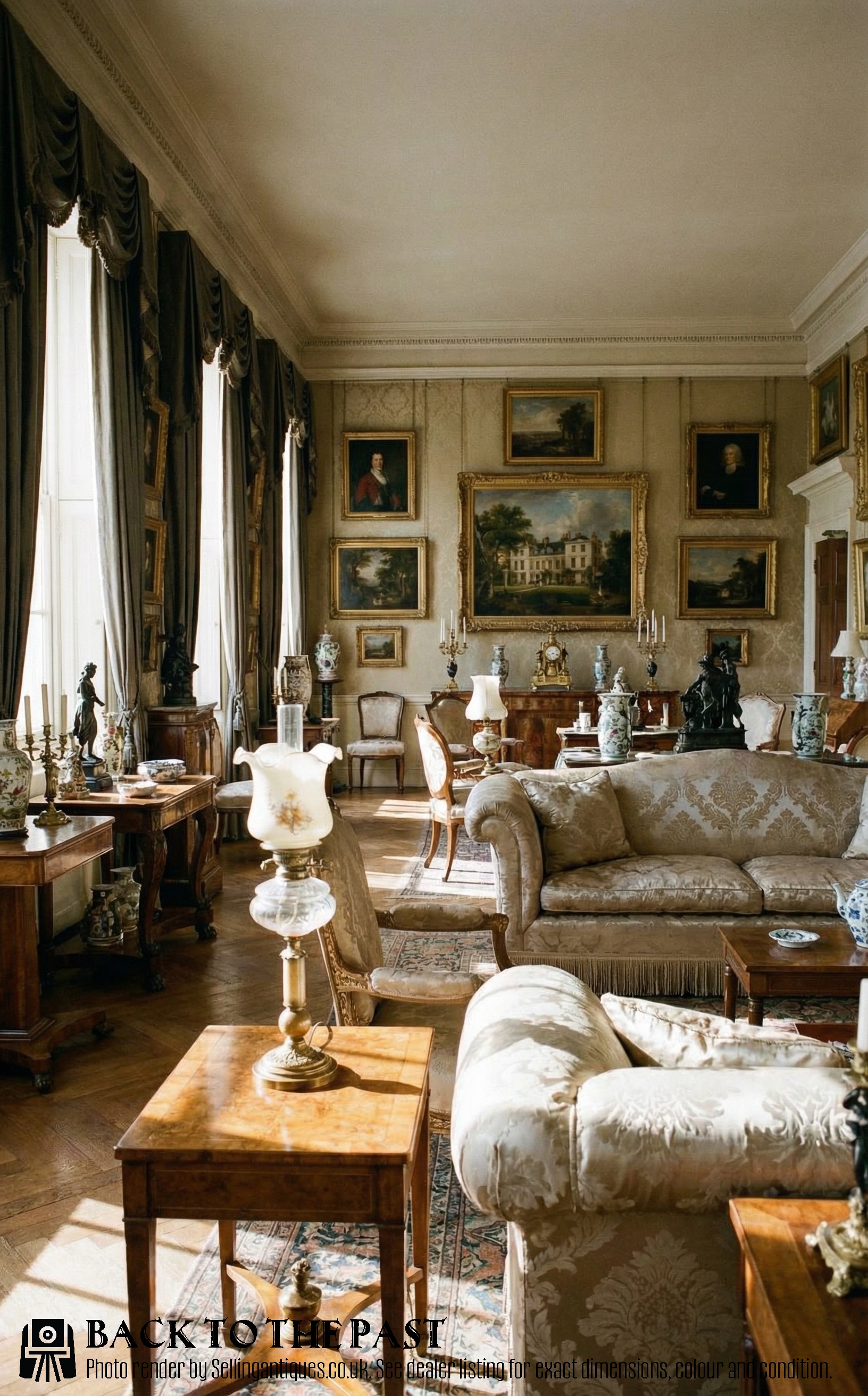
The Antique Hurricane Lamps Glossary
- Hurricane or storm shade
- The tall glass sleeve that surrounds the flame and stops a draught blowing it out. The word is used in these titles for the shade as often as for the lamp.
- Chimney
- The narrow glass funnel above a burner, drawing air up through the flame. Two listings name it directly, both on candlesticks rather than oil lamps.
- Font
- The reservoir that holds the oil or paraffin. Often glass, and sometimes coloured or hand painted rather than plain.
- Opaline
- Semi-opaque white or tinted glass, used for shades. One shade in the set is described this way.
- Lustre
- A mantel ornament or candle holder hung with cut glass drops. Three listings, two of them pairs, one carrying storm shades.
- Candle-lamp
- A candlestick fitted with a glass shade or chimney instead of an oil burner. Torchere is the related term for a tall stand made to carry a light.
Antique Hurricane Lamps: Frequently Asked Questions
How often do hurricane lamps come up for sale?
Only about four reach the market in a year, spread across twenty-four different dealers on Sellingantiques. Almost nobody carries two.
That thin supply is part of why the group is so mixed. Each dealer brings a different reading of the heading.
What period do these lamps come from?
The dated field runs from 1800 to 1920. Fourteen of the thirty-one listings carry a clean year; the rest are tagged only 19th Century or Victorian, which are era labels rather than dates.
Decade tags are sparse but consistent, weighted to the 1880s and 1900s, with the 1870s behind them and single entries elsewhere.
Are these lamps brass?
Brass is the default body, named in about half the titles, usually as a column carrying a glass font and shade.
Other materials turn up once or twice each. Plated metal, porcelain and mahogany all appear, along with a carved Regency torchere in wood.
Why do pairs turn up so often?
Seven of the titles begin with the word Pair, so they are a real part of the category rather than an accident of listing.
They include brass table lamps, candlesticks with glass chimneys, mantel lustres and brass lustres with storm shades. Pairs sit toward the upper half of the range.
Is coloured glass common in this category?
It appears in several guises and across the middle and upper part of the range.
Listings describe pink and crystal glass with gilt decoration, cranberry with a hand painted font and shade, yellow glass, a tinted shade and an opaline shade.
Do candlesticks count as hurricane lamps?
Under this heading, yes. Four or five listings are candle-based: brass candlesticks with glass chimneys, brass and glass candle-lamps, a patent glass candlestick pattern.
The earliest dated piece in the group is one of them, a Georgian mahogany table candlestick of 1800 fitted with a hurricane shade.