
Antique Victorian Lighting
Nineteenth-century domestic lighting in brass, glass and bronze: candlesticks, oil and paraffin lamps, column table lamps and hanging fittings, made to light rooms by flame before electric supply reached them.
Antique Victorian Lighting
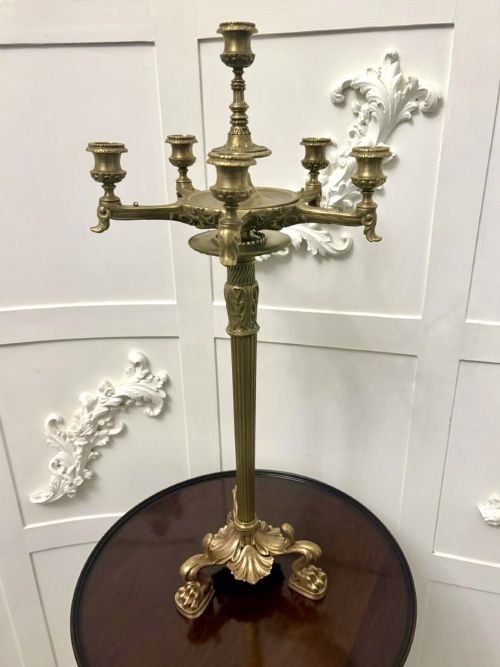
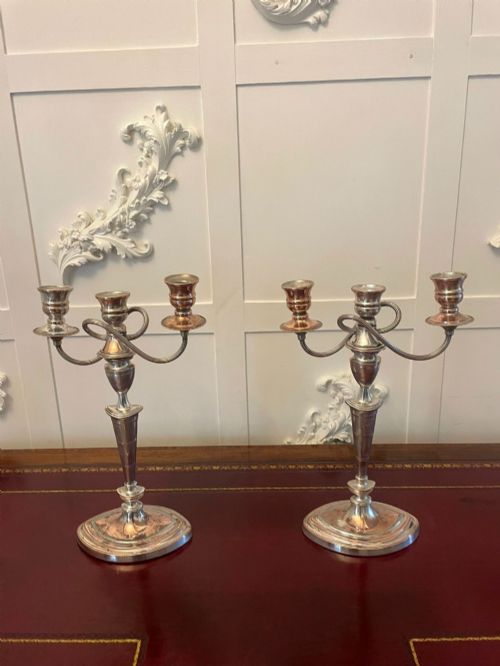
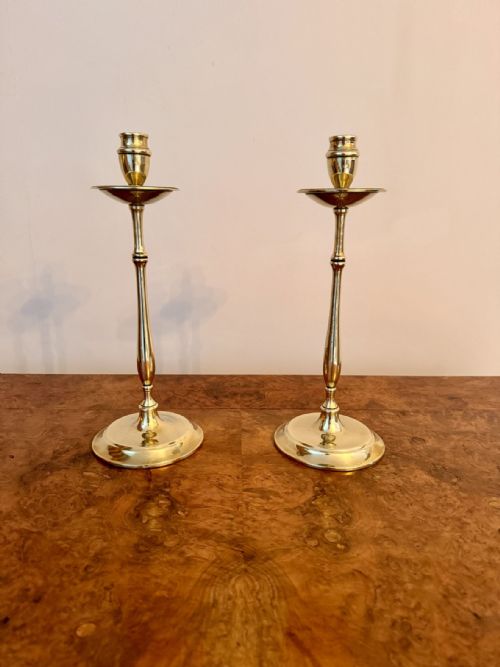
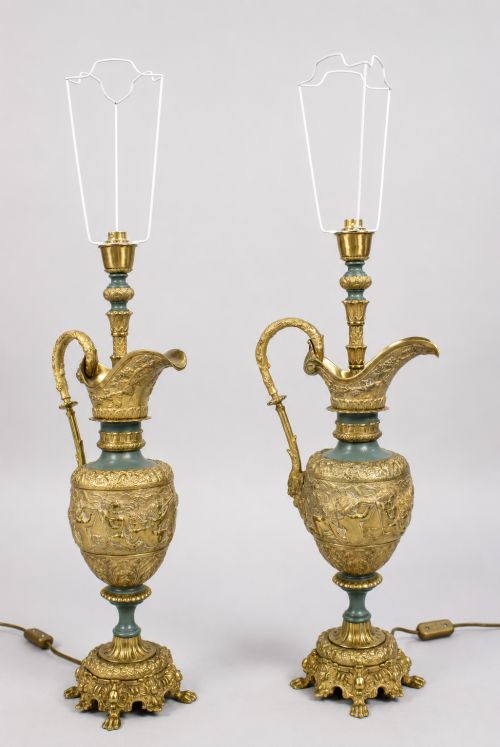
Two things dominate. Lamps carry the heading, named in 878 of the titles, and brass is the material in 844 of them. Pairs of brass candlesticks make up the other large block, 334 titles in all, and "pair" turns up in 581 titles across the category as a whole.
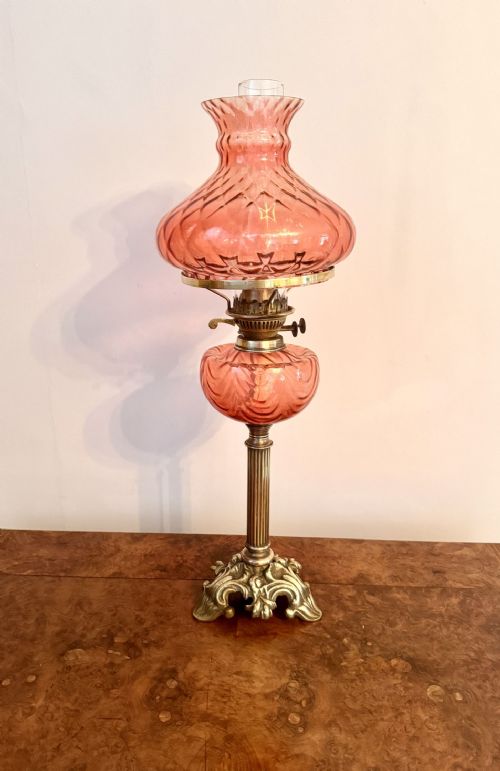
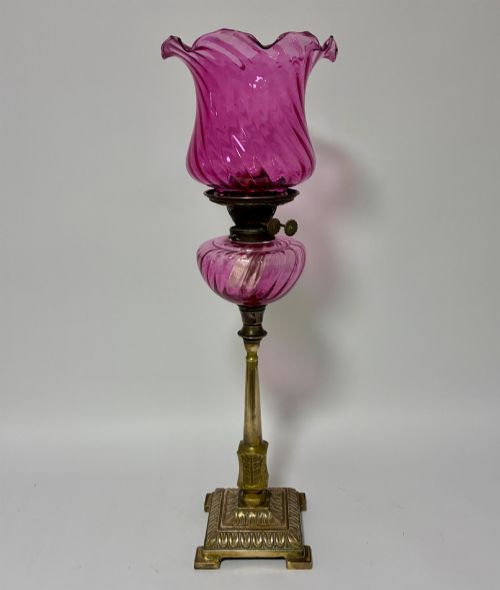
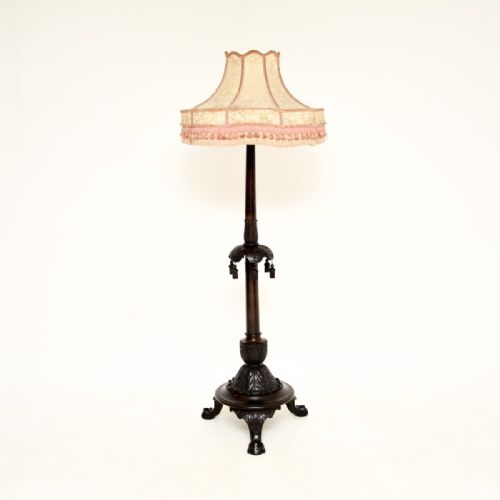
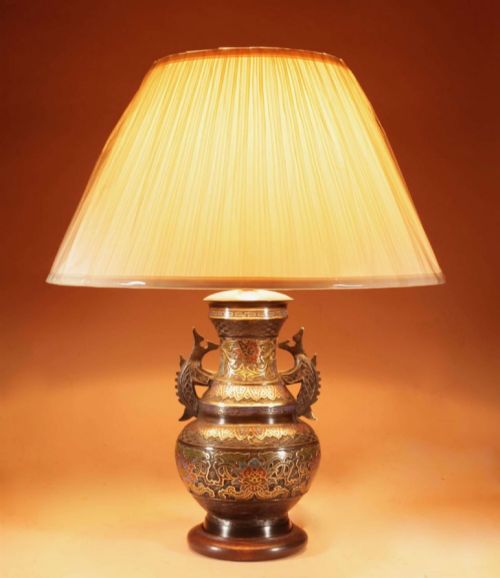
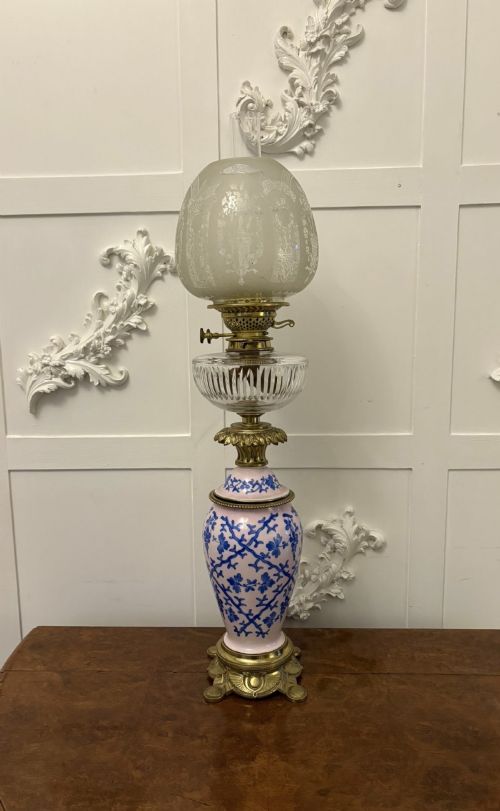
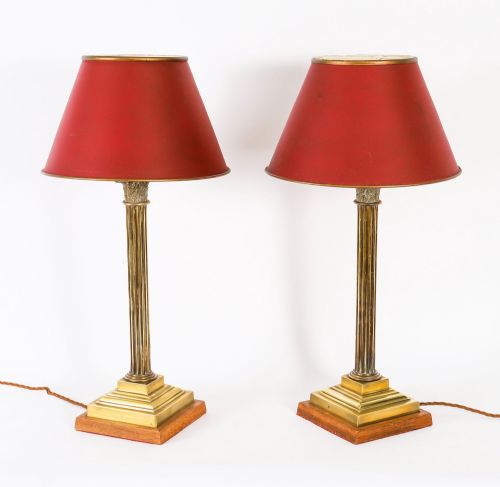
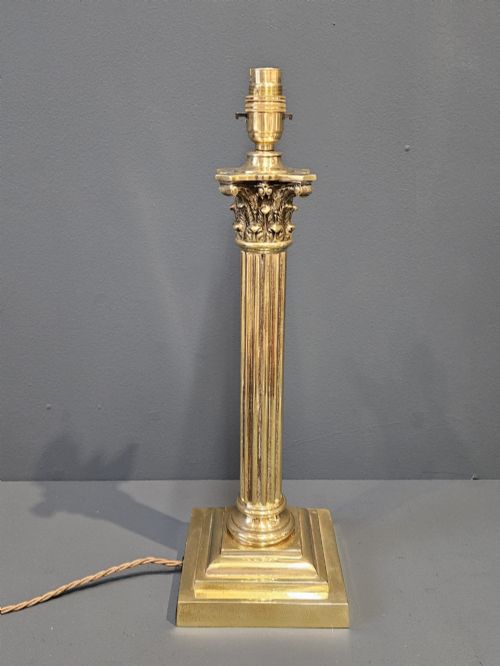
Within the lamps, the table lamp is the commonest single type, and it is very often a classical column. Corinthian appears in 134 titles, Doric and Ionic only in ones and twos. Oil and paraffin lamps form the next block, some still on their original burners and fonts, many converted to electricity. Standard and floor lamps come behind them, a good number telescopic or otherwise adjustable for height.
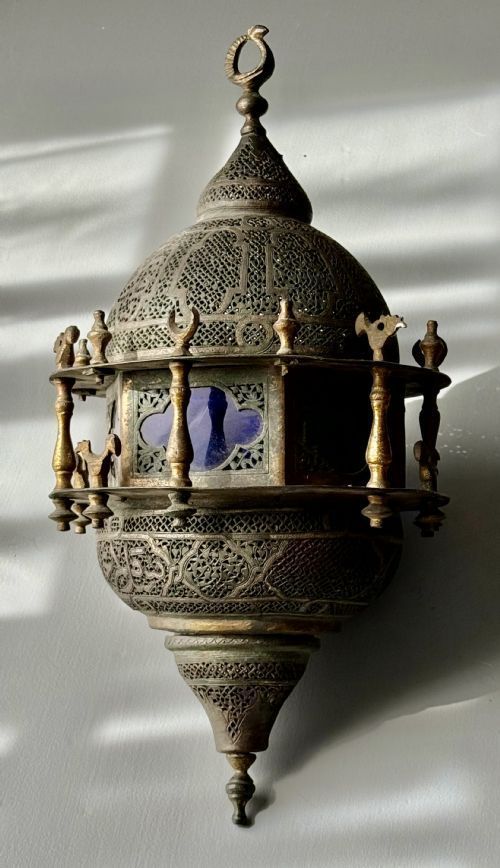
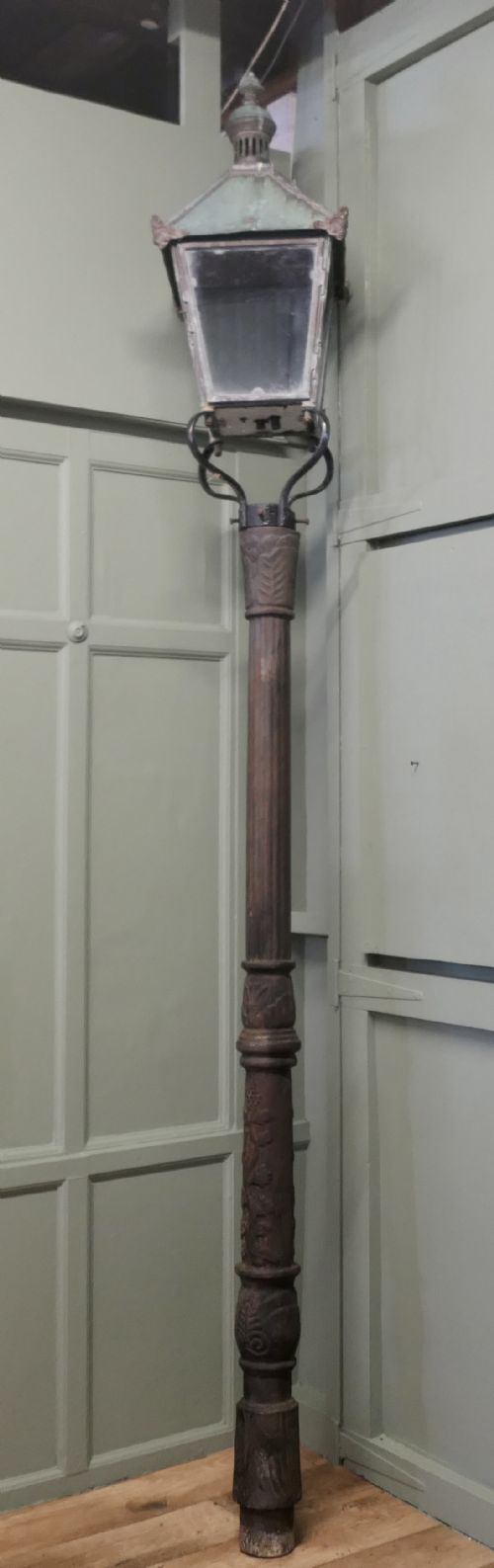
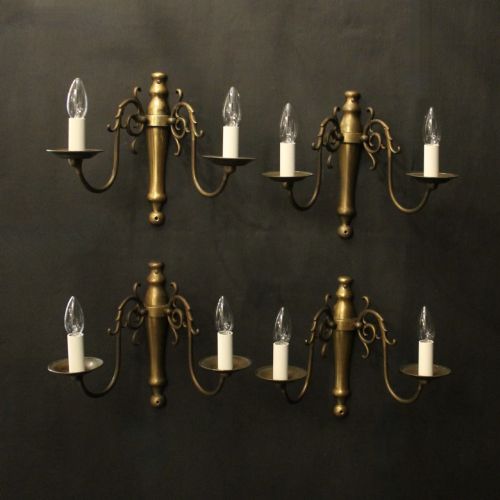
Smaller populations sit alongside: hall lanterns, wall lights and sconces, chandeliers and gasoliers, and street or carriage lanterns. Candlesticks and oil lamps were the ordinary means of light before piped gas and electric supply arrived, which is why so much of this was first made for one fuel and later adapted to another.
Dating is broad. The dealers' own dates run 1800 to 1940, but "Victorian" alone accounts for 631 entries and "19th Century" a further 297, so nearly half the archive is dated to a reign or a century rather than a year. Where decades are given they cluster late, in the 1880s, 1890s and 1900s, and a handful of entries carry Regency, Edwardian or interwar labels.
What Separates Them
Number counts first. A pair sits above a single, and sets of four candlesticks and multiple pairs turn up in the upper part of the range. One title goes as far as calling itself a near pair rather than a pair, which tells you how much the distinction matters here.
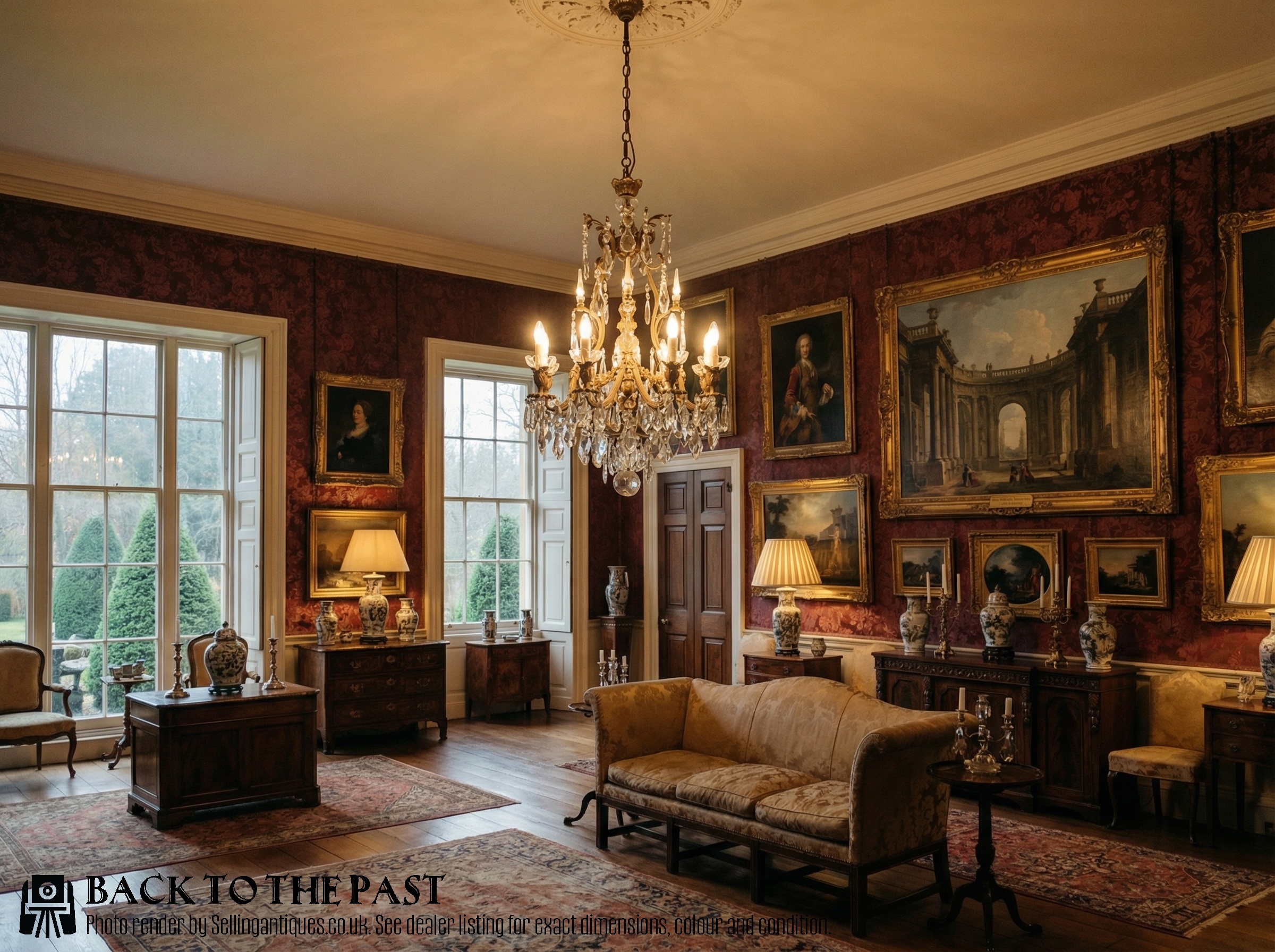
Then material and scale. Bronze, ormolu, silver and cut glass sit above plain brass, and plain brass candlesticks fill the bottom of the sampled range. Size pulls the same way: large appears in 147 titles, and the top of the range is thick with monumental chandeliers of up to sixteen lights, copper and bronze street lanterns, cast-iron lamp posts and floor-standing lamps.
A named form helps too. Corinthian, Doric and Ionic columns and the named candlestick patterns give a piece something to be identified by, which counts for a good deal in a category recorded by form rather than signature. Declared electrical work runs the other way: rewired in 81 titles and PAT tested in 57, and both cluster at the accessible end rather than the top.
Antique Victorian Lighting Retail Price Guide 2026
Typical UK retail prices for victorian lighting, calculated from the Sellingantiques database of over a million retail prices indexed since 2003. This retail price guide relies exclusively on Sellingantiques data; no external sources or auction records are used, so the figures do not describe the wider market.
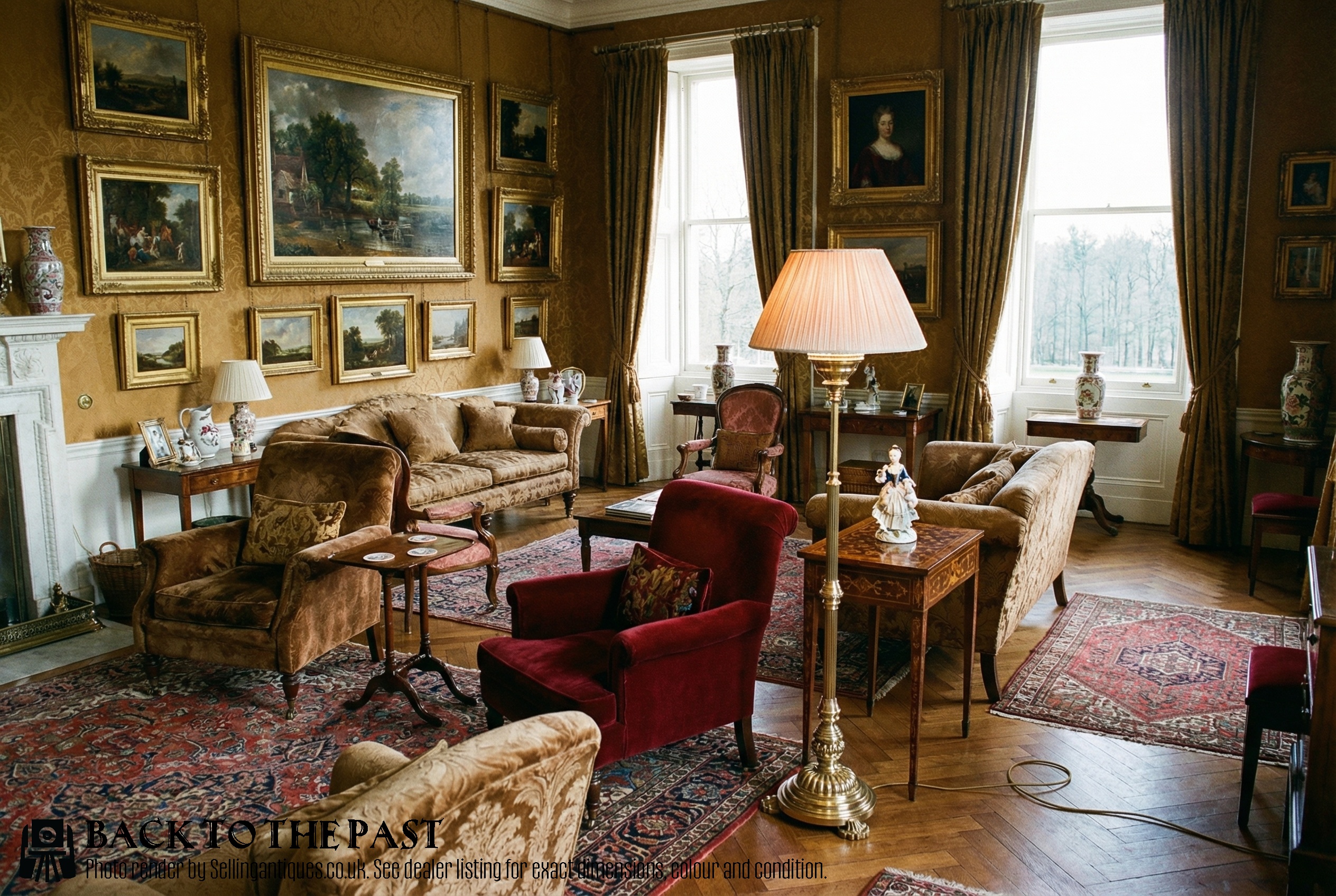
Hinks is the maker name that turns up from the most dealers on Sellingantiques here - the only one listed by more than three.
Hinks
The Antique Victorian Lighting Glossary
- Corinthian column
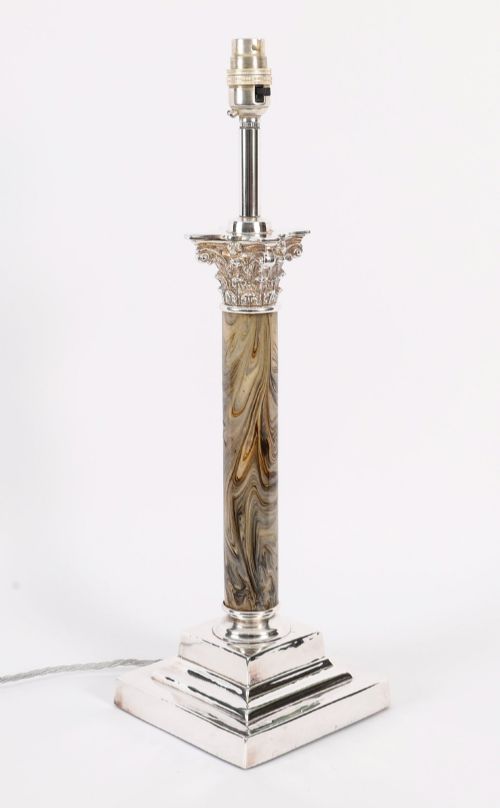
- A lamp stem turned or cast as a classical column with an acanthus-leaf capital. Named outright in 118 titles, far ahead of the Doric and Ionic orders.
- Font
- The glass or metal vessel holding the oil or paraffin on an oil lamp, also called the reservoir.
- Duplex burner
- A twin-wick burner arrangement, named in several oil lamp titles.
- Converted
- An oil or gas fitting later adapted to electricity, stated in numerous titles. Rewired, meaning the flex and fittings have been renewed, appears in 81 titles.
- Gasolier
- A hanging gas fitting, the gas equivalent of a chandelier.
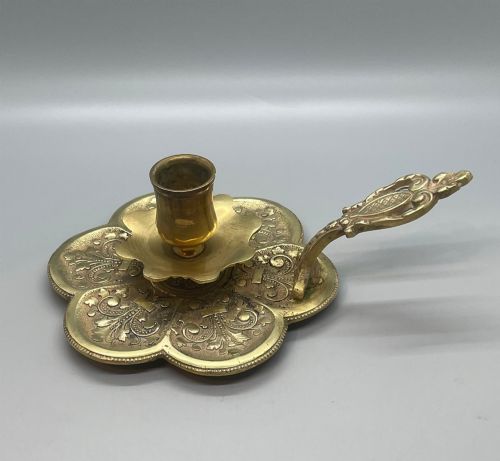
- Chamberstick
- A low candlestick on a dished tray with a handle, for carrying to bed. A pricket, by contrast, is a candle spike rather than a socket, usual on ecclesiastical sticks.
Antique Victorian Lighting: Frequently Asked Questions
Why are so many listed as pairs?
Candlesticks were made and sold in pairs, and lighting a room took more than one. "Pair" appears in 581 of the titles, close to a third of the category.
Sets go further. The samples include sets of four candlesticks and listings offering three pairs at once, and those sit higher in the range than singles.
What does a Corinthian column lamp look like?
The stem is turned or cast as a classical column with an acanthus-leaf capital, usually in brass, often silver plated, and usually a table lamp.
It's the single most quoted design in the category, named in 118 titles. Doric and Ionic columns turn up only in ones and twos, and plain reeded columns alongside them.
Are oil lamps here still oil?
Both kinds are listed. Oil appears in 325 titles, and some retain their original burners, fonts and glass shades, with duplex and twin burners recorded in the samples.
Many others were converted to electricity, either in period or since. Conversion is stated in numerous titles, and rewiring in 81 of them.
Which makers signed this kind of lighting?
Very few, on the evidence of the archive. Only one name clears the three-dealer threshold across all 1,855 listings: Hinks, at four dealers.
The category is recorded by form and material instead. Titles name the column order, the pattern, the metal and the glass, rather than a firm.
What glass colours turn up in these lamps?
Cranberry is the coloured glass most often named, in 53 titles, usually as shades and fonts.
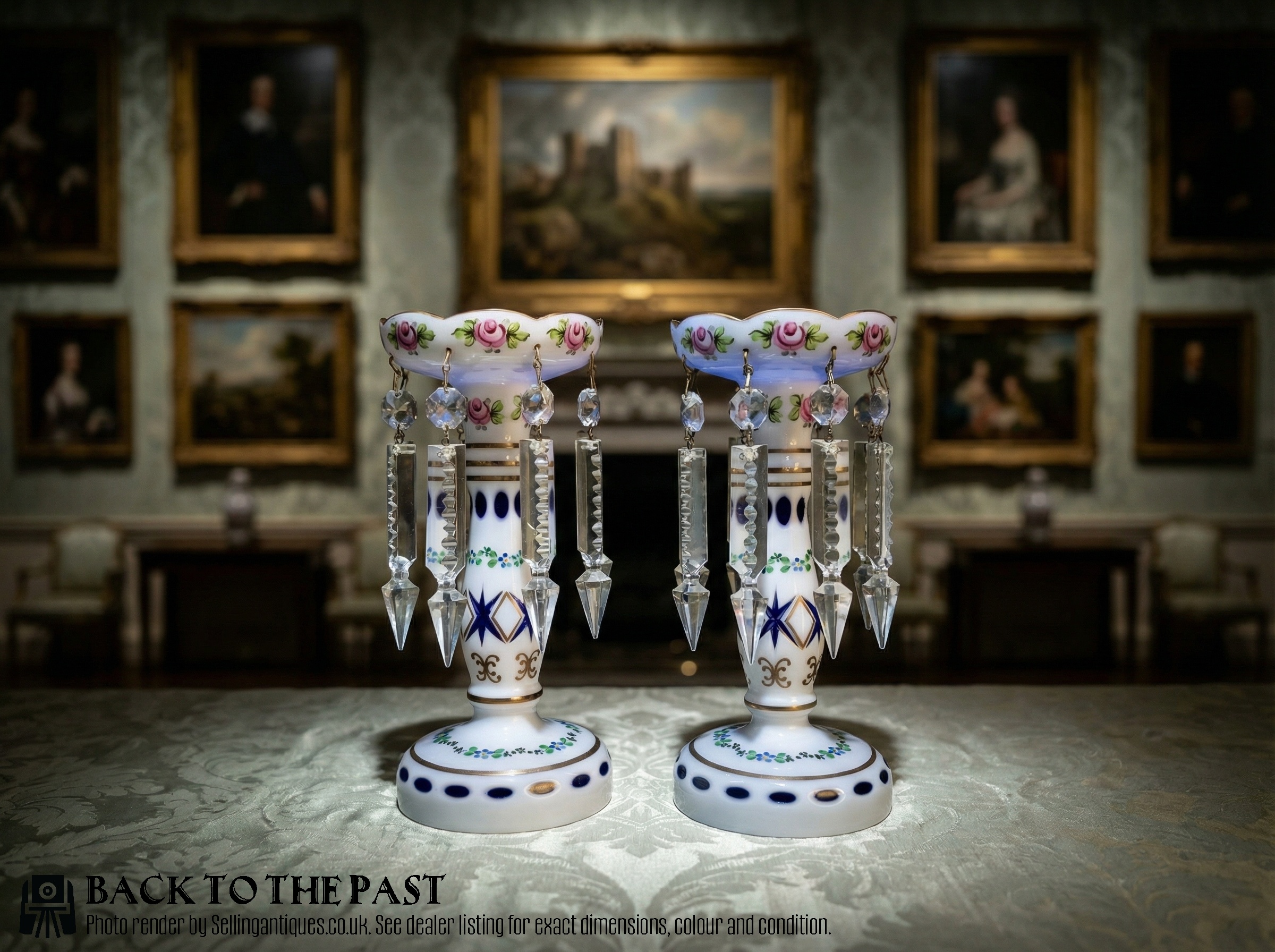
Uranium and vaseline glass surface only once or twice. Cut glass appears in 37 titles, mostly on chandeliers and lustres, and sits above plain brass in the range.
Is everything in the category actually Victorian?
Mostly, but the heading is broader than the reign. The dealers' dates run from 1800 to 1940, and a handful of entries carry Regency, Edwardian, 1930 and 1940 labels.
Where decades are given they cluster in the 1880s, 1890s and 1900s. "Victorian" and "19th Century" between them do most of the dating work.