

Antique Hall Lanterns
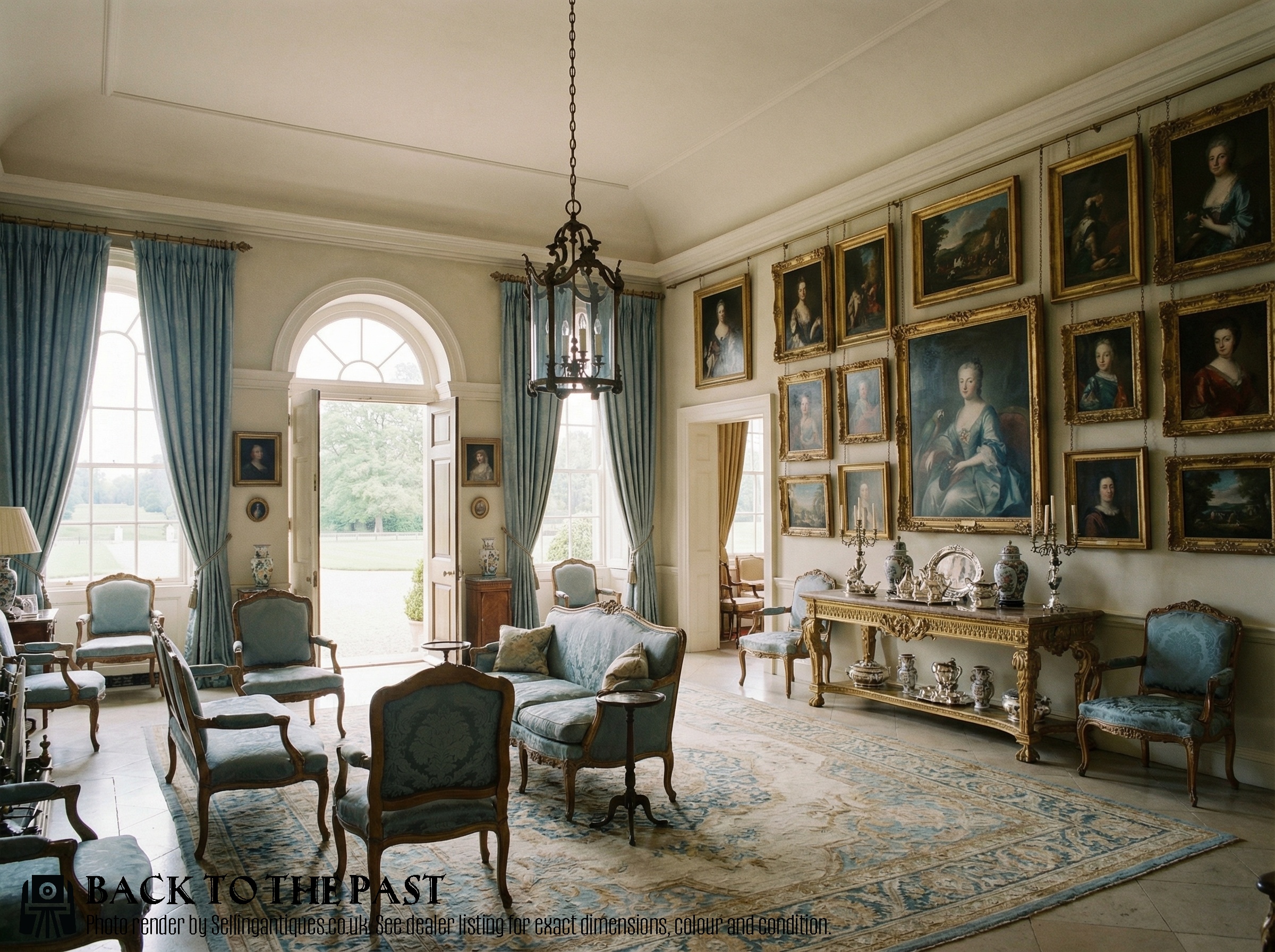
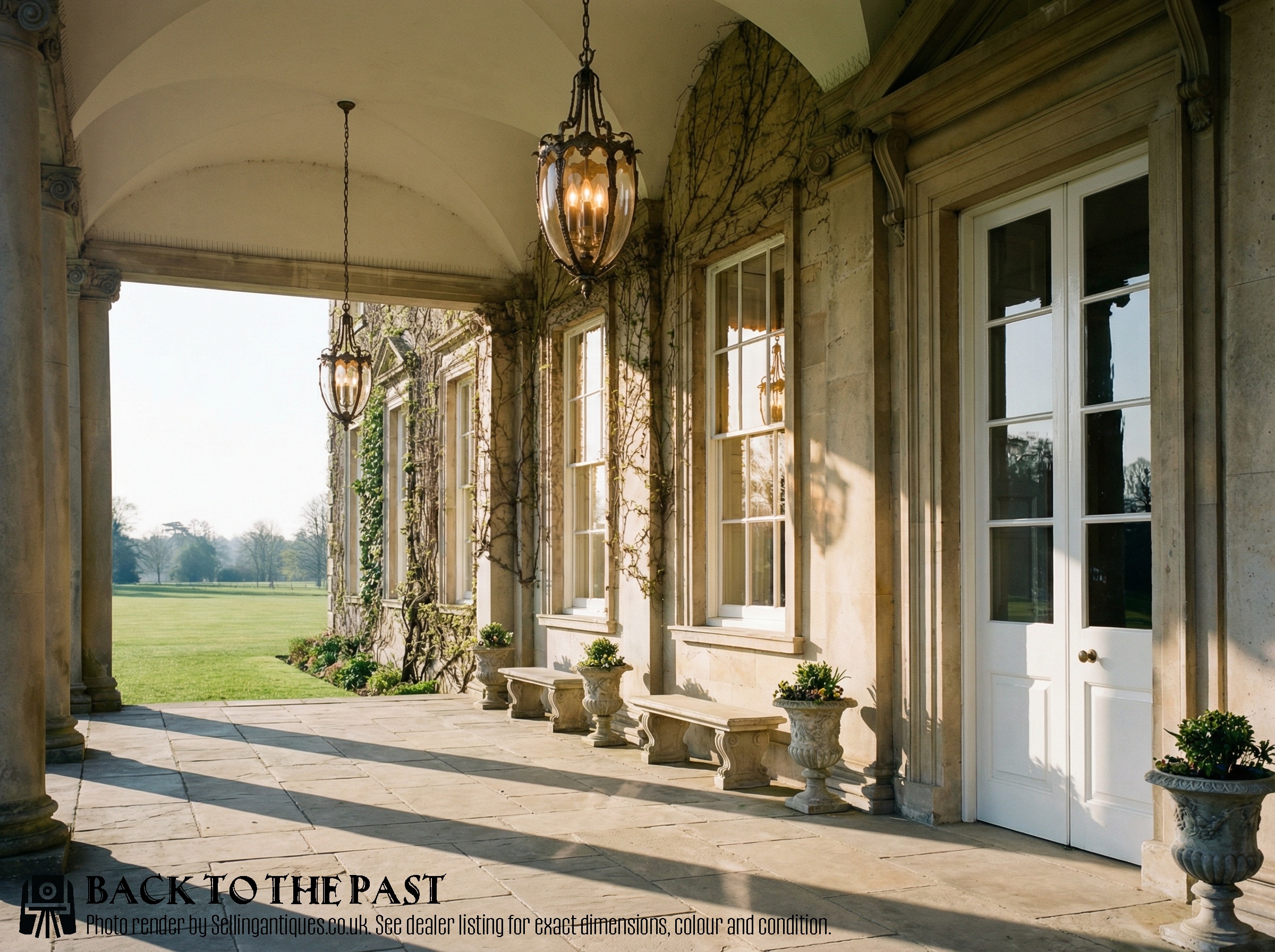
A hall lantern is a glazed frame of metal holding glass panels, hung on a chain or rod to light a hall, stair, porch or entrance.
Antique Hall Lanterns
Glazed hanging lanterns were made from the 18th century onward to carry a candle or oil light safely through a draughty hall or porch, the glass sheltering the flame while letting the light out. Gas and then electricity kept the shape going into the 20th century, by which point the lantern was mainly a decorative ceiling fitting for an entrance.
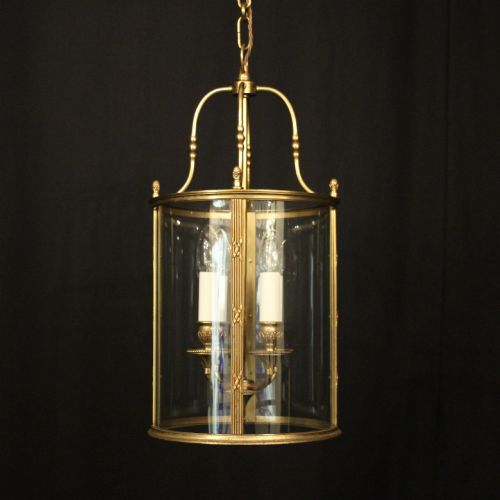
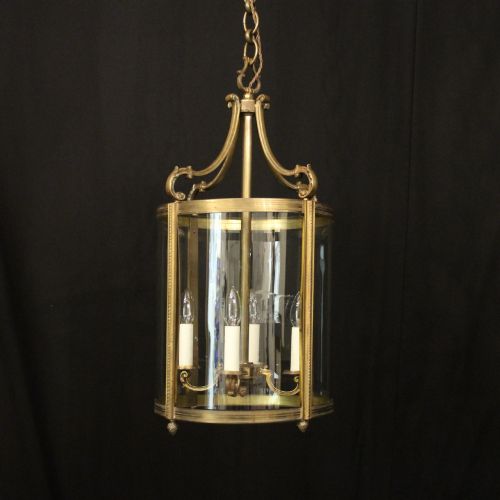
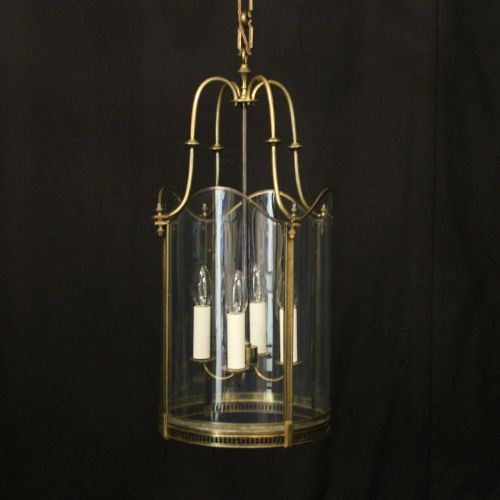
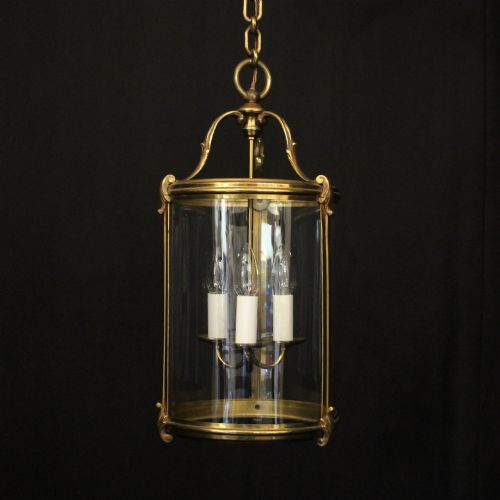
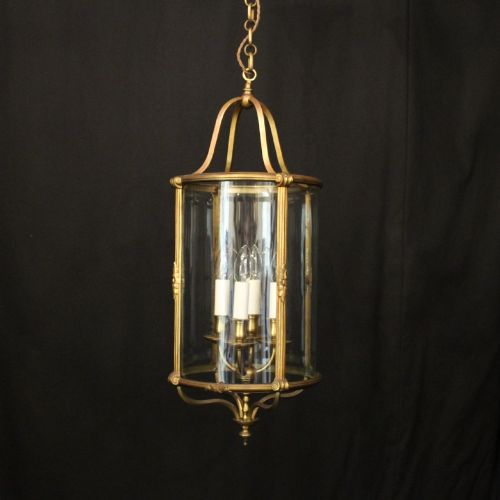
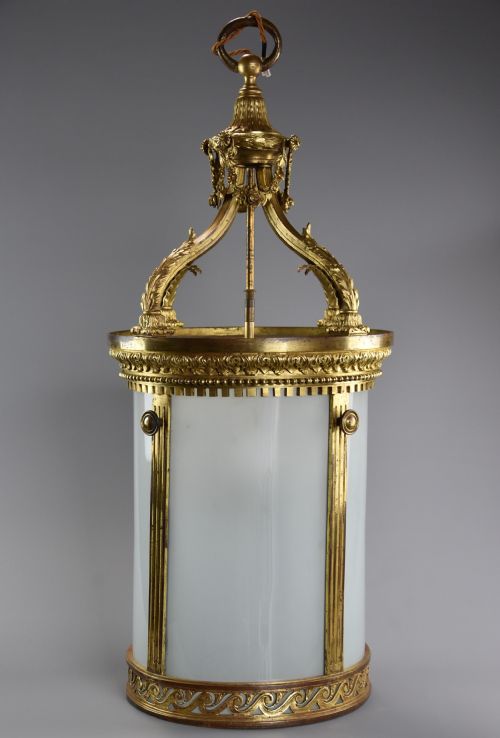
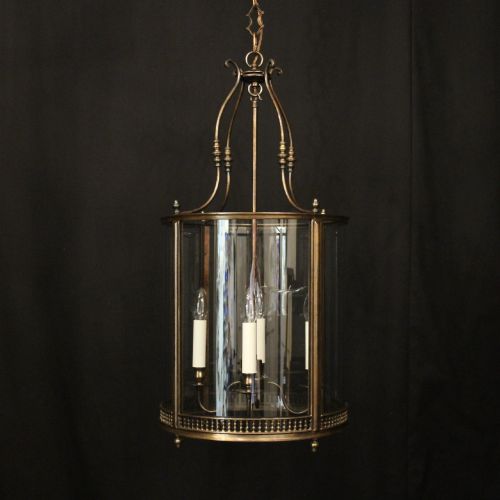
The version you're most likely to meet is French: gilded bronze or gilt brass, curved convex glass panels, three lights inside. `French` appears in 394 of 710 titles on Sellingantiques, `gilded` in 270 and `convex` in 150, and the long runs of "French Gilded Convex Triple Light" titles tell you how settled that formula is. Almost all are wired for electricity.
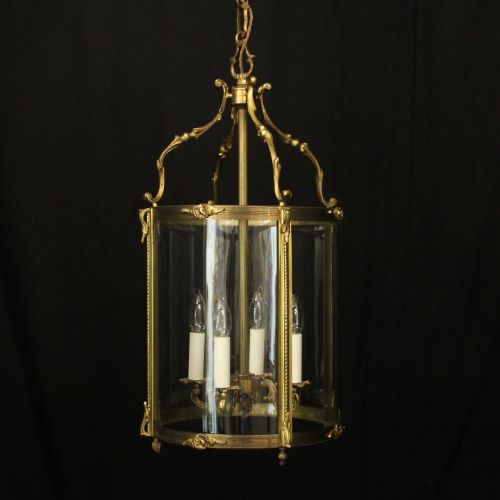
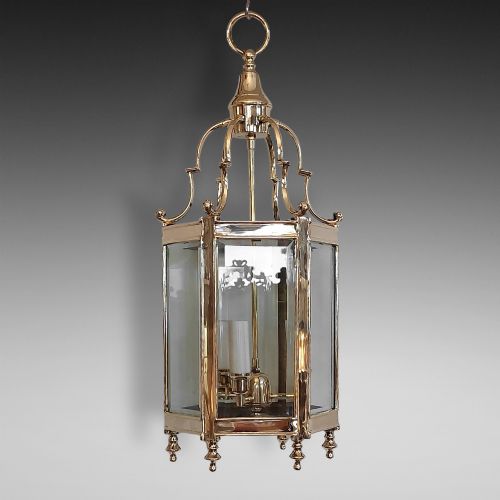
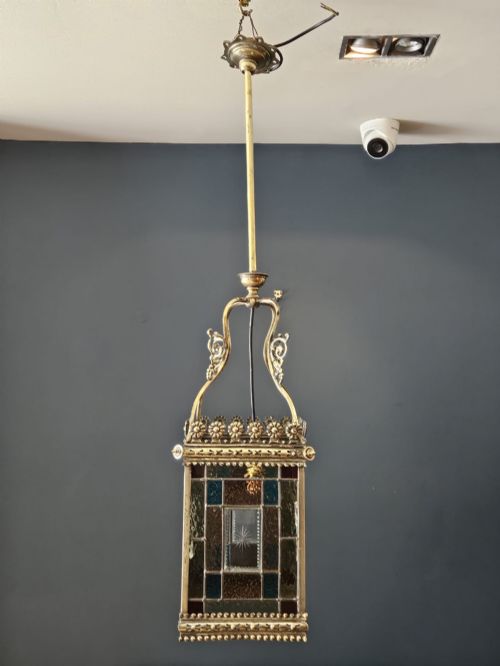
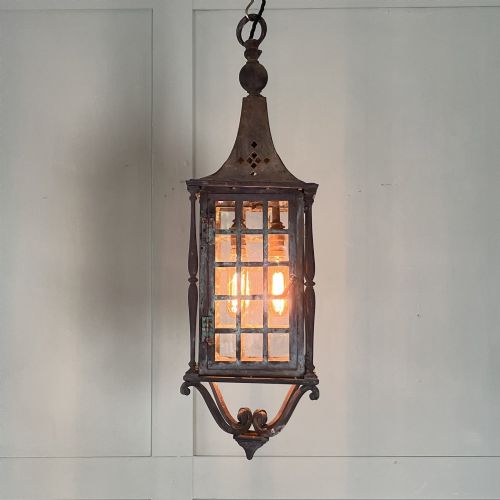
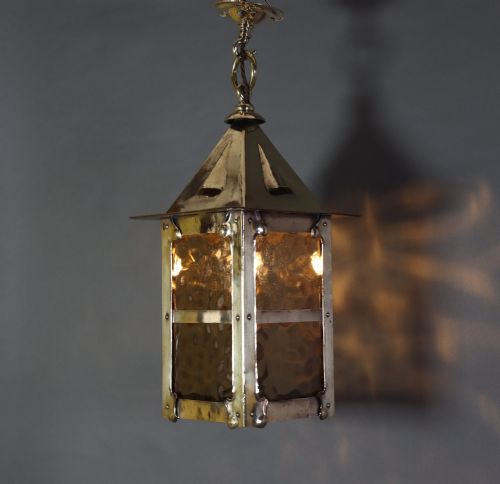
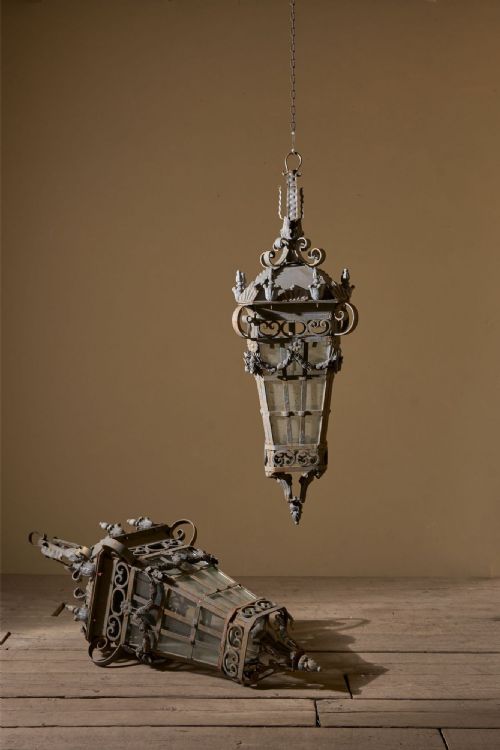
Behind the French lanterns sit English brass and copper frames, often hexagonal, some made for a porch, with flat, leaded or bevelled glass. Arts and Crafts and Art Nouveau lanterns in hammered copper or wrought iron with stained and leaded panels make up a smaller group again. Carved giltwood, toleware and Continental examples turn up once or twice rather than regularly.
Dating is tighter than in most lighting categories. Dealers' date fields run 1850 to 1940, and the interwar decades dominate: 257 listings dated to the 1920s and 160 to the 1930s, against 27 tagged Victorian. A "19th Century" label is a broad bracket rather than a year, and titles and date fields sometimes disagree.

Range And Weight
Material sets the floor and the ceiling. Cast gilded bronze frames, named in 104 titles, cluster through the upper half of the range and account for the four-figure entries, while thin brass frames with plain or etched glass fill the lowest rungs. Gilding over bronze carries weight in a way stamped brass doesn't.
Then it's a question of how much lantern you're getting. Three lights is the standard count and sits mid-range; four, five, six and seven-light examples climb from there, and twin-light fittings sit below. Scale works the same way, with `large` in 80 titles and words like monumental and oversized recurring among the highest-priced. A 95cm copper lantern and a 26-inch pair are the largest stated sizes.
Glass treatment separates the rest. Convex, cut, bevelled, crystal and hand-blown bulls-eye panels sit above plain, etched and frosted glass. Matched groups are their own sub-market: 93 titles are pairs, with a handful of sets of three, and they sit well above singles.
Antique Hall Lanterns Retail Price Guide 2026
Typical UK retail prices for hall lanterns, calculated from the Sellingantiques database of over a million retail prices indexed since 2003. This retail price guide relies exclusively on Sellingantiques data; no external sources or auction records are used, so the figures do not describe the wider market.
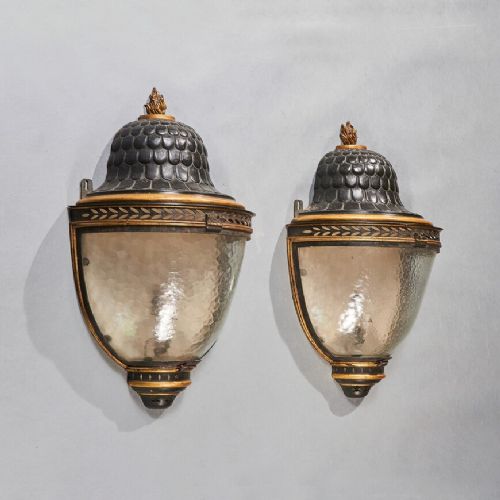
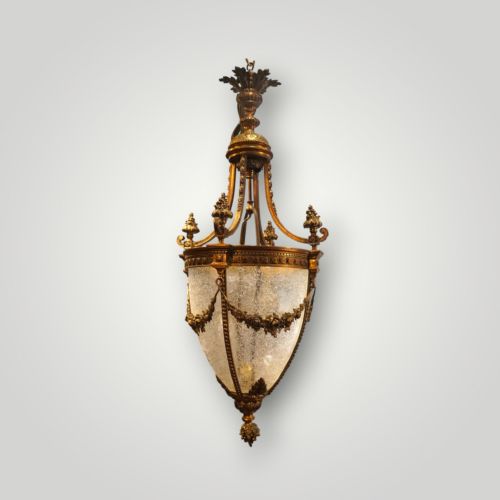
Once in a blue moon the metal is left behind altogether: carved giltwood Florentine and Venetian hangers, painted toleware, and scarlet japanned wall lanterns.
The Antique Hall Lanterns Glossary
- Convex
- Outward-bowed glass panels rather than flat ones, in 150 titles and almost always paired with a gilded French frame.
- Triple light
- Three bulb holders inside the frame, the commonest count at 164 titles, with twin, four, five, six and seven-light versions also listed.
- Gilded bronze
- A cast bronze frame with gold-coloured gilding over it, sometimes called ormolu, and the top-weight material in the category.
- Hexagonal
- A six-sided frame, named in 35 titles and a recurring shape among English brass and porch lanterns; octagonal, five-sided and circular frames appear too.
- Leaded glass
- Coloured or clear panels held in lead cames, the usual glazing on the Arts and Crafts and Art Nouveau lanterns; `stained glass` appears in 24 titles.
- Toleware
- Painted sheet metal, seen on a handful of French and Florentine lanterns, occasionally in polychrome finishes.
Antique Hall Lanterns: Frequently Asked Questions
Are hall lanterns wired for electricity?
Almost all of them are. The form outlived candle and oil light, and by the interwar decades the lantern was an electric ceiling fitting. Isolated titles mention gas or candles.
Only 24 titles say `rewired`, so most listings don't state wiring history one way or the other.
What does convex mean on a hall lantern?
The glass panels curve outward rather than sitting flat. It's a French trait above all, and `convex` runs through 150 titles, nearly always alongside a gilded frame.
Flat, bevelled and leaded panels are the alternative, and they turn up more on English and Arts and Crafts frames.
How old are most hall lanterns for sale?
Dealers' date fields run from 1850 to 1940, with 543 of 710 listings carrying a clean year. That's a tighter profile than most lighting categories.
The interwar decades dominate: 257 listings dated to the 1920s and 160 to the 1930s. Victorian and 1880s tags are thin by comparison.
Where a listing says only "19th Century", read it as a broad bracket rather than a year.
Where were antique hall lanterns made?
France supplies the majority, with `french` in 394 of 710 titles. England accounts for 51 titles, mostly brass and copper frames.
Italy, Florence, Venice and the Netherlands appear only in single figures. Plenty of titles name no origin at all.
Do hall lanterns come in pairs?
Yes, and matched groups are a real part of the market. Pairs appear in 93 titles, with 54 of those French, and a handful of sets of three also come up.
They sit at the upper end of the range, above comparable singles.
Which makers signed antique hall lanterns?
The archive doesn't carry them. Firm names show up only as one-off mentions in individual titles, never often enough to stand for the category.
What listings describe instead is material, glass, light count and origin. Some titles use phrases like "in the manner of" or name a style such as Regency, which describes the look rather than the maker or the date.