


Antique Light Shades
Glass and metal covers made to soften and direct the light of an oil flame, a gas jet or an early bulb, and shield the eye from it.
What Are Antique Light Shades?
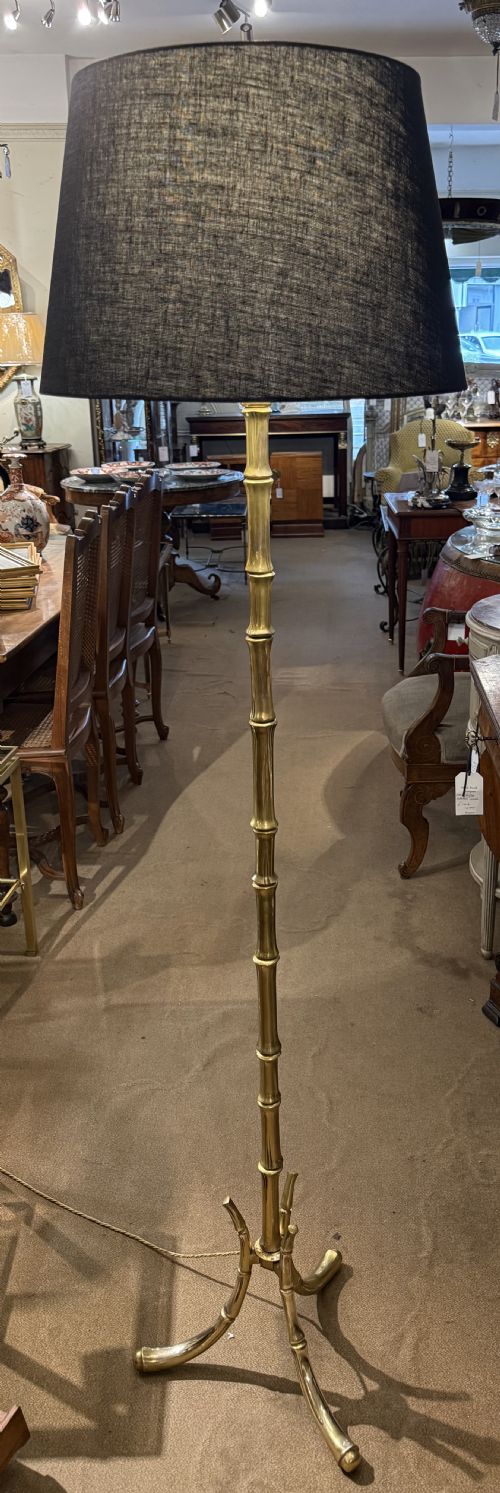
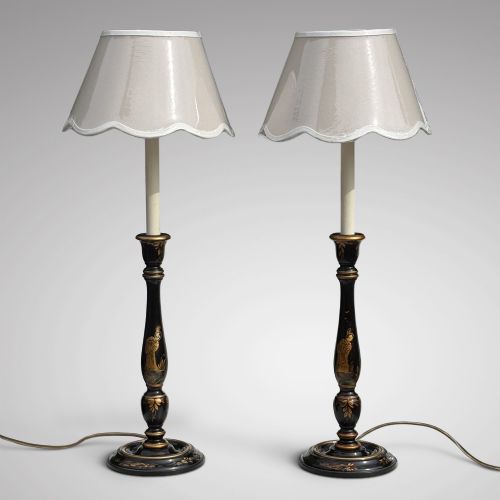
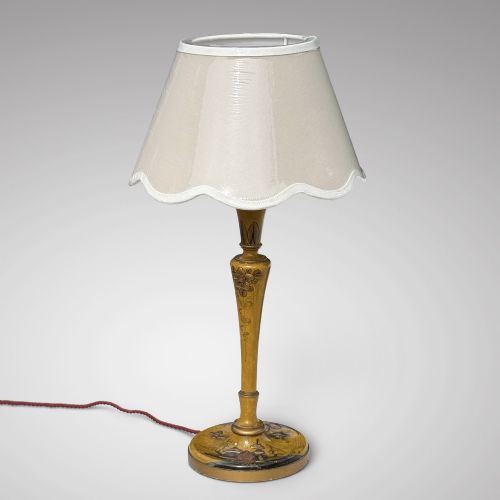
The heading says shades, and bare shades do turn up, but what dominates this category is the complete fitting sold with its shade. Of 1,280 listings on Sellingantiques, 720 titles say lamp: table lamps, pendants and ceiling lights, oil lamps, desk lamps, standard and floor lamps. Standalone shades account for 125 titles.
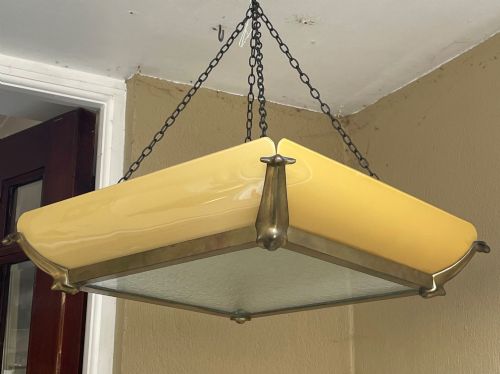
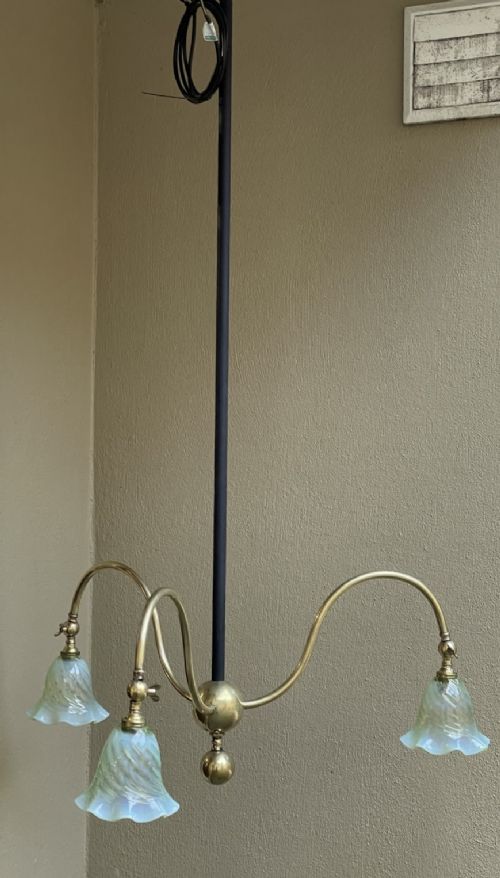
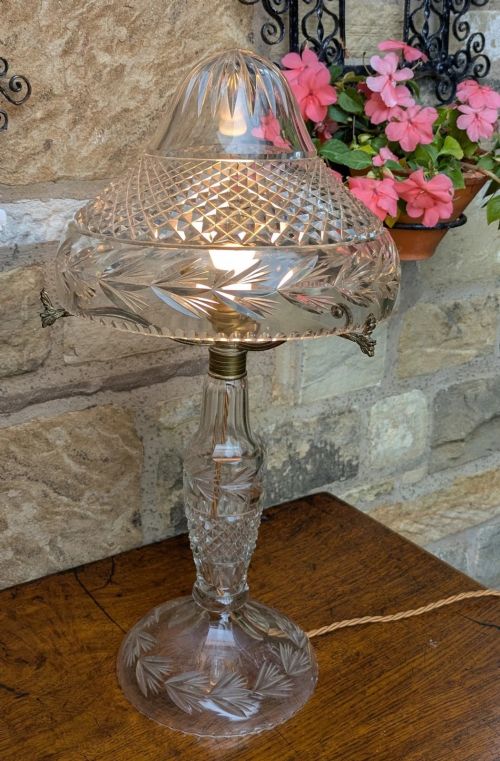
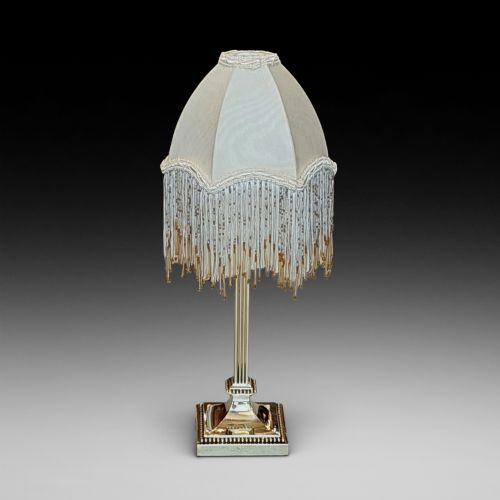
The commonest form is a brass-based electric fitting with a glass shade. Brass is the leading material word, glass the leading shade material. Two blocks stand out: table lamps, often on a column, and hanging lights on chain, rod or flex. Rewired appears in 154 titles, PAT tested in 38.
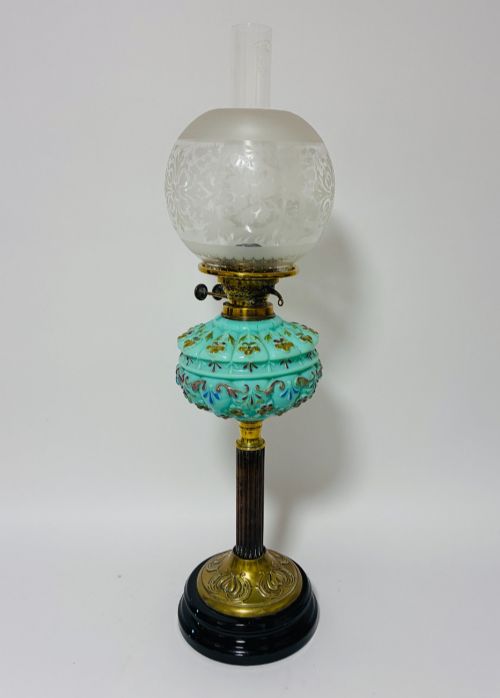
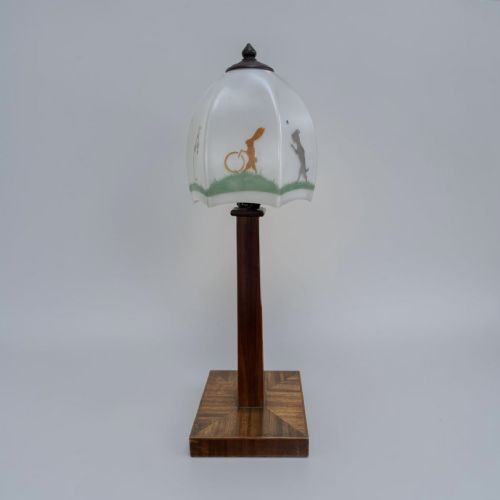
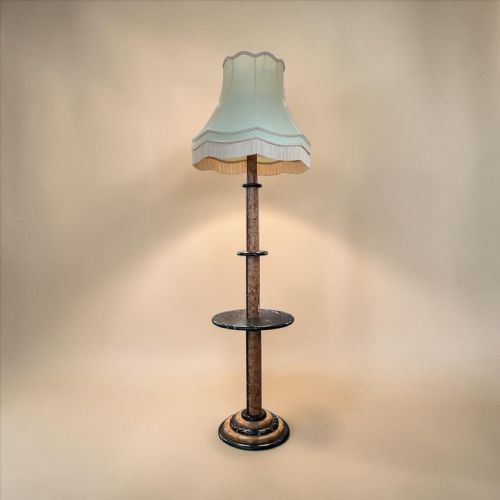
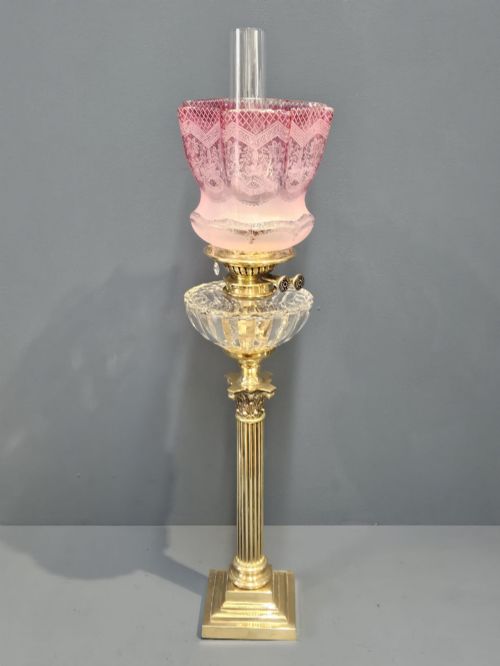
Around it sit the other seams. Oil and paraffin lamps, many converted to electricity, with duplex burners and cranberry founts. Art Deco and Art Nouveau lighting in chrome, bakelite and alabaster, including slip-shade and clam-shell forms. Desk, standard and floor lamps, often adjustable. And Chinese, Japanese and Continental vases turned into lamps, a small group that sits at the top of the range.
Purpose-made shades came in with domestic oil and gas lighting in the 19th century, and the electric era from the 1880s carried the same shapes over. That history shows in the dates: 828 listings carry a clean year, running 1800 to 1940, with the 1920s and 1930s the two busiest decades by a wide margin. Plenty are dated by era instead, as 19th Century, Edwardian or Victorian, and those labels are approximate. Georgian and 18th-century pieces appear only as scattered outliers.
Where The Range Widens
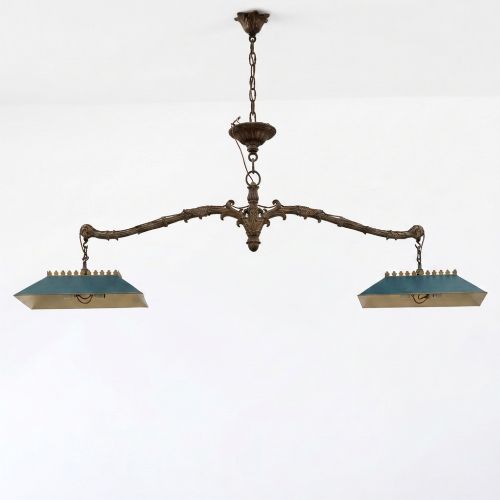
Two things separate the top from the bottom, and neither is subtle. Scale is one: the largest pieces here are architectural rather than domestic, and they state their size in the title. Billiard and snooker lights, 26-inch hall lights, a 24-inch rise-and-fall chandelier, a pair of porcelain vase lamps standing 90cm. At the other end the category reverts to its own name, a single green glass ceiling shade or a pair of shades with no fitting at all.
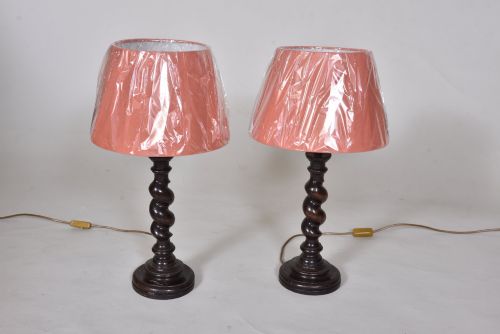
The second is multiples. Pair appears in 193 titles, and paired examples sit consistently above singles of the same form. Sets go further: four large prismatic shades with their fittings, four industrial ceiling lights, a six-branch billiard light. Dealers put the word in the title because it does the work.
After that it comes down to what the thing is made of and whether the shade belongs to it. Plain brass fills the middle; bronze, gilt, ormolu, marble, onyx, alabaster and Oriental porcelain gather at the upper end, with figural spelter and cast bronze bases among the highest-priced sampled. Named shade glass lifts a fitting too, with prismatic ribbed, cut glass, cranberry, vaseline, moonstone and opaline all called out by name. "Original shade" is a distinction dealers make in the title, and at least one title says instead "with New Shade".
Retail Price Guide 2026
Typical UK retail prices for light shades, calculated from the Sellingantiques database of over a million retail prices indexed since 2003. This retail price guide relies exclusively on Sellingantiques data; no external sources or auction records are used, so the figures do not describe the wider market.
The top sale of the last year on Sellingantiques was an Art Nouveau bronze snake lamp with an iridescent glass shade, in March 2026.

The Antique Light Shades Glossary
- Shade
- The glass, ceramic or fabric cover over the light source. "Original shade" in a title means the one the fitting is believed to have come with.
- Gallery
- The metal ring or cup that holds the shade to the fitting, named in many pendant titles.
- Rewired
- Old flex replaced with new. The word appears in 154 titles, usually on pendants and table lamps.
- Holophane
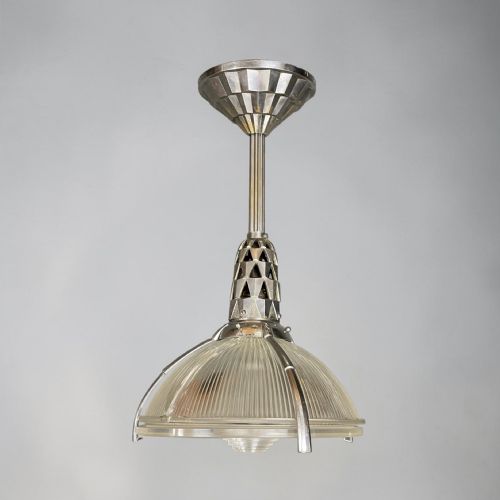
- Ribbed prismatic glass made to spread light, and the most-named shade type in the category at 44 titles. One sampled pendant is stamped 1909.
- Plafonnier
- A shallow bowl shade fixed close to the ceiling or hung flat below it.
- Pullman lamp
- A small adjustable brass lamp of railway-carriage type, usually with a ceramic or glass shade.
Frequently Asked Questions
Are these shades on their own or complete lamps?
Mostly complete fittings. Lamp appears in 720 of the 1,280 titles, brass in 407 and glass in 278, so the usual thing on offer is a base or a pendant sold with its shade.
Bare shades do exist in the category. Shades appears in 125 titles and glass shades in 32, and a pair of shades with no fitting sits at the bottom of the range.
What period does most of this lighting come from?
The 19th and early 20th centuries. Of the listings with a clean year, the range runs 1800 to 1940, and the 1920s and 1930s are the two busiest decades by a clear margin, followed by the 1910s and 1900s.
A large slice carries an era label rather than a year: 19th Century in 154 titles, Edwardian in 116, Victorian in 83. Those are approximate, and some sampled titles carry a century label that sits oddly with the description or the dated field.
Which shade glasses get named by dealers?
Ribbed prismatic glass leads, in 44 titles. Moonstone, opaline, cut glass, vaseline and cranberry all recur, and colour gets named often for such short titles: cranberry in 53, vaseline in 35, blue in 32, with amber, ruby and peach in the samples.
Where a named glass appears, it tends to sit above a plain frosted equivalent of the same shape.
Do many listings say rewired or PAT tested?
Rewired turns up in 154 titles, PAT tested in 38. Both cluster on the ready-to-hang stock, meaning pendants, ceiling lights and table lamps.
They appear far less on unconverted oil lamps and on bare shades, which come to market as objects rather than working fittings.
What are the biggest pieces in this category?
Architectural lighting rather than domestic. Billiard and snooker lights, 26-inch hall lights and a 24-inch rise-and-fall chandelier sit at the very top, along with a pair of porcelain vase lamps standing 90cm.
Large appears in 74 titles, and the biggest sampled pieces state their dimensions in the title.
Is this category the province of a few specialists?
No. Around 143 listings a year come to market on Sellingantiques, and 181 different dealers have listed in the category.
That breadth shows in the stock. Alongside the brass table lamps and glass pendants sit one-offs: an oil lamp with a terrestrial globe as its shade, a copper railway hanging lantern, a newel-post lamp with an acid-etched shade, and a cast-iron "witches hat" ceiling light from a named country house.