
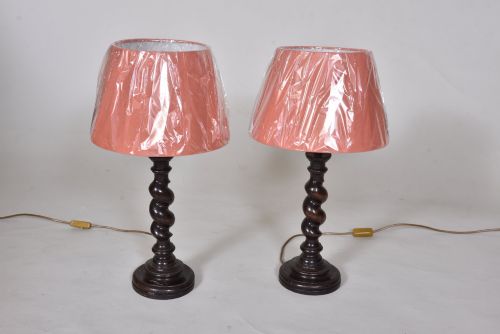
Antique Desk Lamps
Electric lamps made to light a writing surface, from brass adjustable and bankers patterns to the table lamps and converted vases and candlesticks dealers list beside them.
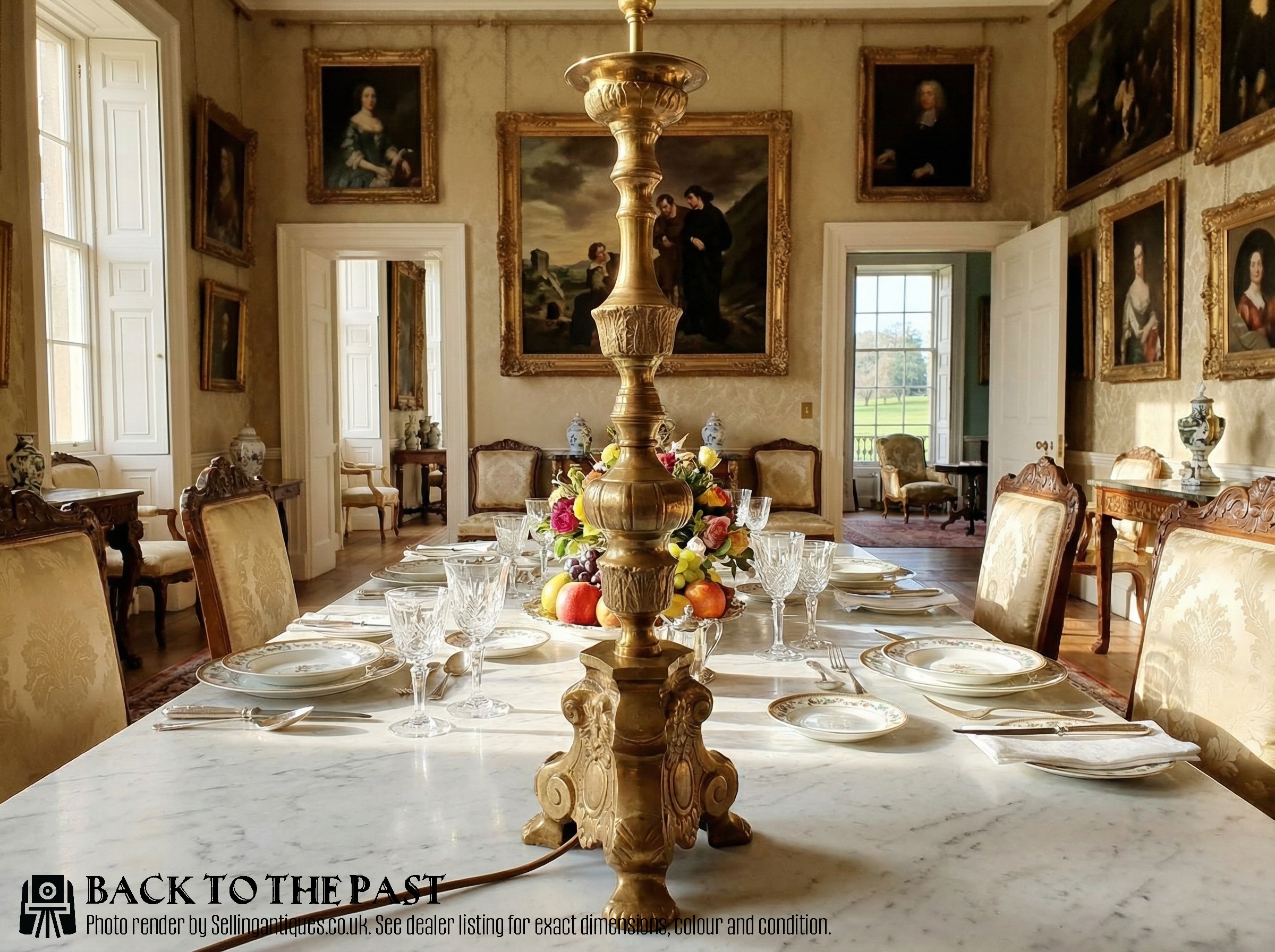
Antique Desk Lamps
The default object is a brass lamp of roughly 1900 to 1935, described as a desk lamp or a table lamp depending on the dealer. Those two words overlap constantly in titles, so the heading covers both: purpose-made adjustable and hooded desk fittings, and decorative table lamps that happen to sit on a desk. Brass runs through about a third of titles and "table" through a similar share.
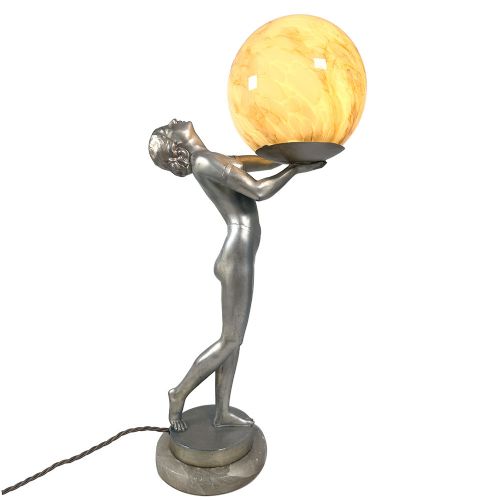
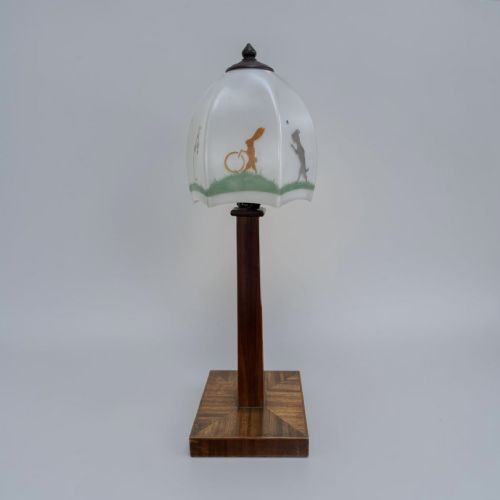
The largest single group is brass and adjustable: rise-and-fall columns, bankers lamps with a low hood over a horizontal bar, and the Pullman, piano, student, barrister and clip-on patterns. After that come Art Deco and machine-age metal lamps in chrome and bakelite, gooseneck and swan-neck stems and figural lady lamps, about one in seven of everything listed.
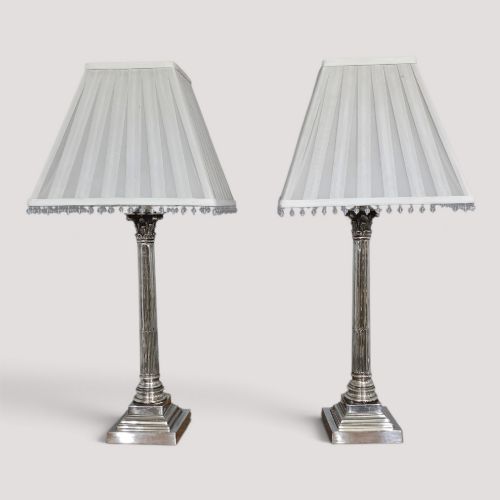
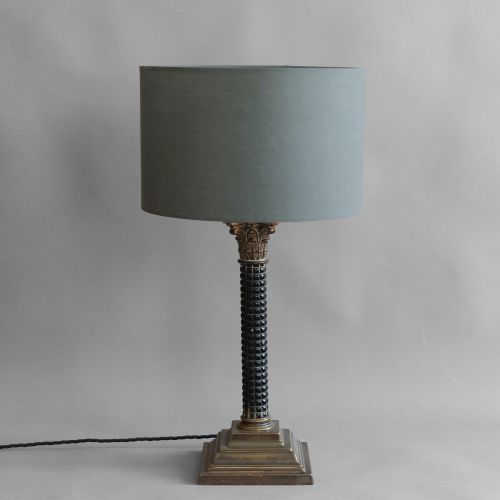
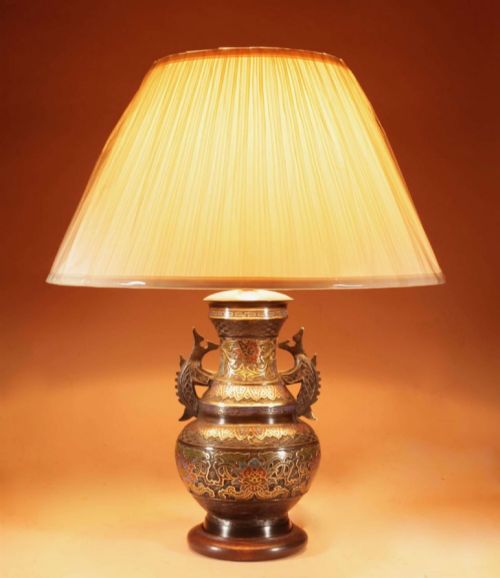
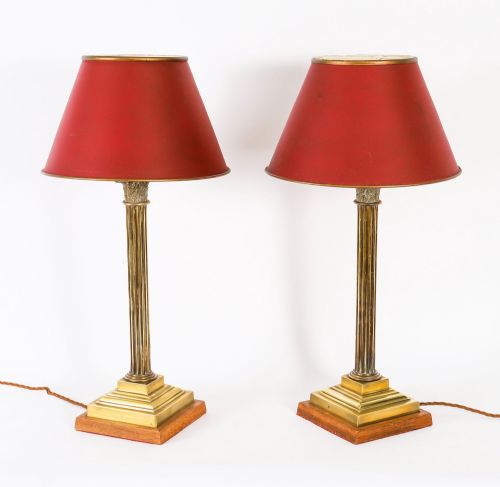
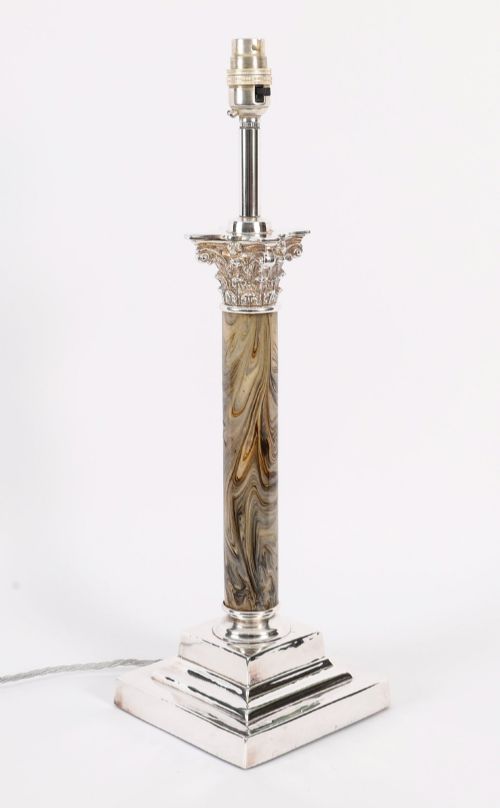
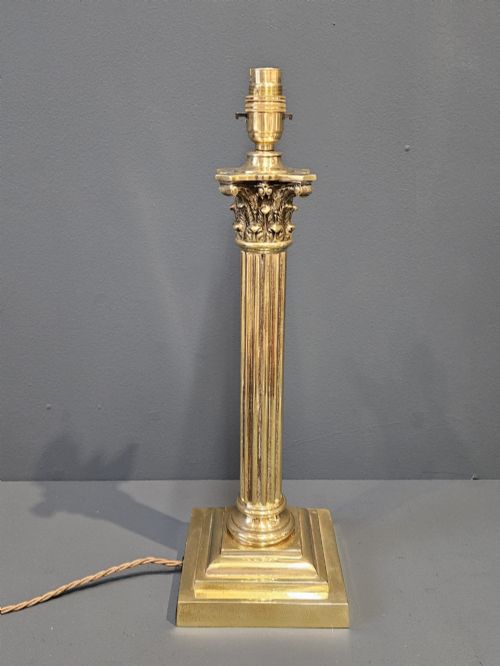
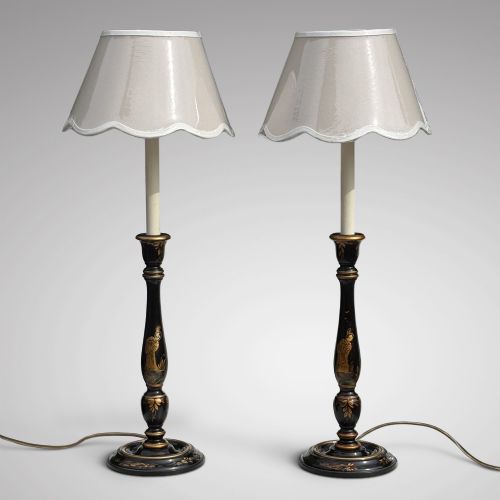
A smaller seam is classical: Corinthian, Doric and Ionic column bases in brass, silver plate or with onyx mounts. Conversions are a recurring theme throughout, with candlesticks, candelabra, oil lamps, bronze ewers and Chinese and Japanese porcelain vases all wired for electricity. Purpose-made desk lamps followed domestic and office supply; earlier oil and candle reading lamps did the same job and were converted once supply became general.
Dates run 1800 to 1960, with the bulk between 1900 and 1939. The 1920s is the busiest decade, the 1930s next. Older stock is ranged rather than pinned: "19th Century" is used far more often than any single decade of it, so a Victorian date here usually means a span. Pairs and near-pairs make up about one in six overall, and a higher share of current stock.
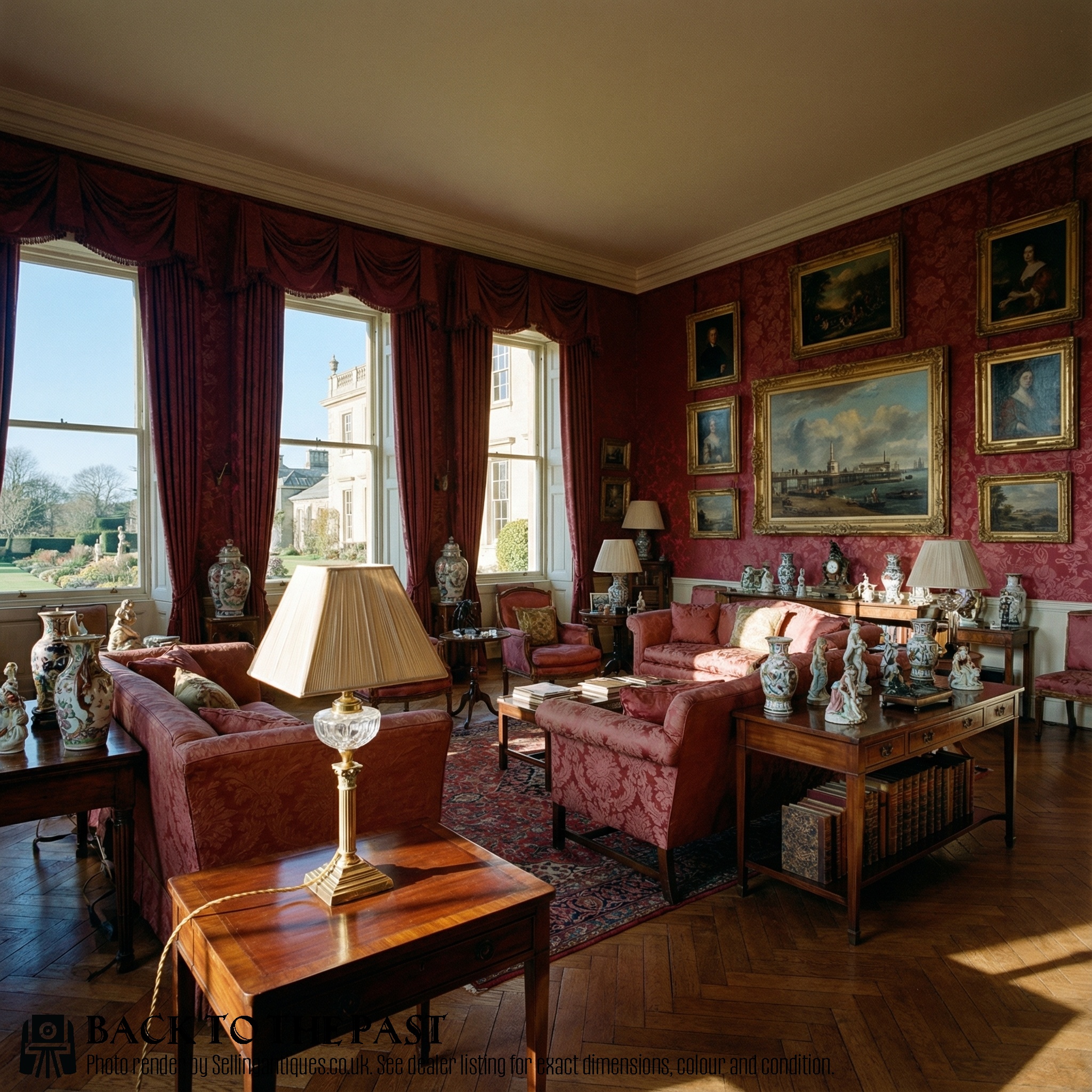
Where The Range Splits
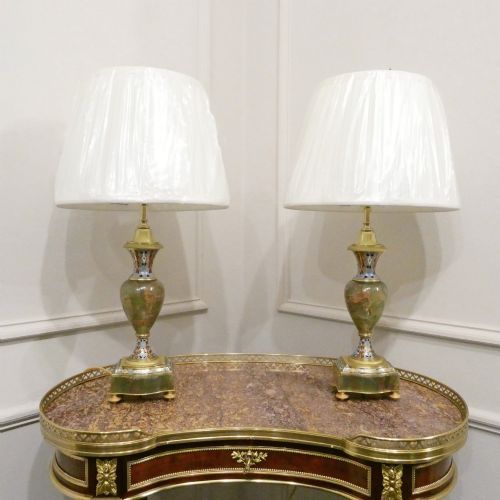
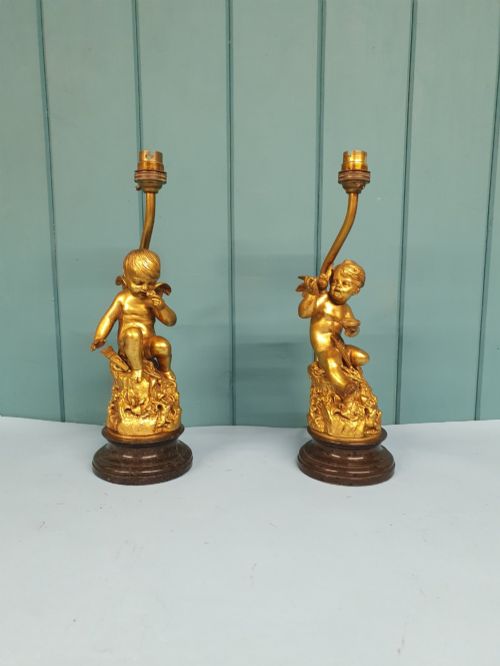
Material of the base does most of the work. Gilt bronze, ormolu, marble and silver cluster at the top, and the highest-priced end is held almost entirely by pairs of 19th-century Chinese and Japanese porcelain and cloisonné vases converted to lamps, along with French ormolu and gilt bronze. Brass, chrome and spelter spread across the whole range; small marble, chrome and clip-on lamps sit at the bottom.
One lamp against a matched pair is the next divide, and it is a sharp one. Pairs, near-pairs and the occasional set of four dominate the upper half of the range, which is why so many listings lead with the word.
Then mechanism and shade. A working adjustable, rise-and-fall, articulated or gimbal action lifts an otherwise plain lamp above a fixed one. So does a named original shade, whether silk, opaline, vaseline, cranberry, milk glass or reverse-painted ceramic. Scale counts too: large and tall examples sit above small ones.
Antique Desk Lamps Retail Price Guide 2026
Typical UK retail prices for desk lamps, calculated from the Sellingantiques database of over a million retail prices indexed since 2003. This retail price guide relies exclusively on Sellingantiques data; no external sources or auction records are used, so the figures do not describe the wider market.
Desk lamps have been listed on Sellingantiques since 2010, with more than three hundred through the archive since then.
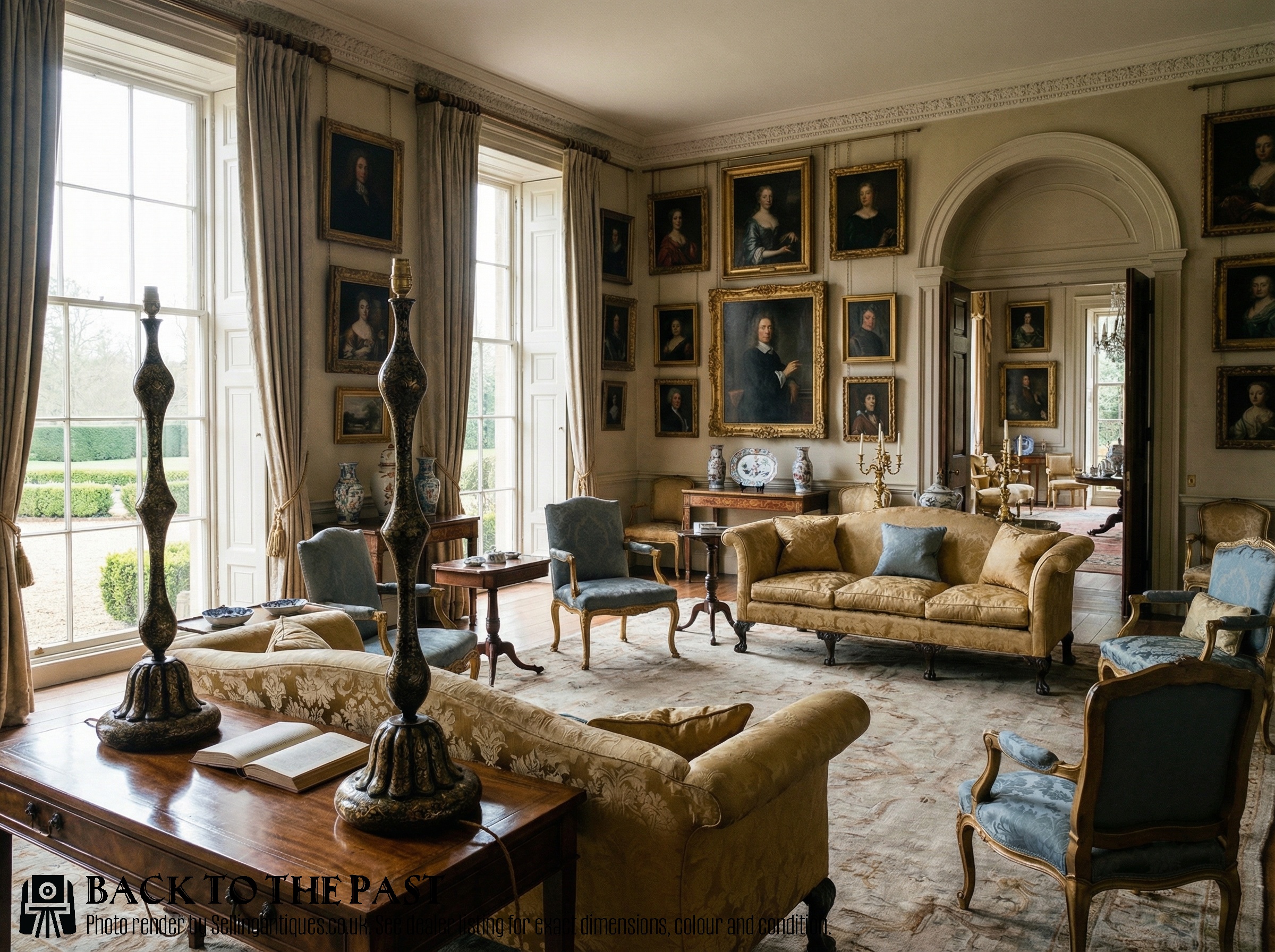
Pirouette
The Antique Desk Lamps Glossary
- Bankers lamp
- Desk lamp with a low hood or shade over a horizontal bar, commonly brass with a green glass shade. It appears in 56 titles, making it the most-named single pattern.
- Rise and fall
- A column mechanism that lets the shade be raised or lowered over the desk. "Rise" and "fall" each turn up in 23 titles.
- Adjustable
- Used of any lamp with a movable arm, stem or height. It sits in 110 titles and is far more common in the archive than in current stock.
- Pullman lamp
- Small bracket or clip lamp of railway-carriage pattern, often fitted with an opaline or vaseline shade.
- Corinthian column
- A base modelled as a classical column with an acanthus capital. Forty titles pair the two words, and Doric and Ionic versions turn up alongside.
- Bouillotte
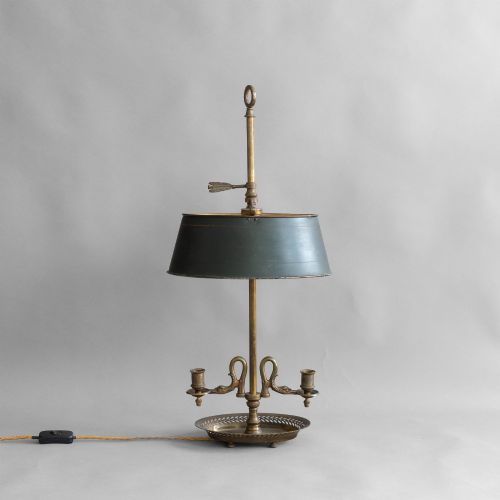
- Multi-branch candle-form lamp with an adjustable tole shade, tole being painted sheet metal. Several appear in the listings.
Antique Desk Lamps: Frequently Asked Questions
What's the difference between a desk lamp and a table lamp?
In this category, not much. Dealers use both terms for the same objects, and the two words overlap constantly in titles, with "table" appearing in a little under two-fifths of them.
The purpose-made desk patterns are the ones with a mechanism: adjustable arms, rise-and-fall columns, clip-on and bracket fittings. Decorative column and vase lamps are more often called table lamps, but they get listed as desk lamps too.
How old are most of these lamps?
The dated listings run from 1800 to 1960, and the bulk falls between 1900 and 1939. The 1920s is the busiest single decade, followed by the 1930s.
Edwardian, Victorian and "19th Century" all appear as named periods. A handful of sampled entries reach much further back, including 18th-century Spanish and 17th-century Flemish and Japanese material.
Why do so many listings say 19th century rather than a date?
Because that is how the older stock is described. "19th Century" is used in 145 listings, against roughly twenty apiece for the 1880s and 1890s and fewer still for the 1870s.
A 19th-century date here means a range rather than a year.
Are converted oil lamps and vases common in this category?
They are a steady minority and turn up throughout. Candlesticks, candelabra, oil lamps, bronze ewers, conch shells and Chinese and Japanese porcelain vases all appear wired as lamps.
Earlier oil and candle reading lamps did the same job as an electric desk lamp, and conversion was the natural step once supply became general. Converted vases carry the top of the range, particularly in pairs.
Do these lamps carry maker's marks?
Rarely. Across more than a thousand listings on Sellingantiques, only one name reaches three different dealers, which makes this an overwhelmingly unsigned category.
Where a name does appear it is stamped or given as an attribution. Most lamps are catalogued by form, material and period instead: brass bankers, chrome Art Deco, Corinthian column.
Which patterns come up most often?
Brass adjustable lamps lead, roughly a third of titles between them. Bankers lamps are the most-named single pattern, and rise-and-fall columns follow.
Art Deco and machine-age metal lamps in chrome and bakelite are about one in seven. Pullman, piano, student, barrister and clip-on patterns recur, along with a small persistent nautical and transport seam of ships' gimbal lamps and the like.