


Art Deco Lights
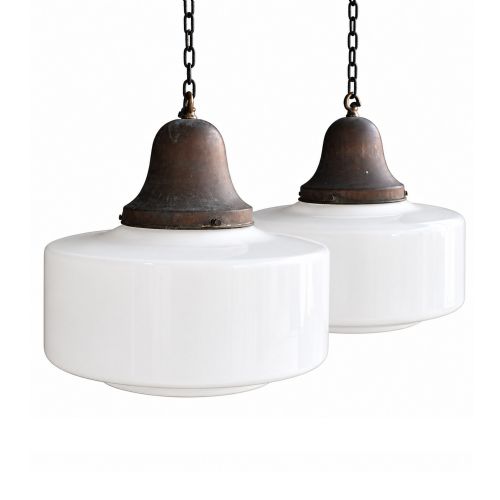
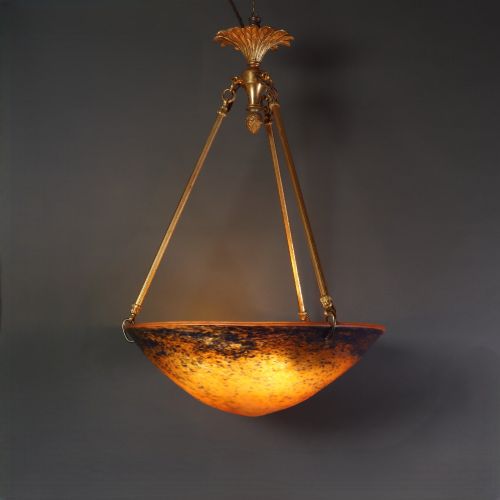
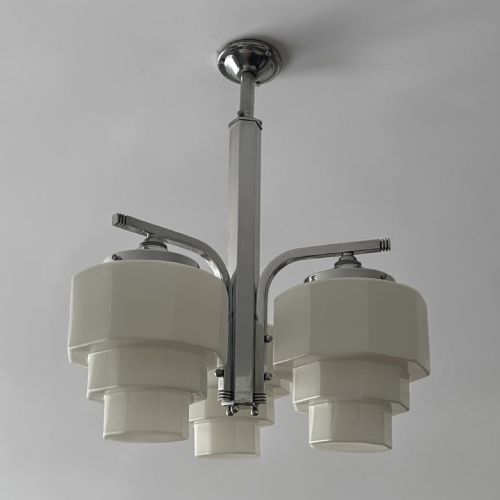
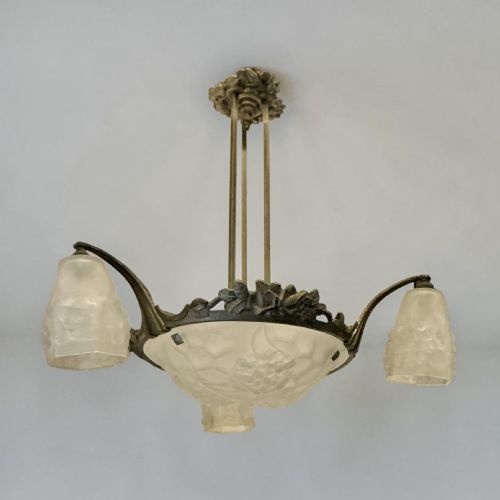
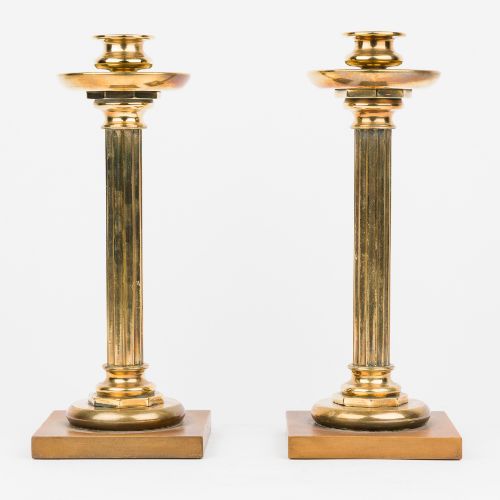
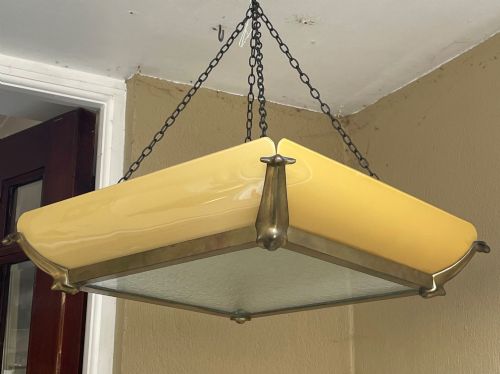
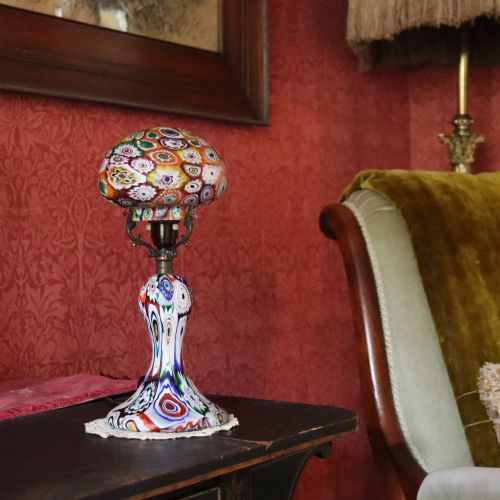
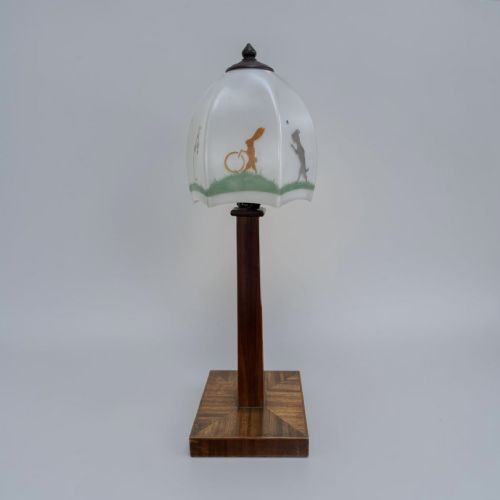
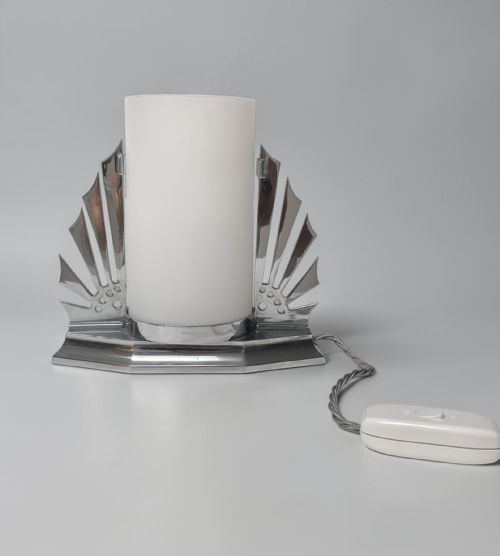
Electric light fittings for the home in the geometric style of the 1920s and 1930s, made for every position in a room: ceiling, wall, table, desk and floor.

Art Deco Lights
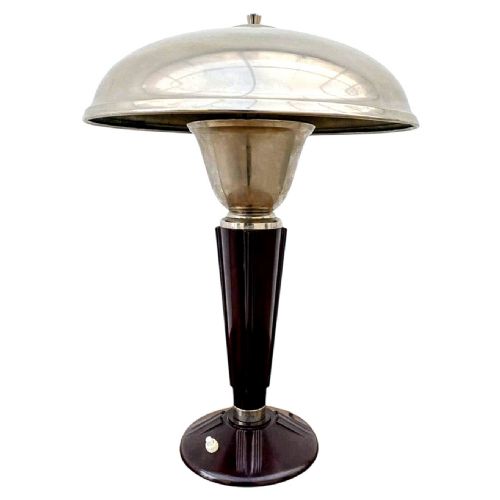
Electricity replaced gas and oil in the home during the interwar years, and the Art Deco style gave the new fittings a decorative language of stepped, geometric and streamlined shapes. The materials named in these listings are chrome above all, then glass in its crystal, opaline, frosted and opalescent forms, Bakelite and Catalin, brass and copper, spelter and bronze, marble, onyx and alabaster, with oak and walnut for the standing pieces.
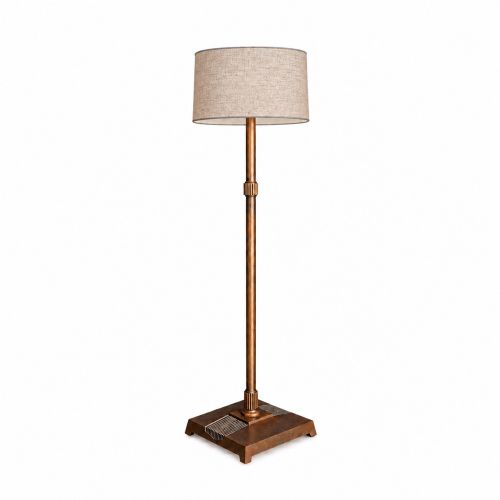
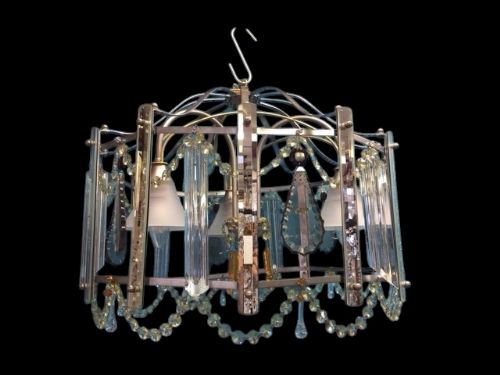
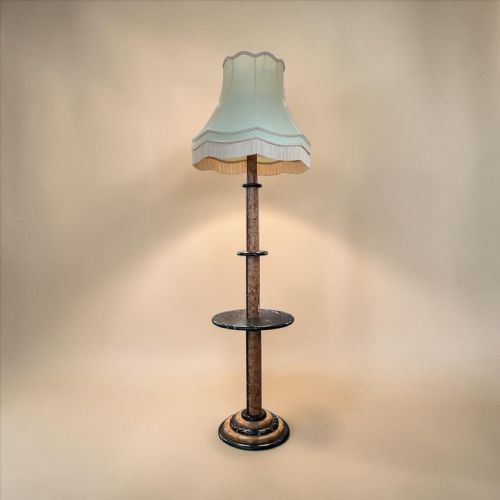
A single table lamp is the commonest thing in the category, and "lamp" turns up in more titles than any other word. Wall lights and sconces are the next block, then ceiling lights, plafonniers and pendants. Behind those sit two smaller runs: tiered crystal glass chandeliers, largely described as Italian, and standard and floor lamps in oak, walnut, sycamore and satinwood.
Pairs and sets are a defining habit here. One in five titles describes a pair, and the archive on Sellingantiques runs on to matching sets of three and four wall lights, a six-branch chandelier, a suite of clam-shell frosted glass lights and a suite of fittings sold together. Singles get flagged as singles.
Dates cluster hard. Of the listings carrying a clean year, the 1930s alone account for well over a thousand and the 1920s for a few hundred more, with only thin tails either side. Titles often hedge with a circa, and some dealers fill the date field with the style name instead, so a stated year is best read as a decade. French and Italian are the only country labels used at any scale.
Where The Range Splits
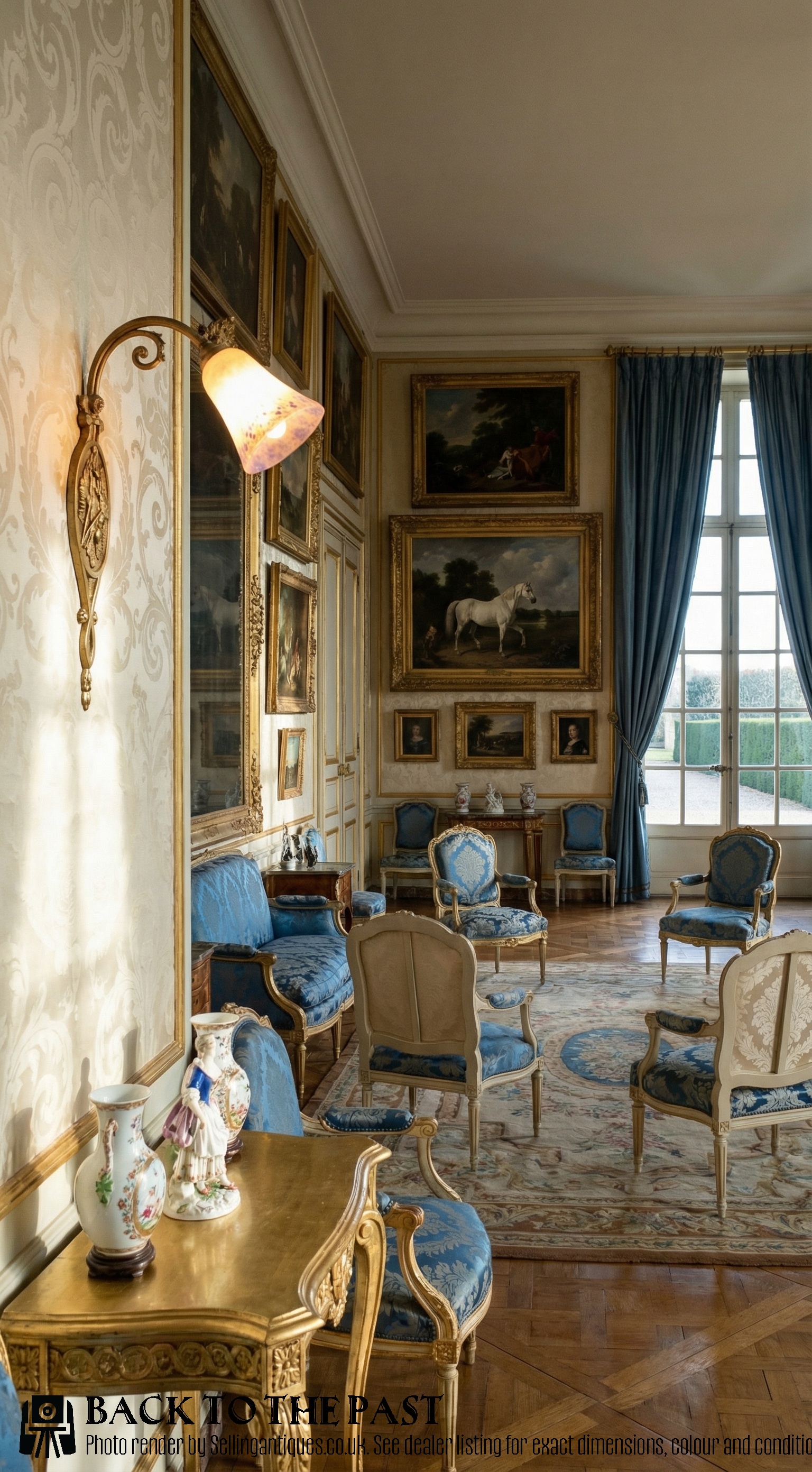
Count comes first. A pair sits above a single of the same design, and sets of three and four wall lights or sconces sit above the pair. On the tiered crystal chandeliers the same logic runs vertically: three-tier examples fill the lower stretch, four-tier climb, and five- and six-tier sit higher again. Scale works the same way, with large, huge and monumental appearing in the upper reaches.
Material sorts the middle. Chrome and Bakelite fill the lower and middle ground, in the numbers you'd expect from how many there are. Solid and plated silver, bronze and carved alabaster sit above them, and alabaster is the scarcest of the named materials for hanging work, appearing as a small group of pendant, dish and four-arm ceiling lights.
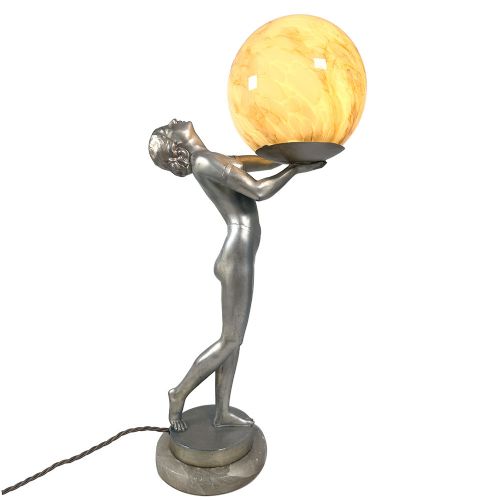
Figural work spreads across the whole range. At one end are small spelter mood lamps and night lights modelled as panthers, elephants, a fox, a greyhound, seagulls and a stag. At the other are large sculptural lady lamps and a carved alabaster lady. Titles that name a glasshouse or designer sit above the anonymous run of the same forms, and the highest piece in the archive is a monumental chandelier said to come from a named London building.
Art Deco Lights Retail Price Guide 2026
Typical UK retail prices for art deco lights, calculated from the Sellingantiques database of over a million retail prices indexed since 2003. This retail price guide relies exclusively on Sellingantiques data; no external sources or auction records are used, so the figures do not describe the wider market.
The top sale in this category on Sellingantiques was an Art Deco 1.22 carat old cut diamond engagement ring, circa 1930, which sold in July 2021.
Pirouette
The Art Deco Lights Glossary
- Plafonnier
- A shallow bowl or dish shade hung close to or flush with the ceiling. The word is used constantly for French ceiling fittings in this category.
- Sconce
- A wall-mounted light. It appears in a few dozen titles, generally of pairs and sets rather than singles.
- Opaline
- Semi-opaque milky glass, named in around forty titles and common for pendant and wall shades.
- Tier
- A ring or layer of hanging glass on a chandelier. Three tier through to six tier appear, with three tier by far the commonest.
- Odeon style
- Dealers' shorthand for the stepped, cinema-influenced silhouette, used of standard lamps and wall lights.
- Lady lamp
- A figural lamp with a female figure as the stem or subject, in spelter, bronze or alabaster. Close to fifty titles use the phrase.
Art Deco Lights: Frequently Asked Questions
What kind of light is most common in this category?
Table lamps. The word "lamp" appears in nearly half of all titles, and "table lamp" in a good share of those, with chrome the metal named most often.
After table and desk lamps come wall lights and sconces, then ceiling lights, plafonniers and pendants. Chandeliers and standard lamps make up smaller runs.
Are these lights really from the 1920s and 1930s?
Overwhelmingly, yes. Of the listings with a clean year, the 1930s take more than a thousand and the 1920s nearly three hundred, leaving very little in the 1940s, 1910s or 1900s.
A handful of entries read Edwardian or 19th century. Set against electric fittings, those look like loose use of the date field rather than dated objects.
Why are so many sold in pairs?
Wall lights and sconces were fitted in matching positions around a room, so they came in twos, threes and fours and often survive that way. One in five titles here describes a pair.
Beyond pairs, the archive holds sets of three and four, a six-branch chandelier, and suites of fittings sold as one lot.
What is a plafonnier?
A shallow bowl or dish shade that hangs close to the ceiling or sits flush against it. The term turns up throughout these listings, mostly for French fittings.
It sits alongside pendants, which hang on a longer drop, and chandeliers, which carry branches or tiers of glass.
Which materials appear most in Art Deco lighting?
Chrome leads, named more often than any other metal. Glass follows in its crystal, opaline, frosted and opalescent forms, then Bakelite and Catalin, brass and copper, spelter and bronze.
Marble, onyx and alabaster show up as bases and shades, and oak, walnut, sycamore and satinwood appear on the standard and floor lamps.
Do these lights carry maker's names?
Rarely. The vast majority of titles name no maker at all, and the category runs largely on anonymous forms repeated in different metals and glass.
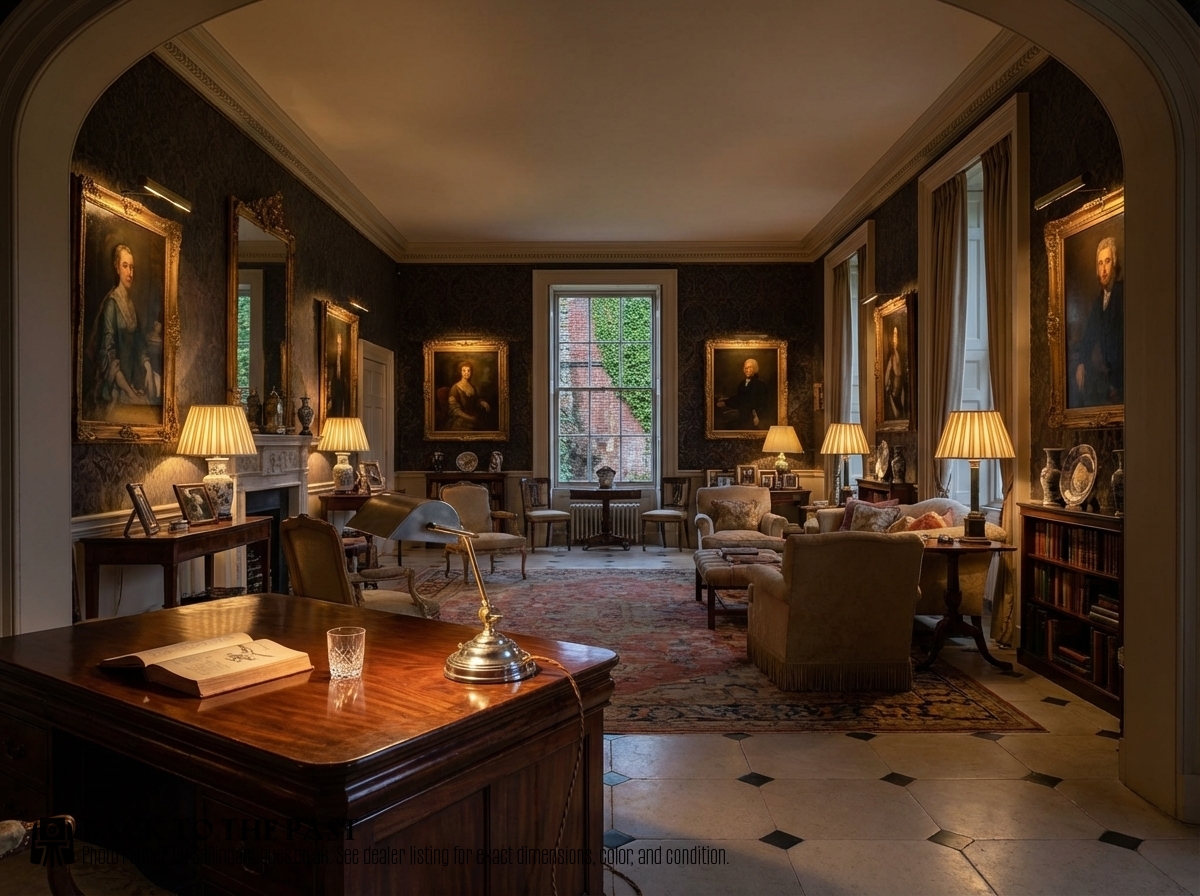
Where a glasshouse or designer is named or attributed, those pieces sit above the unnamed run of the same shapes. Pirouette is the name that recurs in these listings.
Signatures and stamps are not a general feature of the group.