



Arts and Crafts Ceiling Light
These arts and crafts ceiling light fixtures bring honest metals and leaded glass into domestic spaces, rewarding those who prize solid materials.
Arts and Crafts Ceiling Light
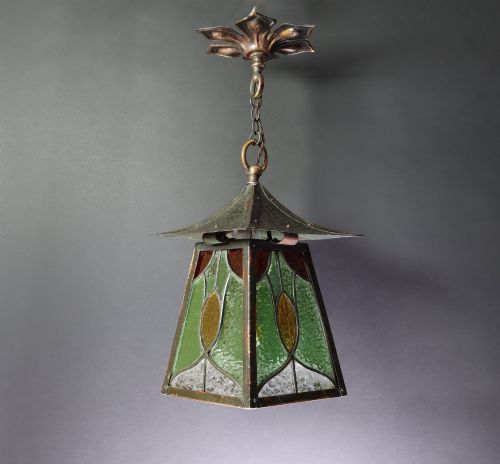
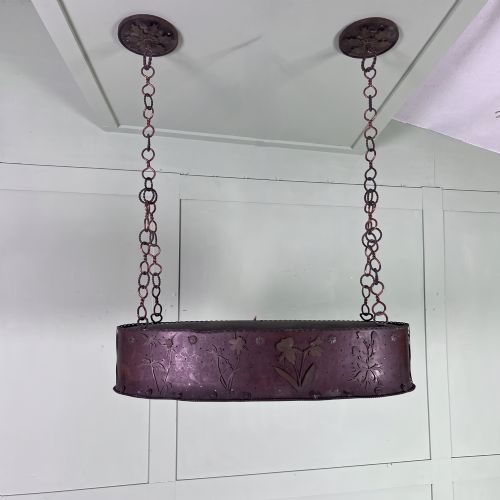
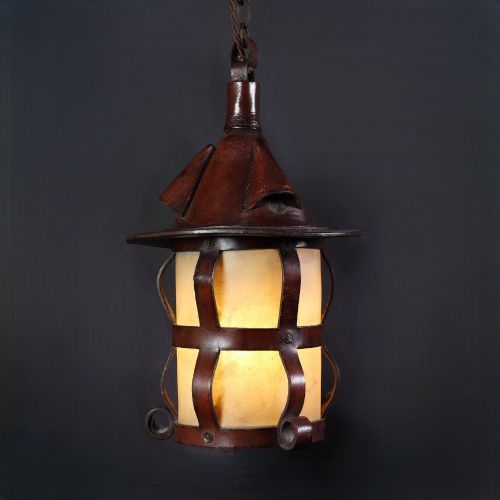
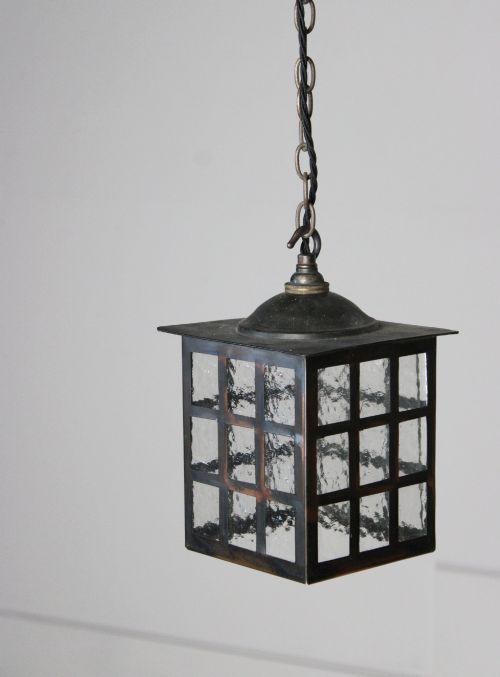
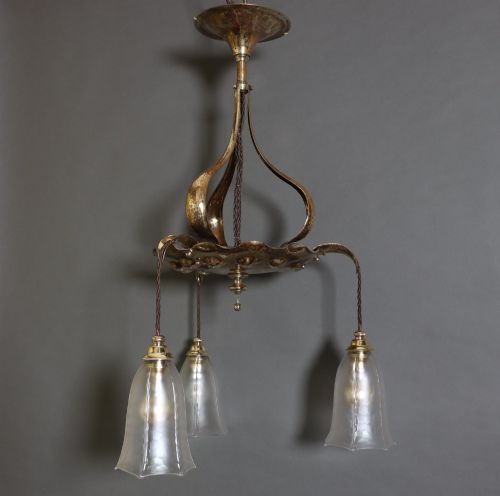
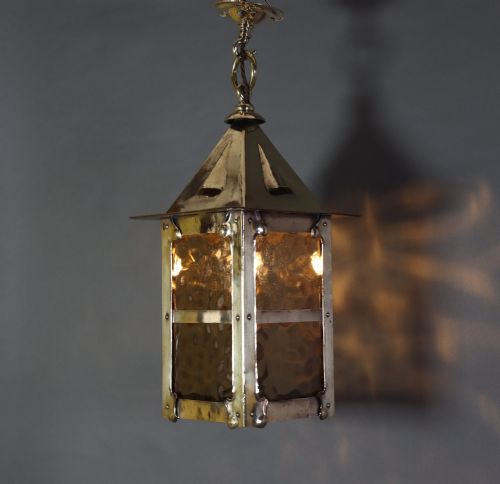
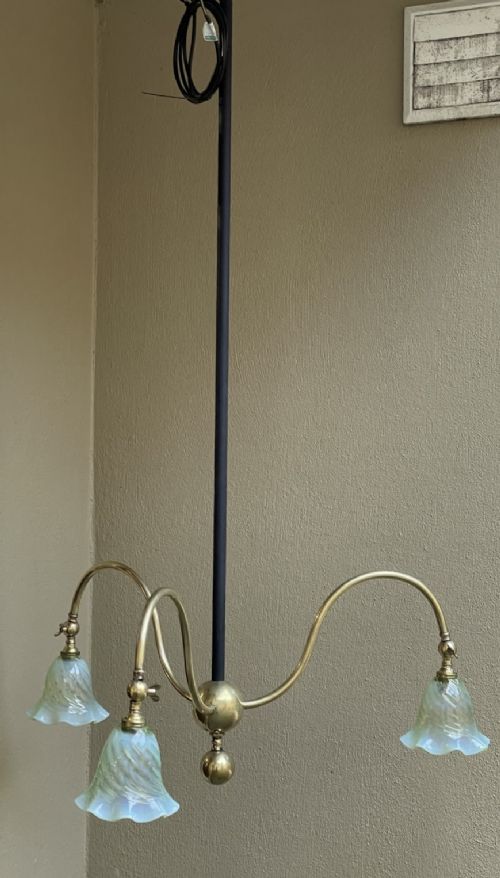
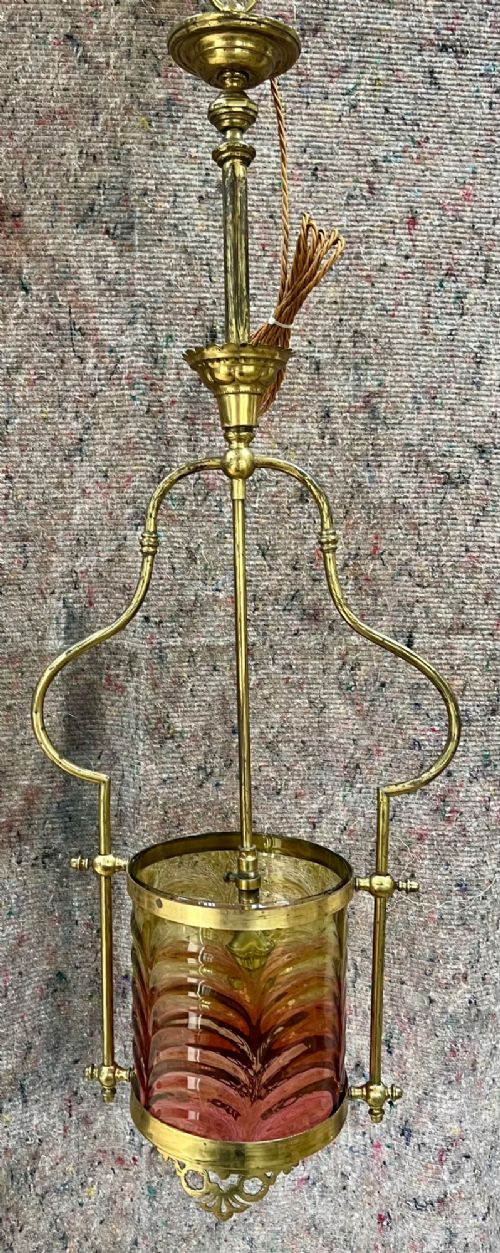
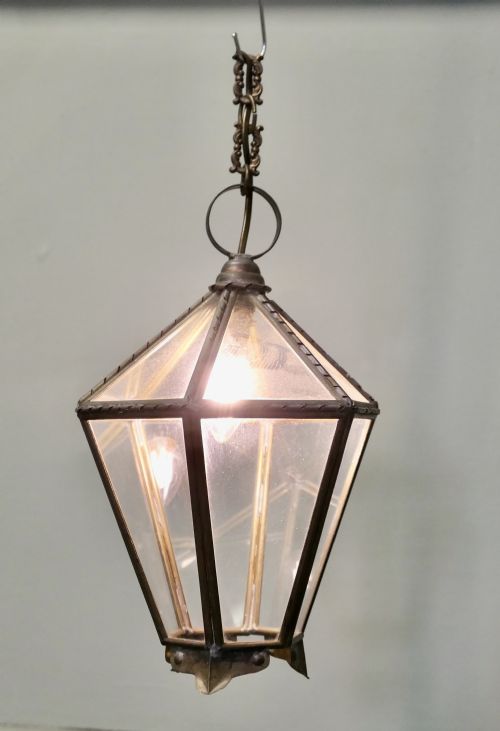
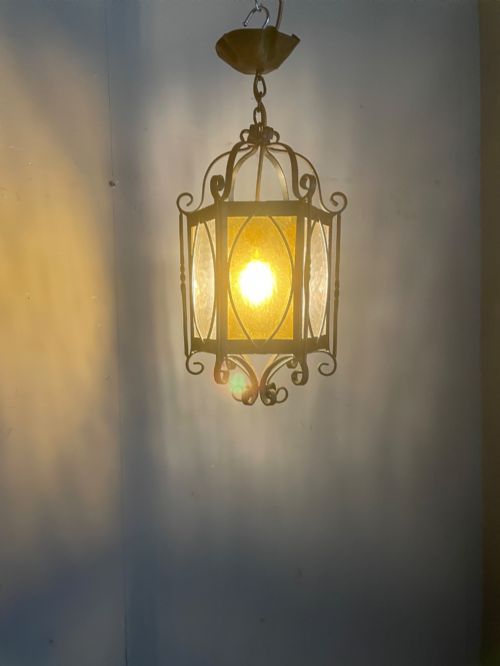
An arts and crafts ceiling light takes the form of lanterns, pendants, and bowl chandeliers designed to illuminate entrance halls and principal rooms. The selection here leans heavily towards brass, copper, and wrought iron frameworks suspended from ceilings.
Most examples date from the opening decades of the twentieth century, bridging Victorian conventions and later Edwardian preferences. They appear as single-bulb hall lanterns or multi-armed chandeliers styled with Gothic revival or art nouveau influences.
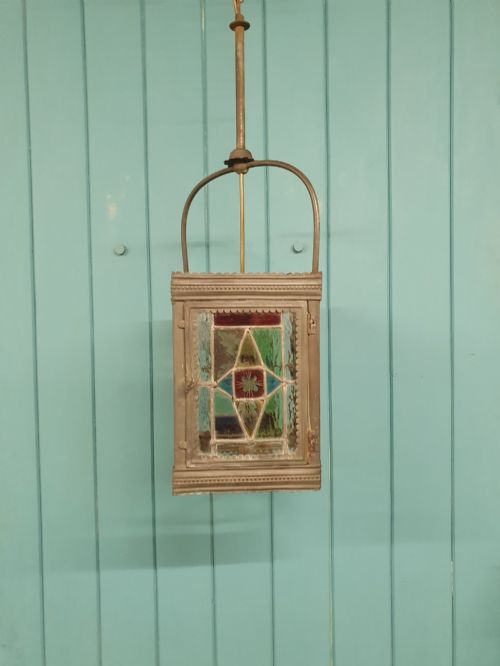
Buyers encounter hanging lamps featuring cobalt blue, opalescent, or stained leaded glass panels held within beaten metal frames. These fixtures reflect a period when domestic lighting shifted from gas to electricity while retaining handmade qualities.
How they were made
Metalsmiths hammered sheet copper and brass by hand, leaving visible tool marks on surfaces and collars to celebrate manual labour. Wrought and cast iron components were shaped by blacksmiths to form sturdy structural frames.
Glazing involved securing leaded stained glass, crystal panels, and opalescent shades into metal channels. Some specialised pieces incorporated hand-stitched leather and vellum alongside traditional metalwork.
Arts and Crafts Ceiling Light Retail Price Guide 2026
Typical asking prices for arts and crafts ceiling light among the pieces listed under this phrase on Sellingantiques today, from the lower quarter to the upper quarter. They describe what is for sale here now, not the wider market.
Listings feature fixtures dated across the nineteenth century, Edwardian era, and the 1920s and 1930s.
What varies in quality
Design execution distinguishes standard production pieces from ambitious workshop commissions, particularly in the crispness of hand-beaten metalwork and the complexity of bracket construction. Heavier gauge metals and intricate riveted joints denote a higher grade of manufacture.
The choice of glass elevates certain fixtures, with opalescent, cobalt, and finely leaded stained panels creating superior light diffusion compared to plain glass. Provenance and original surface patination further separate ordinary examples from exceptional architectural fittings.
The Arts and Crafts Ceiling Light Glossary
- Hall lantern
- A ceiling-hung lighting fixture enclosed in glass and metal, designed specifically for entrance corridors and stairwells. These pieces often feature hexagonal or square frames.
- Leaded glass
- Small panes of glass joined together by strips of lead called cames, forming geometric or pictorial patterns within the lantern shade. This technique provides structural rigidity for hanging panels.
- Opalescent glass
- A milky, translucent glass that diffuses light softly across pendant bowls and shades. It gained popularity during the late nineteenth and early twentieth centuries.
- Beaten copper
- Sheet metal shaped manually with a hammer, producing a textured surface finish characteristic of movement workshops. The process hardens the metal while creating distinct decorative facets.
Arts and Crafts Ceiling Light: Frequently Asked Questions
Where should I hang a hall lantern?
These lanterns suit entrance hallways, vestibules, and high-ceilinged landings where their pendant drop can be appreciated from below. Their enclosed glass designs protect the bulb from drafts in transitional spaces.
Ensure adequate ceiling height is available so the fixture clears head height while remaining a focal point upon entry.
How do I date an arts and crafts light?
Dating relies on examining the combination of materials, construction methods, and stylistic crossover points present in the metalwork and glass. Pieces often combine Gothic revival motifs with simpler turn-of-the-century forms.
Factory production marks, wiring channels, and hand-beaten textures help narrow the period of manufacture between the late Victorian era and the 1930s.
Can these lights be wired for modern use?
Most antique fixtures accommodate modern electrical standards with appropriate rewiring by a qualified professional. Existing internal holders and conduits generally accept standard contemporary bulbs.
Care should be taken to preserve original brass or copper components during the rewiring process to maintain the structural integrity of the frame.
What maintenance do copper and brass require?
Metal surfaces benefit from occasional dusting with a dry microfibre cloth to prevent the accumulation of grime on beaten textures. Avoid harsh chemical cleaners that strip away the aged patination.
Leaving the natural oxidation intact preserves the historical appearance valued by collectors of this period.