
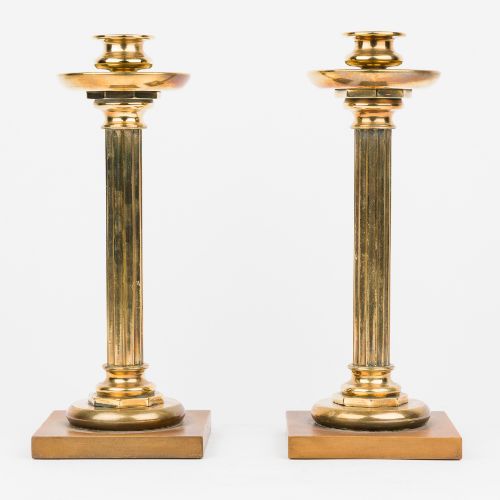

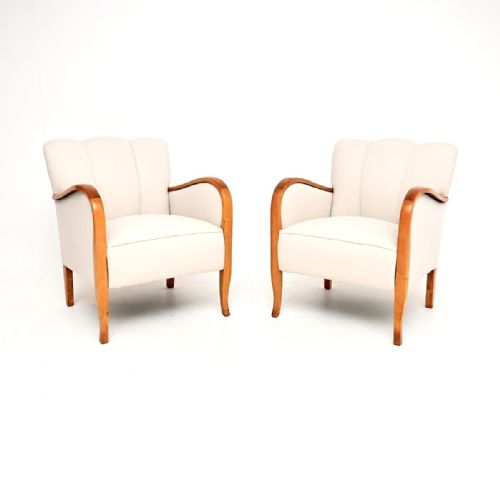
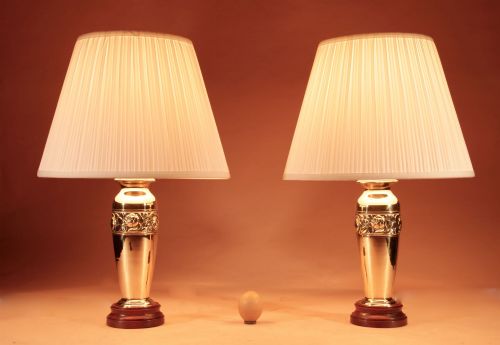
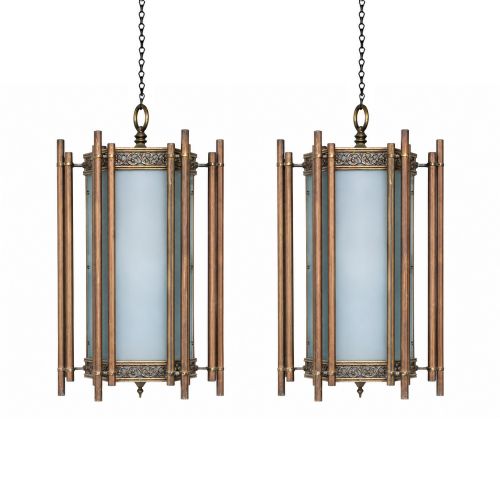
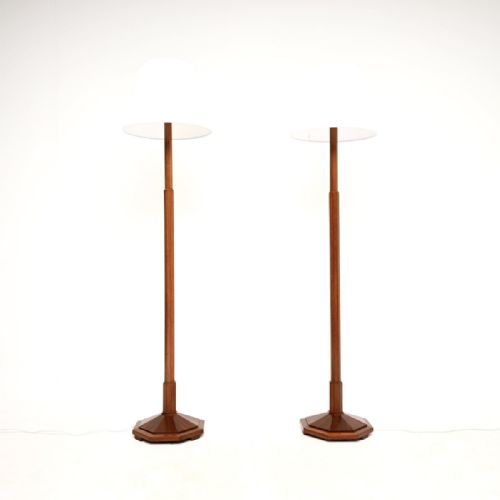


Pair Art Deco Lights
When searching for pair art deco lights, collectors encounter balanced arrangements of geometric or organic illumination originating mainly from the 1920s and 1930s.
Pair Art Deco Lights
When hunting for pair art deco lights, buyers frequently encounter wall fixtures, sconces, and ceiling pendants designed to provide symmetrical illumination in domestic or public spaces. These matching pairs span various forms, including tiered glass wall brackets, opaque glass shades, and multi-branch ceiling fittings.
The selection ranges from early twentieth-century interpretations rooted in transitional styles to distinctively modern creations from the nineteen-thirties. Alongside traditional wall lighting, the inventory occasionally includes matching table lamps, torchères, and candlesticks sharing the same aesthetic lineage.
What varies in quality
Quality differences often hinge upon the sophistication of the glasswork and the integrity of the original metal plating or casting. Heavier gauge brass and crisply moulded opaline or frosted glass distinguish finer productions from standard commercial alternatives.
The presence of maker signatures or attribution to notable glass houses and metal workshops elevates the status of a matched pair. Preservation of original finishes, such as green enamel or patinated bronze, further separates standard examples from exceptional survivals.
Materials recur across brass, chrome, and frosted glass, accompanied by occasional uses of satin birch, walnut, and Bakelite.
R Lalique·Schneider·Baccarat·Heals·Hille·Ezan
The Pair Art Deco Lights Glossary
- Opaline glass
- A milky, semi-translucent glass popular in decorative lighting for diffusing light evenly. It is frequently found in white or pastel shades on nineteen-thirties sconces.
- Sconce
- A wall-mounted lighting fixture designed to direct illumination upwards or outwards. These were commonly produced in matched pairs for hallways and living rooms.
- Slip shade
- A moulded piece of glass that slides into a metal frame to form the body of a light fixture. This technique allowed for sculptural, geometric designs.
- Pricket
- A type of candlestick or light fitting featuring a central spike to secure the candle rather than a socket. They appear on earlier brass and iron works from the early twentieth century.
- Torchère
- A tall, freestanding floor lamp designed to bounce light off the ceiling. These pieces often feature tiered or columnar shafts in wood, chrome, or brass.
Pair Art Deco Lights: Frequently Asked Questions
How were pair art deco lights originally used in homes?
These matched fixtures were primarily installed in pairs to flank architectural focal points such as fireplaces, mirrors, or doorways in interwar interiors. They provided balanced ambient illumination in entrance halls, formal reception rooms, and bedrooms.
Larger ceiling suspensions and multi-branch chandeliers served as central primary light sources for dining spaces and public cinemas. Sconces and wall brackets offered soft, diffused lighting through tinted or frosted glass shades.
How do I distinguish nineteen-twenties lighting from nineteen-thirties pieces?
Nineteen-twenties lighting often retains transitional decorative elements, sometimes blending earlier floral motifs with emerging geometric lines. Materials frequently include polished brass, bronze, and delicate crystal or opaline glass.
Nineteen-thirties examples typically embrace streamlined modernist principles, favouring chrome, Bakelite, and bolder architectural silhouettes like skyscraper and stepped glass forms. Symmetrical symmetry and simplified industrial profiles become much more pronounced by the middle of the decade.
Are these lights compatible with modern electrical standards?
Many surviving fixtures have been rewired at some point in their history to meet contemporary safety requirements, though buyers should verify wiring internal to the piece. Professional rewiring ensures that older brass or chrome fittings can safely accommodate modern bulb fittings.
Because original sockets and wiring can deteriorate over decades, conservation-minded rewiring preserves the exterior metal and glass while securing safe domestic operation.
How should I clean antique glass and metal shades?
Glass components benefit from gentle washing with lukewarm water and mild soap to remove dust without damaging frosted or enamelled surfaces. Abrasive cleaners must be avoided to protect applied colours and delicate textures.
Metal parts require careful dusting and occasional application of appropriate conservation wax depending on whether the finish is plated chrome, patinated bronze, or raw brass.