
Brass Foyer Lighting
Brass foyer lighting brings architectural presence to an entrance hall through metalwork and glass.
Brass Foyer Lighting
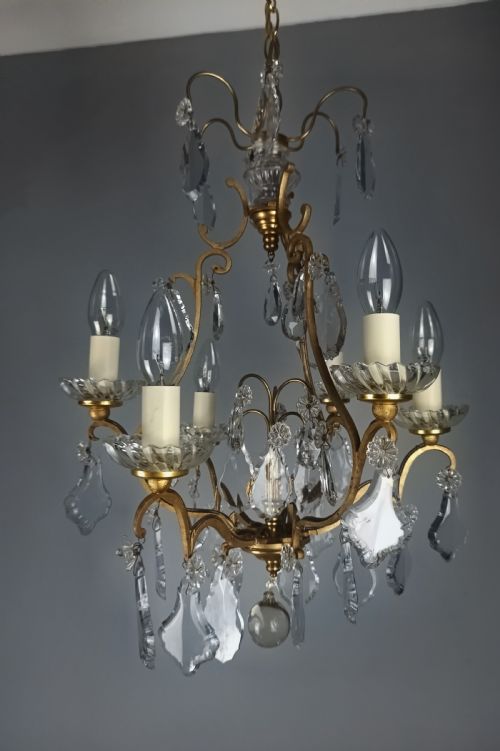
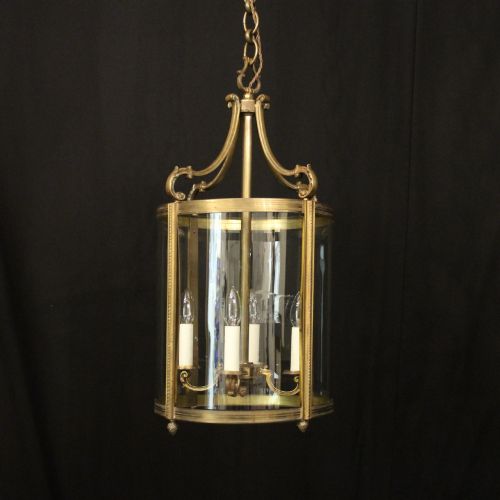
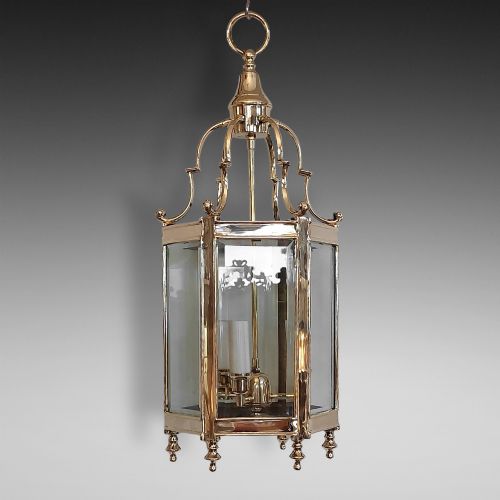
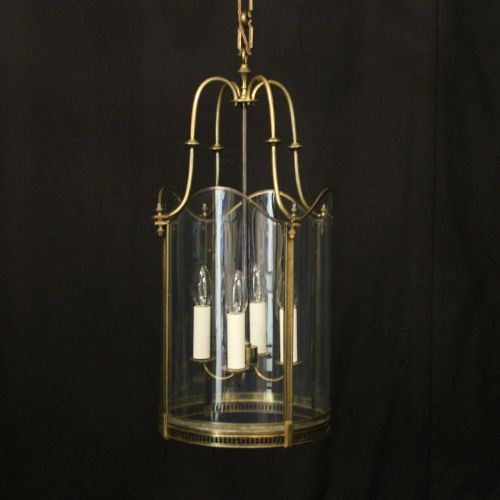
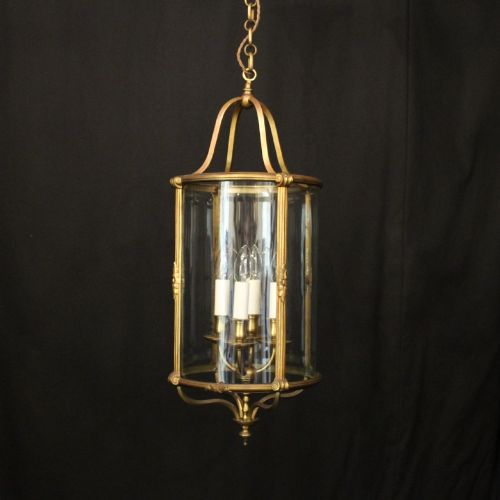
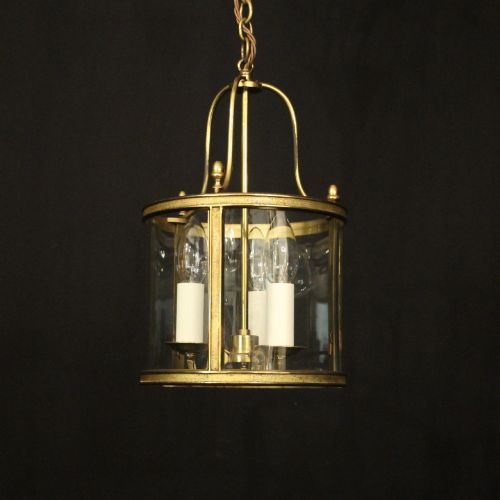
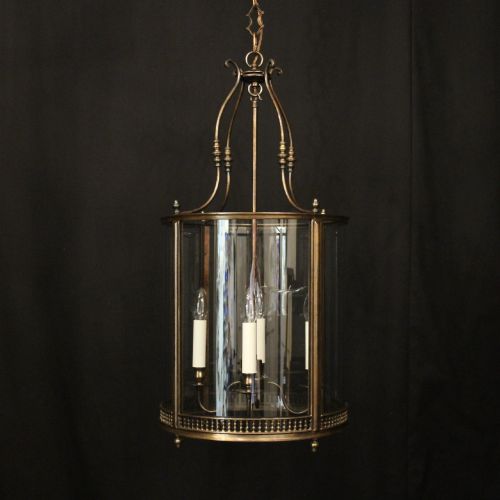
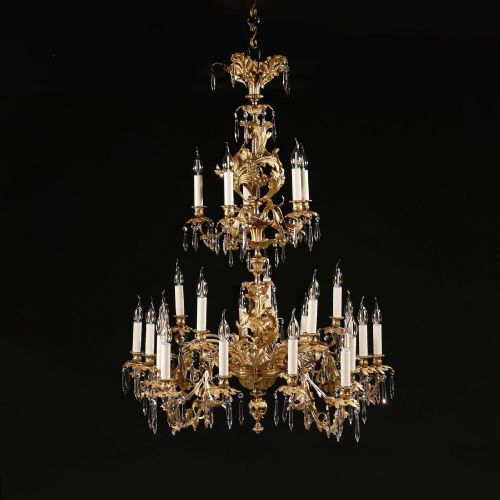
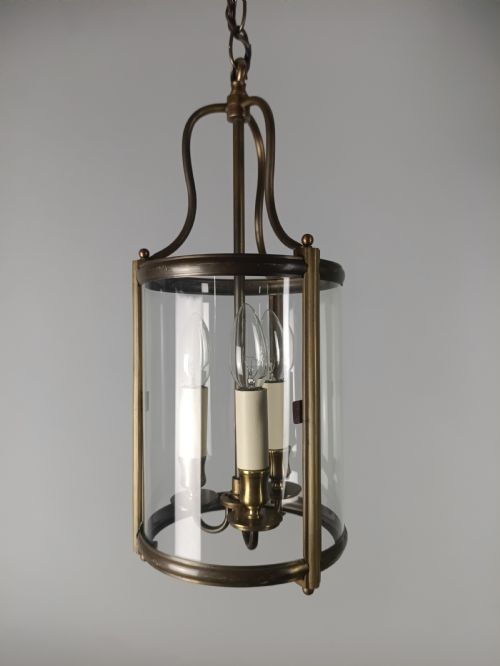
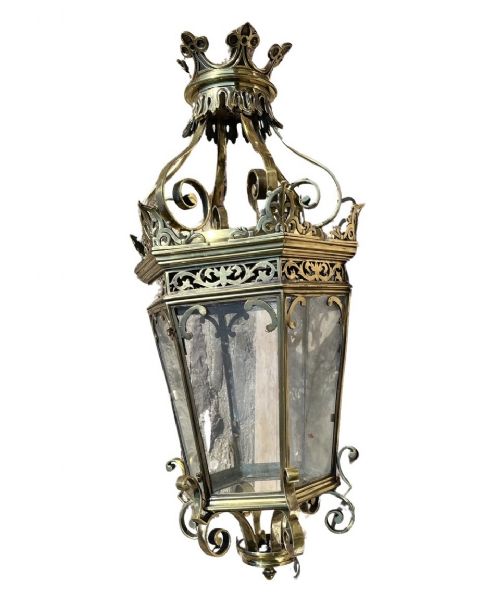
Brass foyer lighting encompasses hanging lanterns, hall lights and chandeliers designed to illuminate entrance spaces and hallways. When searching for brass foyer lighting, buyers encounter pieces ranging from compact hexagonal hall lanterns to large multi-light chandeliers.
The selections span periods from the nineteenth century through the Edwardian era into the nineteen-twenties and nineteen-thirties. French and English designs dominate, showcasing styles such as Neoclassical, Gothic Revival, Rococo and Edwardian.
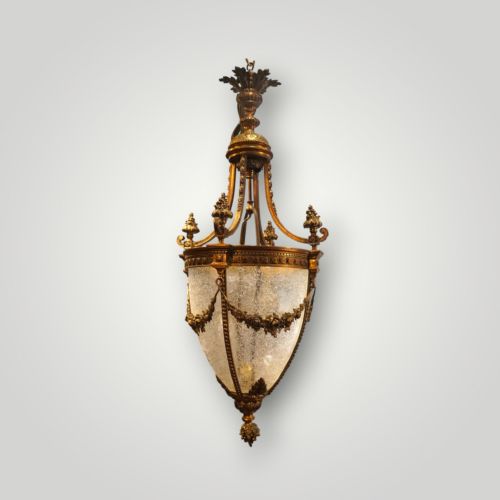
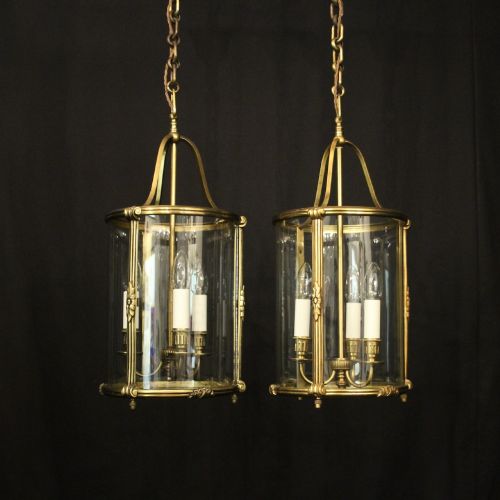
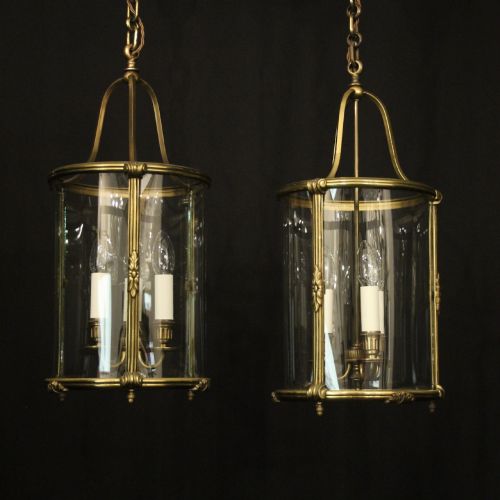
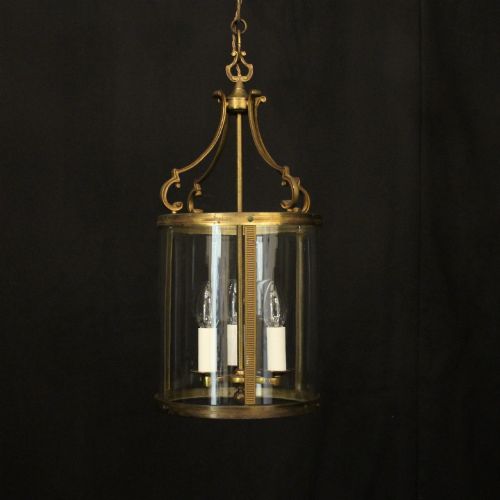
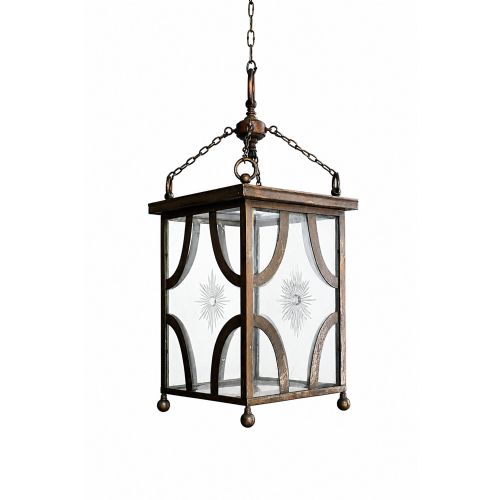
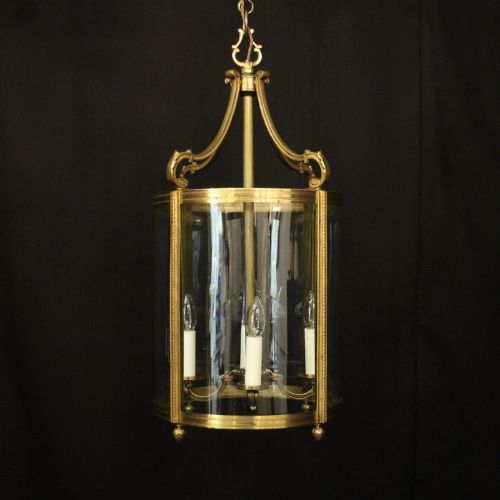
Hanging lanterns with glass panels form the core of what is available, often featuring convex or bevelled glass panes held within metal frames. Larger residences receive grander treatment through multi-light chandeliers and heavy bronze fixtures.
Materials and construction
Foundries utilised brass, bronze and gilt bronze to cast structural frames, applying gilding to enrich the metallic surfaces. Metal components were shaped into hexagonal, round or birdcage configurations designed to suspend from ceilings securely.
Glass panels, including cut, convex and bevelled varieties, were fitted into the frames to enclose the internal light sources. Artisans incorporated hinged doors and decorative mounts to complete each lantern or chandelier.
Materials span brass, bronze, gilt bronze, crystal and glass across nineteenth-century and early twentieth-century periods.
Distinctions in standard
The refinement of the casting and the weight of the metal distinguish finer examples from standard production. Heavier bronze frames and intricate gilt detailing indicate superior craftsmanship.
Glass selection impacts the overall caliber, with bevelled or convex panes requiring greater skill to produce and fit than flat glass. The cohesion of style, whether French Rococo or Gothic Revival, dictates the integrity of the design.
The Brass Foyer Lighting Glossary
- Hall Lantern
- A hanging light fixture enclosed in glass panels, designed specifically for corridors and entranceways. These pieces typically suspend from a single chain or rod.
- Convex Glass
- Curved glass panes that project outward from the metal frame, softening the illumination and adding optical depth. This technique appears frequently on French lanterns from the early twentieth century.
- Gilt Bronze
- Bronze metal coated with a thin layer of gold or gold leaf, providing a rich metallic lustre. It offers durability alongside decorative brilliance.
- Hexagonal Lantern
- A light fixture possessing six sides, creating a geometric profile often utilised in Edwardian and nineteenth-century designs. The shape allows for multiple glass panels to distribute light evenly.
- Bevelled Glass
- Glass panes featuring angled edges cut and polished to a specific slant, refracting light as it passes through. This detail signals higher quality craftsmanship in period lighting.
Brass Foyer Lighting: Frequently Asked Questions
How do I choose the right size lantern?
Consider the proportions of your entrance hall, ensuring the hanging light leaves adequate clearance below while maintaining visual balance in a tall space.
Larger rooms accommodate multi-light chandeliers or substantial convex lanterns, whereas compact hallways require simpler single-bulb hexagonal fixtures.
Are these lights suitable for low ceilings?
Most hanging lanterns and chandeliers suspend from chains or rods that can often be shortened during installation by an electrician.
Selecting flush or semi-flush ceiling lights from the period prevents obstruction in spaces with restricted vertical clearance.
How do I clean antique brass and glass?
Dust metal frames gently with a dry microfibre cloth, avoiding harsh chemical polishes that can strip original gilding or patina.
Glass panels benefit from standard glass cleaner applied to a cloth rather than sprayed directly onto the fixture, protecting the surrounding metal.
Can modern wiring be installed safely?
Period lighting fixtures typically require rewiring by a qualified electrician to meet current safety standards and local regulations.
Most frames accommodate modern bulb fittings while retaining their historical exterior appearance and structural integrity.