


20th Century Lantern
When you search for a 20th century lantern, you encounter illuminating fixtures designed to anchor interior halls and exterior porches with functional metalwork and glass.
20th Century Lantern
A 20th century lantern encompasses hanging ceiling fixtures, wall-mounted porch lights, and post attachments created across the decades from 1900 to 1940. The examples found here range from modest domestic hall lights to substantial architectural exterior pieces.
The most common formats met on this page are hexagonal and octagonal brass hall lanterns alongside utilitarian copper and iron exterior fittings. These designs bridge domestic utility with decorative expression through varied glazing and metal frames.
Originating largely from British and French workshops, these lighting fixtures reflect the stylistic shifts of the period, moving from Edwardian formality towards Arts and Crafts simplicity and French Beaux-Arts elaboration.
Materials and construction
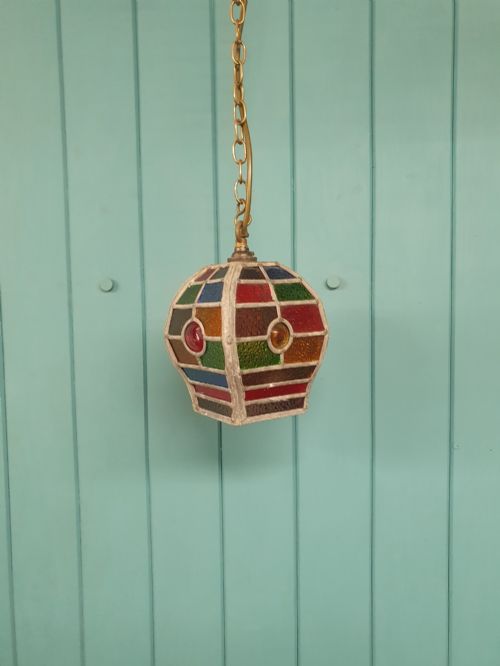
Makers constructed these lighting fixtures primarily using cast and sheet brass, copper, and iron, joined with structural metal frames that house panes of glass. Bevelled, cut, frosted, and leaded stained glass panels are fitted tightly into the metal structures to diffuse the interior bulb or candle light.
Specialised techniques include cold-painted bronze work, silver plating, and blacksmith forging for cast iron variants. Frames often incorporate hinged doors or removable panels to allow access for maintenance while preserving the weatherproof or dust-sealed integrity of the design.
Several lanterns retain their original trade sign connections or marine port credentials, having spent decades guiding vessels before retiring to dry land.
Evaluating craftsmanship and condition
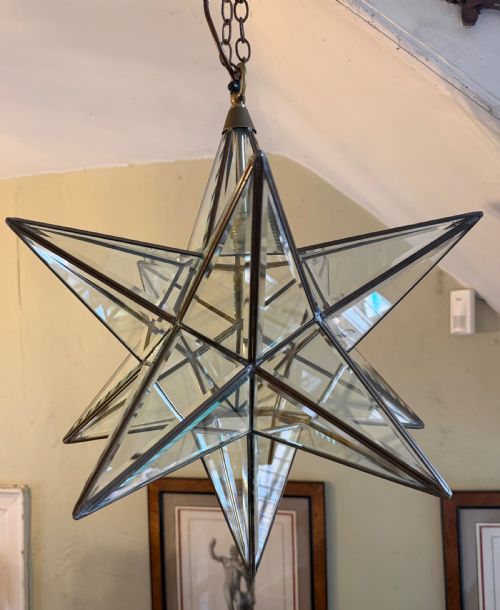
The standard of a 20th century lantern depends heavily on the weight of the metal chassis and the precision of the glazing. Finer examples feature thick bevelled glass panes secured with meticulous lead cording or heavy metal glazing bars, whereas simpler utilitarian items rely on thinner sheet metal and plain frosted glass.
Detailing on the metalwork separates workshop productions from mass-manufactured items, visible in hand-finished casting, applied gilt or bronze patination, and the complexity of multi-point frames such as star or faceted hexagonal geometries.
Franz Bergman
The 20th Century Lantern Glossary
- Bevelled glass
- Glass panes with angled edges cut and polished to a thinner perimeter, which refracts light through the edges. This technique adds depth and sparkle to hall lanterns.
- Holophane
- A specific type of scientific glass shade moulded with prismatic ribs designed to direct and diffuse light efficiently while reducing glare. It remains a hallmark of early industrial and municipal lighting design.
- Cold-painted bronze
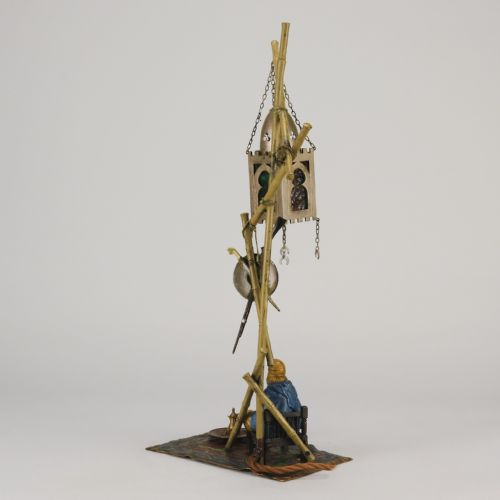
- A manufacturing process where bronze figures or mounts are painted with cold enamel paints rather than fired in a kiln. This finish requires careful handling to preserve the delicate polychrome surface over time.
- Port lantern
- A heavy-duty marine-style signal or navigation light typically fashioned from copper and brass with thick protective lenses. These maritime fixtures were adapted for domestic or exterior architectural use.
- Hall lantern
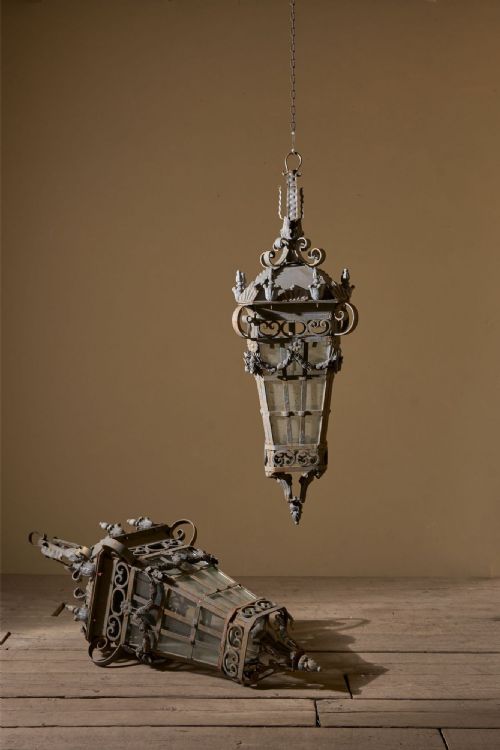
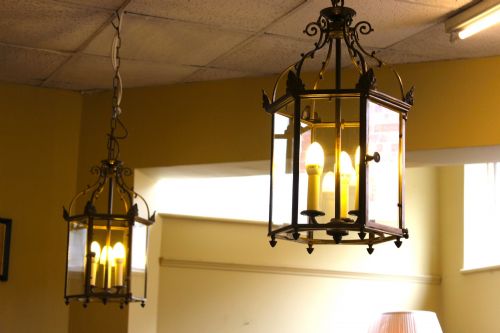
- An enclosed hanging light fixture specifically proportioned for narrow entrance hallways and vestibules. They frequently feature glass panels held within decorative metal frames suspended by chains or rods.
20th Century Lantern: Frequently Asked Questions
Where should a hanging hall lantern be placed?
These fixtures suit entrance vestibules, high-ceilinged corridors, and stairwells where their downward illumination and decorative metalwork can be viewed from multiple angles. Their proportions require sufficient vertical clearance to allow doors to swing freely beneath them.
When hanging a piece in an exposed hallway, consider matching the drop length to the ceiling height so the light anchors the room without obstructing movement or dominating the vertical space.
Can exterior lanterns be used outdoors today?
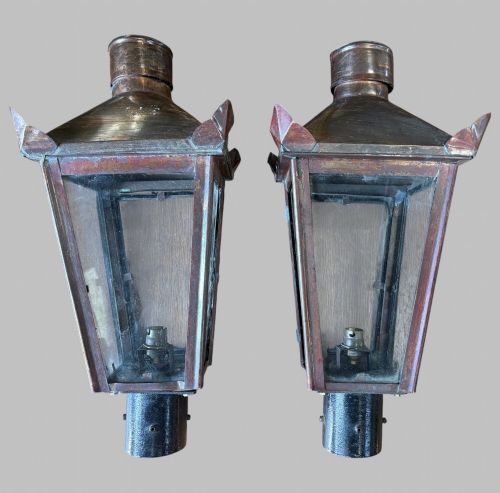
Many copper, iron, and brass variants on this page were originally built for porches, gateposts, and exterior walls. Their robust metal construction and sealed glass panels were designed to withstand weather exposure.
Buyers intending to place vintage exterior lighting outside should have the wiring inspected and upgraded by a qualified electrician to ensure modern weatherproofing standards and safety compliance are met.
How do I identify an Arts and Crafts style lantern?
Arts and Crafts pieces emphasise visible construction methods, honest materials like hammered copper and iron, and straightforward geometric forms. They generally eschew excessive surface ornamentation in favour of clean lines and functional integrity.
Look for hand-riveted joints, subtle patination on the metal surfaces, and simple leaded or plain glass panes that highlight the structural honesty typical of the movement.
What is the difference between a pendant light and a hall lantern?
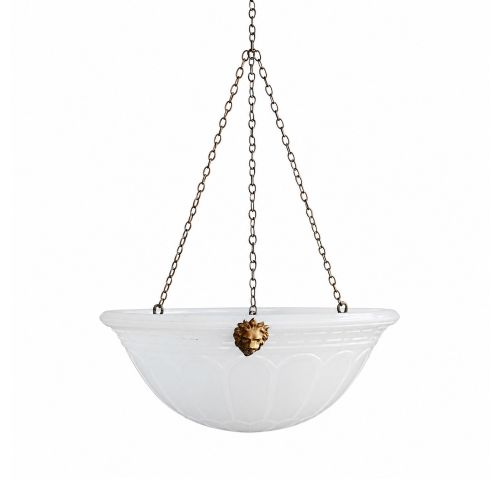
A pendant light typically consists of an exposed bulb hanging beneath a single shade or glass dome, focusing light directly downward. A lantern encloses the light source entirely within a glazed frame made of metal and glass panels.
Enclosed lanterns project a softer, more diffused ambient glow through multiple glass panes, whereas pendant lights provide more direct task or focal illumination within a space.