

Antique Brass Hall Lantern
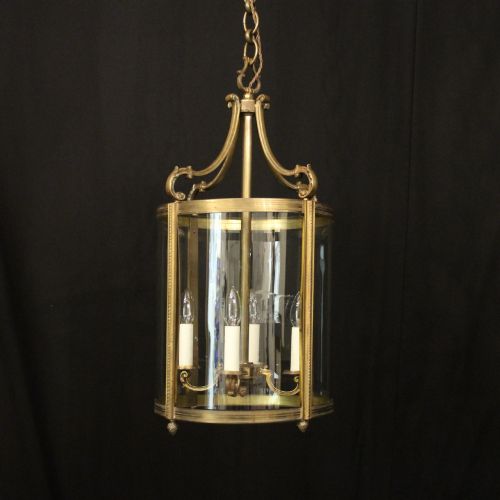
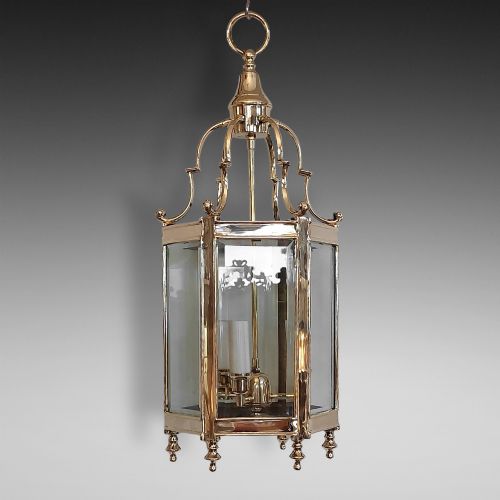
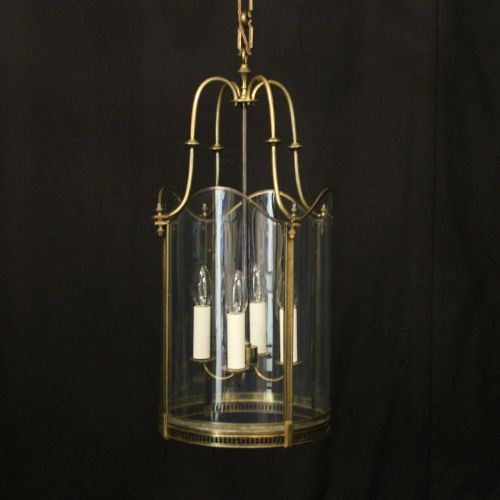
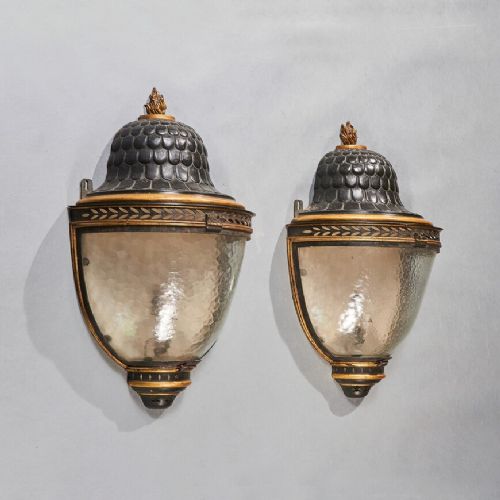
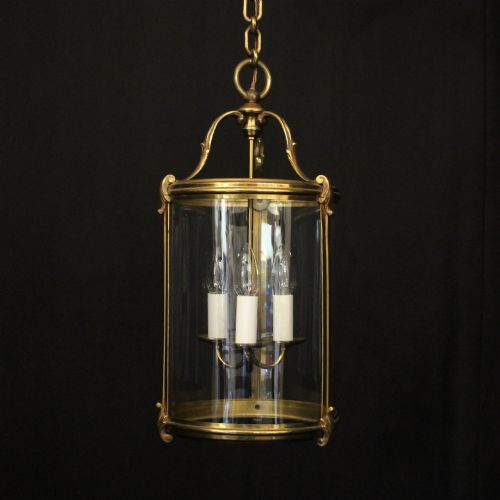
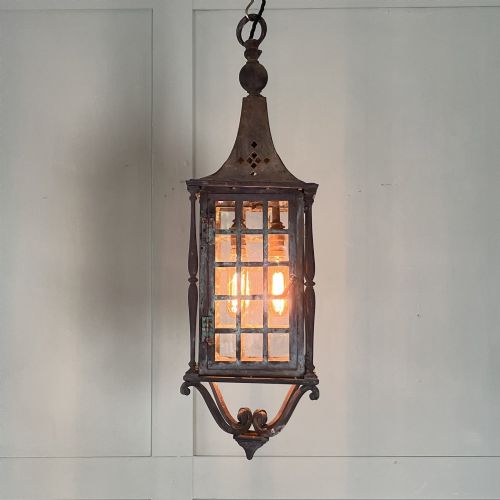
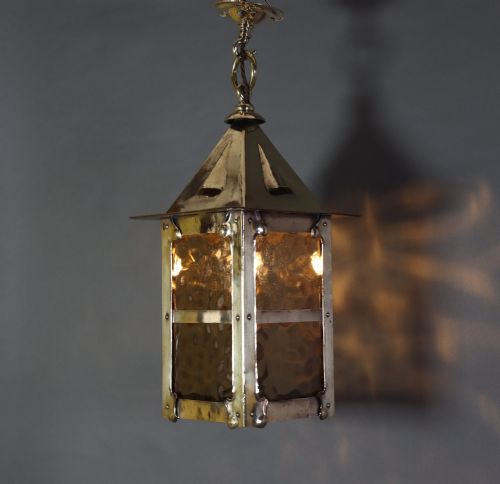
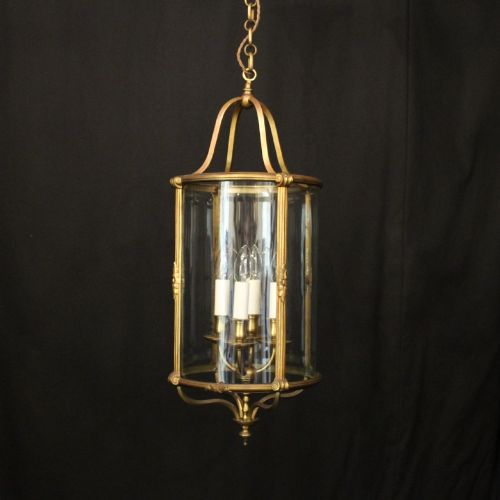
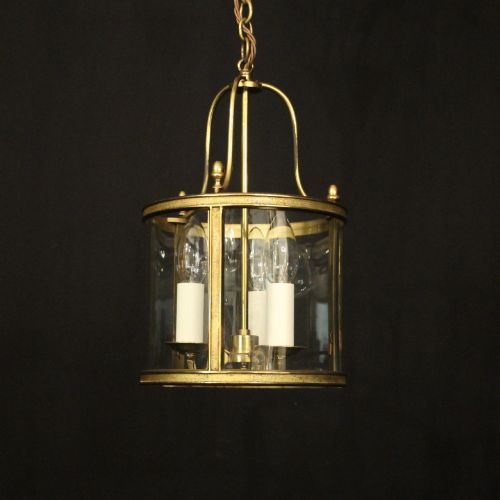
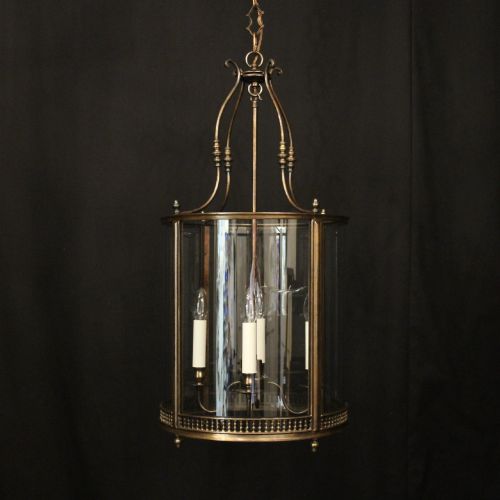
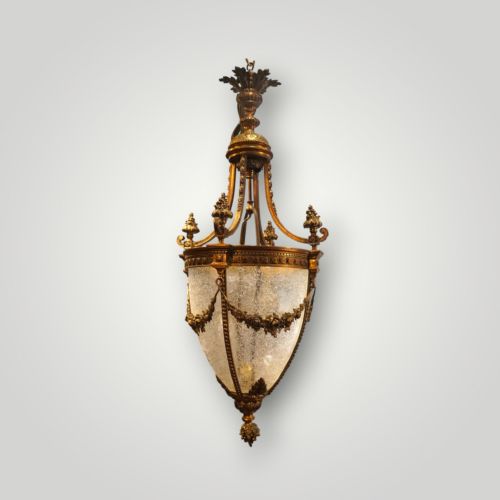
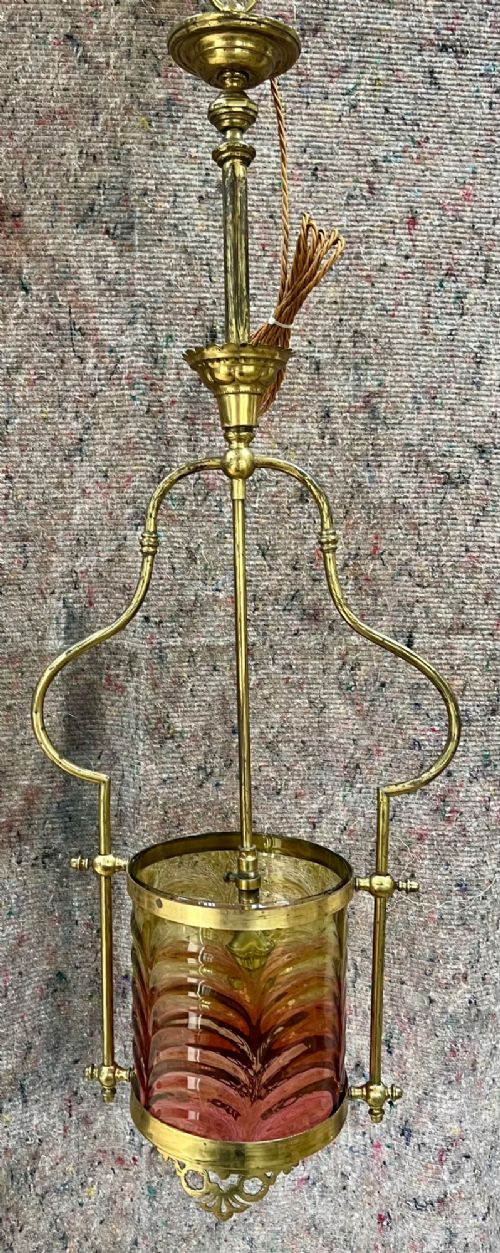
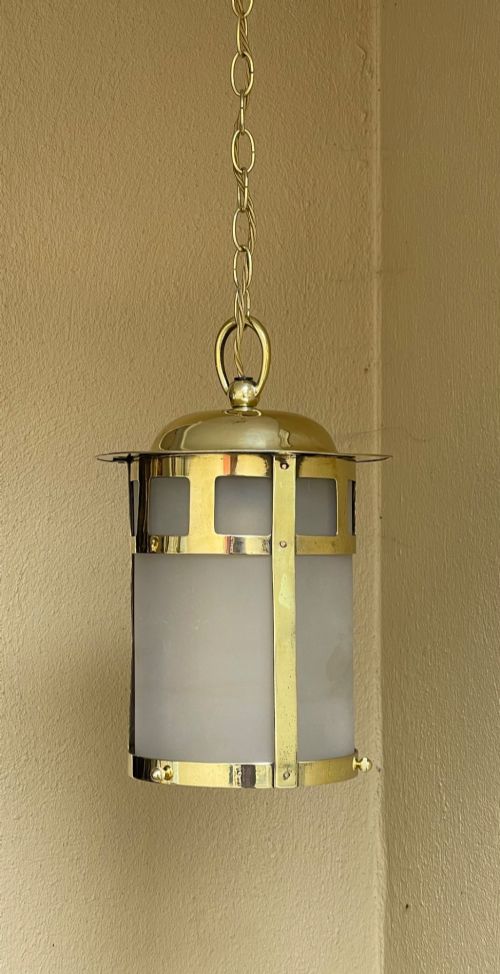
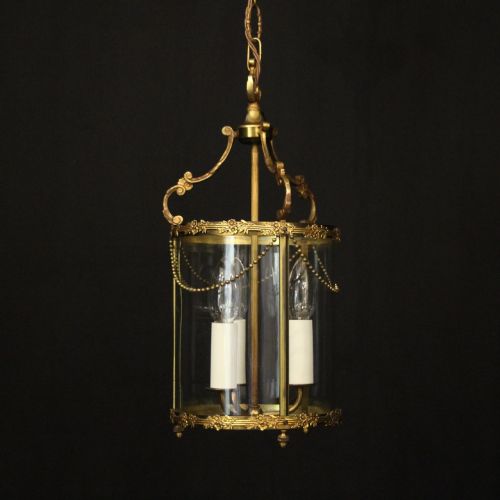
An antique brass hall lantern illuminates an entrance with period character, cast in brass or bronze with glass panels.
Defining the antique brass hall lantern
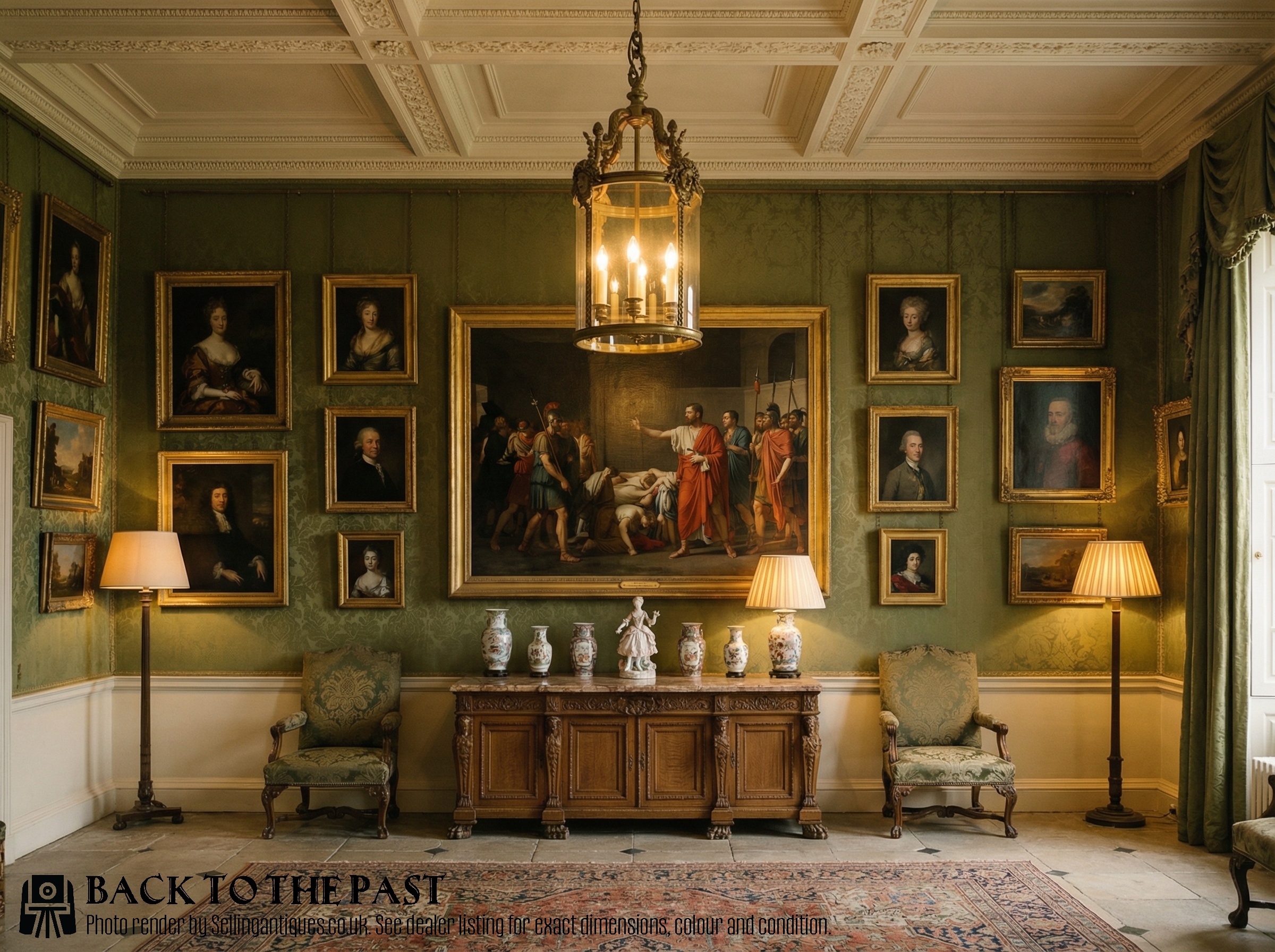
An antique brass hall lantern provides entrance lighting in forms such as single light, twin light, triple light, and four light configurations. These ceiling lights appear in English and French origins, spanning the 19th century, Victorian era, and around 1900.
The selection encompasses diverse regional interpretations, from English brass designs to French models featuring convex glass. Shapes range from hexagonal and dodecagon to circular and multi-sided formats, reflecting the architectural needs of historic hallways.
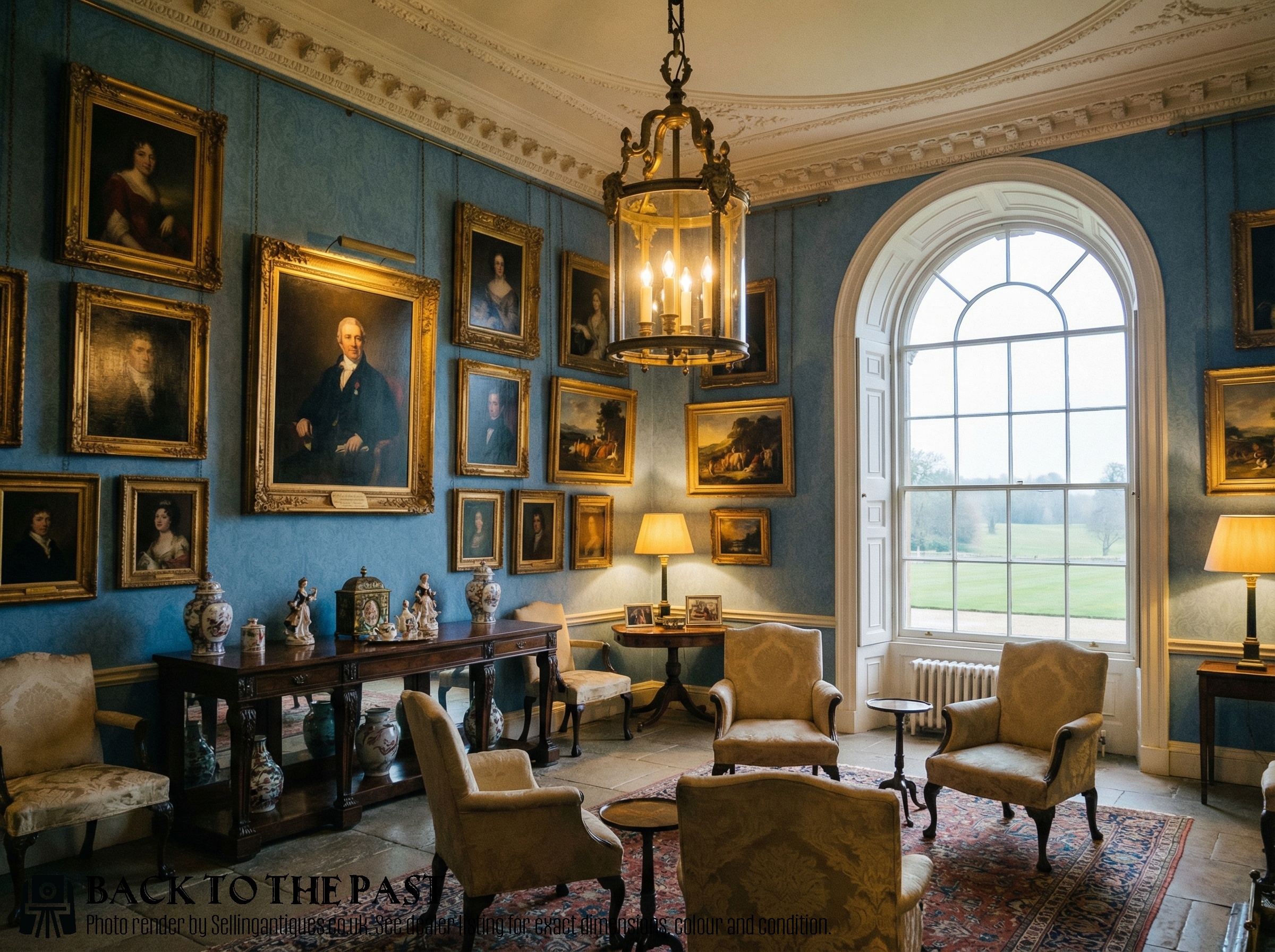
Materials and construction
Construction relies on brass, polished brass, gilded bronze, copper, and ormolu frames joined to glass, leaded glass, or Bristol blue glass panels. Workshops utilised casting techniques for heavier mounts alongside sheet metal fabrication for frames.
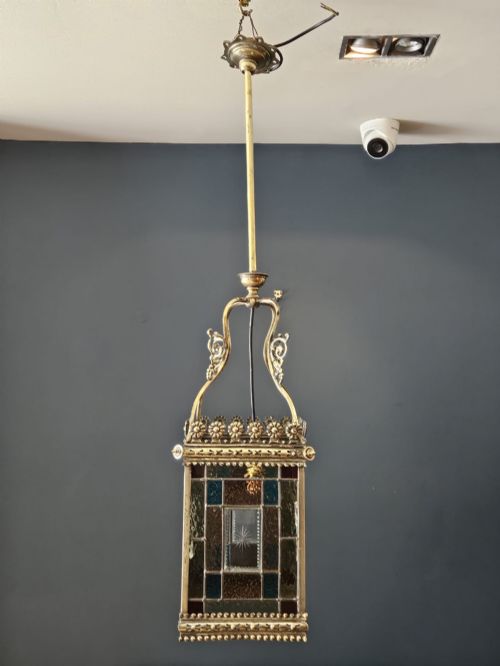
Glazing methods include flat panes, leaded segments, and convex glass plates secured within metal armatures. Gilding and polishing finishes were applied to enhance the reflective properties of the metalwork in dim corridors.
Retail Price Guide 2026
Typical UK retail prices for brass hall lantern, calculated from the Sellingantiques database of over a million retail prices indexed since 2003. This retail price guide relies exclusively on Sellingantiques data; no external sources or auction records are used, so the figures do not describe the wider market.
Listings feature brass, bronze, gilded bronze, and copper materials paired with clear, leaded, convex, and Bristol blue glass.
Distinctions in quality
Quality rests on the weight of the cast metal frame, the precision of the joinery, and the clarity or colour of the glass panels. Finer examples display crisp casting detail on brass and bronze mounts rather than flat, stamped components.
Proportion and scale dictate the visual presence of a piece, with larger multi-light configurations and complex convex glazing demanding greater skill from the maker.
The Antique Brass Hall Lantern Glossary
- Convex glass
- Curved glass panels that project outward to diffuse light across a wider angle. This treatment appears frequently on French hall lanterns.
- Ormolu
- Finely chased gilded bronze applied as decorative mounts on lighting fixtures. It provides a warm, reflective golden tone.
- Bristol blue glass
- Deep cobalt blue glass utilised in Victorian decorative items. It adds intense colour when illuminated from within.
- Leaded glass
- Individual glass panes joined together by strips of lead came. This technique forms intricate geometric patterns in the lantern frame.
- Ceiling lighting
- Fixtures suspended directly from overhead structures to illuminate interior spaces. Hall lanterns belong to this broader category.
Frequently Asked Questions
How do I choose the right size lantern?
Consider the ceiling height and floor area of the entrance space. Large multi-light lanterns require substantial vertical clearance to hang properly.
Smaller single or twin light models suit narrower corridors and lower ceilings without overwhelming the room.
What is the difference between English and French styles?
English lanterns often favour straightforward geometric shapes with clear or leaded glass panels. They reflect understated domestic architecture.
French models frequently incorporate convex glass, gilded bronze, and ornate casting details designed for grander reception spaces.
How do I clean an antique brass lantern?
Dust the metal and glass components gently with a soft, dry cloth to prevent accumulation. Avoid harsh chemical polishes that strip historic patina from the brass.
Glass panels can be maintained with standard window cleaner applied sparingly to a cloth rather than sprayed directly onto the metal.