

Hallway Ceiling Light
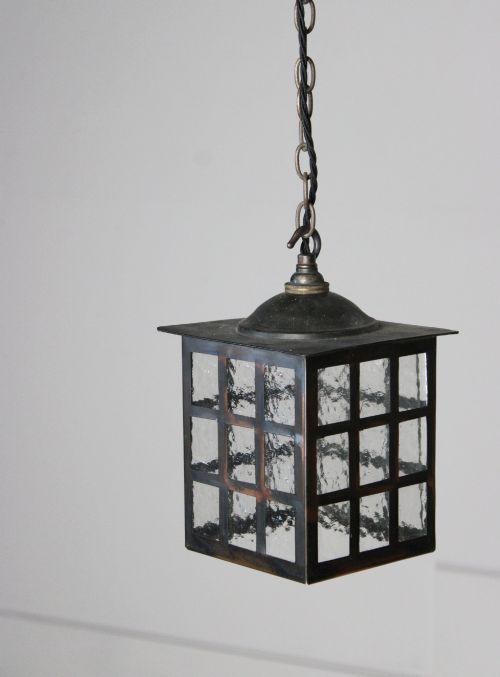
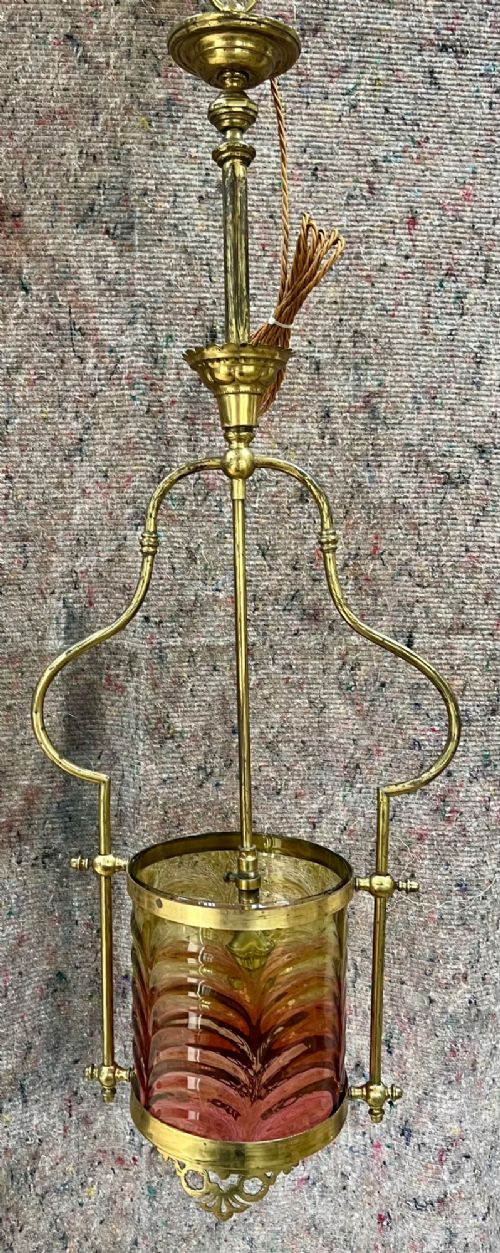
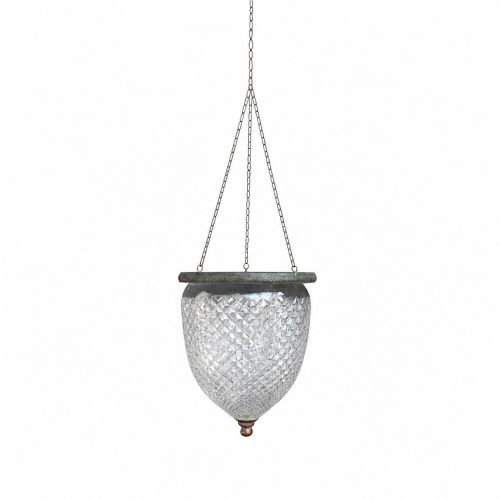
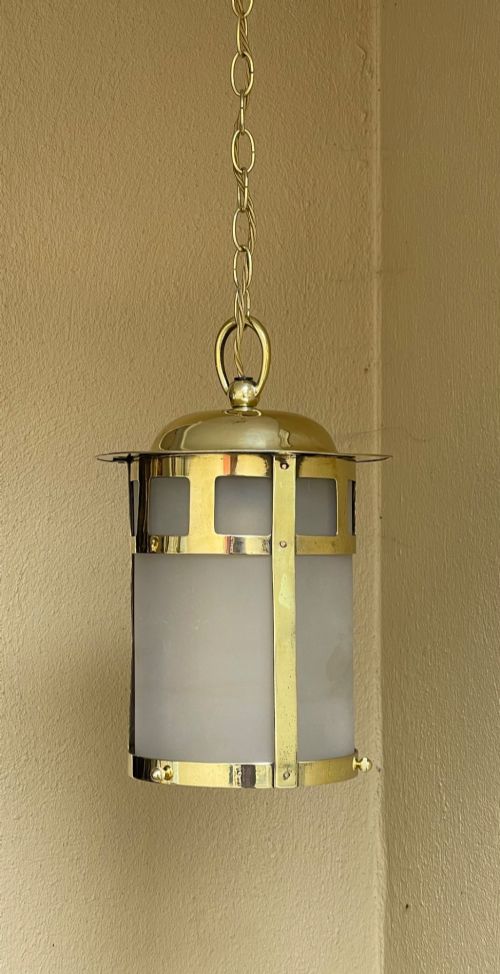
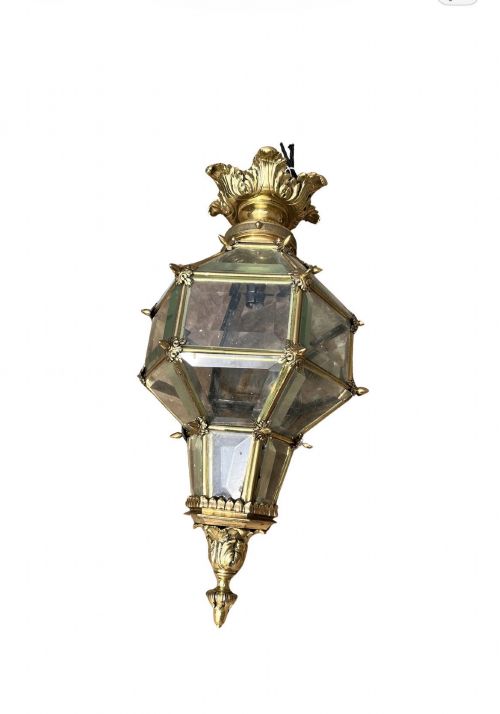
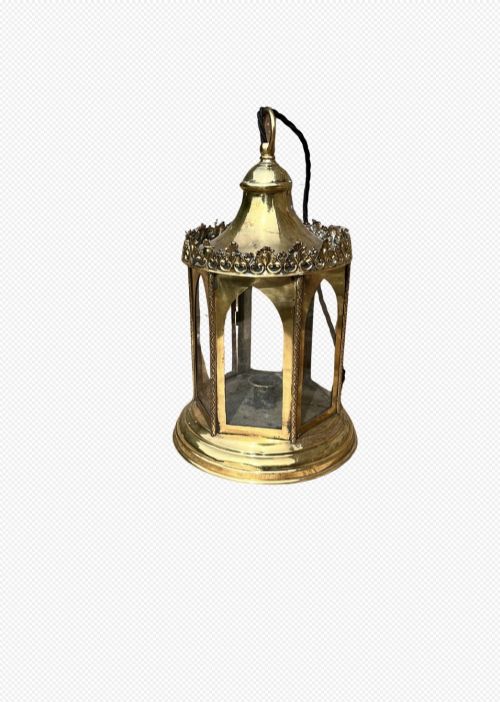
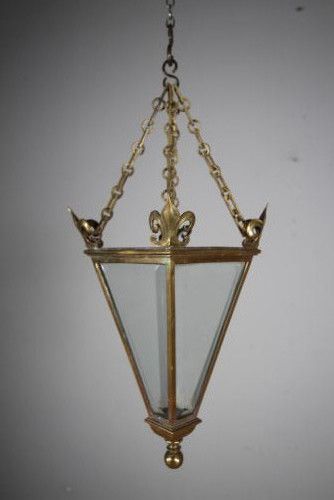
A hallway ceiling light sets the tone for an interior, and these antique brass and glass lanterns offer both character and illumination.
Hallway Ceiling Light
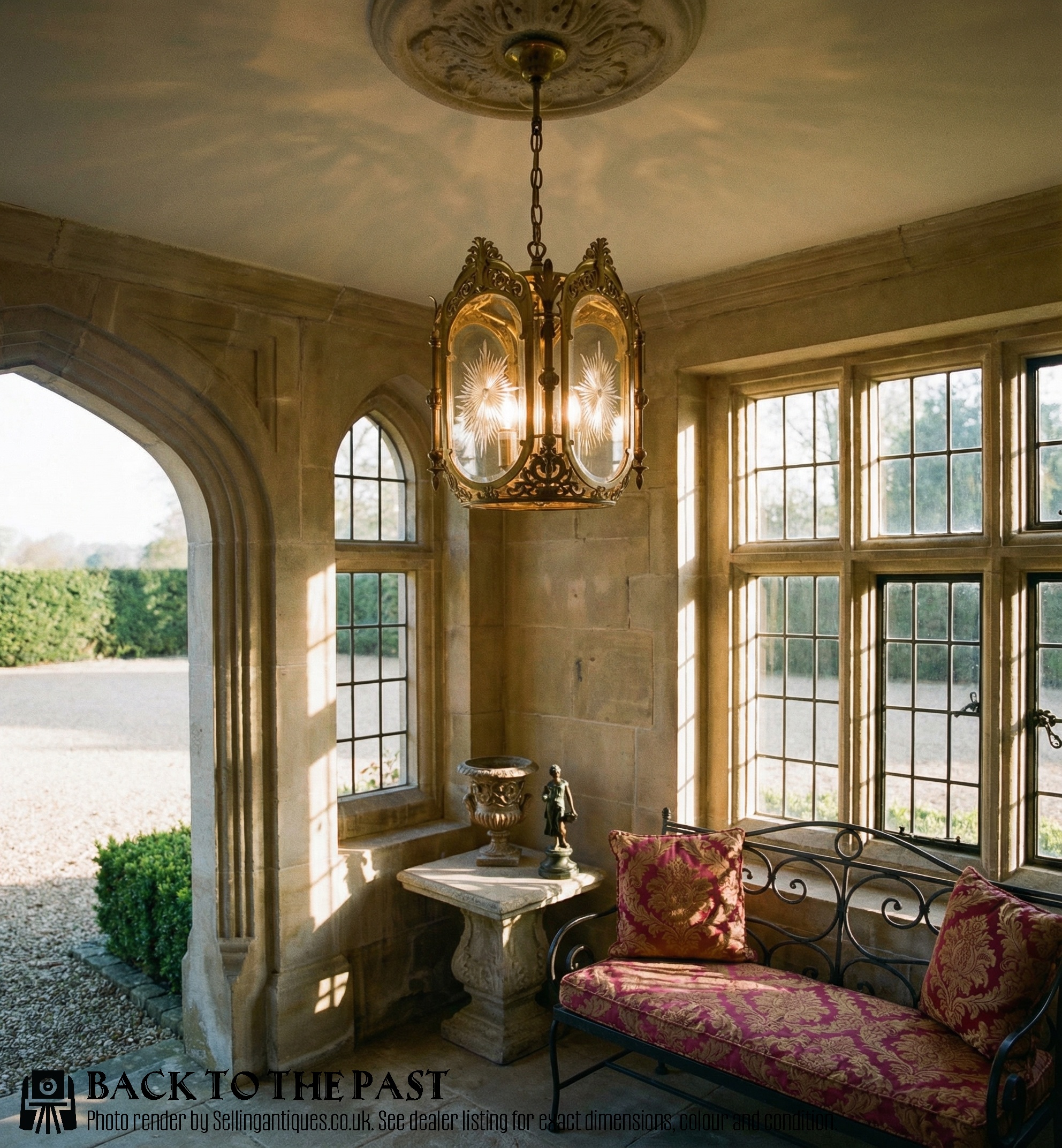
A hallway ceiling light provides functional illumination while establishing the decorative character of an entrance space. The selection spans robust lanterns and delicate chandeliers designed specifically for transitional spaces.
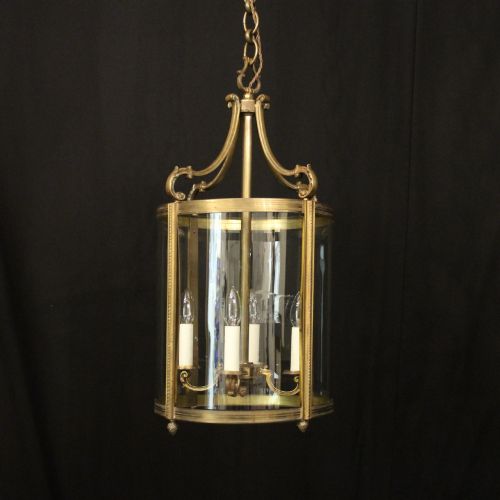
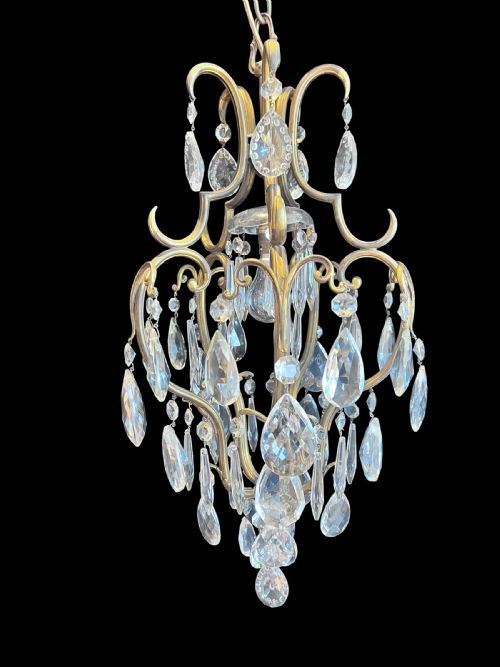
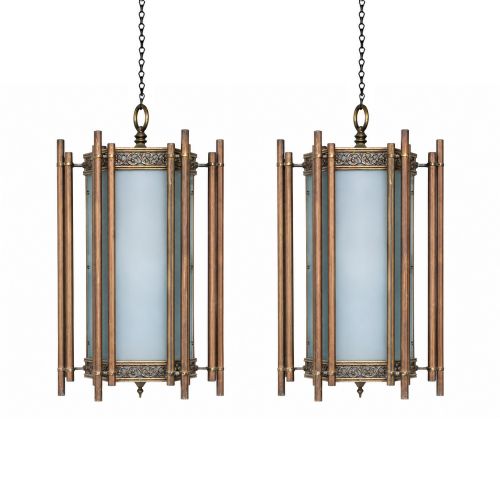
Most pieces encountered on this page date from the late nineteenth century through the nineteen-thirties, drawing on Victorian, Edwardian, and Art Deco aesthetics. Brass frames housing glass panels or crystal droplets dominate the forms.
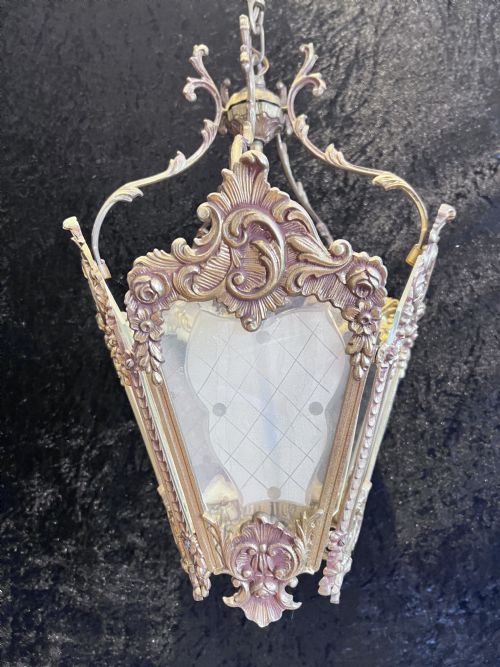
Makers adapted these fixtures for hallways, porches, and vestibules, producing everything from simple glass pendants to monumental gilded bronze lanterns. Regional variations include French and Italian interpretations alongside English designs.
How they were made
Brass, bronze, and copper form the primary structural skeletons of these lanterns, shaped through casting, spinning, and hand-soldering. Heavier frames often incorporate wrought iron or lead to secure individual glass panels.
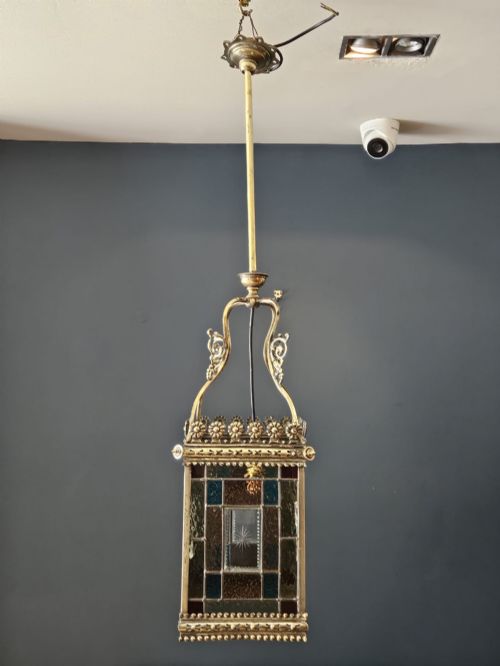
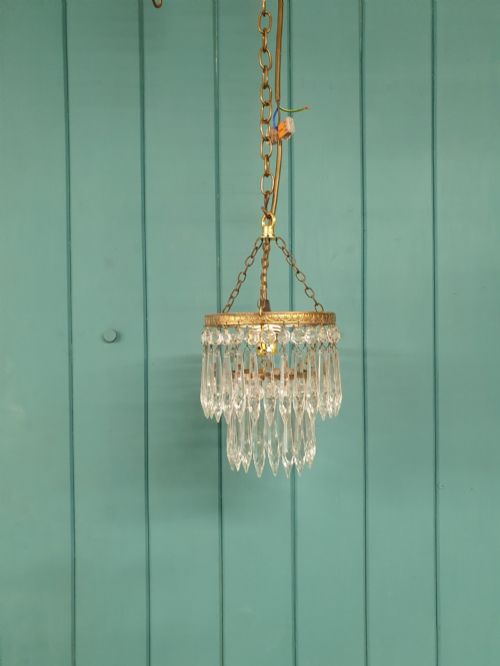
Glazing techniques range from plain leaded glass and opaline panes to intricate cut glass crystals and beaded fringes. Bronze elements frequently receive gilt finishes, while ironwork remains patinated or painted.
Electrical adaptation has altered many original oil or gas fittings, integrating internal wiring while retaining the historical metalwork and glass bodies.
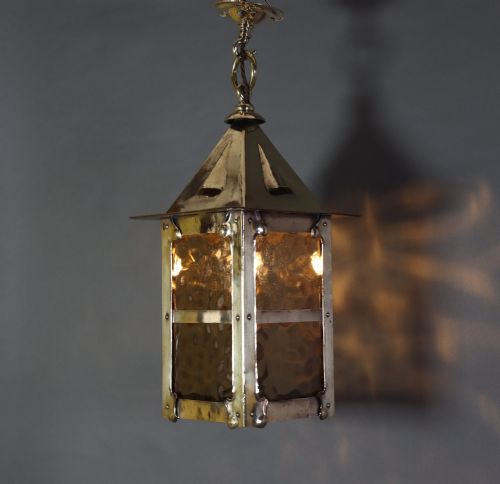
Periods represented span from the nineteenth century through the nineteen-thirties, covering Arts and Crafts and Art Deco designs.
What varies in quality
Subtlety of casting and thickness of metal define the superior examples, where brass and bronze components retain crisp decorative relief rather than soft edges. Heavier gauge frames support glass securely without flexing under their own weight.
The integration of glass elements separates standard production from finer work, visible in the hand-cutting of crystal spikes or the precise leading of stained glass panels. Original components and matched sets indicate higher workshop standards.
F and C Osler
The Hallway Ceiling Light Glossary
- Plafonnier
- A ceiling-mounted light fixture that sits flush or very close to the ceiling surface rather than hanging on a chain.
- Bag chandelier
- A light fitting featuring a flat top ring tapering down in a conical or bag-like shape formed of cascading glass crystals or beads.
- Opaline
- A type of semi-translucent milky glass often used in pendant lights to diffuse glare evenly across a room.
- Gilt bronze
- Bronze metal treated with a thin layer of gold, providing a rich metallic sheen common in French decorative arts.
- Hexagonal lantern
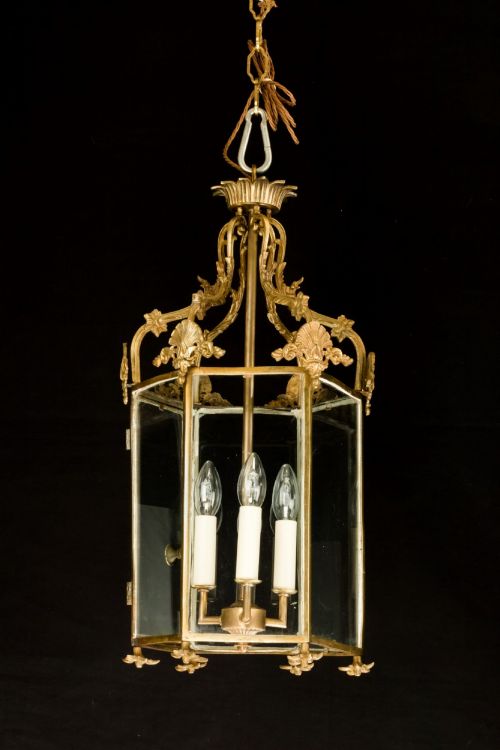
- A hanging light fixture defined by six distinct glass-panelled sides fitted into a metal frame.
Hallway Ceiling Light: Frequently Asked Questions
How do I choose the right size?
Consider the ceiling height and the floor area of the entrance space when selecting a fixture. Smaller domes and bag chandeliers suit lower ceilings, while larger hanging lanterns require substantial vertical clearance.
Proportion remains paramount so that the light fixture commands attention without obstructing movement through the hallway.
Can these lights be wired safely?
Most antique fixtures require professional rewiring to meet modern electrical safety standards. Qualified electricians can easily adapt older brass and bronze frames with certified lamp holders.
Retaining the original metal casing ensures historical integrity while providing reliable modern illumination.
How do I clean antique glass and brass?
Dust glass panels and crystal drops regularly using a soft lint-free cloth. Avoid harsh chemical cleaners that strip the natural aged patina from brass and bronze surfaces.
Gentle wiping preserves the historical finish accumulated over decades of existence.
How do I distinguish Edwardian from Victorian styles?
Victorian hallway lights often display heavier cast brass and rich coloured glass reflecting eclectic nineteenth-century revivals. Edwardian examples tend toward lighter brass frames and refined cut glass.
Subtle shifts in decorative motifs help date each piece to its specific period of manufacture.