





Etched Glass Pendant
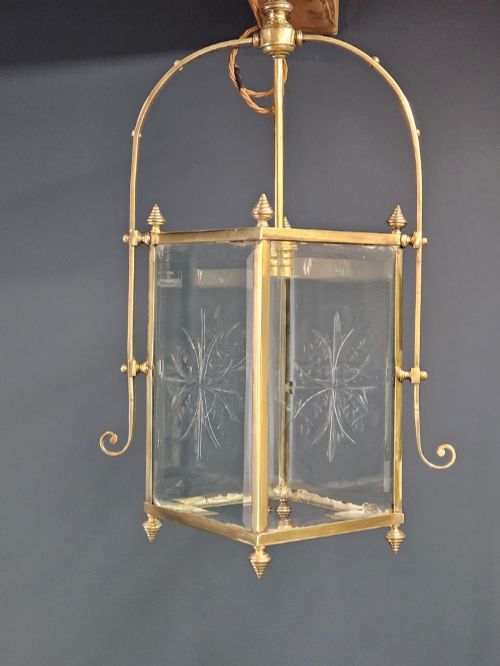
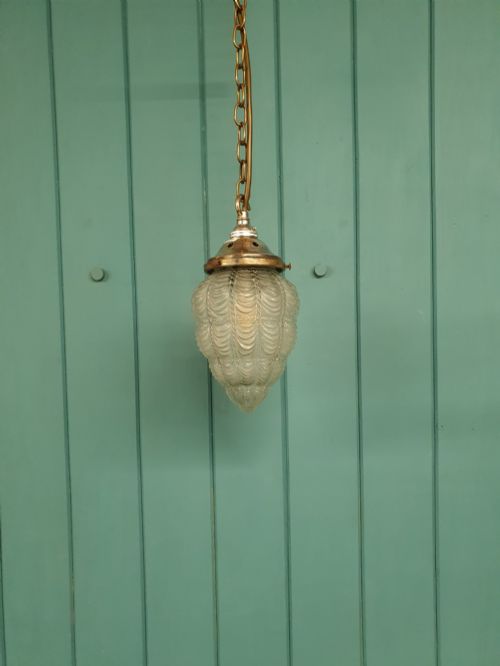
These etched glass pendant lights bring clear focus and character to a hallway or ceiling.
What etched glass pendant pieces are
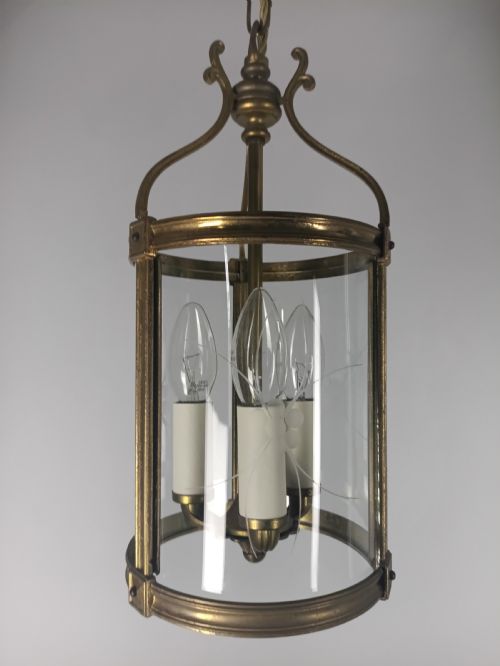
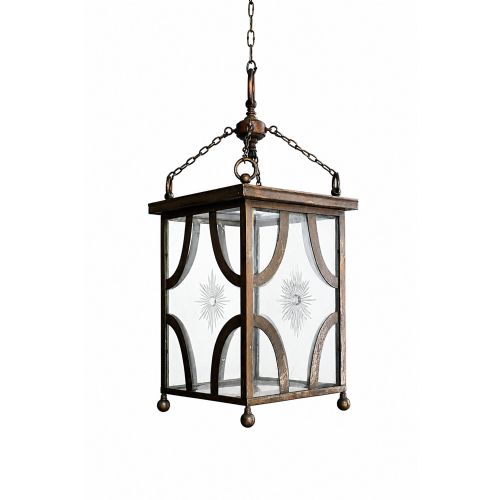
An etched glass pendant brings together decorative glass and metal suspension for overhead illumination. Buyers seeking an etched glass pendant will find fixtures originating from the nineteenth century, the Edwardian era, and the nineteen thirties.
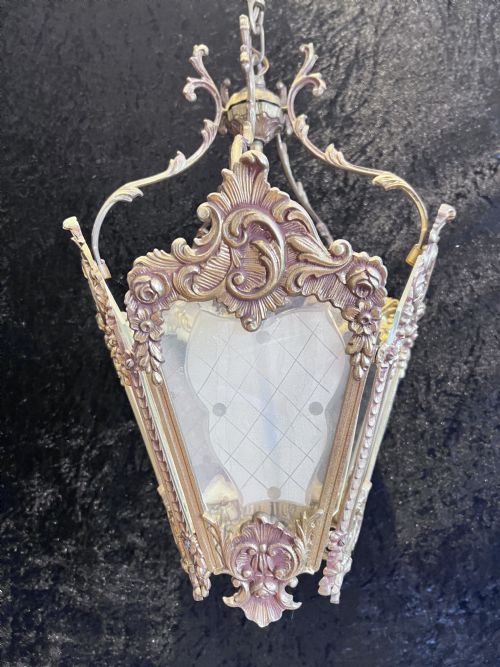
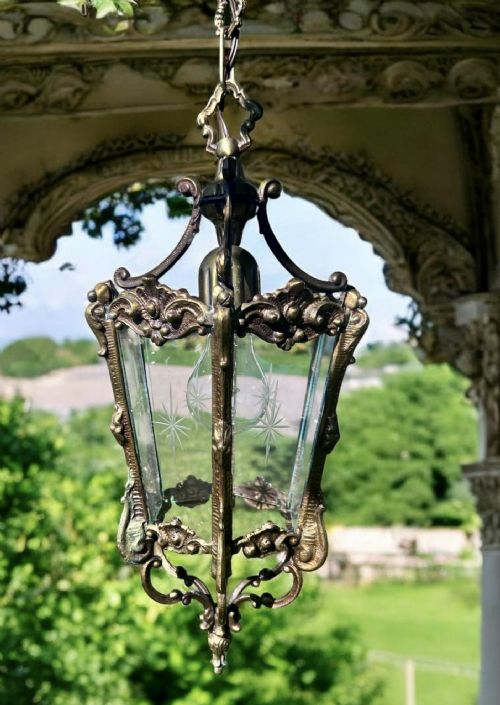
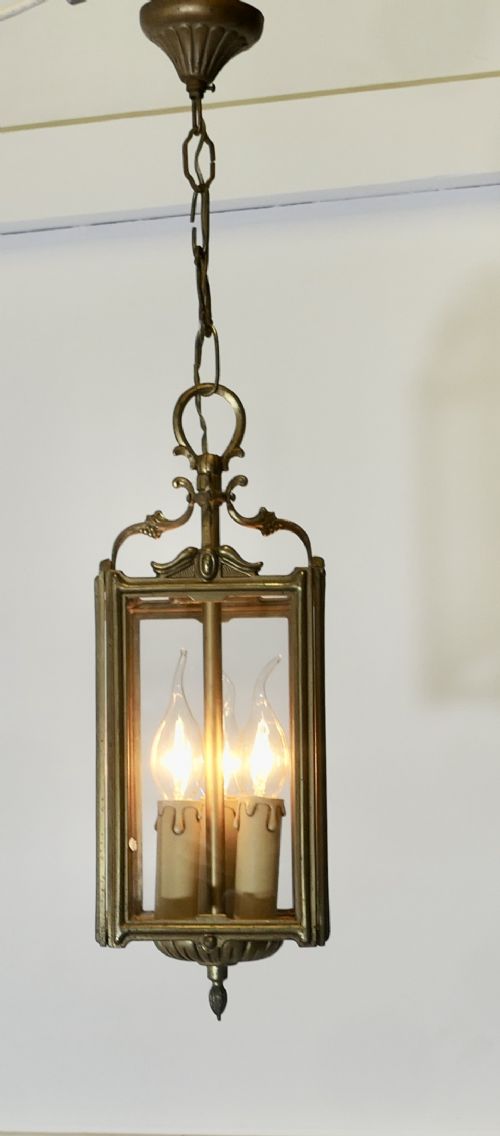
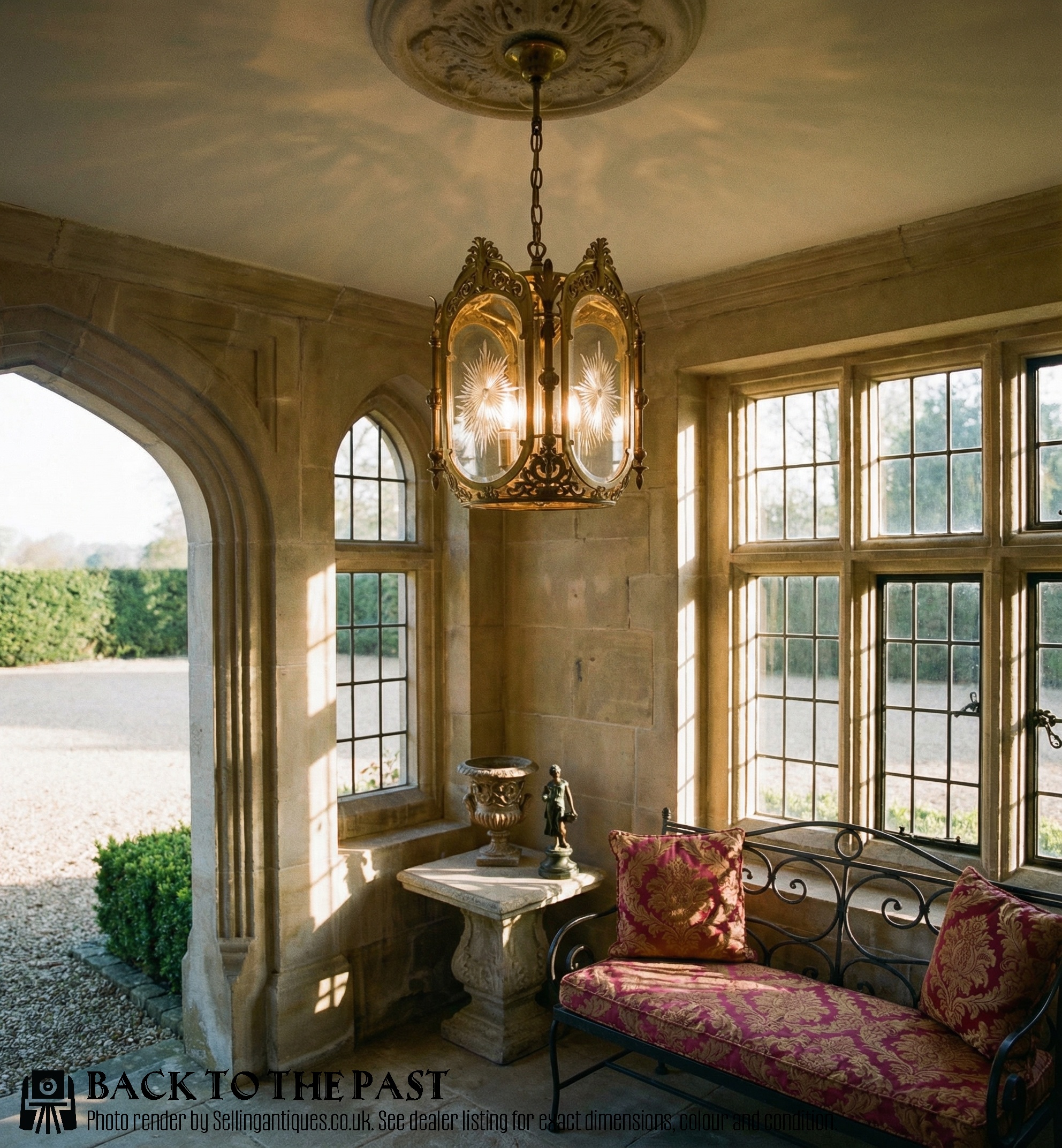
The dominant forms on this page are hall lanterns, ceiling lights, and chandeliers. French designs appear frequently, often taking the shape of convex or multi-panel lanterns suspended from brass or gilt brass frames.
Examples range from restrained Edwardian styles to bolder Art Deco pieces and ornate French Rococo revivals. Many incorporate panels of clear, pink, or opalescent glass held within metal mounts.
How they were made
Makers constructed these hanging lights using combinations of glass, brass, and gilt brass. The glass elements were typically etched with decorative patterns before being fitted into structural metal frames.
Mounts and lanterns utilise cast or sheet brass, sometimes enhanced with ormolu or gilding. Some surviving examples retain their original glass shades and internal electrical or suspension fittings.
Retail Price Guide 2026
Typical UK retail prices for etched glass pendant, calculated from the Sellingantiques database of over a million retail prices indexed since 2003. This retail price guide relies exclusively on Sellingantiques data; no external sources or auction records are used, so the figures do not describe the wider market.
Listings feature items spanning the nineteenth century, nineteen hundred, the Edwardian period, and nineteen thirty, using brass, gilt brass, and glass.
What varies in quality
The distinction between standard production and superior examples lies in the depth of the metalwork and the clarity of the glass etching. Heavier brass frames and crisper decorative carving elevate certain pieces above simpler commercial items.
Proportion and scale also define the hierarchy, with larger lanterns and matched pairs commanding greater attention. The preservation of original components, such as tinted glass panels or intricate brass mounts, marks the more accomplished specimens.
The Etched Glass Pendant Glossary
- Etched glass
- Glass treated with acid or abrasives to create opaque decorative surface patterns. This technique allows light to diffuse softly through the shade.
- Hall lantern
- An enclosed ceiling-hung light fixture designed primarily for corridors and entrance spaces. These typically feature glazed sides set within a metal frame.
- Gilt brass
- Brass that has been treated with a thin layer of gold or gold-coloured finish to enhance its appearance. It provides a bright, reflective surface on period light fittings.
- Ormolu
- Finely chased and gilt bronze or brass mounts used for decorative effect on furniture and light fittings. The term originates from the French for ground gold.
- Opalescent glass
- Glass containing ingredients that cause it to create a milky, pearlescent appearance with shifting tones. It modifies the quality of light passing through the pendant.
Frequently Asked Questions
Where should I hang a glass pendant?
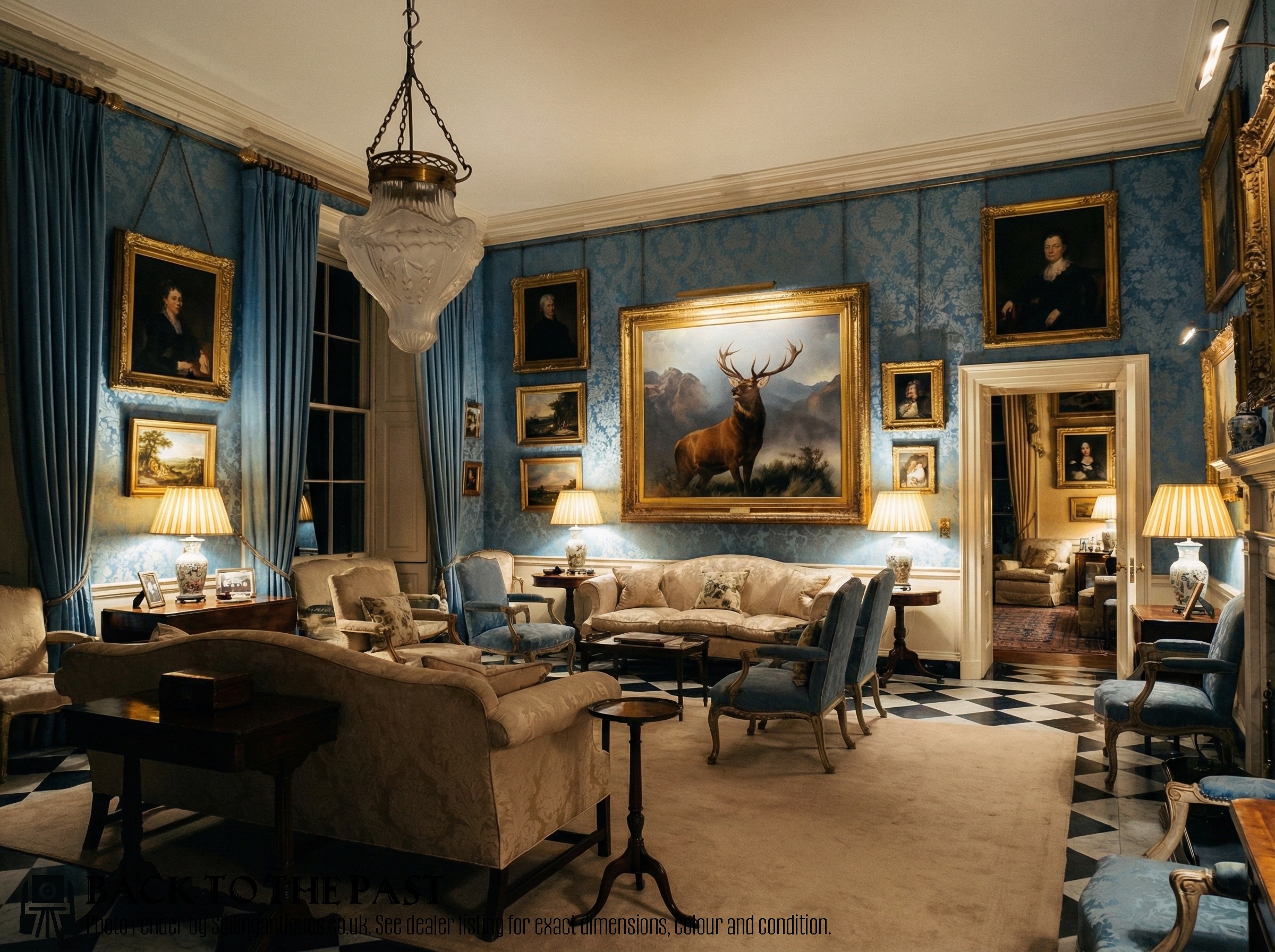
These fixtures suit hallways, entrance lobbies, and high-ceilinged rooms where overhead suspension works best. Their enclosed or shaded designs direct illumination downward while casting decorative patterns.
Ensure adequate ceiling height and floor clearance when hanging larger lantern styles, particularly in narrow corridors.
How do I date an antique pendant?
Dating relies on stylistic clues, metal types, and the method of glass manufacture. Edwardian and Art Deco pieces display distinct geometric or floral motifs characteristic of their decades.
Twentieth-century examples often feature machine-etched details, whereas nineteenth-century variants may show heavier castings and hand-finished glass panels.
Are these lights rewired for modern use?
Many period pendants have been updated with modern wiring to meet current safety standards. Listings frequently note whether original fittings or modern replacements are present.
Buyers should consult a qualified electrician to inspect and install antique lighting fixtures safely in a modern home.
What is the difference between a hall lantern and a ceiling pendant?
Hall lanterns are typically enclosed box or hexagonal fixtures with glazed panels designed to protect the light source from drafts. Ceiling pendants often refer to suspended shades or bowl configurations.
Both serve similar functional roles in overhead lighting but offer distinct visual silhouettes depending on the room.