


Edwardian Pendant Lantern
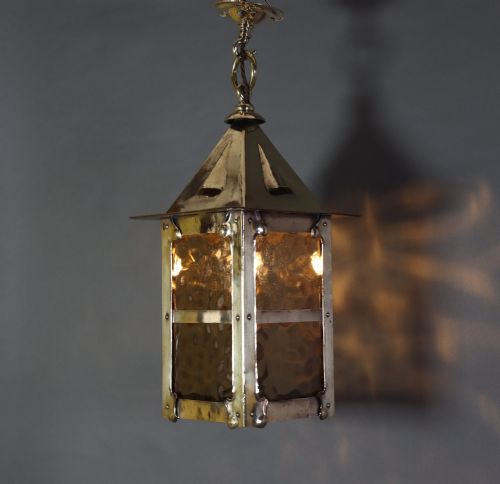
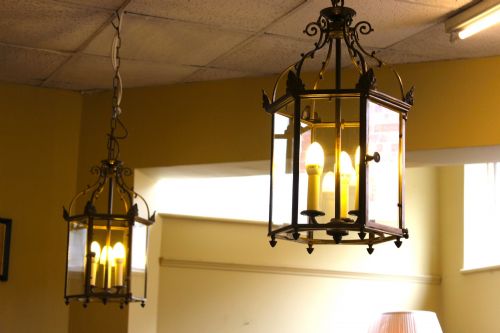
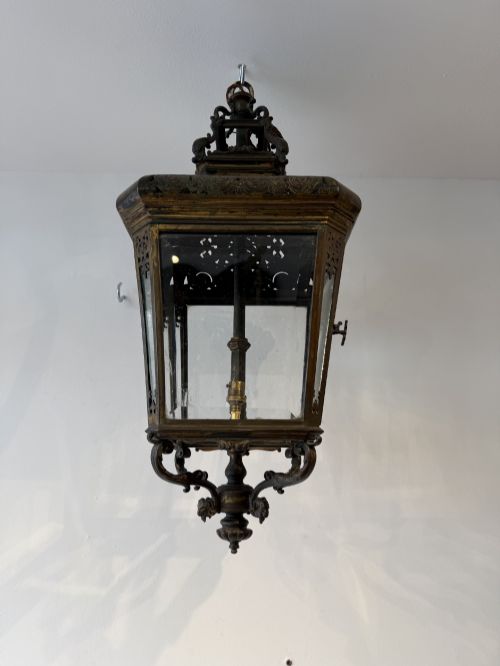
An edwardian pendant lantern brings overhead illumination to entrance halls and stairwells, combining utilitarian metalwork with decorative glass panels.
Edwardian Pendant Lantern
An edwardian pendant lantern is an overhead lighting fixture designed to hang from ceilings in entrance halls, corridors and vestibules. These pieces originate primarily from the Edwardian period and the early twentieth century, though related examples span from the late nineteenth century into the nineteen-thirties.
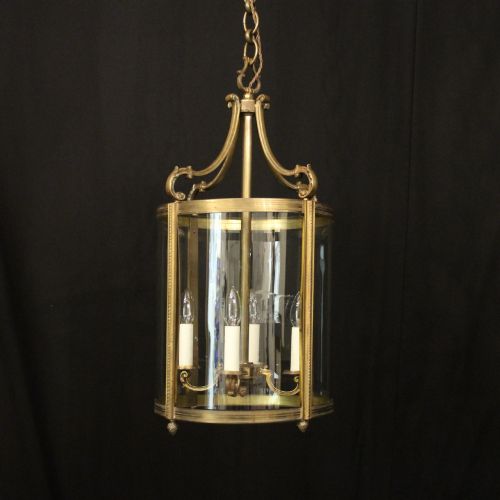
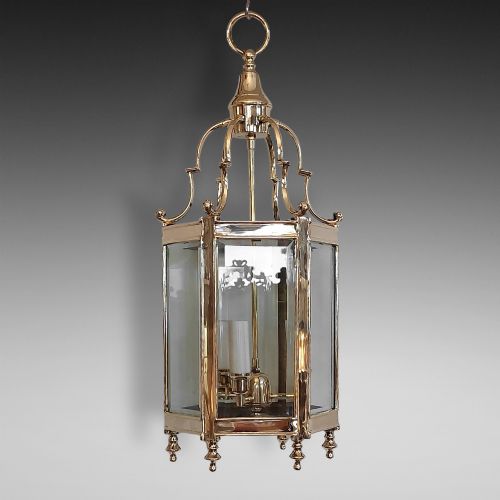
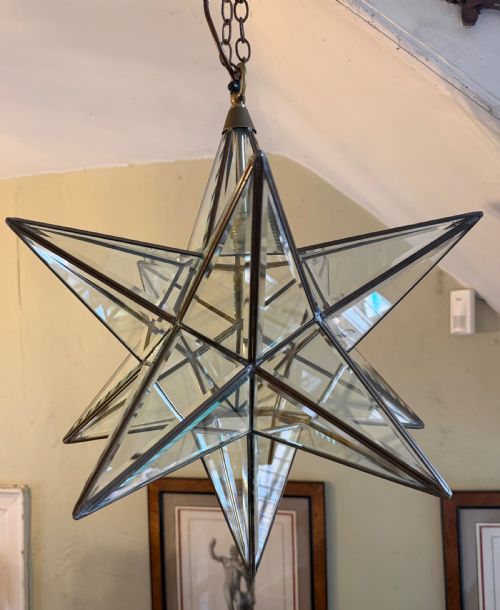
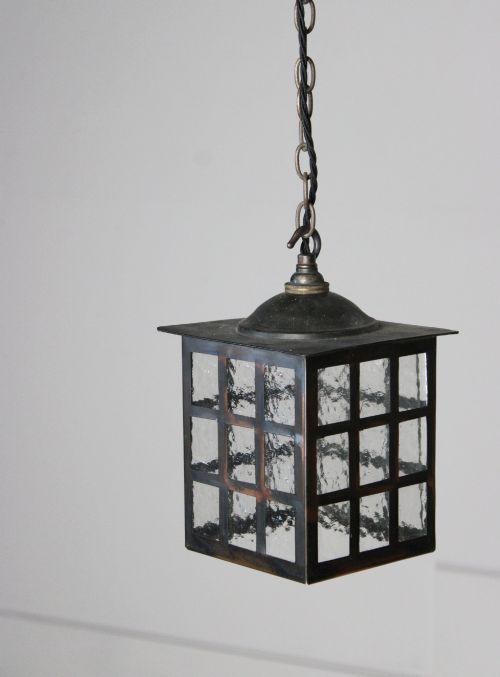
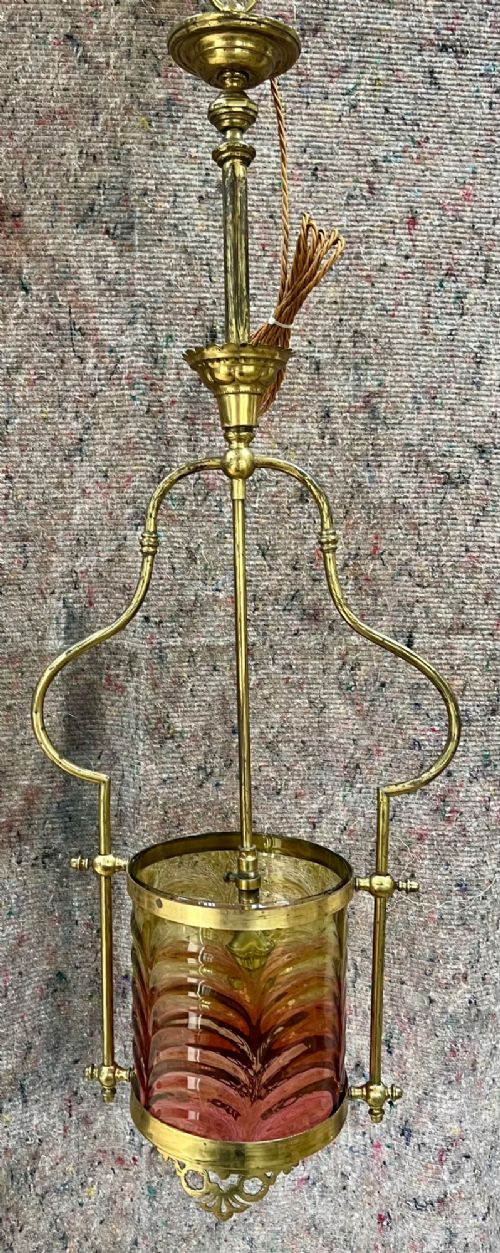
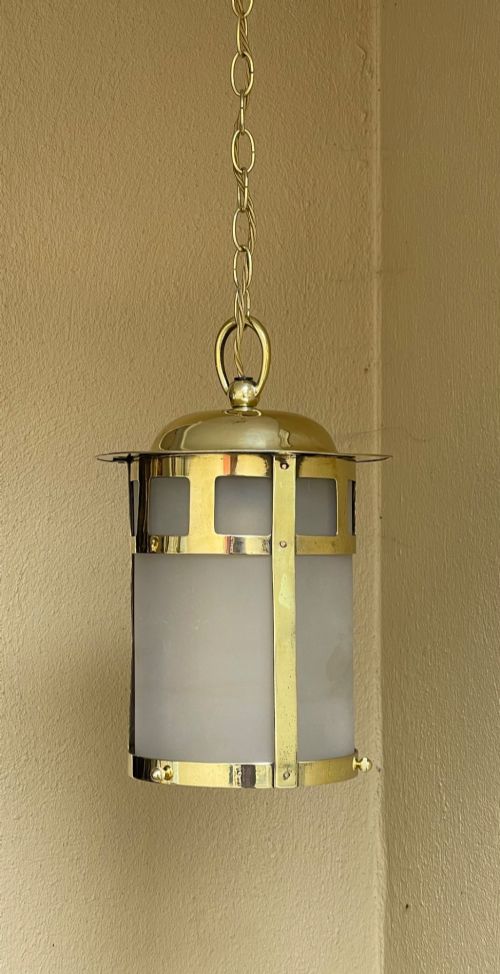
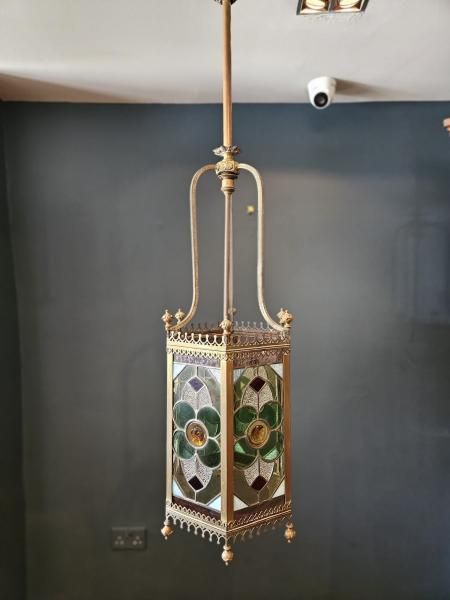
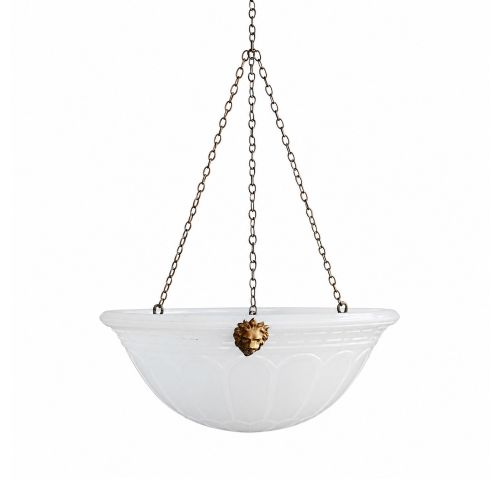
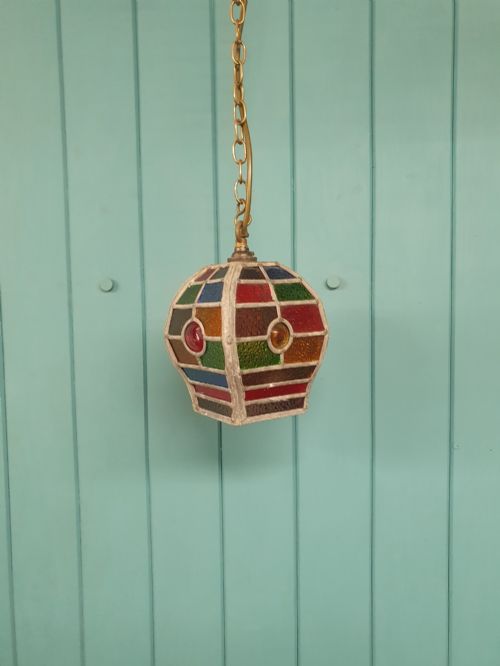
The form typically involves a metallic frame enclosing glazed panels, suspended by a chain, rod or cord from the ceiling. Hexagonal and square geometric shapes dominate the selection, alongside spherical and star-shaped variants designed to diffuse light across small spaces.
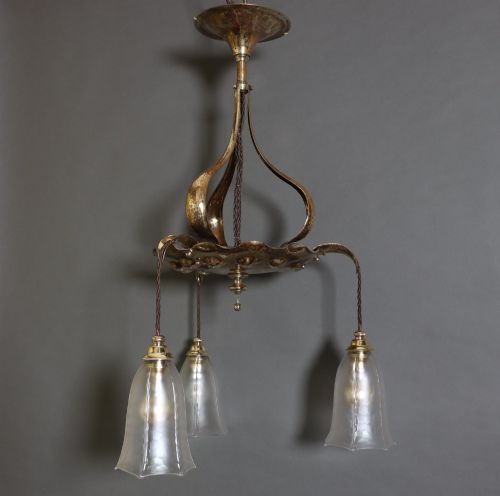
Makers drew on diverse design vocabularies, producing restrained domestic pieces alongside elaborate interpretations influenced by the Arts and Crafts movement, Art Nouveau and French stylistic traditions. The version most commonly met on this page is a brass-framed hexagonal or square hall lantern fitted with clear, bevelled or leaded glass panels.
Materials and construction
The primary structural framework relies on cast and spun metals, principally brass, copper and bronze, occasionally finished with gilding or left in a natural state. Smiths joined these components using mechanical fasteners, solder and rivets to create rigid cages capable of supporting glass.
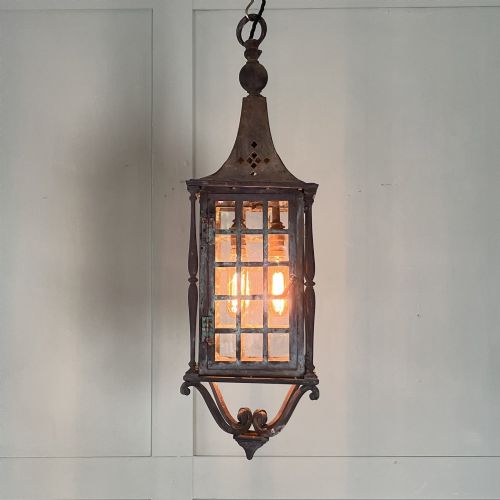
Glazing techniques define the visual character of the fixtures, utilising flat clear panes, thick bevelled glass, leaded stained glass or curved moonstone panels. Arts and Crafts examples occasionally incorporate alternative materials such as hand-stitched leather and vellum within the structural assembly.
One exceptional Edwardian lantern swaps glass entirely for hand-stitched leather and vellum, proving that not every hanging light relies on transparency.
Judging quality
Quality rests upon the weight of the metal framework and the precision of the joinery holding the glass. Heavier gauges of brass or bronze and solid casting indicate superior construction compared to thin pressed sheet metal.
The refinement of the glazing distinguishes finer examples, visible in thick bevelled edges that refract light cleanly or intricate leaded and stained glass work. Original surface patination and complete matching suspension hardware further elevate an individual piece.
F&C Osler·Voysey
The Edwardian Pendant Lantern Glossary
- Bevelled glass
- Glass panes with angled edges ground and polished to a slope, which refracts light and creates a decorative border. This technique adds depth and sparkle to simple geometric frames.
- Hall lantern
- An enclosed hanging light fixture specifically proportioned for narrow entrance spaces and corridors. They direct illumination downwards while casting patterns through translucent sides.
- Leaded glass
- Small panes of glass held together by flexible cames of lead soldered at the joints. This method allows artisans to construct complex geometric or pictorial windows within small lantern frames.
- Arts and Crafts
- A design movement valuing handcraftsmanship, simple forms and honest materials over mass production. Lanterns in this style often display visible construction details and motifs inspired by nature.
- Gilt bronze
- Bronze metal treated with a thin layer of gold applied through fire-gilding or chemical processes. The finish provides a warm, permanent metallic lustre that resists tarnishing.
Edwardian Pendant Lantern: Frequently Asked Questions
Where should I hang an Edwardian pendant lantern?
These lanterns suit entrance halls, vestibules, stairwells and high-ceilinged corridors where overhead suspension is practical. Their enclosed design directs light downwards while casting gentle illumination through the surrounding glass panes.
Ensure adequate clearance beneath the fixture for foot traffic, particularly in smaller hallways. Adjusting the suspension chain allows the lantern to sit at the correct visual and functional height for the space.
How do I determine the period of a lantern?
Dating relies upon examining the metal alloys, construction methods and stylistic motifs present in the frame. Edwardian and early twentieth-century pieces often display specific proportions and decorative vocabularies associated with Arts and Crafts or Art Nouveau designs.
Hardware details such as original chain links, ceiling roses and electrical fittings, where retained, offer further clues to the manufacturing era. Comparing the specific patination and casting quality helps distinguish turn-of-the-century work from later reproductions.
Are these lanterns wired for modern electricity?
Many surviving lanterns have been adapted for modern electrical supplies during their working lives. Some retain older internal lampholders while others require rewiring by a qualified professional to meet current safety standards.
It is advisable to inspect the internal wiring upon acquisition and consult an electrician regarding safe installation in domestic settings. The original physical structure usually accommodates contemporary LED or standard filament bulbs without altering the exterior appearance.
What maintenance do antique glass and brass lanterns need?
Routine care involves dusting the metal framework with a soft dry cloth and cleaning the glass panels with a mild glass cleaner. Avoid abrasive polishes on aged brass or bronze surfaces to preserve the natural patination built up over decades.
Checking the suspension loop, ceiling hook and internal hanging wire periodically ensures the fixture remains securely supported overhead. Gentle handling prevents damage to leaded joints and delicate bevelled glass edges during cleaning.