
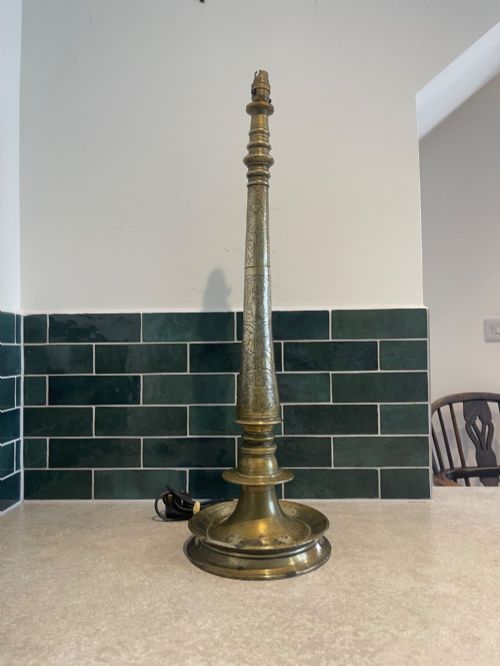
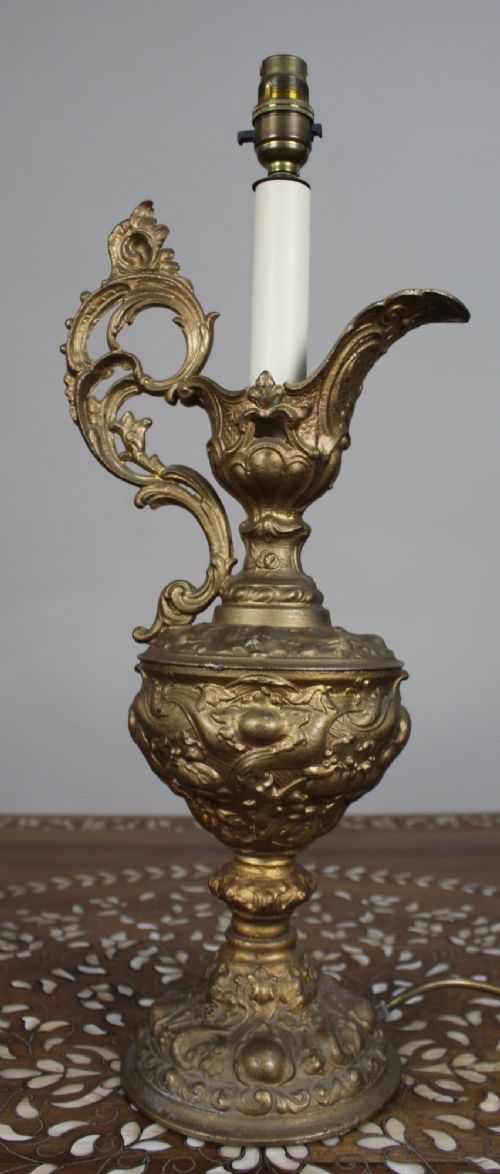


Antique Metal Table Lamp
When you search for an antique metal table lamp, you find illumination shaped by cast brass, patinated bronze, and gleaming silver plate across various periods.
Antique Metal Table Lamp
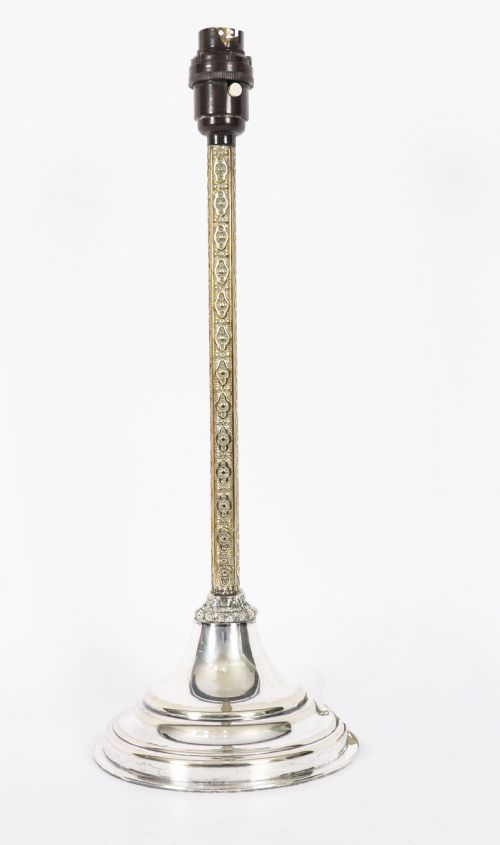
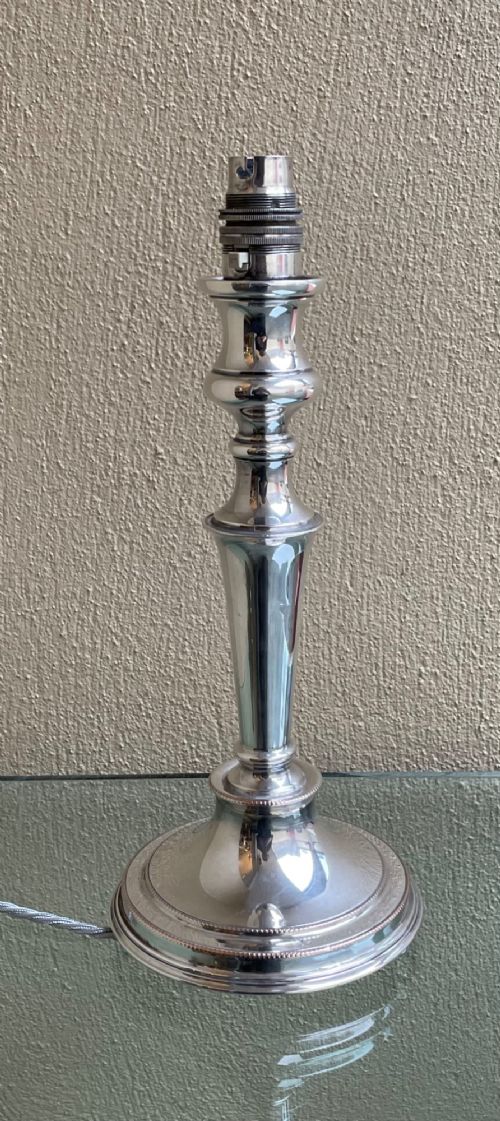
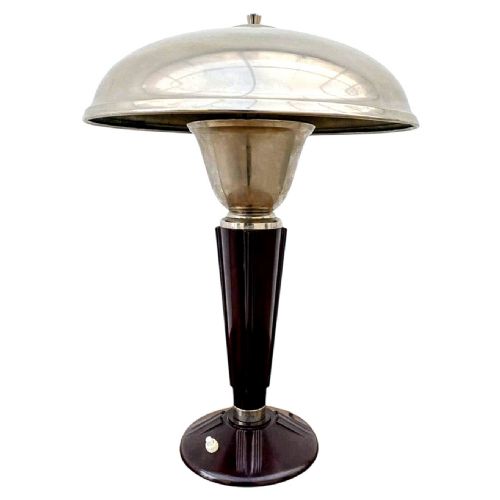
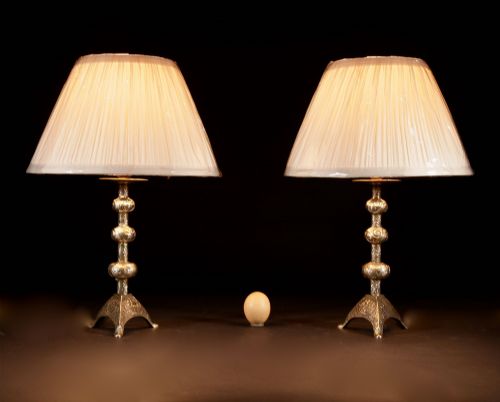
An antique metal table lamp brings industrial utility and decorative grace together on a desk, sideboard, or occasional table. You will frequently encounter brass, gilt metal, and silver-plated forms spanning the Victorian era, Edwardian period, and the 1920s and 1930s.
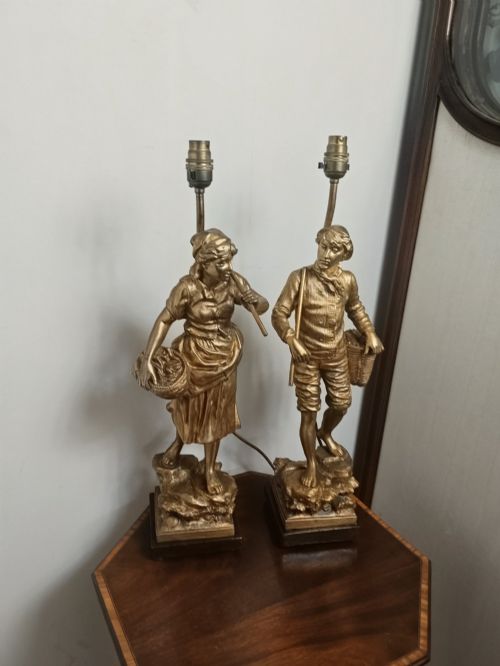
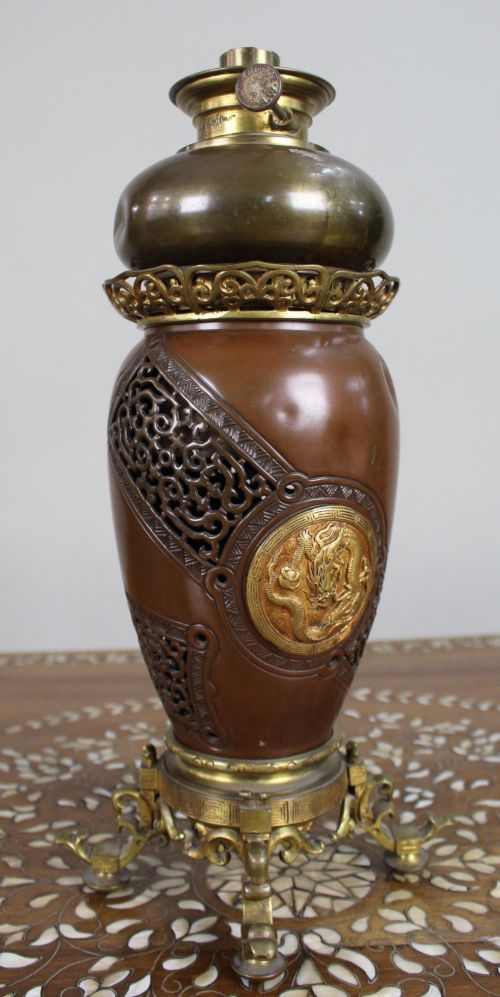
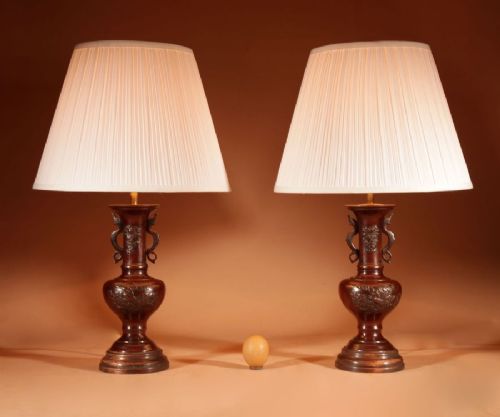
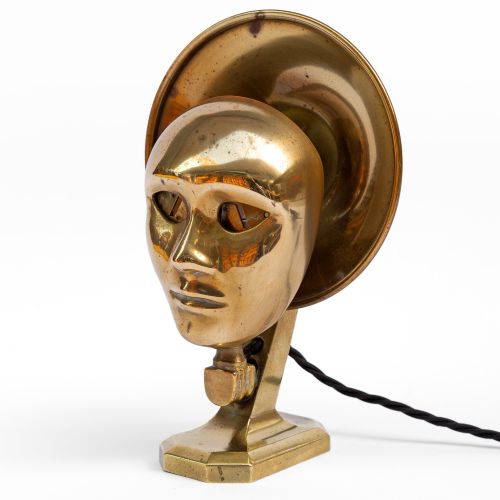
The selection ranges from converted oil lamps and ewer forms to Art Nouveau figural pieces and geometric Art Deco designs. Many originate from French workshops, British makers, and Japanese Meiji period bronzes adapted for modern interiors.
Makers often drew upon historical styles such as Neoclassical, French Empire, and the Arts and Crafts movement to cast these durable desk and table fittings. Whether standing on a marble base or cast entirely from metal, each piece reflects the prevailing interior aesthetic of its decade.
How they were made
Metals including brass, bronze, copper, and silver plate were shaped through casting, hammering, and turning, sometimes mounted on marble, onyx, or alabaster bases. Artisans employed techniques like parcel gilding, patination, and tole-peinte painting to finish the surfaces.
Many structural lighting bodies began life as oil lamps, candlesticks, or andirons before conversion to electricity. Fine detailing often included applied cast ornamentation, such as tassels, cherubs, or botanical motifs.
Some sturdy table lamps began life guarding a hearth as heavy cast iron owl andirons before joining the living room.
What varies in quality
Quality rests in the crispness of the metal casting, the weight of the bronze or brass, and the integration of secondary materials like marble and glass. Superior examples display careful chasing and finishing by hand rather than mass-produced uniformity.
The integrity of the original surface patination or gilding distinguishes finer pieces from later, heavier-handed interventions. Makers who utilised substantial gauges of metal and robust internal engineering produced items that retain structural stability.
Mappin & Webb's·Eileen Grey·E Rousseau·L & F Moreau·W A Benson·Wild And Wessel
The Antique Metal Table Lamp Glossary
- Gilt metal
- Metal coated with a thin layer of gold or gold paint. This technique added decorative brilliance to cast brass and bronze bodies.
- Toleware
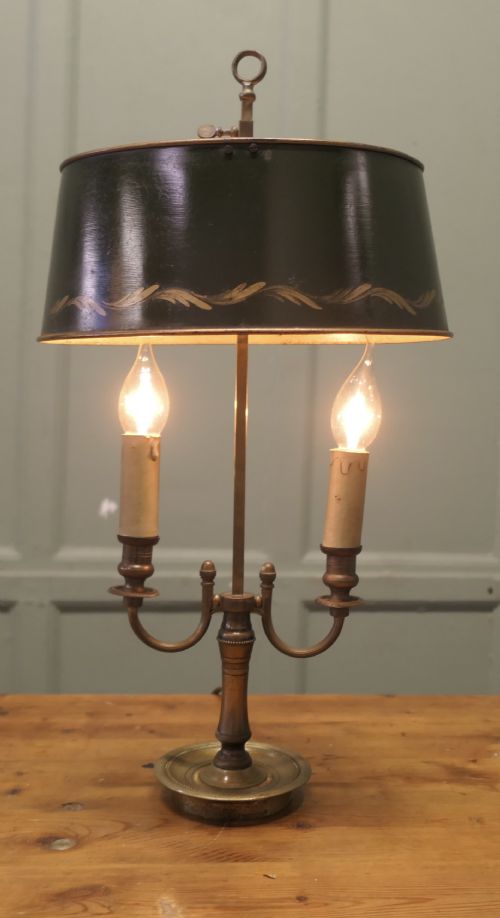
- Enamelled or lacquered metalware, typically painted in deep green, red, or black. It frequently appeared on Bouillotte and desk lamps.
- Cloisonné
- An ancient technique for decorating metalwork objects with colourful material held in place by thin metal strips. It is seen on imported vases adapted into lighting.
- Spelter
- A zinc alloy used as a cheaper substitute for bronze. It was cast into decorative figures and patinated to mimic heavier metals.
- Bouillotte lamp
- An adjustable metal desk lamp featuring a central shaft and a painted shade. It was originally designed for the card game of the same name.
Antique Metal Table Lamp: Frequently Asked Questions
How do I date an antique metal table lamp?
Dating relies on stylistic clues, manufacturing methods, and materials that align with periods like the Victorian era, Art Nouveau, or Art Deco. Examining the wiring methods, switch types, and base construction provides further context.
Makers' marks or stamps pressed into the metal often reveal specific workshops or retailers. Comparing the casting style to documented pieces from the same decade helps narrow down the origin.
Were these always electric lamps?
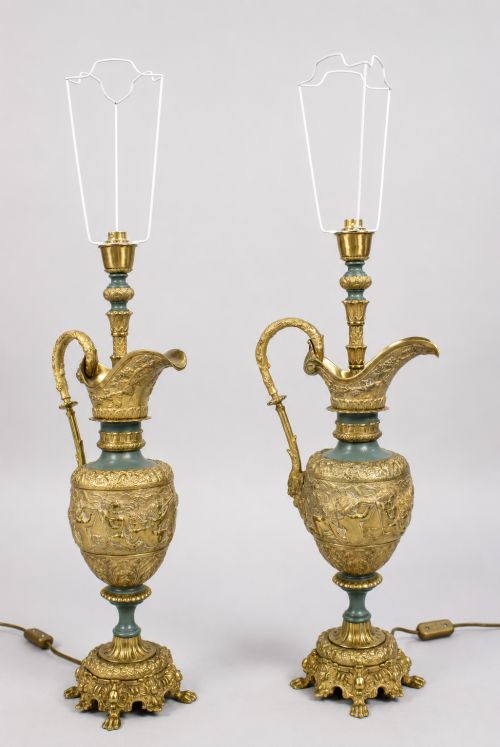
Many surviving examples began as oil lamps, candlesticks, andirons, or tea canisters before later conversion to electricity. Metal urns and ewers were also routinely adapted for domestic lighting.
Conversions often preserve the original vessel while incorporating modern internal wiring. This adaptive history is a standard feature of antique lighting.
How should I clean a patinated brass lamp?
Dusting gently with a soft, dry cloth preserves the historical surface and prevents the loss of patination. Avoid harsh metal polishes that strip away the aged character accumulated over decades.
If the metal requires more attention, mild soapy water on a damp cloth followed by immediate drying is safest. Protecting the original finish maintains both the visual appeal and the integrity of the piece.