
Antique Column Lamp
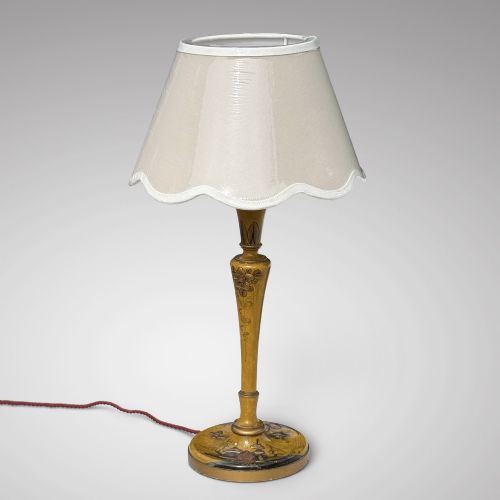
An antique column lamp brings architectural height and classical balance to a room, channelling ancient orders into domestic lighting.
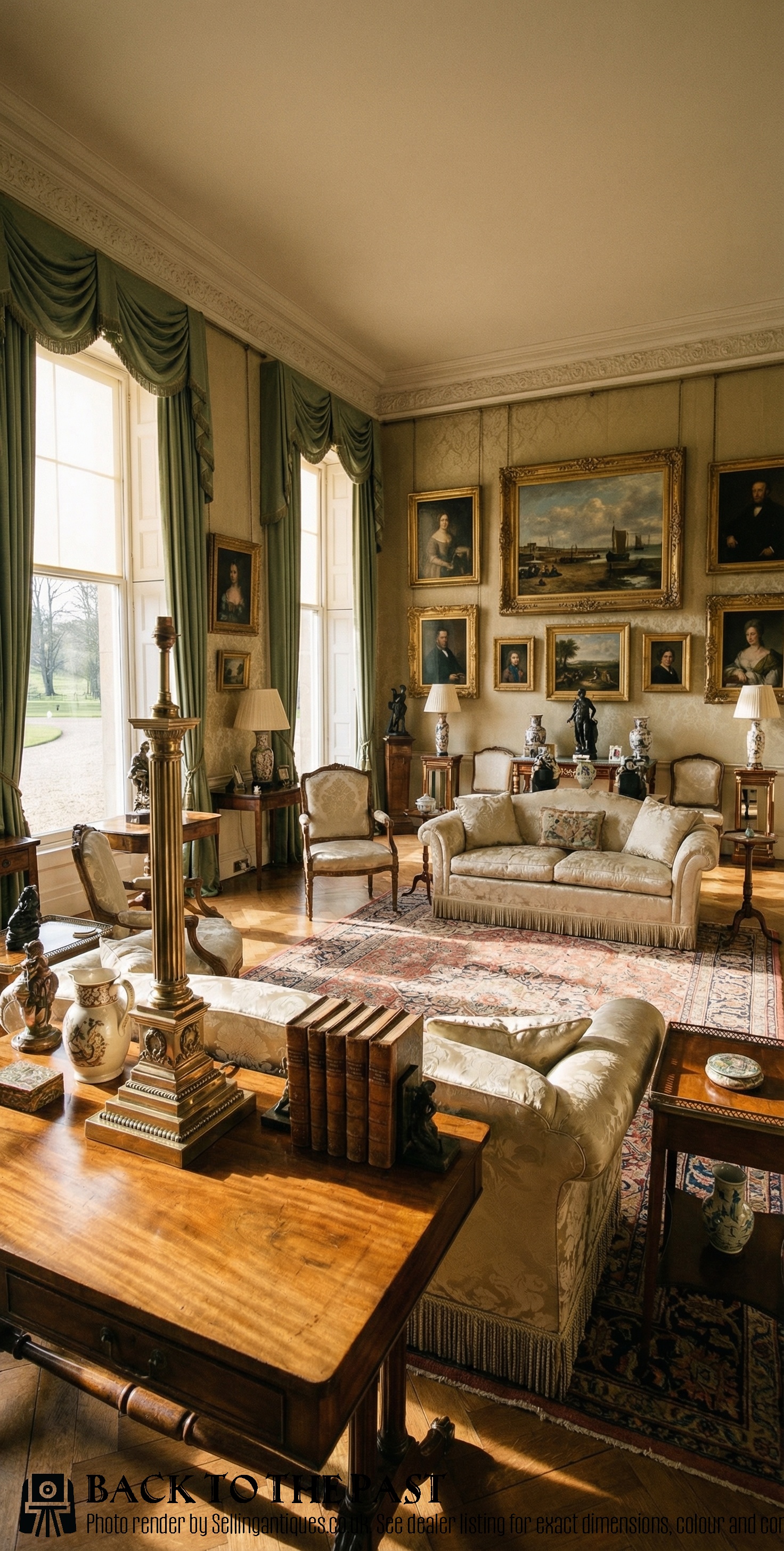
The Form and Origins
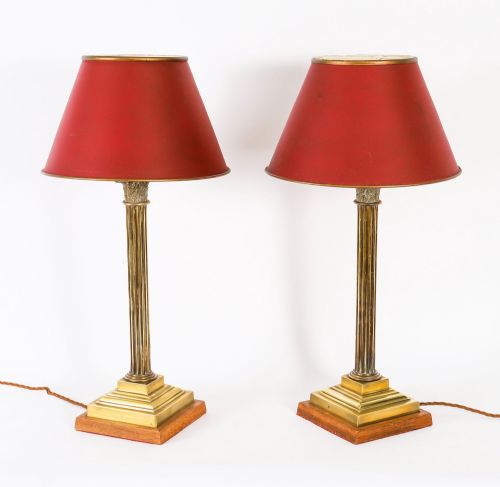
When you search for an antique column lamp, you encounter lighting fixtures modelled after ancient architectural orders such as Doric, Ionic and Corinthian. These pieces lift the light source above the furniture surface, creating a distinct vertical accent in an interior scheme.
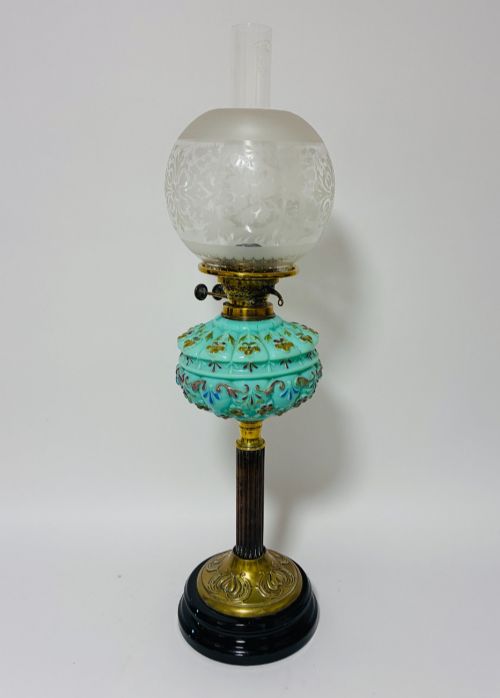
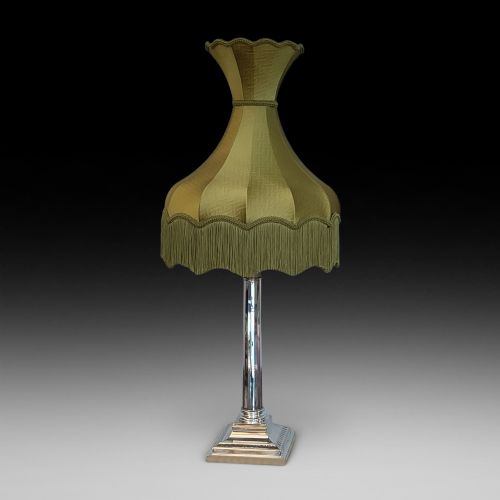
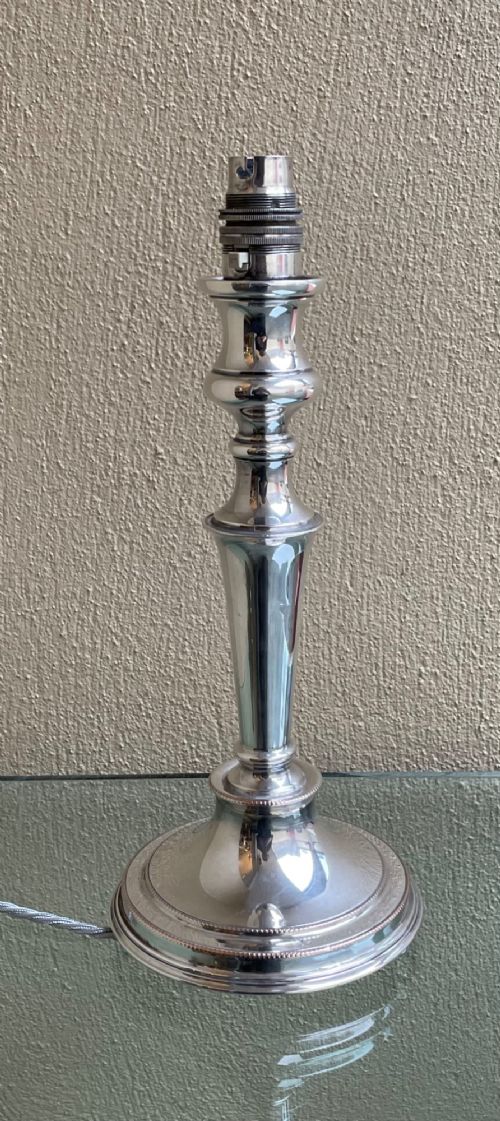
The selections on this page span several centuries, drawing heavily on seventeenth-century woodwork through to Edwardian and early twentieth-century metalwork. You will frequently meet versions cast in brass, bronze or silver plate, alongside carved wooden pillars and cut glass bodies.
Many examples began life as oil lamps or candlesticks before conversion to electricity, retaining their heavy bases and stepped plinths. French Empire and Neoclassical styles dominate the aesthetic, favouring symmetry, acanthus leaf capitals and stepped square bases.
Materials and Construction
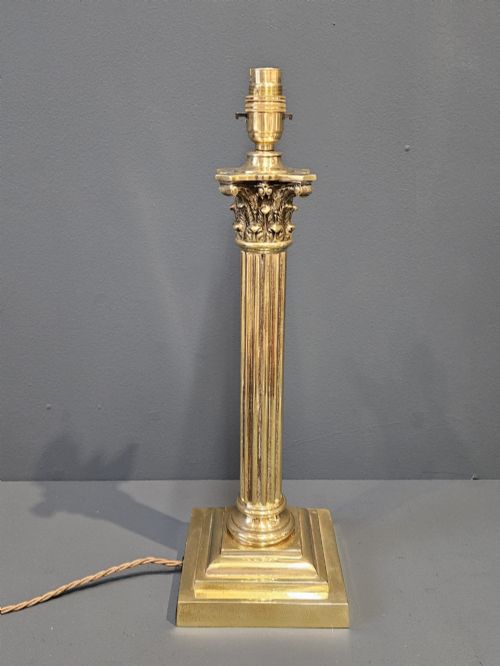
Makers utilised heavy cast metals including brass, ormolu, gilt bronze and silver plate to give these tall standards sufficient stability at the base. Turning lathes shaped solid timber columns in oak and mahogany, sometimes paired with gesso and paint.
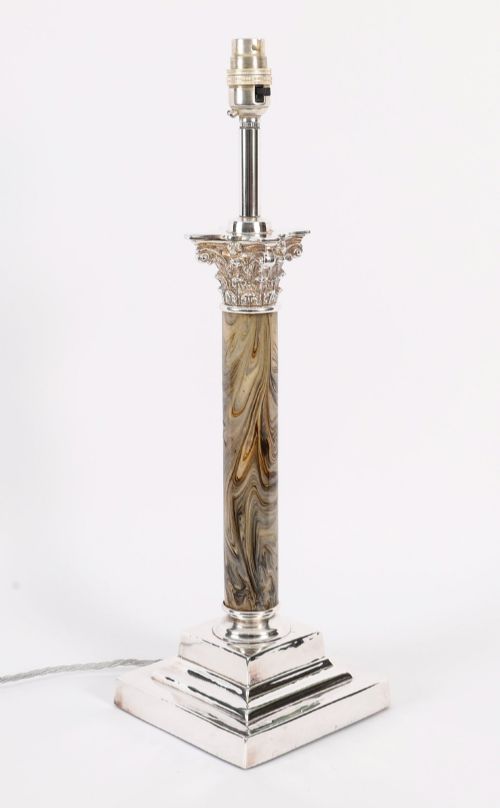
Glass sections incorporated heavy cut crystal or vibrant cranberry glass, often secured with threaded metal rods running through the centre. Metal components combined sand-casting, chased surface detailing and applied electroplating.
Retail Price Guide 2026
Typical UK retail prices for column lamp, calculated from the Sellingantiques database of over a million retail prices indexed since 2003. This retail price guide relies exclusively on Sellingantiques data; no external sources or auction records are used, so the figures do not describe the wider market.
Several converted oil lamps still hide their original wick turning knobs deep within the brass collar.
Distinguishing Quality
The highest quality examples display crisp, deep casting in the acanthus leaves and volutes of the capital, avoiding the softened edges found in cheaper commercial reproductions. Weight and proportion dictate much of the appeal, with superior items offering genuine heft from solid brass or dense hardwoods.
Finishes also separate standard production from exceptional work, particularly the depth of mercury gilding, the retention of original silver plating, or the precision of hand-cut facets in glass reservoirs.
The Antique Column Lamp Glossary
- Corinthian column
- A classical architectural column style distinguished by an ornate capital decorated with carved or cast acanthus leaves. This motif appears frequently on nineteenth and twentieth-century metal table lamps.
- Ormolu
- Finely ground high-carat gold mercury-gilded to a bronze base, providing a rich yellow lustre. Makers used this technique extensively on French Empire lighting.
- Cluster column
- A grouping of several slender shafts clustered together around a central post, commonly executed in mahogany on Edwardian examples.
- Capital
- The uppermost member of a column, situated directly beneath the lamp fitting. It often receives the most elaborate sculptural detail.
- Plinth
- The flat, weighted block forming the base of the lamp, designed to prevent tipping. Plinths often feature stepped mouldings or classical paw feet.
Frequently Asked Questions
What is an antique column lamp?
An antique column lamp is a lighting fixture styled after classical architecture, using a tall vertical shaft mounted on a weighted base.
These pieces adapt ancient Greek and Roman column designs into functional table and standard lamps for domestic interiors.
Were these lamps originally electric?
Most older examples started as oil lamps with glass fonts or as candlesticks before later conversion to electricity.
Conversions often preserve the original metal columns while updating the internal wiring for modern domestic use.
How do I date a brass column lamp?
Dating relies on stylistic clues, casting methods, and the type of metal plating or surface wear present on the piece.
Edwardian and Victorian pieces often show specific manufacturing marks, heavier Corinthian capitals, and distinct patination on the brass.
Where should I place a column lamp?
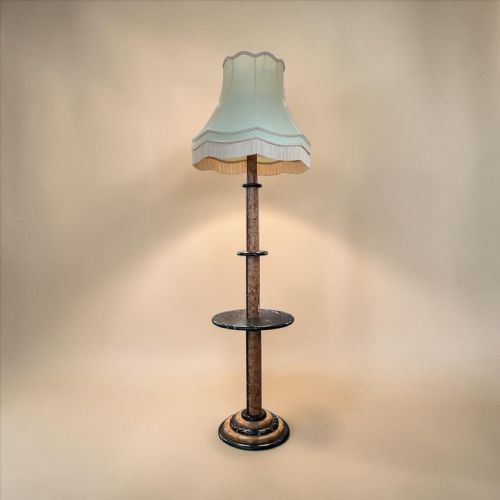
Their height makes them well-suited for sideboards, large desk surfaces, or floor-standing standard positions in reception rooms.
The vertical form draws the eye upward, adding a sense of formal proportion to corners or empty wall spaces.