
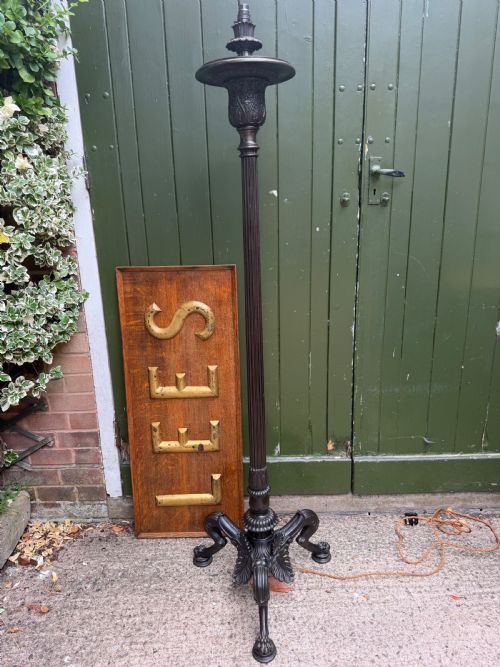
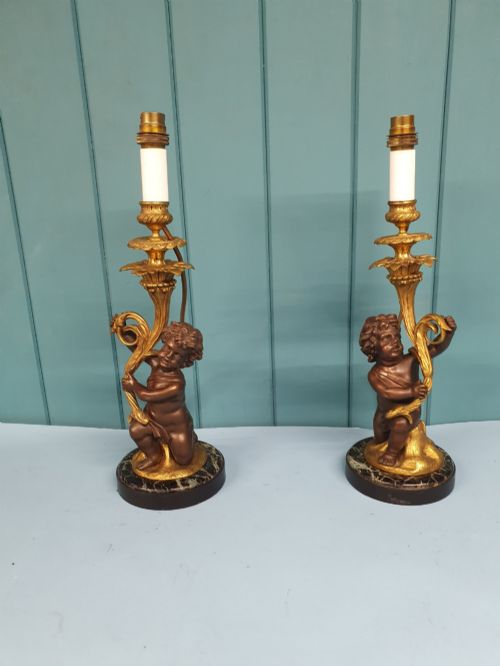
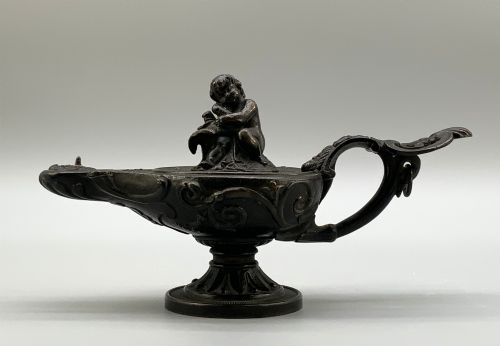
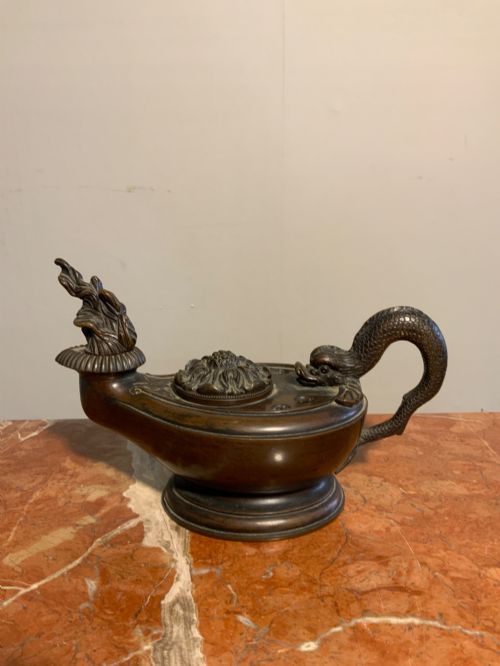
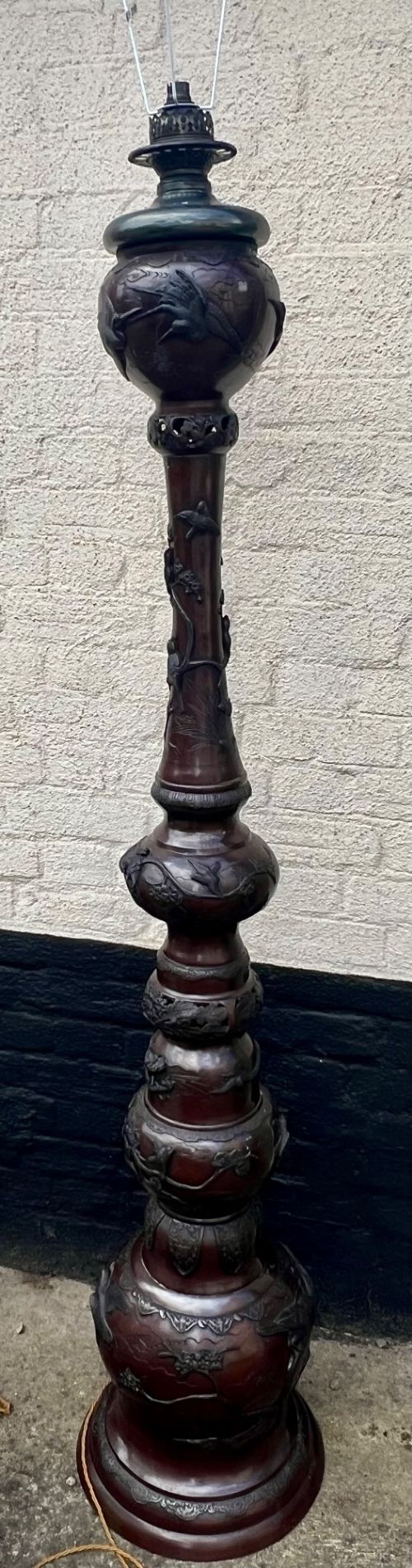
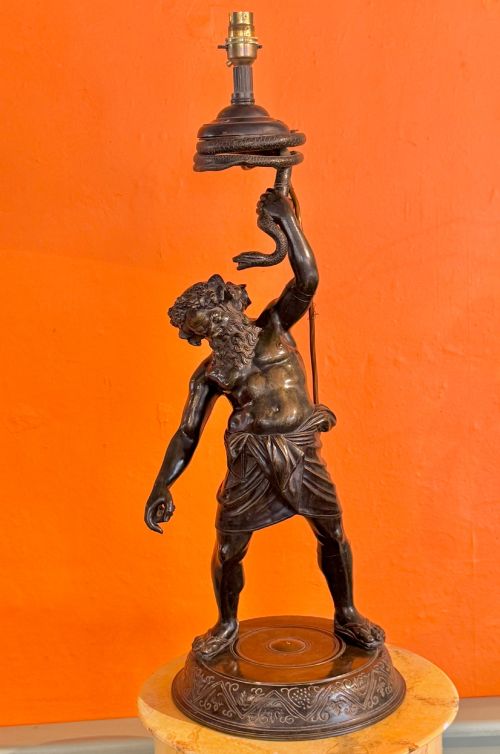
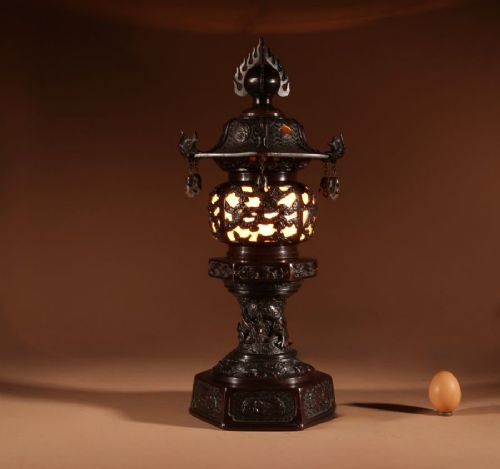
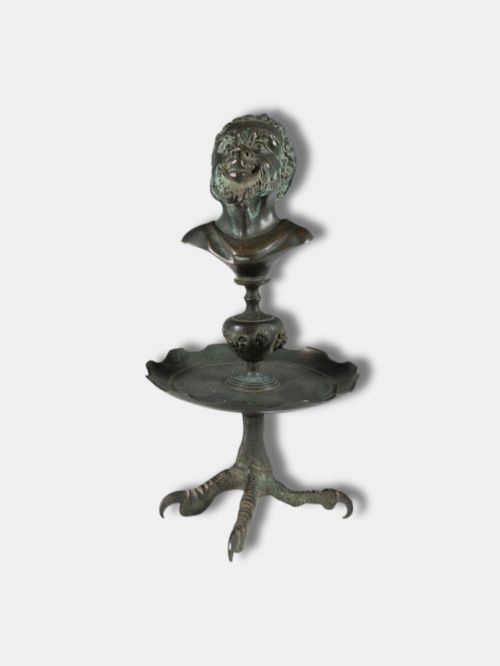

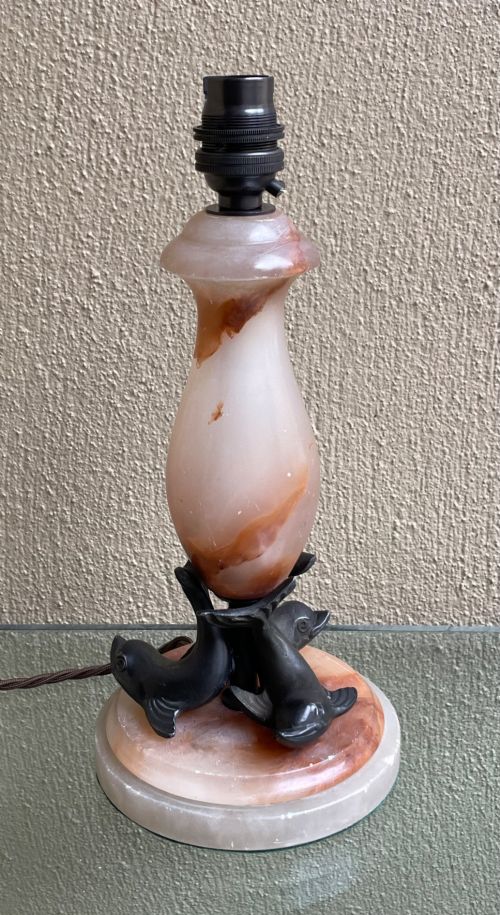
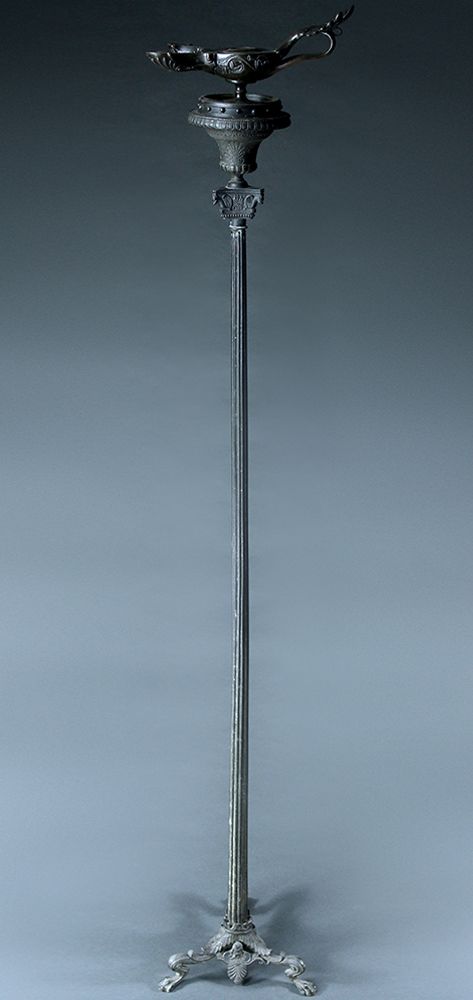
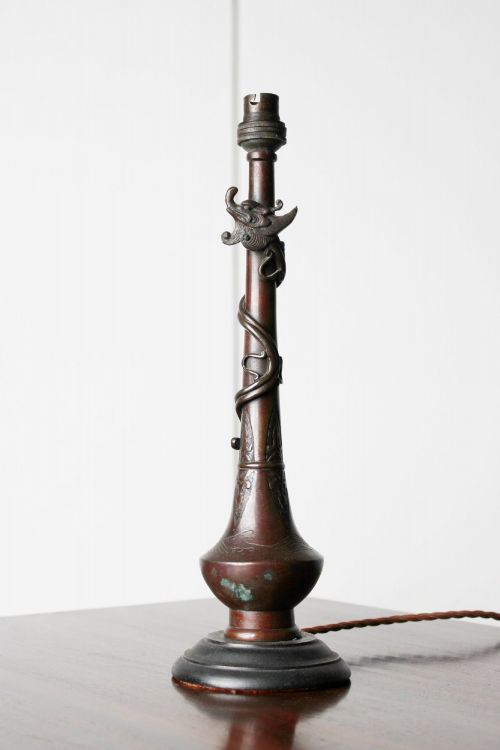
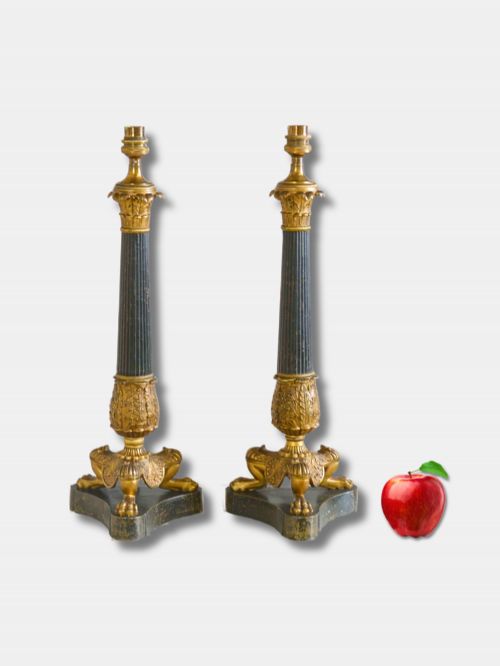
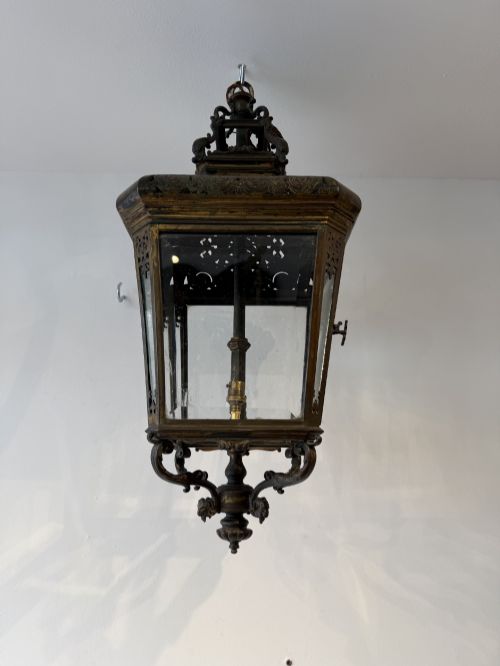
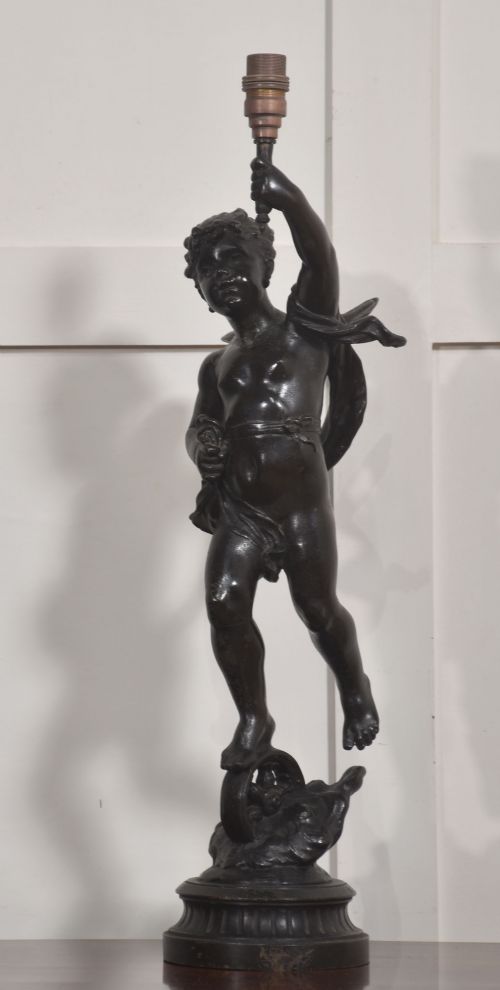

Patinated Bronze Lamp
A patinated bronze lamp brings depth and tactile weight to a room, offering dark metallic finishes paired with sculptural form.
Identifying patinated bronze lamp examples
A patinated bronze lamp combines cast metalwork with functional illumination, taking the form of table lamps and standard lamps rooted in historical design. When you search for a patinated bronze lamp, you encounter pieces spanning the nineteenth century through the early twentieth century, drawing on Grand Tour, Art Nouveau, Neoclassical, and French Empire styles.
Materials and construction methods
The primary material is bronze, often combined with gilt bronze or brass, alongside components of glass, fabric, and wood. Many pieces utilise contrasting patination techniques to accentuate cast details against polished or gilt highlights.
Construction relies on traditional foundry casting methods, resulting in substantial sculptural bodies that were later adapted for electrical wiring from earlier oil or candle configurations.
Retail Price Guide 2026
Typical UK retail prices for patinated bronze lamp, calculated from the Sellingantiques database of over a million retail prices indexed since 2003. This retail price guide relies exclusively on Sellingantiques data; no external sources or auction records are used, so the figures do not describe the wider market.
Listings feature 19th Century, 1900, 1930, and 1880 periods across table lamp and standard lamp formats.
Assessing the range of quality
The integration of secondary materials, such as glass cabochons or finely chased ormolu mounts, distinguishes workshop-attributed output from standard commercial production of the period.
G. Amodio Naples·Georges Leleu
The Patinated Bronze Lamp Glossary
- Patination
- The chemical or natural ageing of a bronze surface resulting in distinctive colouration. This process enhances the sculptural depth of the metal.
- Ormolu
- Gilt bronze applied to decorative mounts and decorative details. It provides a bright contrast to dark patinated bronze.
- Grand Tour
- A nineteenth-century tradition of acquiring souvenirs from classical sites in Italy. These items often replicated ancient sculptures and artefacts.
- Archaistic
- A style that consciously imitates ancient or primitive art forms. It frequently appears in pieces referencing early Chinese bronzes.
Frequently Asked Questions
Are these lamps converted from older objects?
Many nineteenth-century lighting pieces began as oil lamps, vases, or sculptural bronzes before receiving electrical fittings later in their history.
This conversion process preserves the original decorative body while updating the functionality for modern interiors.
How do I care for patinated bronze?
Maintenance requires only gentle dusting with a soft, dry cloth to protect the delicate surface treatment.
Avoid chemical polishes or abrasive cleaners, which can strip away the historical patination and expose bare metal.
What styles are most common?
The available selection leans heavily towards French Empire, Neoclassical, and Art Nouveau aesthetics, reflecting major European design movements.
Pieces also include Grand Tour souvenirs and Chinese antique or archaistic forms adapted for western homes.
Can I use standard lampshades?
Most pieces accept standard fittings depending on the specific harp or shade carrier attached to the historical lamp body.
Consider the scale of the bronze base when selecting a fabric or glass shade to maintain proportional balance.