





Classical Figure Lamp
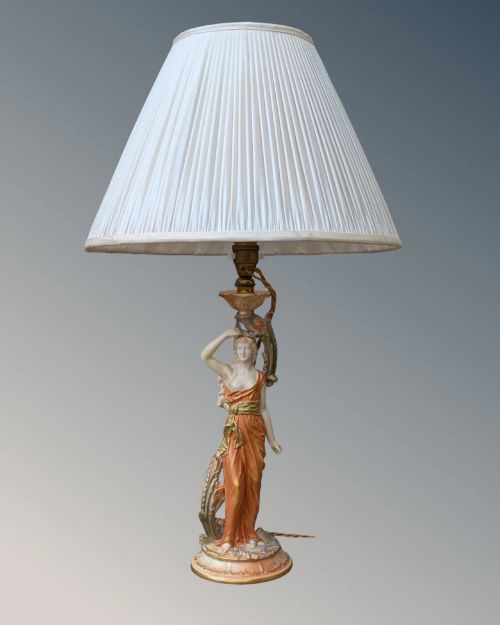
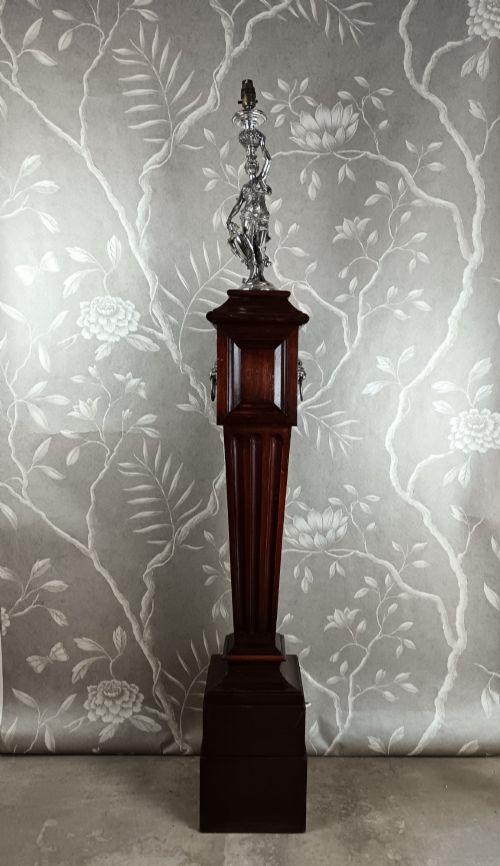
A classical figure lamp brings mythology and antiquity into a room, cast in bronze, spelter or porcelain to hold a light.
Classical Figure Lamp
A classical figure lamp combines sculptural human forms with illumination, drawing on antique mythology, allegorical subjects and historical figures. Buyers seek these pieces to anchor a room with classical dignity while providing functional lighting through table lamps, floor lamps and torcheres.
The pieces appearing on this page span the nineteenth century into the early twentieth century, taking shape through French Neoclassical, Art Nouveau, Victorian and Regency aesthetics. Materials range from cast bronze and gilded spelter to fine porcelain, marble and carved wood.
Makers and foundries across Britain, France, Italy and America translated classical motifs into domestic lighting, producing table lamps, floor lamps, wall lights and converted vases. Figures such as Atlas, Venus, Apollo and various allegorical personifications feature prominently.
How They Were Made
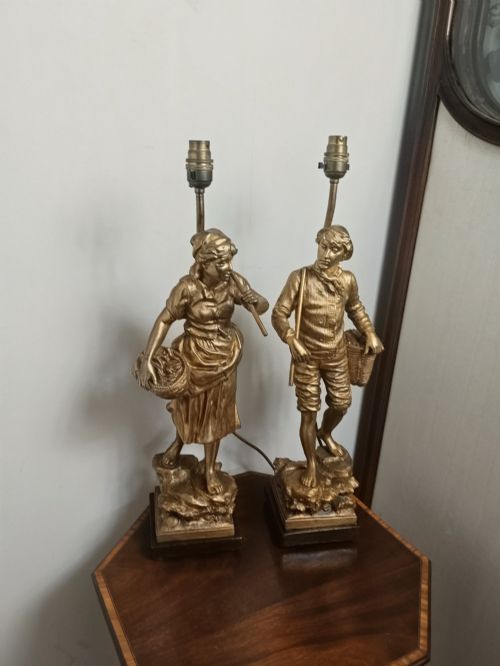
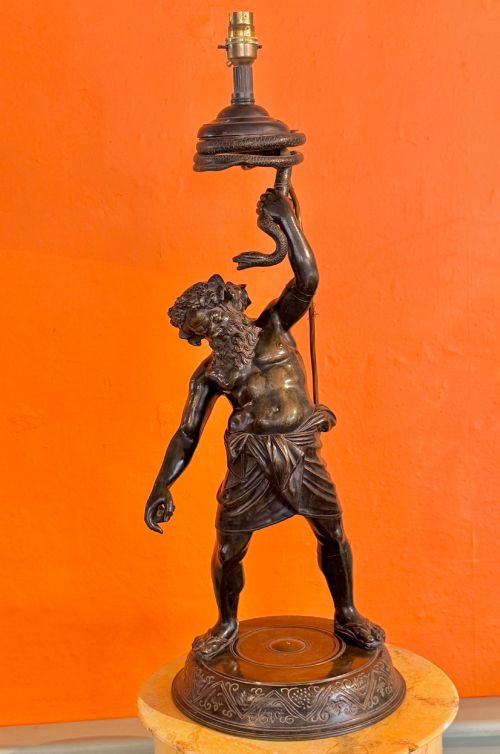
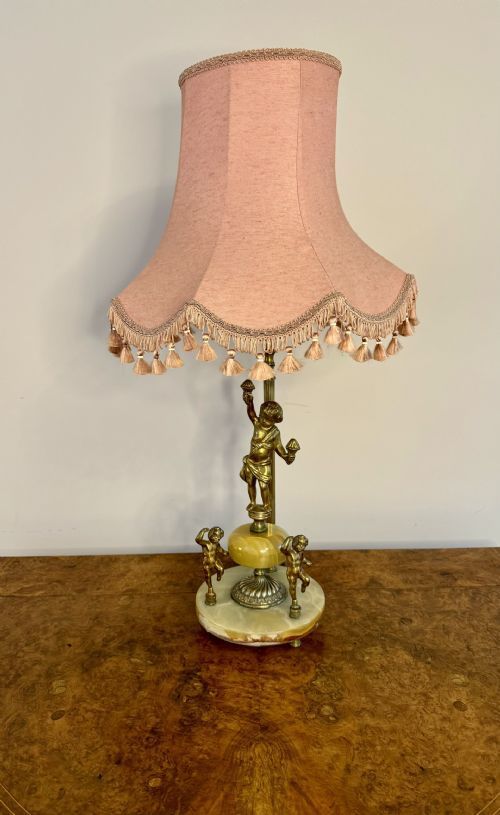
Foundries utilised bronze casting, or worked in cheaper base metals like spelter, applying patination, cold painting or gilding to simulate solid precious metal. Bases frequently incorporated carved marble, onyx or slate to support the weight of the metal figures.
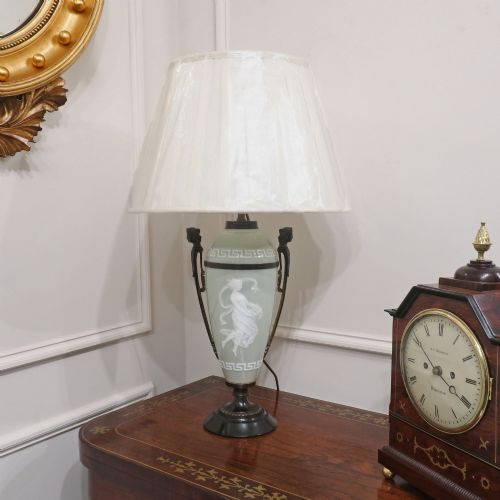
Ceramic examples relied on porcelain bodies, including pate sur pate and Paris porcelain, shaped into vases or figures before being fitted for oil or electricity. Glass elements, such as frosted Baccarat components, and rock crystal columns introduced translucency to the designs.
Classical Figure Lamp Retail Price Guide 2026
Typical asking prices for classical figure lamp among the pieces listed under this phrase on Sellingantiques today, from the lower quarter to the upper quarter. They describe what is for sale here now, not the wider market.
The site listings feature table lamps, floor lamps, torcheres, wall lights and statues spanning the seventeenth through to the twentieth century.
What Varies in Quality
The crispness of the chased detail on bronze castings separates superior sculptures from softer, mass-produced metalwork. Signed pieces by identified sculptors and foundries demonstrate higher artistic intent and finishing than anonymous workshop output.
The choice of supporting materials, such as heavy statuary marble versus simpler timber bases, dictates the substance of the piece. Integrated detailing on the figures and original mounting hardware reflect the standard of the original commission.
E Rousseau·G Amodio Naples·L & F Moreau·WMF·Royal Worcester·Messenger·F De Luca·Emile Picault·Humphrey Hopper·Jean-Jules Cambos·Samuel Alcock·Coutan·Auguste Moreau
The Classical Figure Lamp Glossary
- Torchere
- A tall stand or floor lamp designed to hold a light or candle. These often take the form of a classical figure holding aloft a torch or light fitting.
- Spelter
- An alloy of zinc and lead used as a less expensive alternative to bronze. It was frequently painted, bronzed or gilded to imitate more costly metals.
- Pate sur pate
- A ceramic technique where wet white porcelain slip is painted onto a coloured clay body in successive layers to create a low relief cameo effect.
- Ormolu
- Gilded bronze, typically produced by applying a mercury and gold amalgam to cast brass or bronze. This finish creates a rich, lasting surface sheen on nineteenth-century pieces.
Classical Figure Lamp: Frequently Asked Questions
What periods do these lamps come from?
The listings span the nineteenth century and the early twentieth century, encompassing Regency, Victorian and Edwardian eras. French Neoclassical and Art Nouveau movements heavily influence the design vocabulary.
Craftsmen drew inspiration from Grand Tour discoveries and classical antiquity, resulting in pieces produced across several decades.
Were these always electric lamps?
Many examples began life as oil lamps, torcheres, or decorative vases and figures before later conversion to electricity. Some floor standing torcheres and table fittings retained or adapted their original burner mechanisms.
Rewiring is common to ensure modern electrical safety while preserving the antique body.
How do I identify the figures depicted?
Figures often represent mythological deities, muses or allegorical concepts such as justice, peace and fortune, frequently identified by inscribed titles on the base. Attributes like a globe, torch, lyre or specific animals provide clues to the subject matter.
Signatures from sculptors or foundry marks stamped into the metal also help attribute the work.
Where should I place a large torchere?
Tall floor-standing torcheres suit corners of reception rooms or beside heavy furniture where their height balances the room's proportions. They function effectively as statement pieces that provide ambient upward illumination.
Pairing matching figures can frame a doorway or fireplace mantel.