
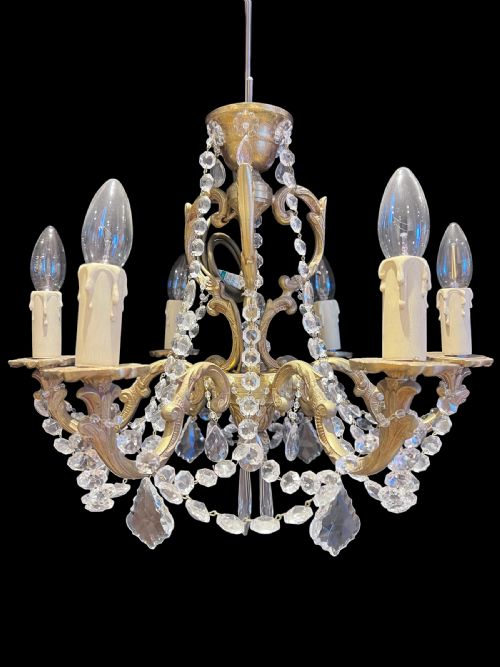
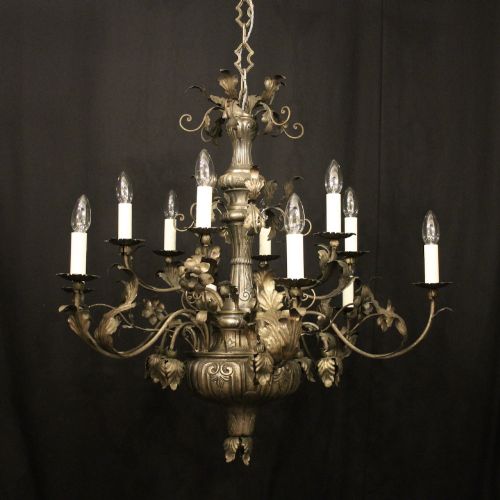
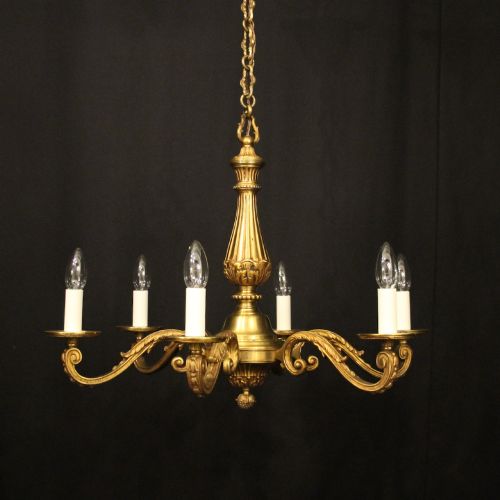
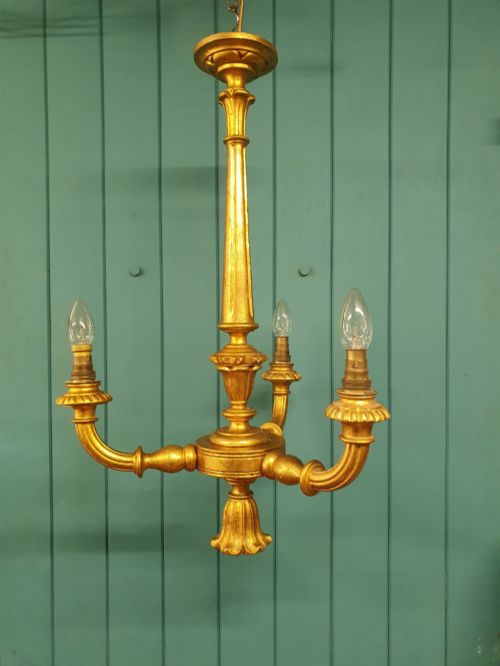
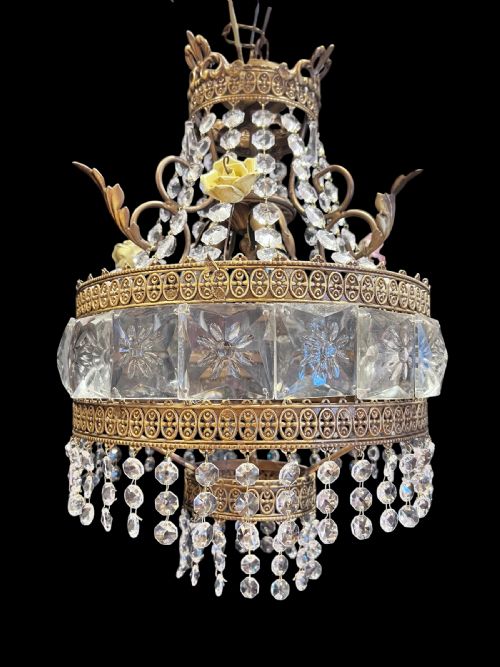
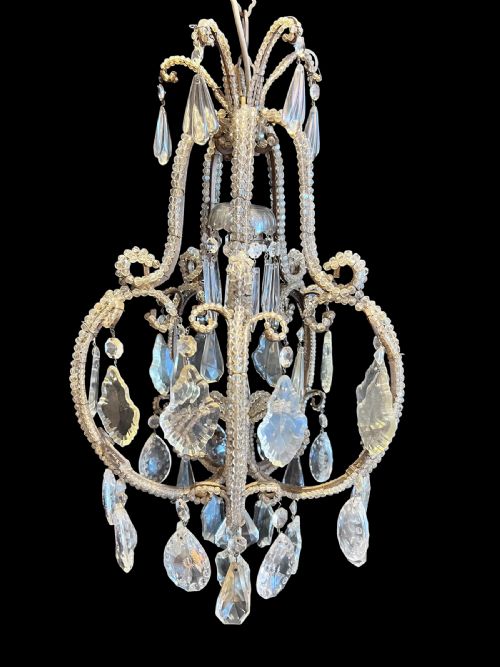
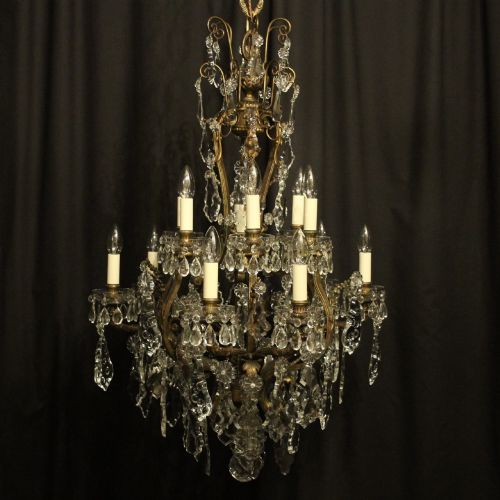

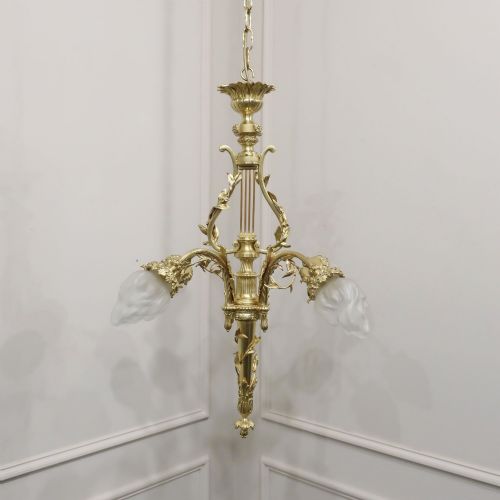
Antique Light Fitting
An antique light fitting transforms a room instantly, offering period character and warm illumination from a century or more ago.

Identifying your antique light fitting
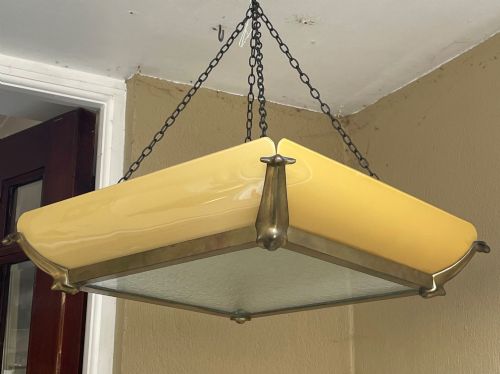
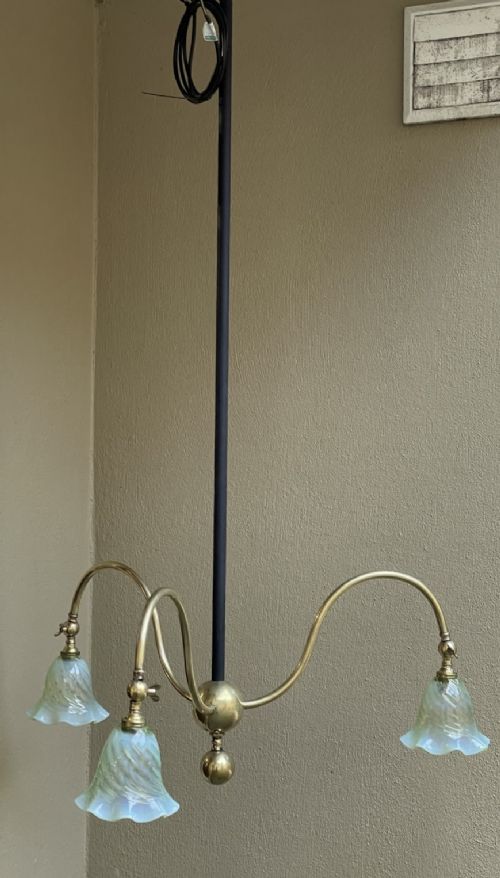
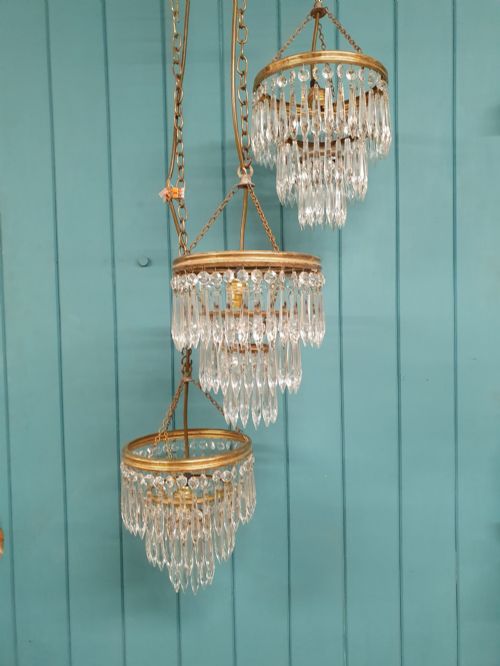
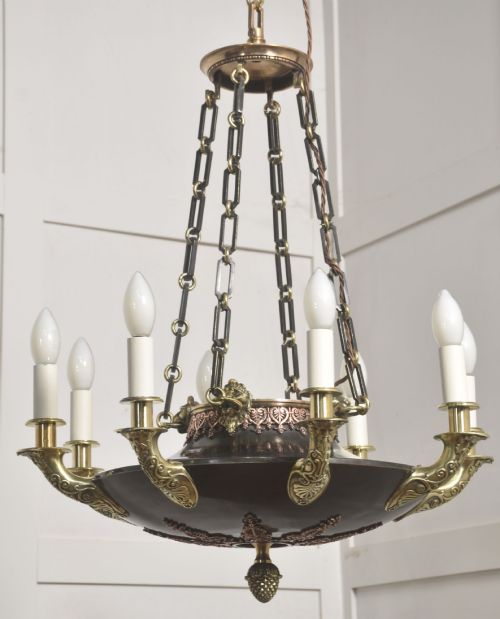
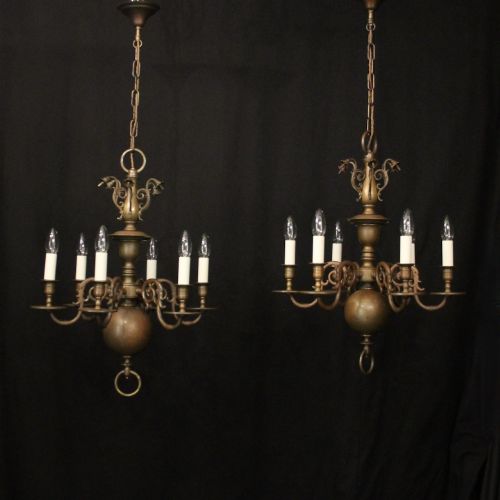
When you search for an antique light fitting, you encounter a diverse range of ceiling lights, chandeliers, and lamps dating from the early twentieth century. These fixtures span styles such as Art Deco, Arts and Crafts, and French Neoclassical, reflecting the interior tastes of their respective decades.
The objects originate from various periods including the Edwardian era, the nineteen-tens, nineteen-twenties, and nineteen-thirties. Whether you require a flush ceiling fixture for a modest room or a grand multi-arm chandelier, the forms vary to suit different architectural proportions.
Materials and construction methods
Metalwork forms the structural core of these pieces, utilising brass, bronze, and gilt metal shaped through casting and turning. Artisans applied surface gilding or polished the base metal to achieve distinct lustres appropriate to the style.
Glass components, including moulded shades and hanging crystals, provide diffusion and sparkle. Specialised makers produced prismatic glass elements, such as those designed to control and direct light efficiently.
Retail Price Guide 2026
Typical UK retail prices for light fitting, calculated from the Sellingantiques database of over a million retail prices indexed since 2003. This retail price guide relies exclusively on Sellingantiques data; no external sources or auction records are used, so the figures do not describe the wider market.
Current listings feature pieces spanning the nineteen-tens through to the nineteen-thirties, utilising brass, crystal, alabaster, and wood.
Judging quality in lighting
The distinction between standard production and superior work lies in the crispness of casting and the weight of the metal used. Heavier brass and bronze components indicate a sturdiness that supports intricate detailing and structural integrity over decades of use.
Finishing touches separate ordinary examples from the finest pieces, particularly in the hand-chasing of metalwork and the clarity of glass shades. Superior glass exhibits even thickness and precise moulding without distortion, while gilt surfaces show depth and careful application.
Faraday and Sons·Whytock and Reid
The Antique Light Fitting Glossary
- Chandelier
- A branched ceiling-mounted lighting fixture designed to hold multiple bulbs or candles. They often incorporate decorative glass drops and arms radiating from a central column.
- Holophane
- A brand of scientific prismatic glass known for directing and diffusing light effectively. These ribbed glass shades appear frequently in Edwardian and later industrial or commercial lighting.
- Gilt Bronze
- Bronze metal treated with a thin layer of gold or gold-coloured alloy. This technique provides a rich, metallic finish that resists tarnishing.
- Standard Lamp
- A tall, freestanding floor lamp designed to provide ambient illumination. They typically feature a weighted base and a vertical wooden or metal shaft.
Frequently Asked Questions
How do I date an antique light fitting?
Dating relies on stylistic clues, manufacturing techniques, and materials characteristic of specific decades like the nineteen-twenties or Edwardian period. Examination of the electrical components, fixings, and metal patination also helps determine the approximate age.
Makers' marks or stamps, when present, provide definitive attribution to specific firms or designers of the era.
Can these lights be wired for modern use?
Most vintage fixtures require rewiring to meet current electrical standards and safety regulations. Professional electricians can usually adapt the internal wiring while preserving the external historic components.
Using appropriate modern bulbs ensures the fixture operates safely without generating excessive heat that could damage historic glass or metal.
What is the difference between brass and gilt bronze?
Brass is an alloy of copper and zinc, valued for its warm golden tone and durability. Gilt bronze, sometimes calledormolu, involves applying gold to a bronze base, resulting in a deeper and more lustrous finish.
Bronze generally permits sharper cast details than brass, making it common in higher-end decorative chandeliers.
How do I choose the right size chandelier?
Selection depends on the dimensions of the room and the height of the ceiling. A general guideline involves adding the room's length and width in feet to determine the ideal diameter of the fixture in inches.
Ceiling height dictates the drop of the light, ensuring it hangs low enough to illuminate the space effectively without obstructing movement.