



Vintage Glass Ceiling Light
A vintage glass ceiling light brings architectural clarity to a room, combining brass frames with crystal, frosted or cut glass across periods from the Victorian era to Art Deco.
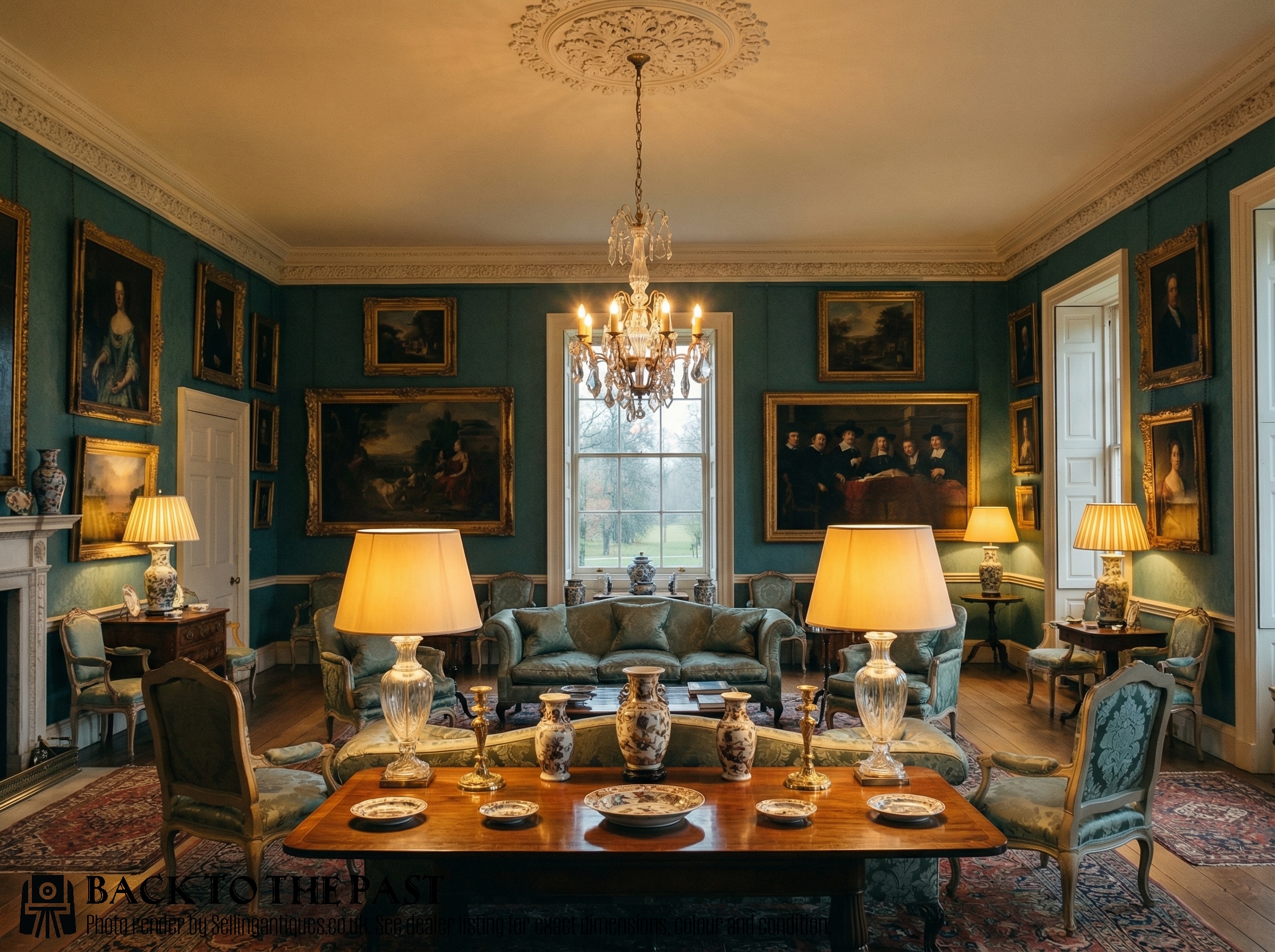
Vintage Glass Ceiling Light
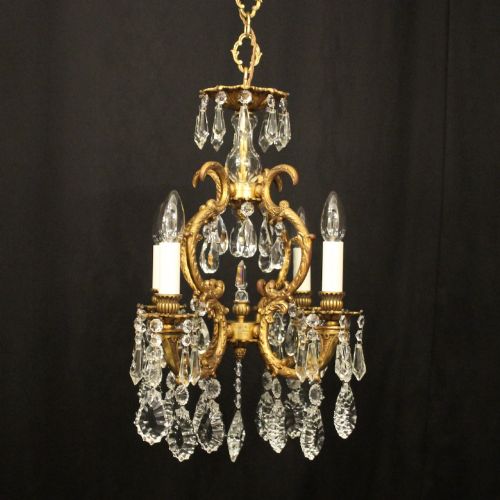
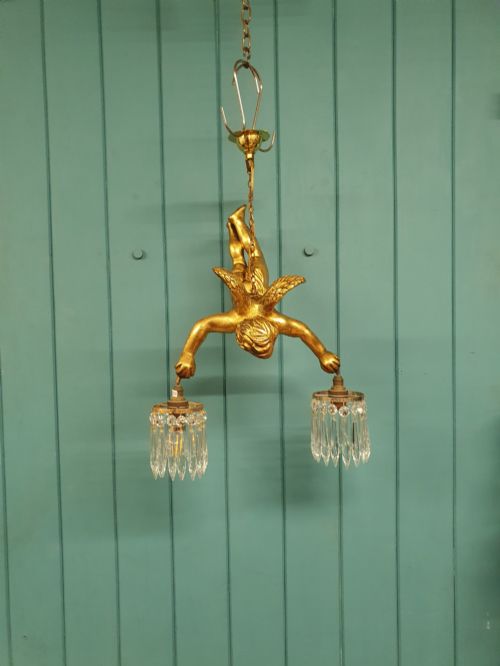
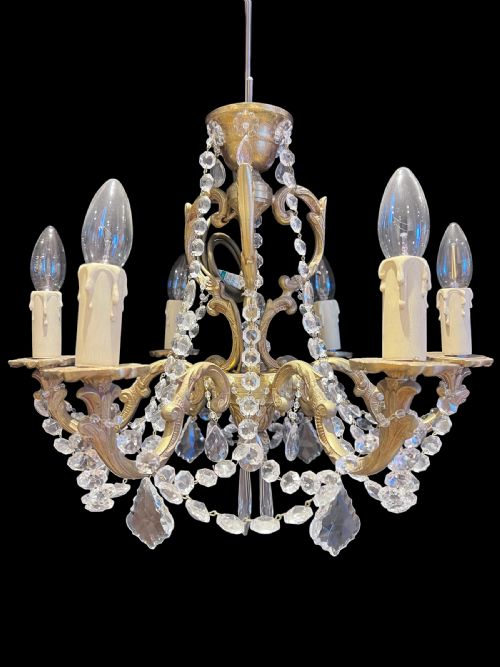
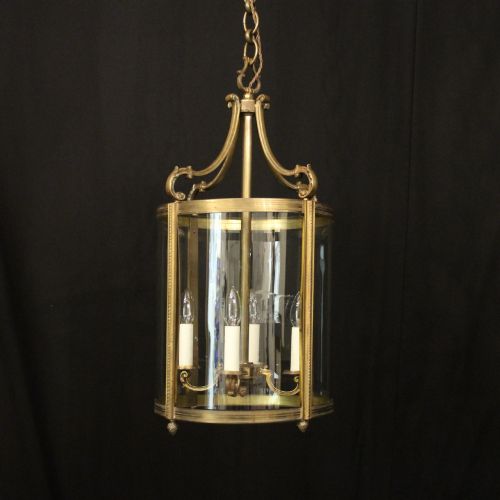
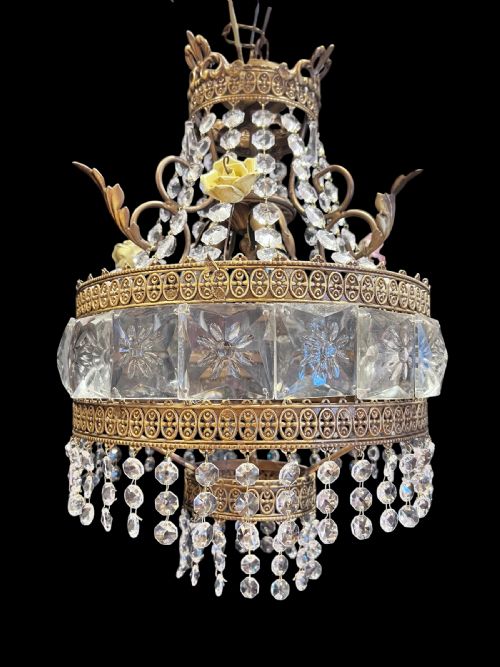
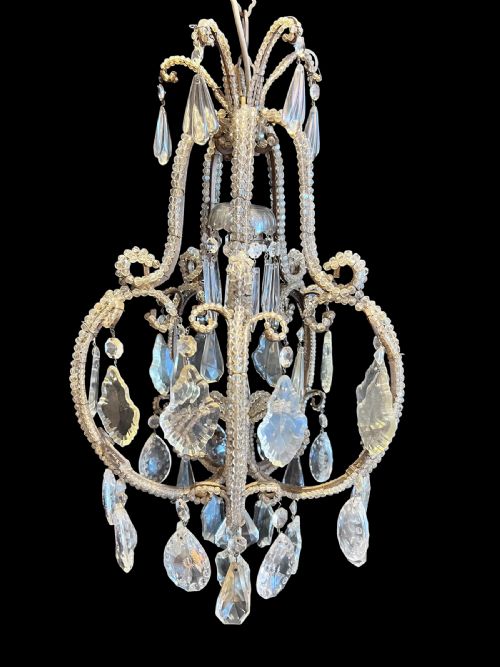
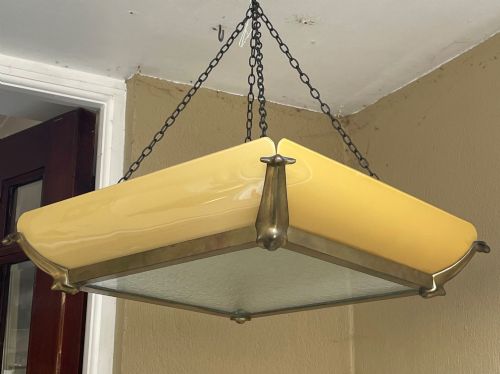
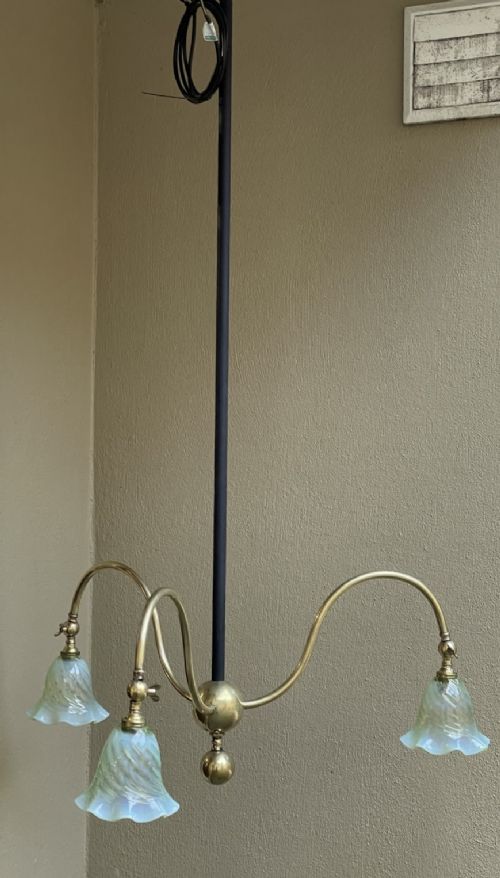
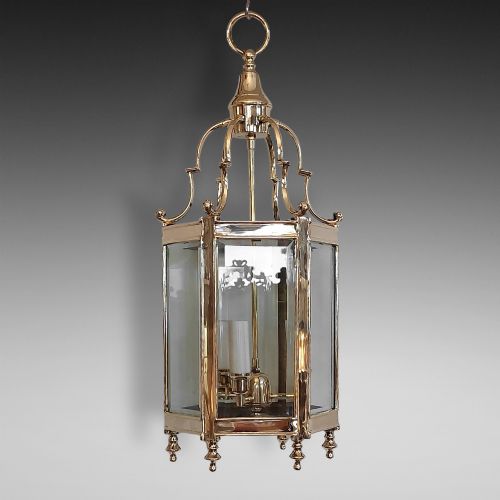
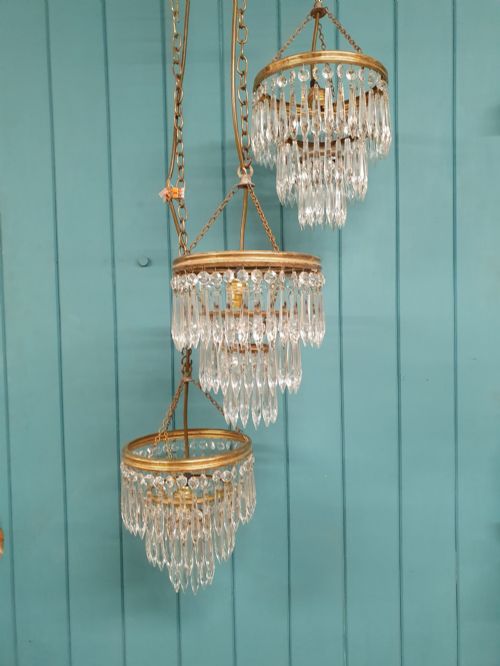
A vintage glass ceiling light encompasses chandeliers, pendant lights, hall lanterns and plafonniers designed to suspend illumination centrally within a space. Buyers seek these fixtures for their distinct period character, ranging from restrained Edwardian brass designs to elaborate French Empire crystal waterfalls.
The selections span the late nineteenth century through to the 1930s, capturing stylistic shifts from Gothic Revival and Arts and Crafts to Art Deco and French Neoclassical. French chateau styles and gilded bronze lanterns appear frequently alongside British brass and copper work.
The most common forms on this page utilise glass panels, beads or drops held in metal armatures of brass, gilded bronze or copper. Whether selecting a simple frosted globe or a multi-light chandelier hung with crystal lustres, each piece reflects the lighting technology and decorative tastes of its decade.
How they were made
Metalwork frames rely primarily on cast or spun brass, gilded bronze, copper and iron to provide a sturdy structural skeleton. These armatures support various glass configurations, including bevelled panes, slip shades, opalescent bowls and moulded crystal drops.
Glass components combine hand-cut crystal, moulded frosted elements and mouth-blown shades secured with pins, chains or bezels. Metal components often feature gilt or silver finishes applied over brass or bronze bases to catch and reflect the internal illumination.
Materials recorded on this page include brass, gilded bronze, cut crystal, frosted glass and copper.
What varies in quality
Quality reveals itself in the crispness of the metal casting and the depth of the hand-finishing on brass and gilded bronze frames. Finer examples display intricate chased detailing, substantial gauge metal and well-balanced proportions that integrate the suspension hardware seamlessly.
Glass elements distinguish standard production from superior work through clarity, weight and precision of cut or mould. Heavy bevelled glass panels, genuine crystal lustres with sharp faceting, and uniform thickness in blown shades elevate the visual impact of the fixture.
Émile-Jacques Ruhlmann·Voysey
The Vintage Glass Ceiling Light Glossary
- Chandelier
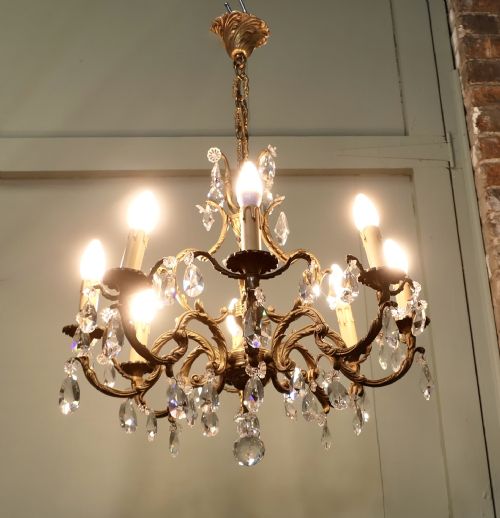
- A branched ceiling-mounted lighting fixture designed to hold multiple bulbs or candles. These pieces distribute light across a larger space using arms radiating from a central column.
- Plafonnier
- A shallow bowl-shaped ceiling light mounted directly to the ceiling or suspended on short rods. This French style directs illumination downwards through frosted or cut glass.
- Hall lantern
- An enclosed hanging light traditionally used in entranceways and corridors. The glass panels protect the light source from drafts while brass or bronze frames provide structural support.
- Crystal lustre
- A cut glass pendant or drop hung from the arms of a chandelier to refract light. These elements multiply the illumination within the room through prismatic reflection.
- Slip shade
- A piece of moulded glass that slides into a metal frame to form an enclosing shade. This technique defined many American and European Art Deco lighting designs.
- Tent and waterfall
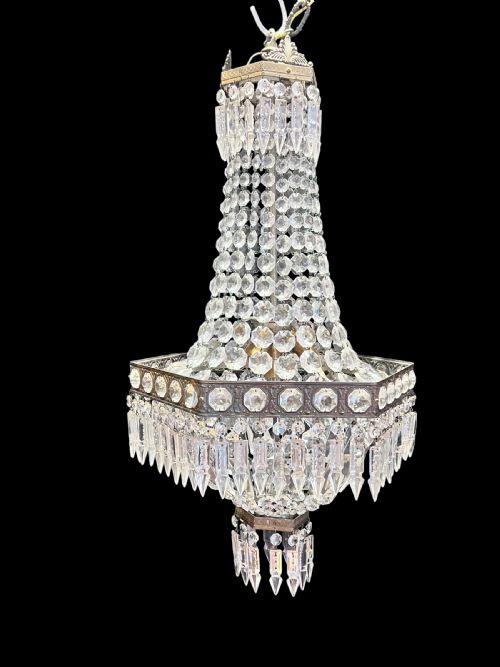
- A chandelier configuration where strings of glass beads form an upper cone above a lower cascade of crystal drops. This arrangement creates a dense curtain of sparkling glass.
Vintage Glass Ceiling Light: Frequently Asked Questions
How do I hang a heavy antique chandelier?
Hanging a heavy fixture requires securing the ceiling hook directly into a joist or heavy timber rather than relying on plaster alone. Professional installation ensures the electrical wiring and weight distribution safely support the metal and glass structure.
Adjustment of the suspension chain allows the light to hang at the correct height for the room proportions. Standard practice places dining room fixtures above the table surface while hallway lanterns clear normal head height.
What periods do these ceiling lights cover?
The listings span from the nineteenth century through the Edwardian era and into the 1930s. Victorian and Gothic Revival pieces sit alongside Arts and Crafts designs and streamlined Art Deco lighting.
French styles heavily influence the selection, featuring periods like French Empire, Neoclassical and Rococo. Each era utilises distinct metalworking techniques and glass forms that date the manufacture accurately.
How do I clean an antique glass light?
Cleaning requires removing dust with a soft brush before wiping glass surfaces with a diluted mild detergent solution. Crystal drops and glass panels benefit from gentle hand washing to preserve their clarity without disturbing the internal wiring.
Harsh chemical cleaners risk damaging gilt bronze surfaces, aged brass patinas and antique metal finishes. Care must be taken to support loose components such as crystal lustres during the maintenance process.
Can these vintage lights use modern bulbs?
Most fixtures accommodate standard modern LED or incandescent bulbs provided the lamp holders match current electrical sizing. Rewiring often updates older British or French lampholders to comply with contemporary safety regulations.
Consulting a qualified electrician ensures the internal wiring safely handles modern voltage requirements. Selecting low-heat LED bulbs also protects fragile vintage glass shades from thermal stress.