
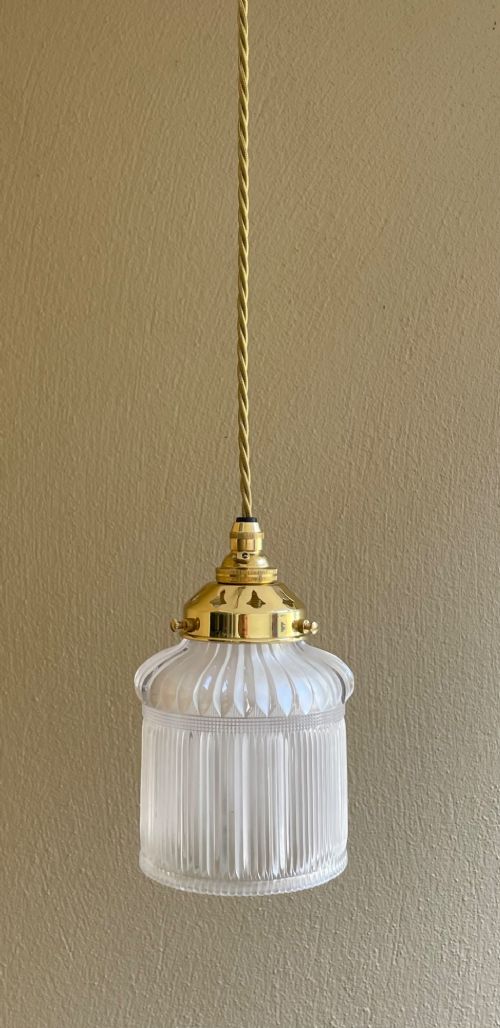


Holophane Pendant Light
These holophane pendant light fixtures use prismatic glass to direct intense downward illumination without harsh glare.
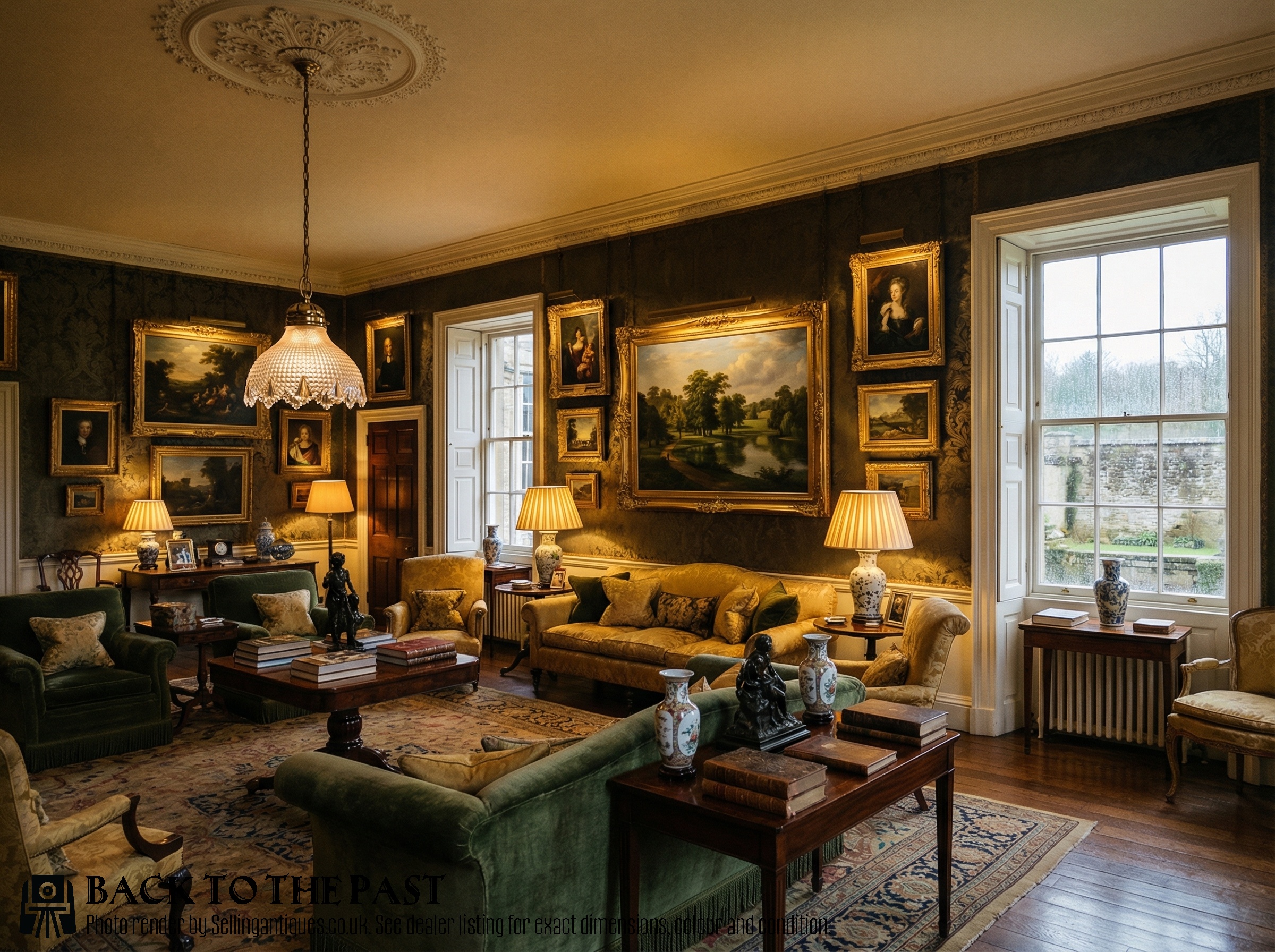
Holophane Pendant Light
A holophane pendant light brings functional engineering into domestic or commercial interiors through distinctive optical glass shades. You encounter these primarily in Edwardian, 1910, 1920, 1940, and 19th Century iterations across industrial and domestic contexts.
The shade geometry ranges from standard bell and acorn shapes to flying saucer profiles and double prismatic variants. Many examples measure around nine inches or scale up to large formats suited for higher ceilings.
Origins span British production alongside French and USA examples, frequently retaining their original galleries. Buyers seek these out for authentic task lighting that distributes light evenly across a workspace or room.
Materials and construction
Prismatic glass forms the core of every holophane pendant light, engineered with precise external or internal ribs to refract light efficiently. Makers combined this specialised glass with metal components including brass, chrome, cast iron, and patinated copper.
Metal galleries secure the glass shade at the top, often matching the period of the fixture and housing the bulb holder. These durable materials allowed the lights to withstand demanding industrial environments while maintaining optical performance.
Some shades resemble flying saucers, ready to beam light down on your dinner table.
Assessing quality in holophane lighting
Quality rests upon the preservation of the prismatic glass and the presence of original metal components. Uncompromised shade ribs and matching period galleries distinguish superior examples from replacements.
The depth of the metal patination and the integrity of the glass optics separate standard utility grade pieces from finer survivors. Original manufacturer stampings on the glass or hardware add distinction to the piece.
The Holophane Pendant Light Glossary
- Prismatic glass
- Moulded glass featuring precise geometric ribs designed to bend and diffuse light efficiently. This optical property defines the characteristic glow of the fixtures.
- Gallery
- The metal collar or mount that grips the top of the glass shade and connects to the suspension cord or rod. Original galleries are specific to the maker and period.
- Double prismatic
- A shade configuration featuring optical ribs on both inner and outer surfaces for maximum light control. This design provides superior diffusion compared to single-ribbed versions.
- Patinated copper
- Metal finished with a deliberate oxidized surface treatment. It provides a dark, rich tone frequently paired with industrial glass shades.
Holophane Pendant Light: Frequently Asked Questions
How do I hang a holophane pendant light?
These fixtures suspend from ceilings using cord, chain, or rigid rods connected to the upper gallery. Ensure the hanging height places the lower rim of the shade at a comfortable eye level relative to the room function.
Weight considerations require anchoring directly into ceiling joists or using appropriate fixings for heavier cast iron and brass components.
Are these lights suitable for low ceilings?
Standard pendant drops position the shade too low in rooms with restricted vertical clearance. Selecting shorter suspension options or bell-shaped profiles helps mitigate clearance issues in compact spaces.
Positioning them over kitchen islands or dining tables keeps walkways clear while utilising their downward light output effectively.
How do I clean prismatic glass shades?
Remove dust using a soft brush before washing the glass in warm soapy water. Avoid harsh abrasives that could dull the exterior ribs and compromise light refraction.
Dry the shade thoroughly with a lint-free cloth to restore the clear sparkle characteristic of vintage prismatic glass.
Can I use modern LED bulbs in these?
Modern LED lamps fit standard lamp holders within vintage galleries while generating less heat than traditional incandescent bulbs. Choose warm white temperatures to replicate the vintage ambiance.
Check the electrical wiring condition during installation, especially on unrewired examples, and consult a qualified electrician if needed.