


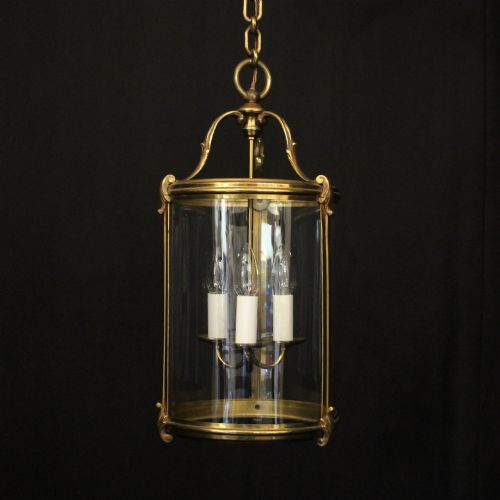
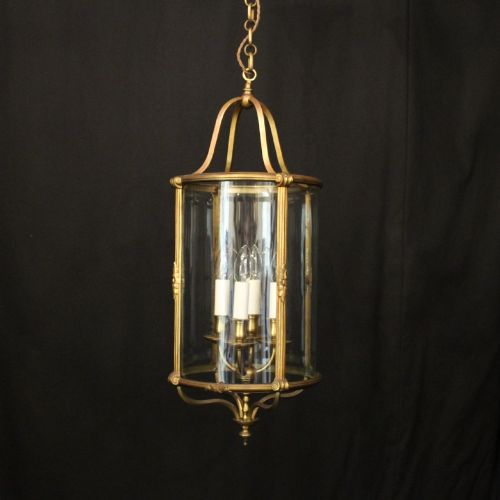
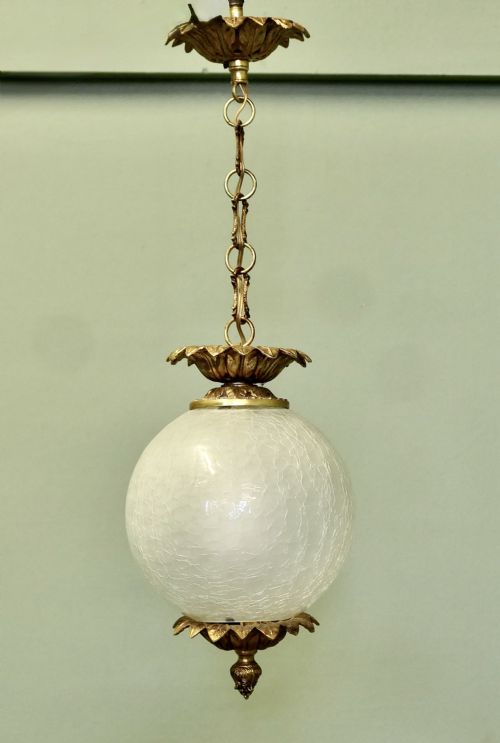
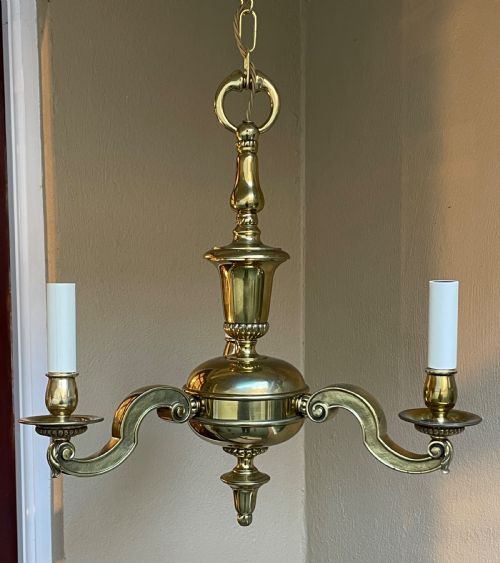
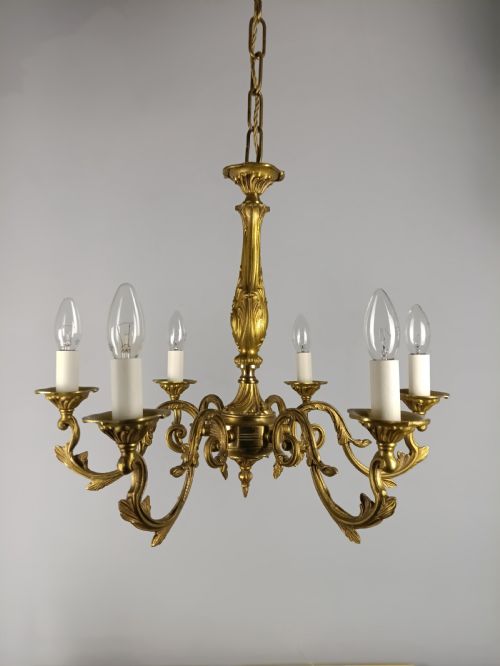
Vintage Brass Hanging Lamp
These vintage brass hanging lamp examples span periods from the Victorian era to the mid-twentieth century, offering genuine illumination and period character for any interior.
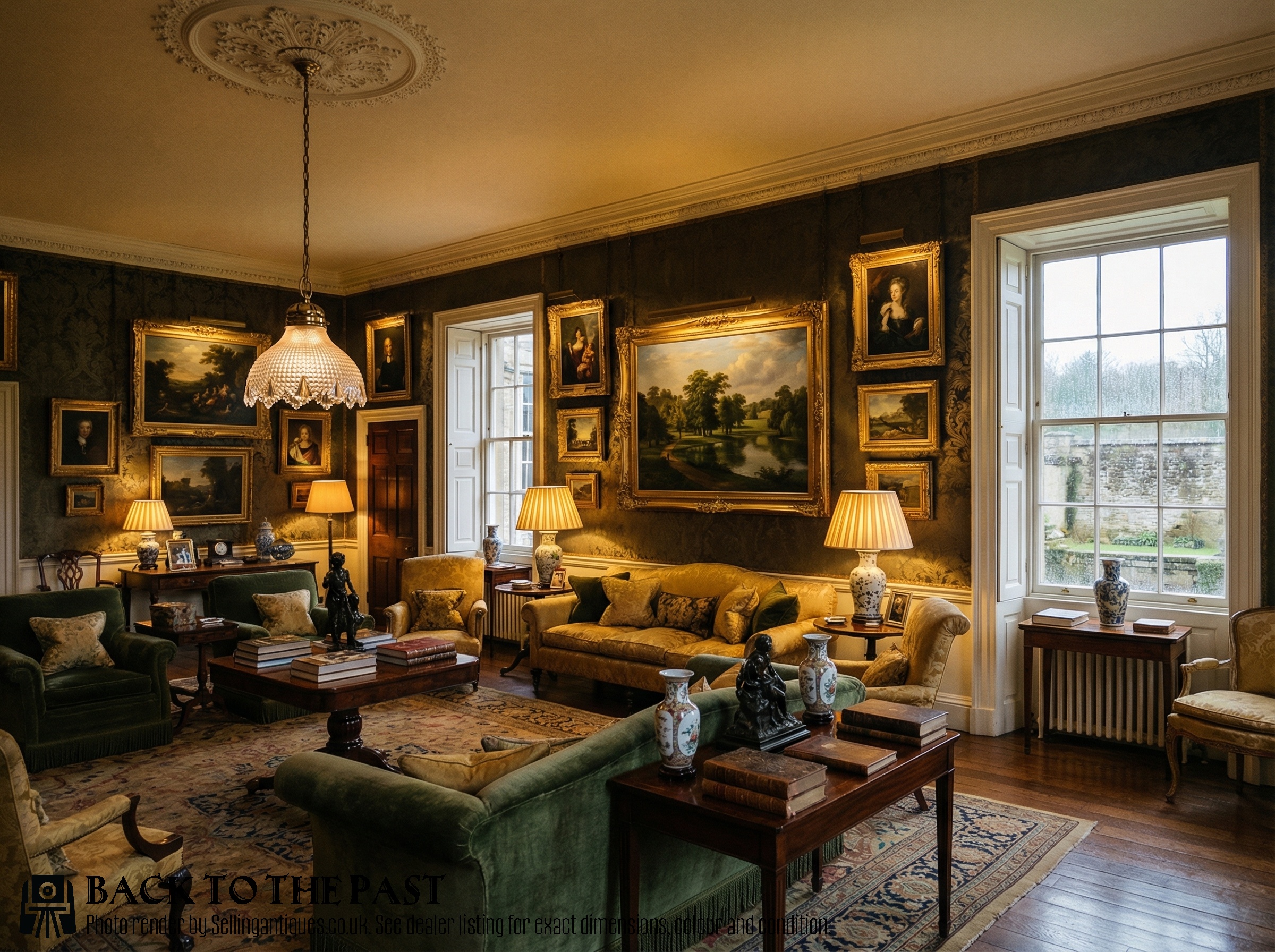
Vintage Brass Hanging Lamp
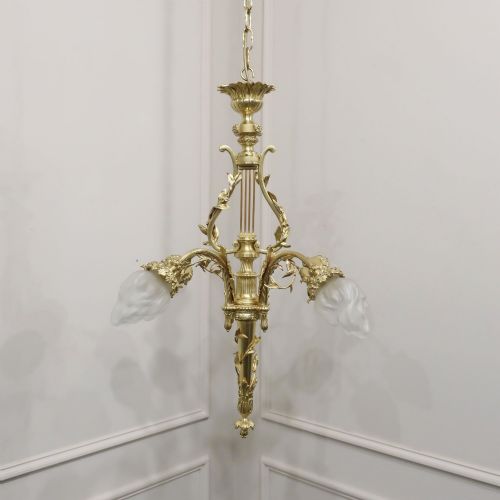
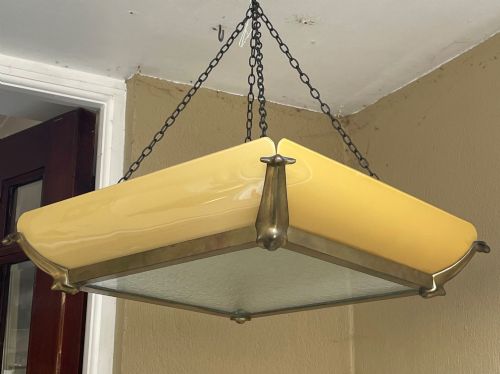
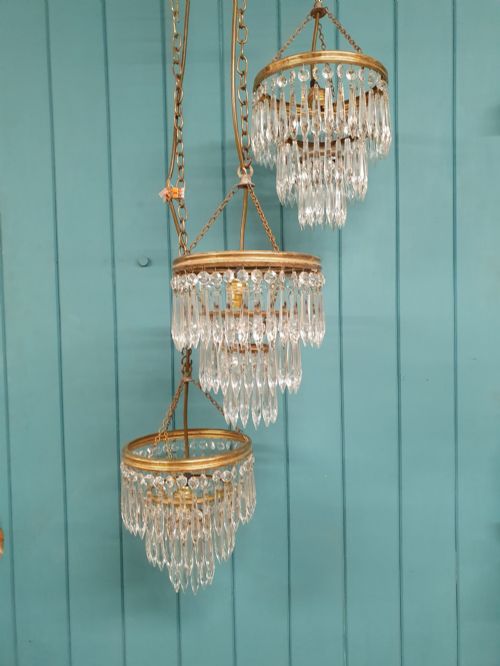
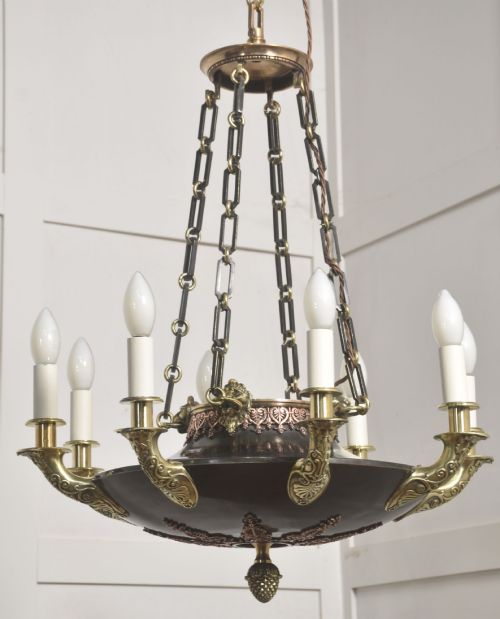
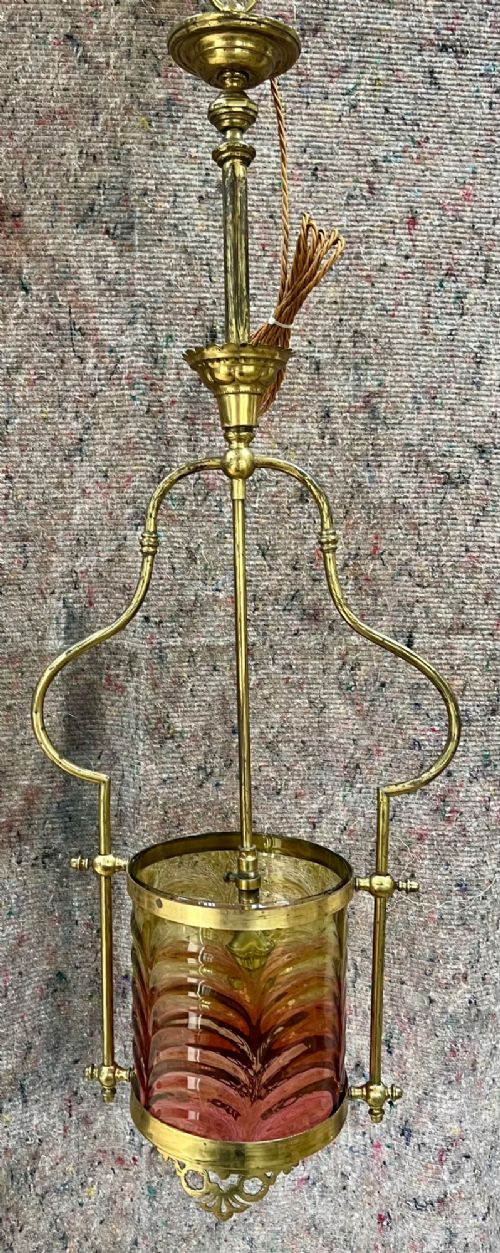
A vintage brass hanging lamp brings period illumination into contemporary spaces through forms such as hall lanterns, chandeliers, and glass-shaded pendants. When searching for a vintage brass hanging lamp, buyers encounter pieces originating from Victorian, Edwardian, and Art Deco periods, alongside French styles.
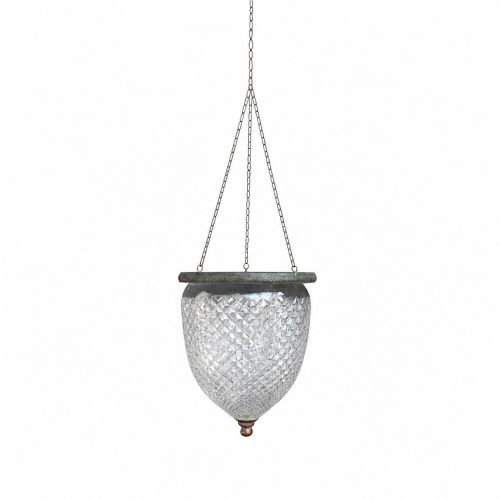
The selection ranges from industrial pendants and copper railway lanterns to elaborate gilded bronze chandeliers and cast brass hall lanterns. Many pieces incorporate glass components, including cut glass, opaline, and leaded panels.
Origins stretch across England, France, Italy, and the Netherlands, reflecting diverse regional craftsmanship from the nineteenth and twentieth centuries. Buyers frequently find fixtures fitted with glass globes, prisms, or original burners.
Assessing quality in period lighting
Quality rests in the precision of the metal casting, the weight of the brass or bronze, and the clarity of the glass or crystal drops. Finer examples display crisp detail in moulded mounts and balanced proportions across multiple light branches.
The integrity of original components, such as hand-blown shades, leaded glass panels, and signed burner mechanisms, separates standard production from superior examples. Surface patination and the retention of original gilding further distinguish the upper tier of pieces.
Vintage Brass Hanging Lamp Retail Price Guide 2026
Typical asking prices for vintage brass hanging lamp among the pieces listed under this phrase on Sellingantiques today, from the lower quarter to the upper quarter. They describe what is for sale here now, not the wider market.
One stubborn nineteenth-century railway lantern refuses to stop smelling faintly of coal smoke, no matter how many decades pass.
The Vintage Brass Hanging Lamp Glossary
- Plafonnier
- A ceiling-mounted light fixture that sits flush or close to the ceiling surface. These often feature glass bowls or domes held within metal frames.
- Hall lantern
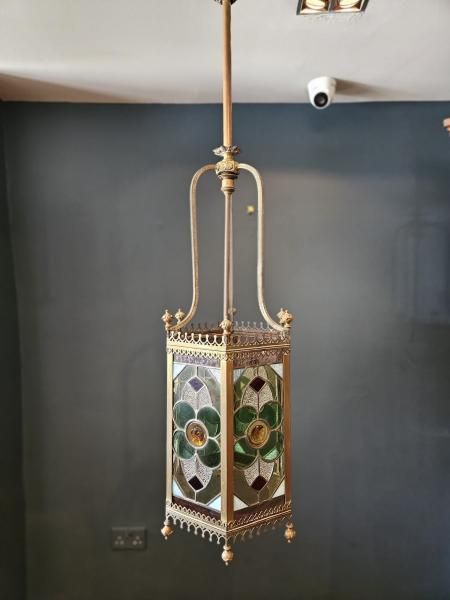
- An enclosed hanging light designed specifically for entranceways and corridors. They typically feature glass panels set within a brass, copper, or bronze framework.
- Opaline glass
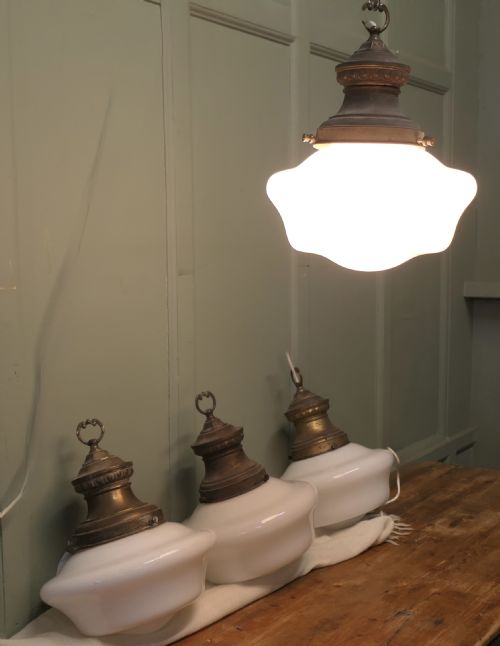
- A type of semi-translucent white glass popular in twentieth-century lighting. It softens light output evenly across pendant shades and globes.
- Rise and fall
- A mechanical pulley system allowing the hanging height of a lamp to be adjusted manually. This mechanism appeared frequently on Edwardian and Victorian domestic fittings.
- Gilt bronze
- Bronze metal treated with a fine layer of gold leaf or gold wash. This technique adds a bright, decorative finish to French chandeliers and ornate lanterns.
Vintage Brass Hanging Lamp: Frequently Asked Questions
How do I date a brass hanging lamp?
Dating relies on stylistic markers, manufacturing techniques, and materials characteristic of specific periods like the Victorian era, Edwardian period, or Art Deco movement. Examining assembly methods and wiring components helps narrow down the decade of production.
Makers' marks, patent stamps on burners, and regional design traits also provide reliable clues for establishing the age of a ceiling light.
Were these lamps originally electrified?
Many nineteenth-century and early twentieth-century pieces began as paraffin or oil lamps before later conversion to electricity. Examples include hanging paraffin lamps equipped with specialised burners.
Later Edwardian and Art Deco designs were frequently manufactured specifically for electrical wiring, reflecting the gradual adoption of home electricity.
Can I adjust the hanging height?
Certain designs, particularly Edwardian rise and fall fixtures, include integrated mechanical systems for height adjustment. Fixed-chain chandeliers and lanterns require adjustment during installation by altering the suspension chain or rod length.
Professional installation ensures that altered hanging heights remain secure and structurally sound.
How do I clean antique brass?
Maintenance typically involves gentle dusting with a soft cloth to preserve the natural patination acquired over decades. Harsh chemical cleaners can strip original finishes and damage historical surfaces.
For glass and crystal shades, removal and washing in warm soapy water restores clarity without affecting the metalwork.