


Vintage Hanging Light Fixture
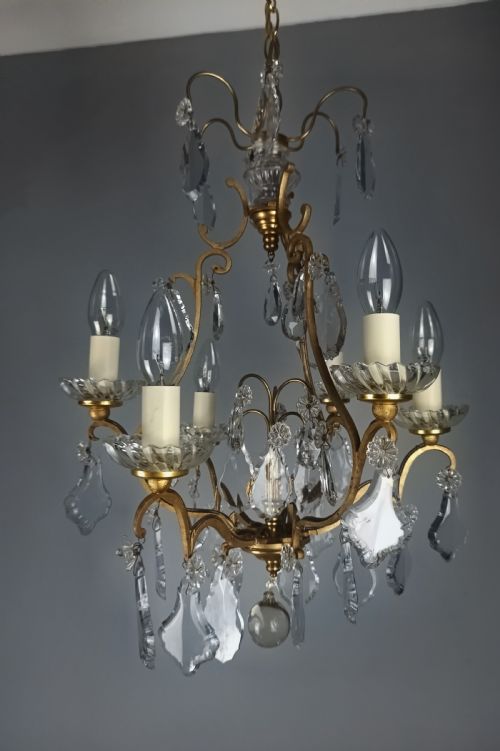
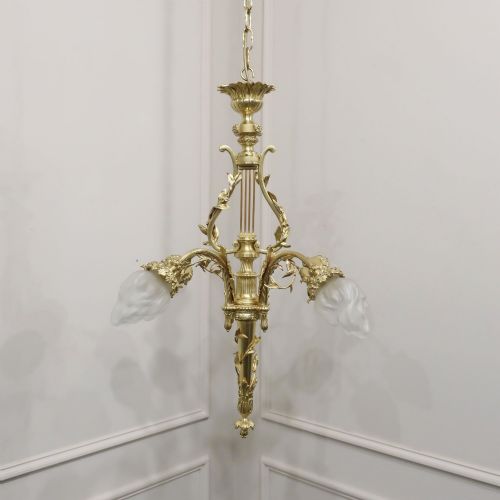
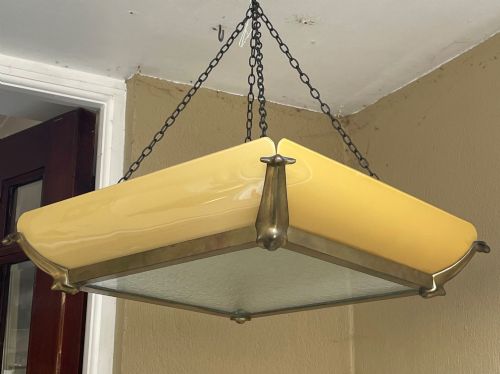
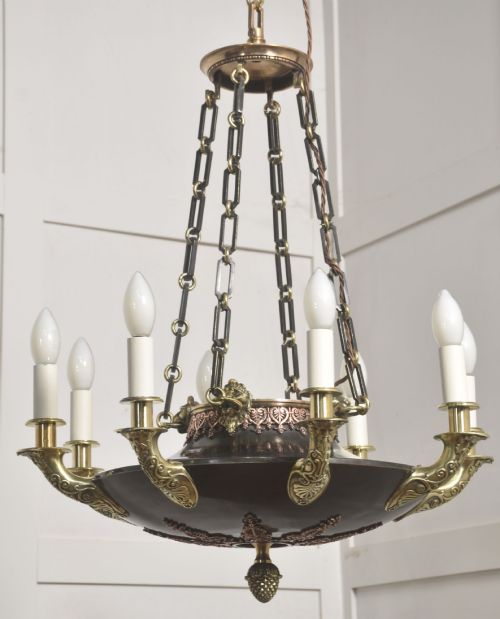
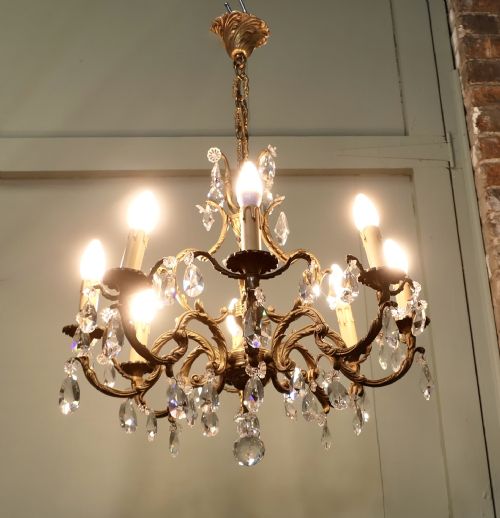
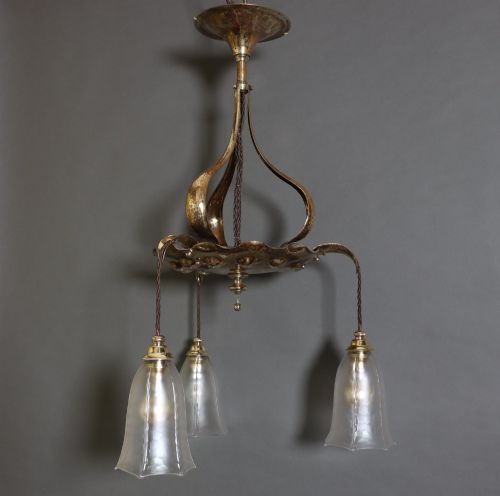
These vintage hanging light fixtures illuminate rooms through brass frames, glass shades and crystal lustres forged across multiple periods.
Vintage Hanging Light Fixture
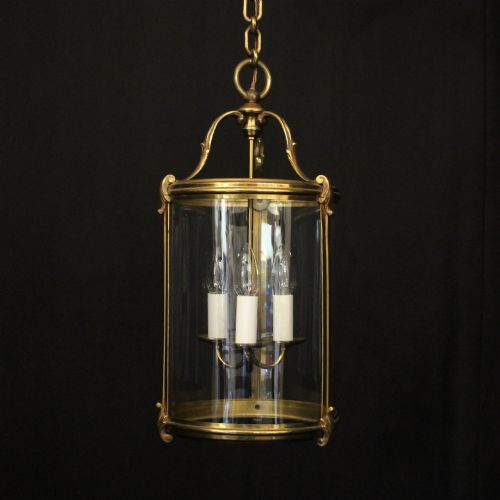
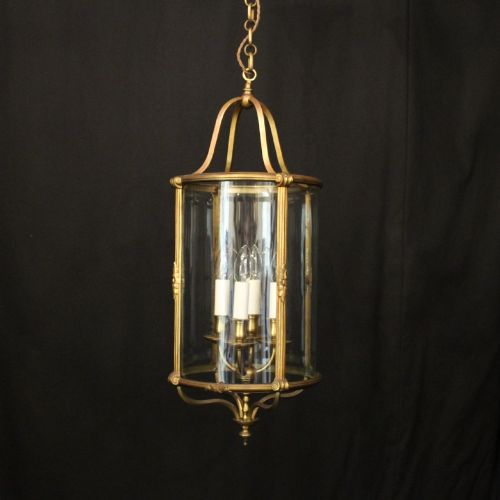
A vintage hanging light fixture brings overhead illumination into domestic spaces through forms such as chandeliers, pendant lights, ceiling lights, and hall lanterns. Buyers exploring this category encounter hardware suspended from ceilings, designed to distribute light downward across a room or entryway.
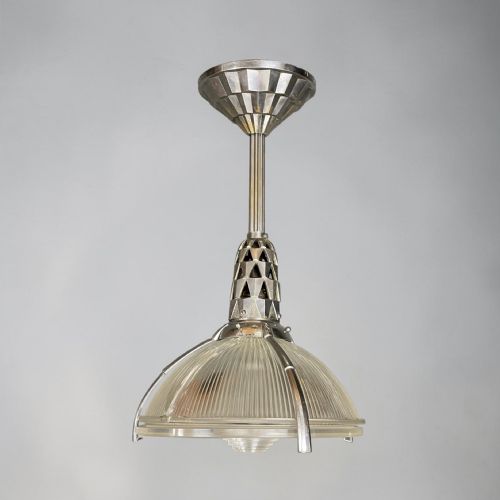
The selections span distinct historical periods from the nineteenth century through the Edwardian era and the 1920s and 1930s. Common expressions include French chateau styles, Art Deco geometries, Arts and Crafts utilitarian builds, and Italian glass works.
Most examples originate from French workshops, English makers, and Italian studios. The inventory balances elaborate multi-arm bronze chandeliers with simpler copper and brass pendant lanterns.
Materials and Construction Methods
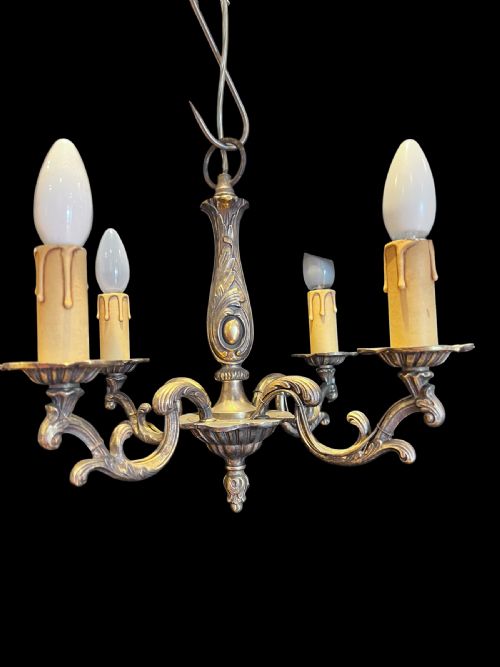
Makers utilised cast and stamped brass, copper, and gilt bronze to form the structural frames and lanterns. These metal elements often received surface treatments such as gilding or silvering to enhance reflectivity.
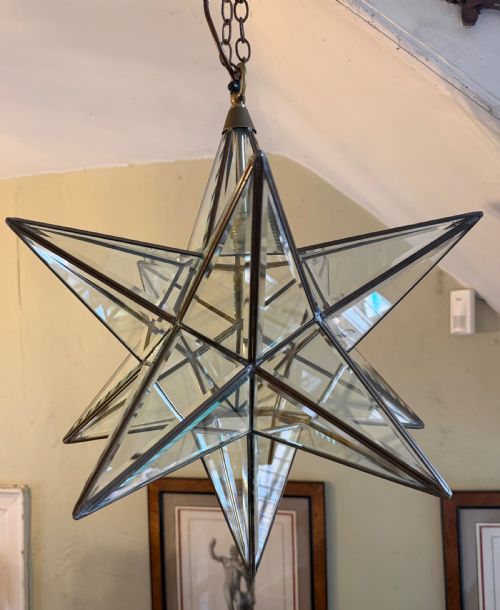
Glass components range from blown moonstone globes and cut glass drops to bevelled panels and leaded stained glass. Crystal lustres and coloured crystals hang from metal armatures to refract the internal illumination.
Decorative detailing incorporates ceramic flowers, gesso and giltwood, and tolewear components. Assembly relies on mechanical joints, pinned brass arms, and soldered lead channels holding glass panels in place.
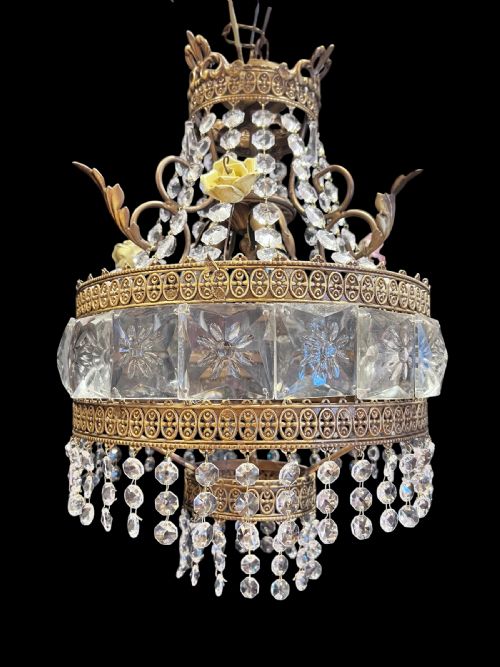
Certain lanterns hide tiny porcelain flowers among their metal leaves, adding secret gardens to hallways.
Factors Determining Quality
The integrity of the metalwork and the precision of the casting define the upper tier of these fixtures. Heavy cast bronze frames and finely chased brass details demonstrate superior workshop execution compared to thin, pressed sheet metal.
The quality of the glass and crystal elements dictates the visual impact of the piece. Hand-cut crystal lustres, heavy blown moonstone shades, and complex leaded stained glass panels require greater skill than standard moulded glass.
Coherence of design and completeness of original components separate exceptional examples from ordinary ones. Fixtures retaining matching crystal drops, integrated tolewear floral motifs, and uniform patination hold greater material consistency.
Émile-Jacques Ruhlmann
The Vintage Hanging Light Fixture Glossary
- Chandelier
- A branched decorative ceiling fixture designed to hold multiple light sources. These fixtures suspend from chains or rods and distribute light outward.
- Plafonnier
- A ceiling-mounted bowl light that sits close to the surface. This French form directs illumination downward through glass shades.
- Lustre
- A cut glass pendant drop hung from chandelier arms. These elements refract light to brighten surrounding spaces.
- Tolewear
- Painted and lacquered sheet metal used for decorative components. This technique appears on floral and foliage elements within French lighting.
- Moonstone
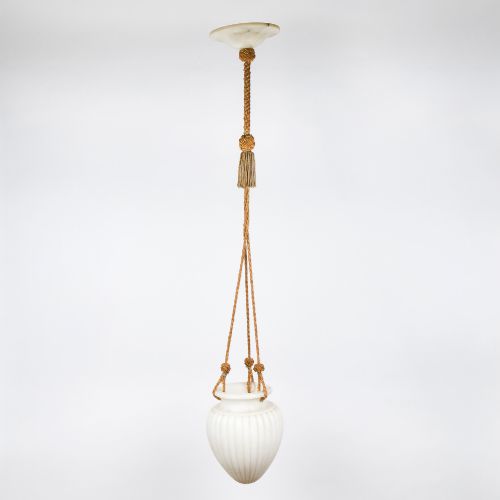
- An opalescent white glass type used for lamp shades. It softens harsh bulb glare into an even ambient glow.
Vintage Hanging Light Fixture: Frequently Asked Questions
How do I hang a heavy brass chandelier safely?
Suspension requires anchoring directly into ceiling joists or installing a heavy-duty ceiling box capable of supporting the combined weight of metal and glass. Professional installation ensures the electrical wiring and ceiling hook match the load requirements of the fixture.
Heavier examples utilise reinforced chains and brass rods that distribute the downward pull evenly. Checking the structural integrity of the ceiling before mounting prevents accidents.
What is the difference between a pendant and a lantern?
Pendant lights typically suspend a single shade or bulb directly from a cord, chain, or rod. They focus illumination downward or diffuse it through an enclosed glass globe.
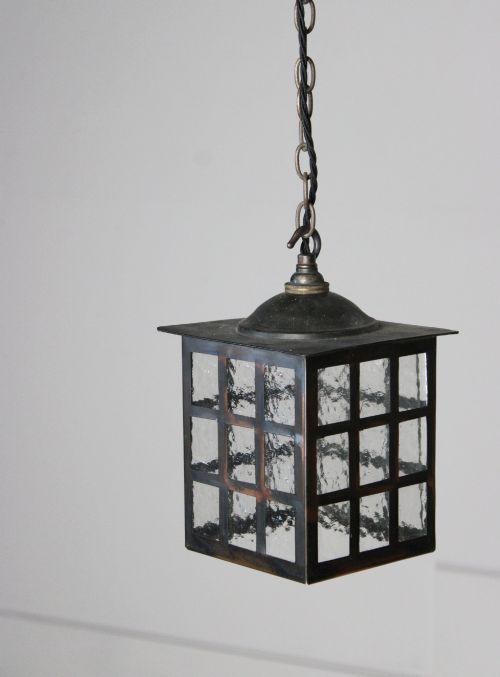
Lanterns feature rigid frames, often glazed with glass panels on multiple sides, housing one or more internal lights. They originate from hall and porch lighting traditions.
How do I clean antique glass and crystal?
Removal of dust requires a soft dry cloth or a feather duster across the delicate glass and crystal elements. For deeper cleaning, washing components in warm water with mild soap prevents damage to historical surfaces.
Crystal lustres should be dried individually with a lint-free cloth before reattachment to the metal arms. Harsh chemical cleaners can strip gilding or damage antique lacquers on the metal frames.
How do I identify an Art Deco light fixture?
Art Deco fixtures display geometric symmetry, streamlined metallic surfaces, and stylised motifs typical of the 1920s and 1930s. They often incorporate frosted glass globes and polished or gilt bronze hardware.
These designs move away from ornate nineteenth-century flourishes in favour of clean lines and industrial influences. The silhouette prioritises functional form and modern elegance.