

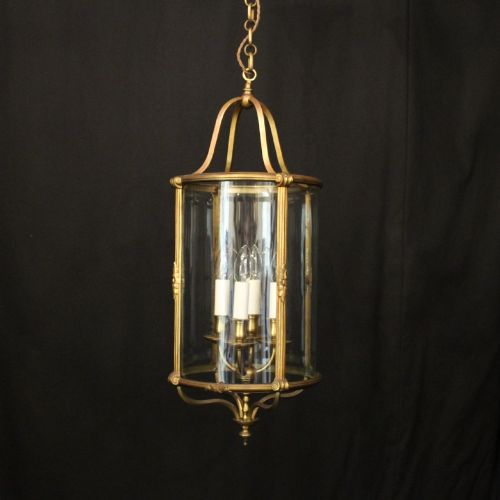
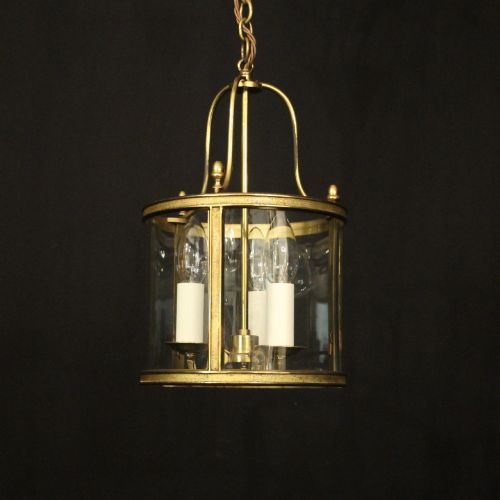
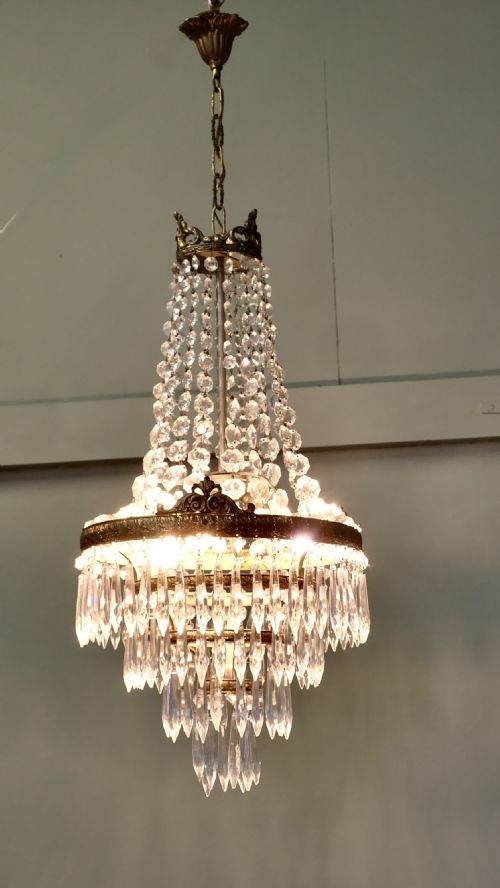
Gilt Brass Pendant Light
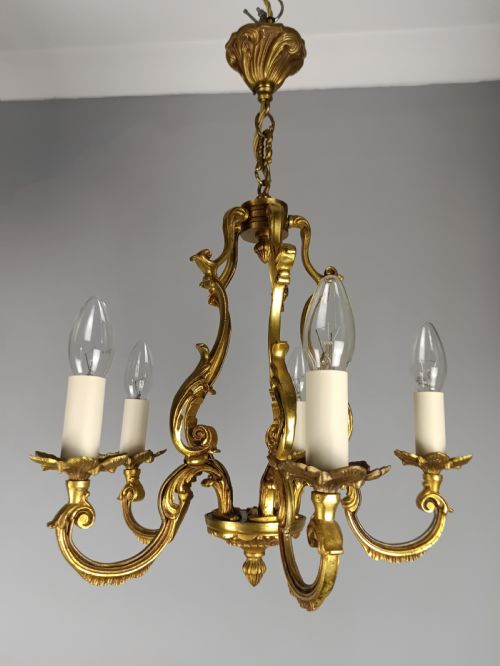
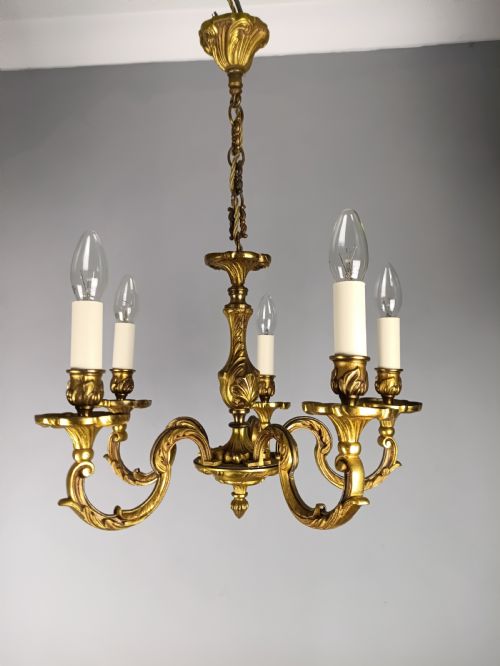
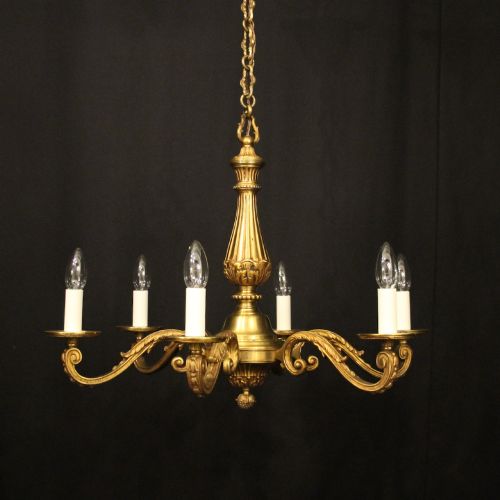
These gilt brass pendant light fixtures bring warmth and period character to a room.
What these pieces are
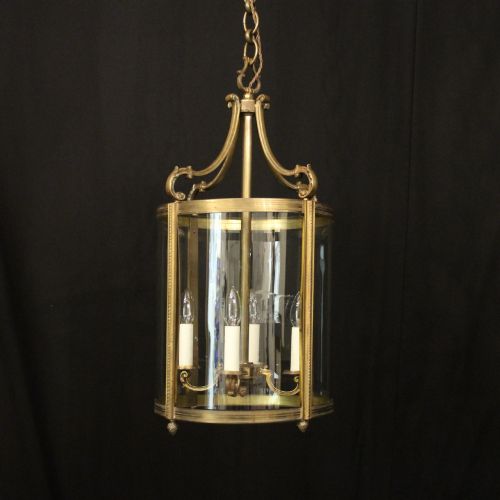
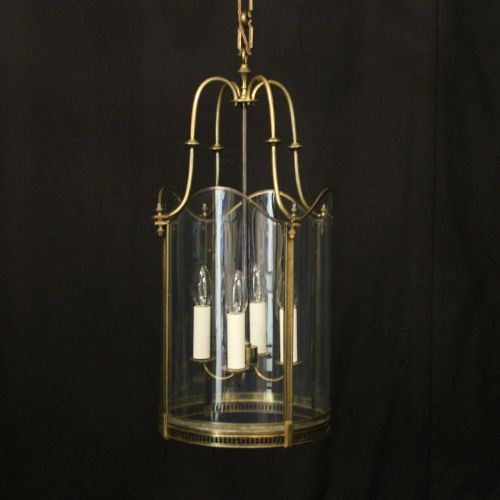
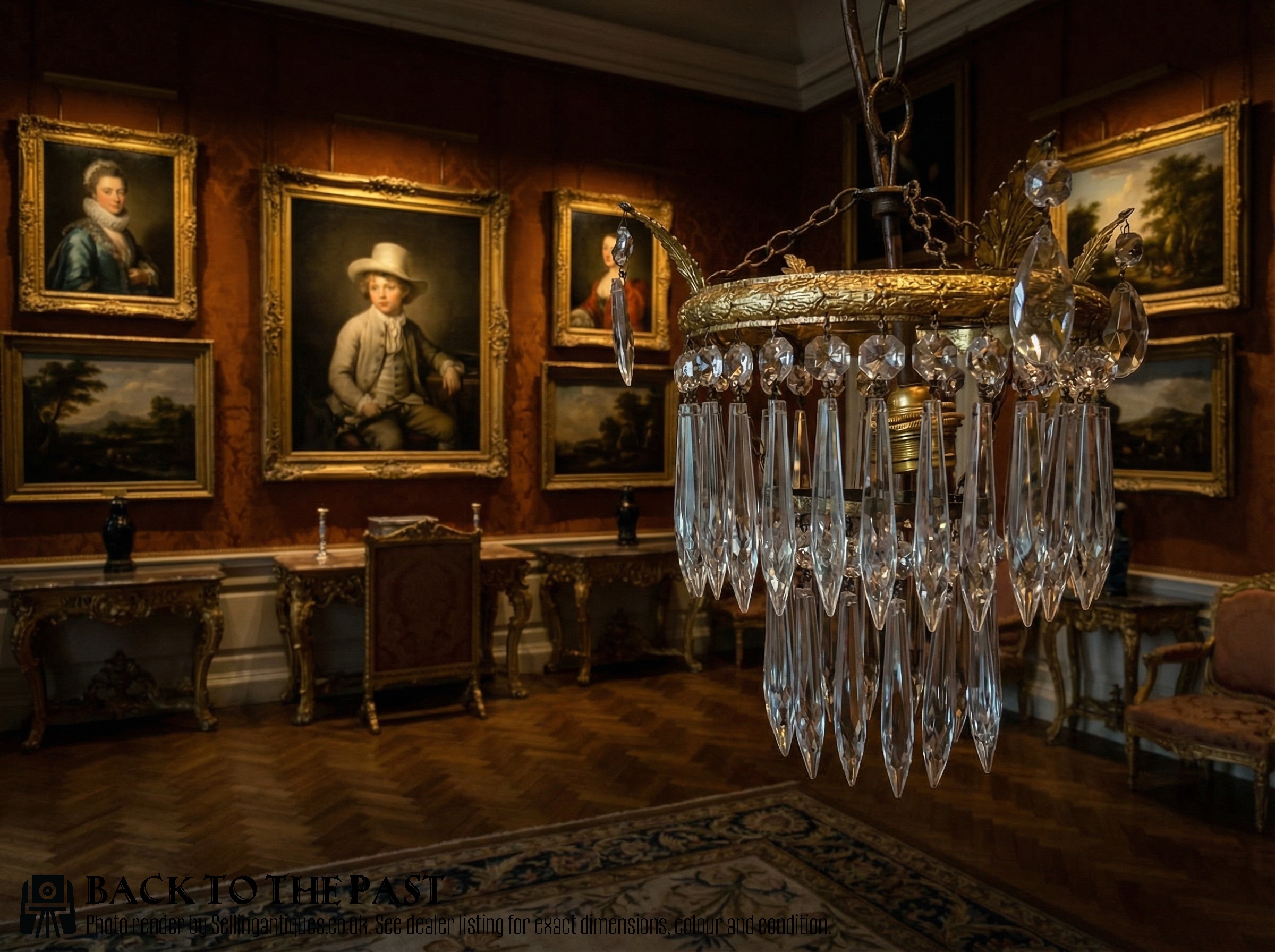
A gilt brass pendant light brings together metalwork and glass to illuminate a space from above. The selection spans ceiling lights, lanterns, and chandeliers originating from the early twentieth century, including Edwardian examples and pieces from the nineteen-twenties and nineteen-thirties.
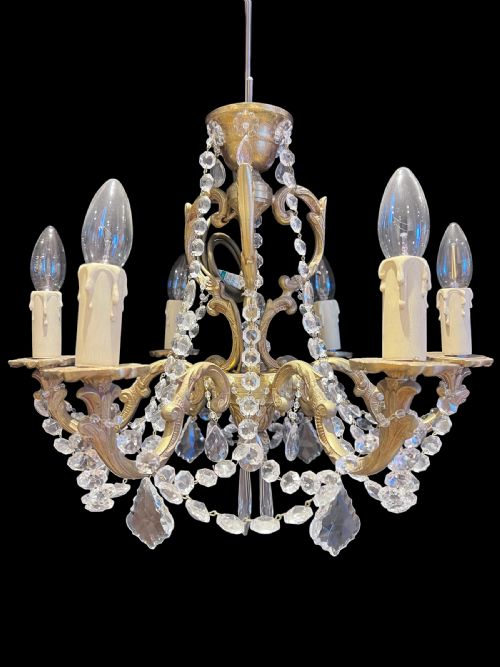
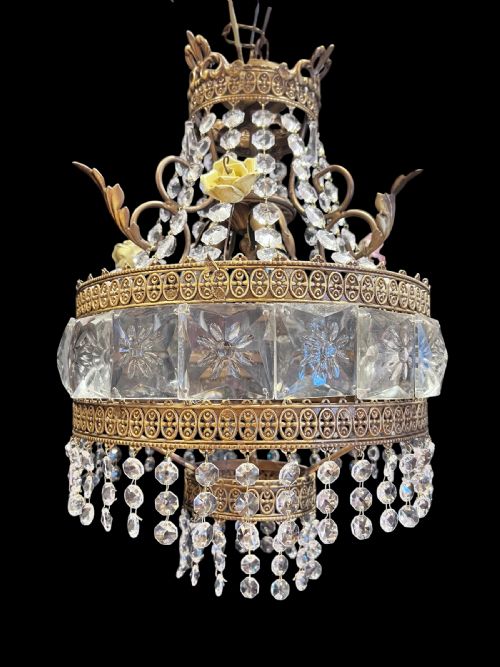
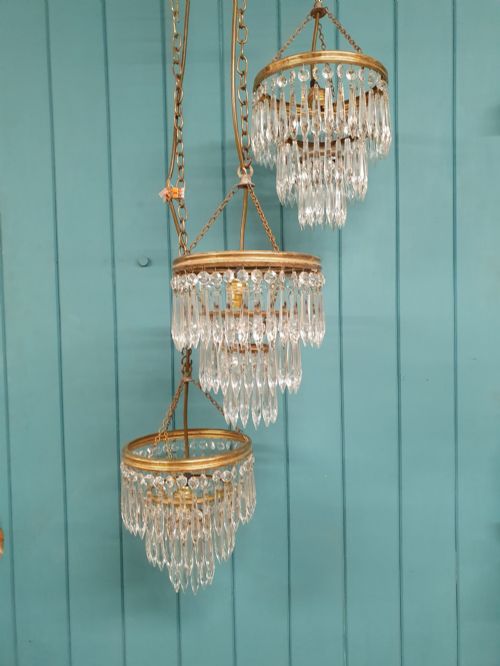
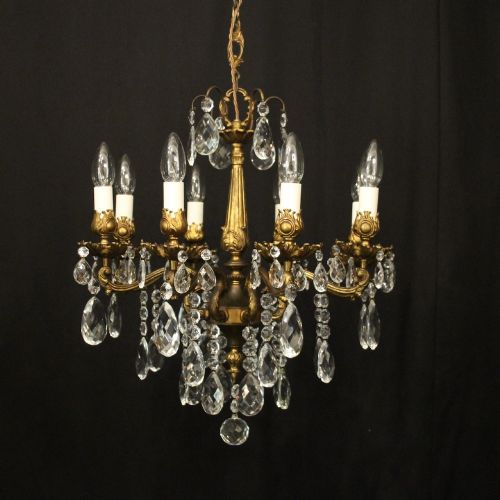
French and Italian designs dominate the range, featuring styles such as Art Deco, French Chateau, and Rococo. Formats vary from small spike chandeliers and single glass globe pendants to multi-light fittings adorned with large lustres or coloured crystals.
How they were made
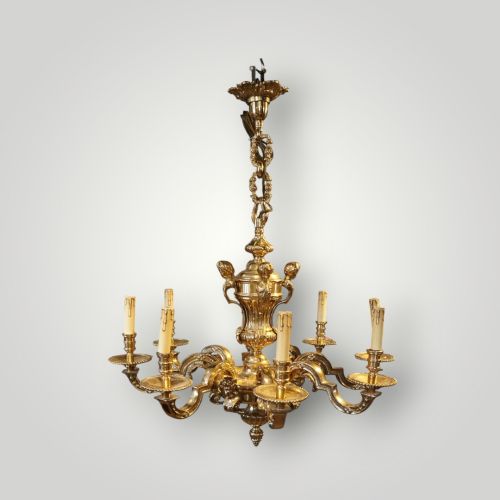
Makers constructed these fixtures primarily using brass, gilt metal, and gilt brass for the structural frames and decorative mounts. Metalwork often receives a gold-coloured finish to catch the light and enhance the decorative impact.
Retail Price Guide 2026
Typical UK retail prices for gilt brass pendant light, calculated from the Sellingantiques database of over a million retail prices indexed since 2003. This retail price guide relies exclusively on Sellingantiques data; no external sources or auction records are used, so the figures do not describe the wider market.
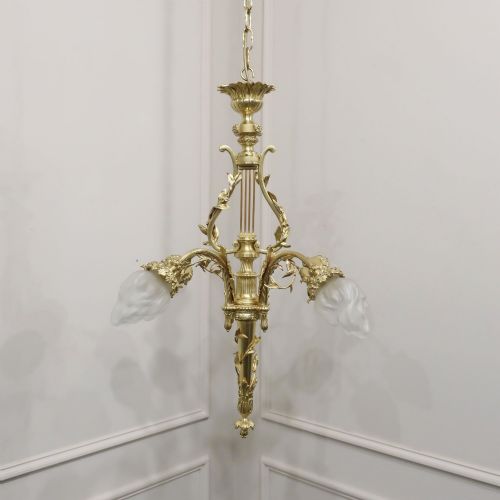
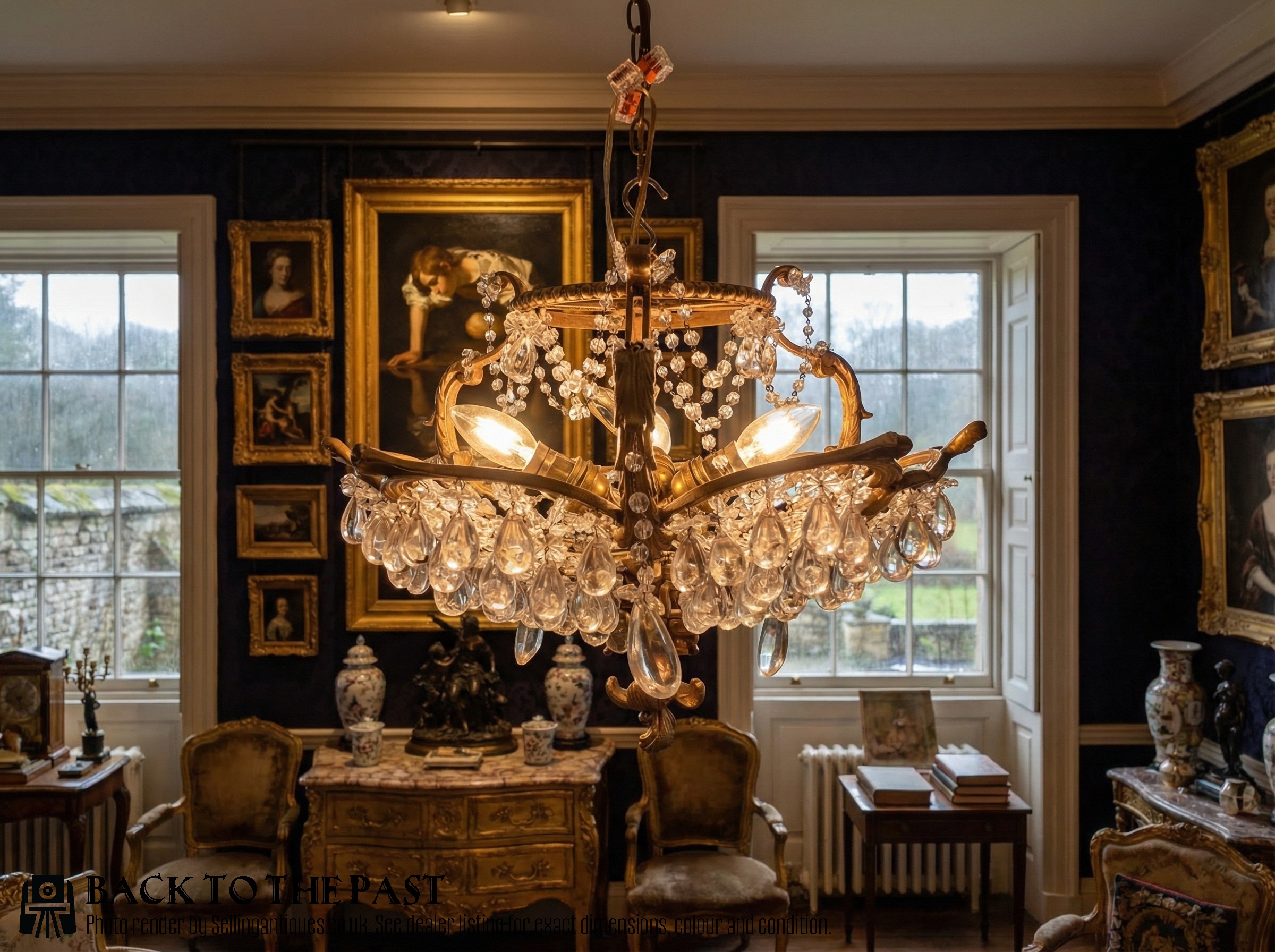
Some early twentieth-century chandeliers feature sculpted grape and drip decoration that brings a touch of vintage harvest to the ceiling.
What varies in quality
Quality rests in the intricacy of the metal casting and the richness of the gilding on the brass frame. Elaborate decorative flourishes, such as grape and drip details or shaped glass globes, elevate a piece above standard utilitarian lighting.
The complexity of the glass components also marks the standard of the fixture, distinguishing simple glass shades from rich assemblies of cut glass, coloured crystals, and large lustres.
The Gilt Brass Pendant Light Glossary
- Gilt brass
- A brass base metal treated with a gold-coloured finish or plating to create a bright, reflective surface. This material forms the primary structure of many period ceiling lights.
- Crackle glass
- Glass deliberately fractured during manufacture to produce a network of fine internal fissures across the surface. This technique creates a textured appearance that diffuses light softly.
- Lustre
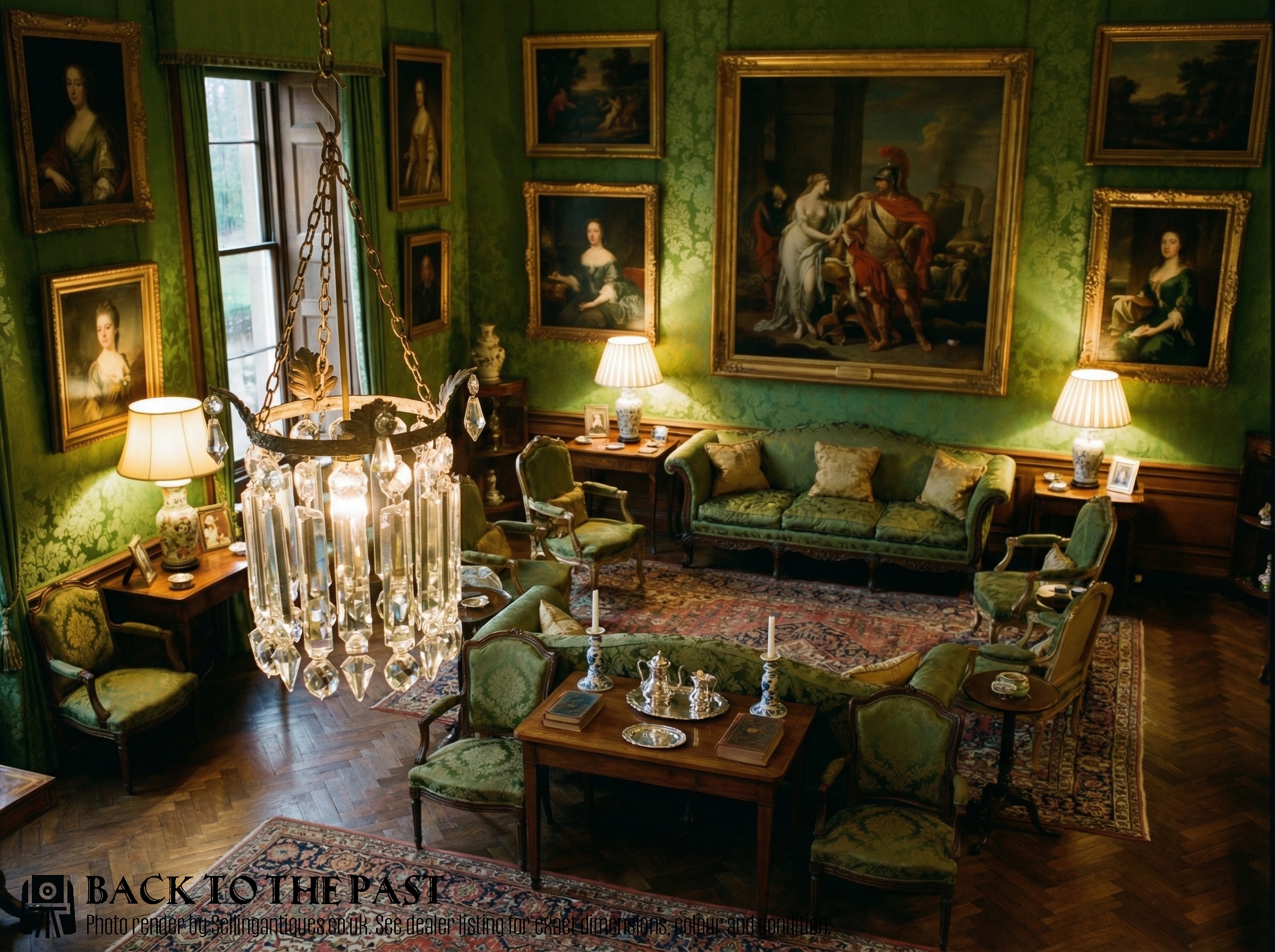
- A cut glass or crystal pendant hung from a light fixture to reflect illumination around the room. These elements frequently accompany early twentieth-century chandeliers.
- Art Deco
- A design style emerging in the early twentieth century characterised by geometric lines and stylised motifs. Pieces from this era often feature clean metalwork paired with simple glass globes.
Frequently Asked Questions
What rooms suit a gilt brass pendant light?
These fixtures work well in entrance halls, living rooms, and dining spaces where overhead illumination serves as a central feature.
Smaller formats suit compact areas, while larger multi-light chandeliers anchor high-ceilinged rooms.
How do I identify an Edwardian ceiling light?
Edwardian pieces generally date from the early twentieth century and often exhibit lighter, more refined proportions than Victorian predecessors.
They frequently combine brass or gilt metal with clear or cut glass elements.
Are original shades common on these pendants?
Some fixtures retain their original glass shades, globes, or crystal components as formed during manufacture.
Surviving original glass adds to the period integrity of the piece.
What is the difference between a lantern and a chandelier?
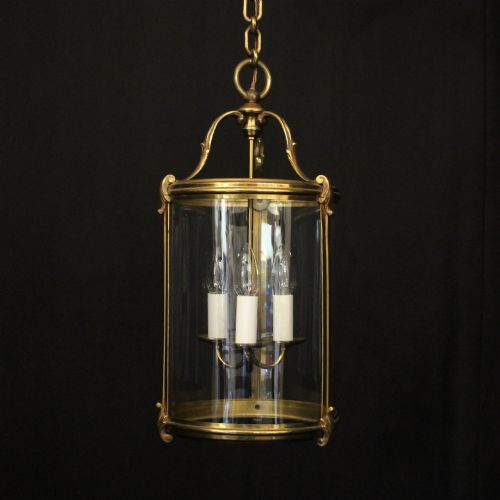
Lanterns typically feature enclosed glazed frames designed to hold one or more internal light sources, often hung by a single suspension rod or chain.
Chandeliers present an open branched framework supporting multiple light points and hanging crystal lustres.