


Antique Glass Lighting
Antique glass lighting brings luminosity and texture to a room through cut crystal, opaline, and cranberry glass.
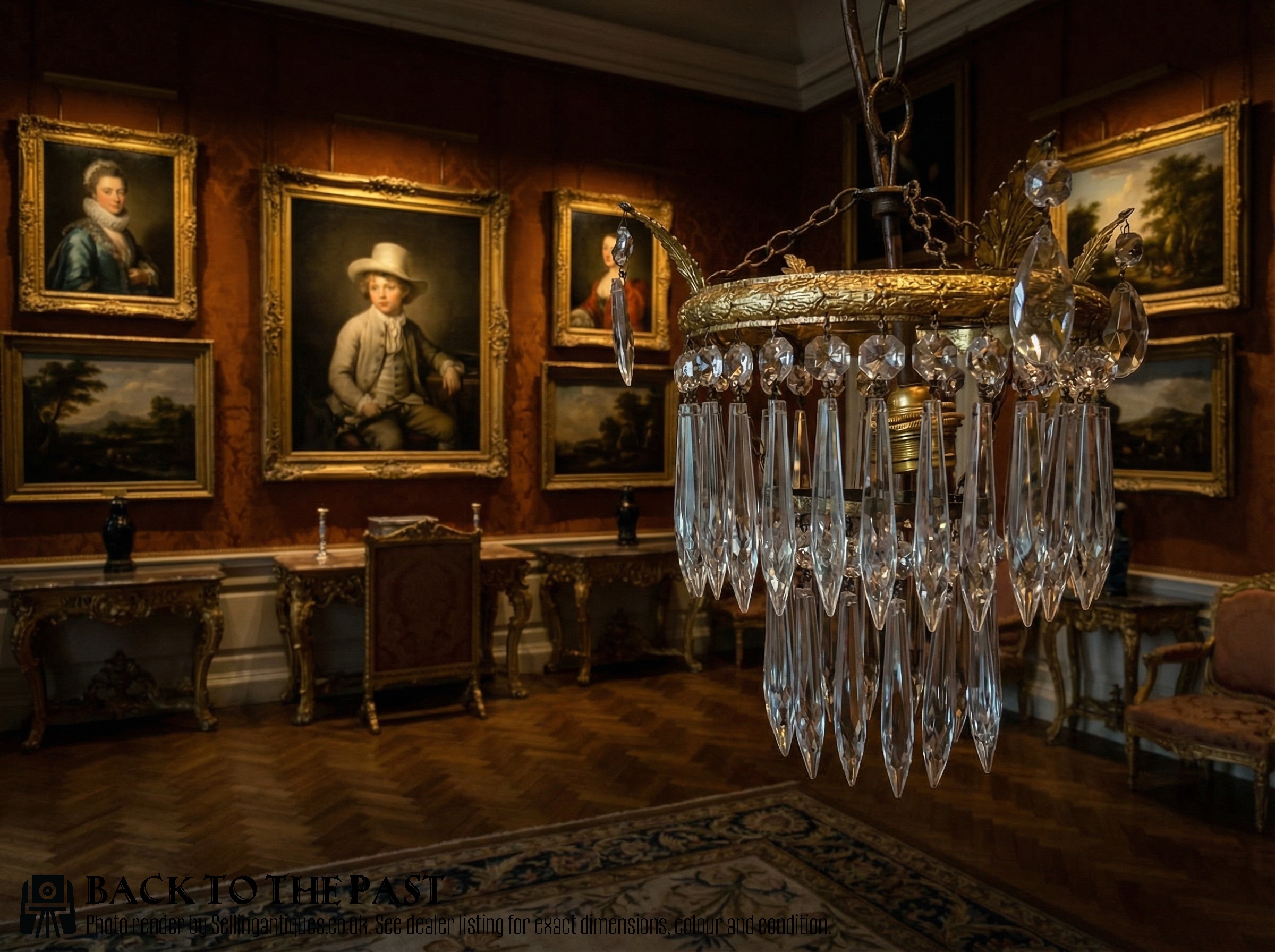
What antique glass lighting is
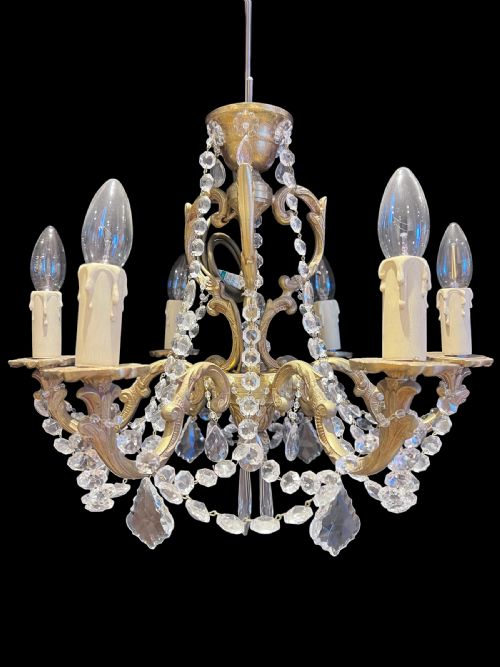
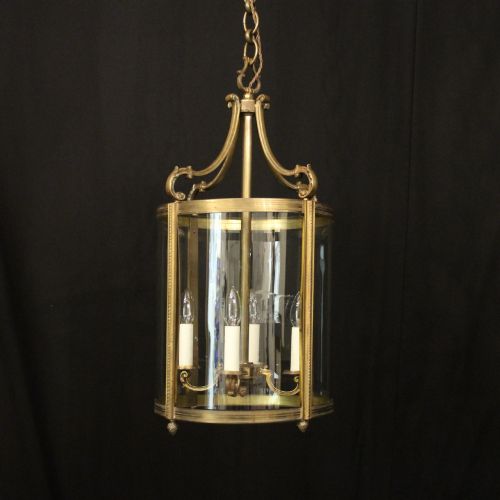
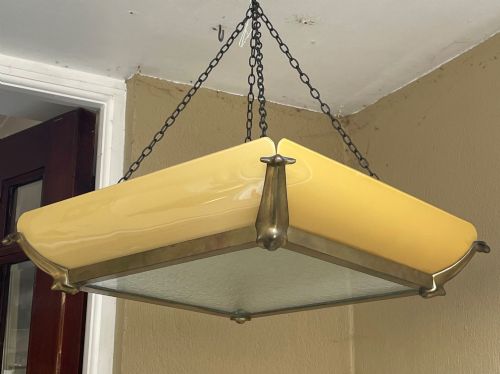
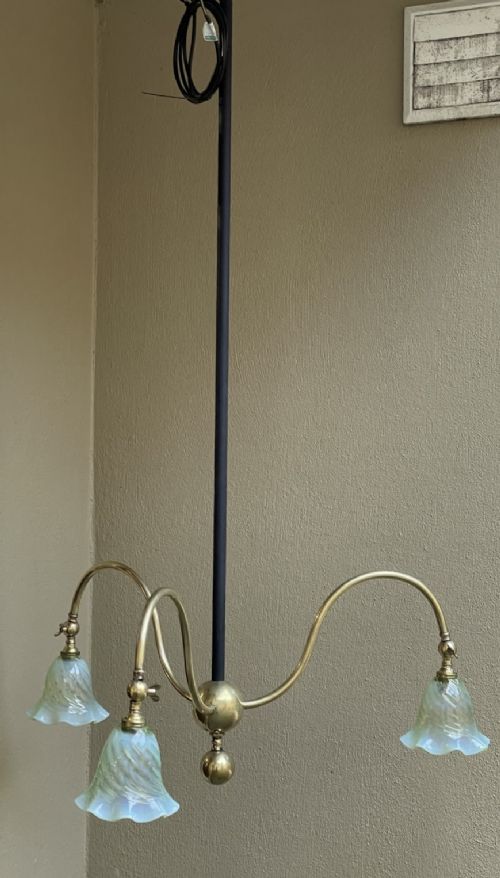
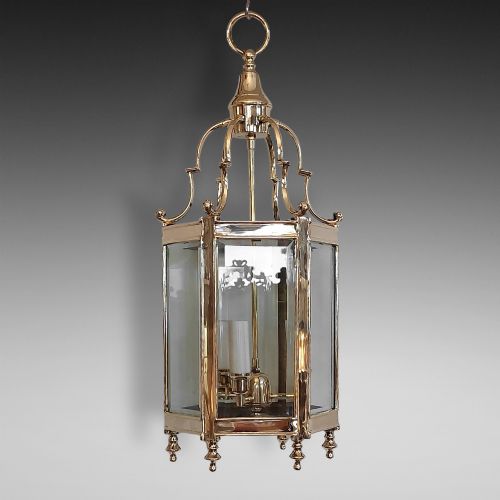
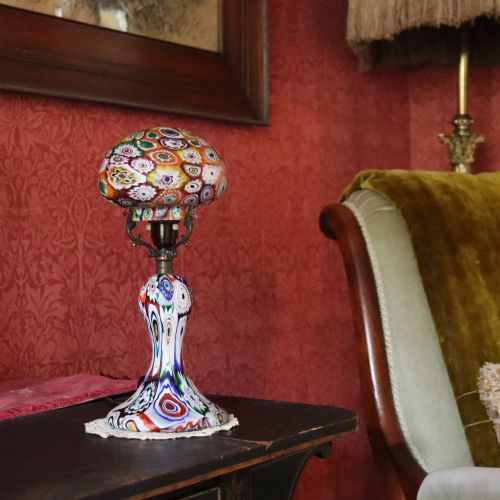
Antique glass lighting encompasses chandeliers, table lamps, and oil lamps designed to illuminate interiors using refractive glass and crystal elements. When exploring antique glass lighting, buyers encounter pieces ranging from smaller domestic table lamps to multi-armed overhead chandeliers.
Objects from this category originate across diverse stylistic traditions, including Victorian, Gustavian, French Chateau, and Grand Regency designs. Surviving examples demonstrate how past households illuminated their spaces with opaline glass, cobalt glass, and beaded crystal arms.
How they were made
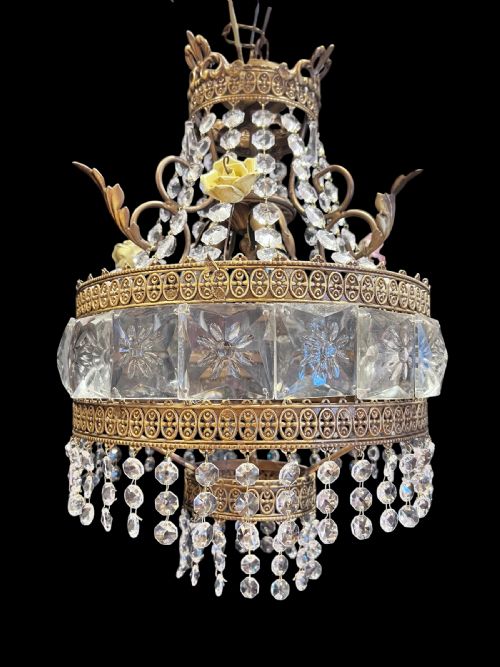
Makers constructed these fixtures using combinations of cast brass, metal, and ceramic elements to support heavy glass bodies. Cut glass and crystal drops were suspended from arms to refract light across the room.
Vessels and shades utilised specialised glass types, including opaque opaline, vibrant cranberry, and deep cobalt glass. Artisans shaped and faceted these materials by hand before mounting them onto structural metalwork.
Retail Price Guide 2026
Typical UK retail prices for glass lighting, calculated from the Sellingantiques database of over a million retail prices indexed since 2003. This retail price guide relies exclusively on Sellingantiques data; no external sources or auction records are used, so the figures do not describe the wider market.
Tiny glass drops whisper stories of flickering candlelight every time a Victorian room gets a sudden draft.
What varies in quality
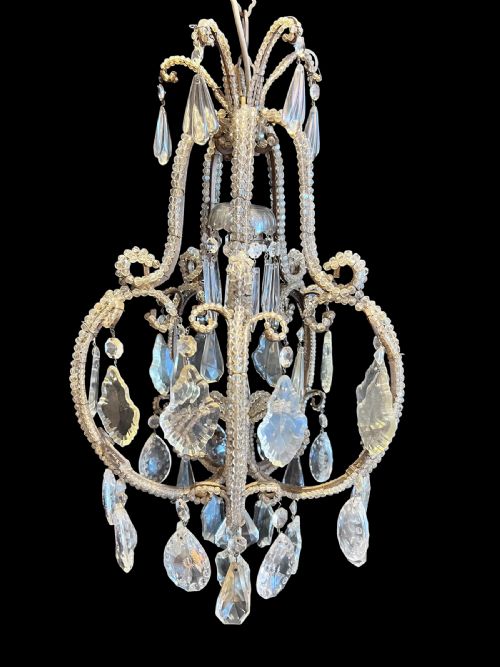
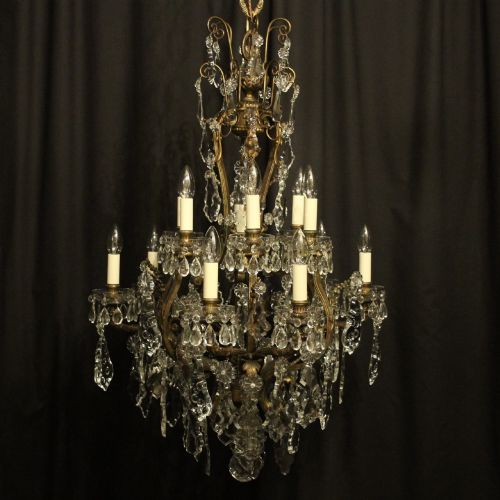
Superior examples distinguish themselves through the precision of their hand-cut crystal facets and the harmonious integration of brass and ceramic mounts. Finer chandeliers exhibit complex arm configurations, such as twelve-branch structures with fully articulated beaded arms.
The clarity and weight of the crystal or glass body dictate the overall refinement of the piece. Lesser examples rely on simpler metal frames with minimal glass ornamentation, whereas top-tier pieces maintain complete suites of matching drops.
The Antique Glass Lighting Glossary
- Opaline glass
- An opaque or translucent pale glass developed during the nineteenth century to diffuse light softly. It frequently appears in Victorian lamp bodies and shades.
- Cut glass
- Glass decorated by abrasive wheels that carve geometric or floral patterns into the surface, enhancing light refraction. It forms the primary visual element in many period chandeliers.
- Chandelier
- A branched decorative ceiling fixture designed to hold multiple light sources. Period versions utilise crystal drops and beaded arms to amplify illumination.
- Cranberry glass
- A rich red glass created by adding gold chloride to the molten batch during production. This distinct material is utilised in decorative Victorian lighting.
- Gustavian
- The Swedish interpretation of French neoclassical style, characterised by restrained elegance and pale painted finishes. Swedish chandeliers from this tradition feature simplified, balanced glass cuts.
Frequently Asked Questions
What is an opaline glass lamp?
Opaline glass lamps utilise an opaque, pastel-hued glass that softens the glare of the internal flame or bulb. They were popular during the Victorian period for domestic table lighting.
These lamps often combine glass reservoirs with ceramic or brass bases to provide stability. The material diffuses light evenly across a surface.
How do I hang a crystal chandelier?
Hanging a period chandelier requires securing the main weight directly to a ceiling joist using appropriate hardware. The delicate crystal drops and beaded arms are typically attached after the frame is hung to prevent damage.
Professional installation is recommended due to the combined weight of the brass frame and cut glass components. Ensuring correct ceiling support protects the antique metalwork.
How do I date antique glass lighting?
Dating relies on examining the assembly methods, metal types, and glass-cutting techniques present in the piece. Victorian and Edwardian examples often feature specific brass casting patterns and distinct glass colours like cranberry or cobalt.
Comparing the structural armature to known period forms helps establish a reliable timeline. Stylistic cues such as Gustavian or Grand Regency motifs also indicate the era of manufacture.
What is a spike chandelier?
A spike chandelier is a compact hanging light fixture featuring a central vertical spike or spindle from which arms and glass drops radiate. These smaller fixtures were suited to lower ceilings in Edwardian homes.
Despite their modest dimensions, they incorporate cut crystal drops to maximise light reflection. Their restrained scale makes them adaptable to contemporary interior spaces.