
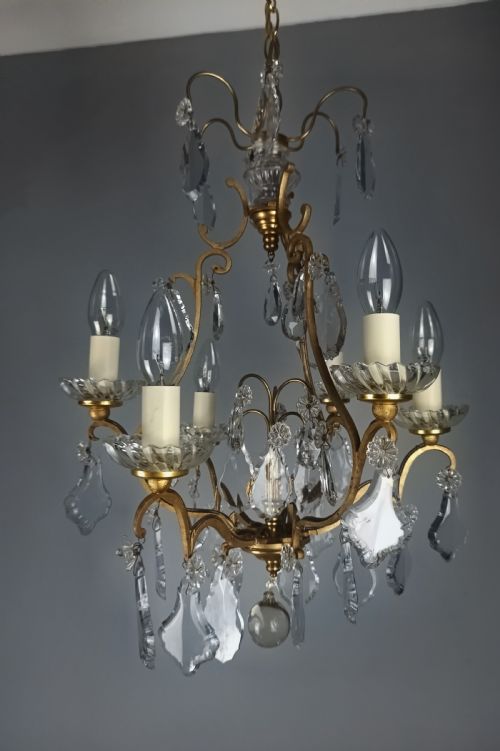
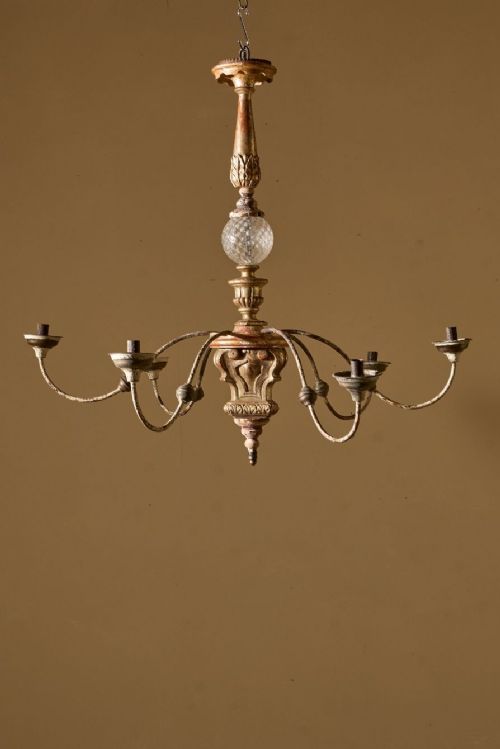
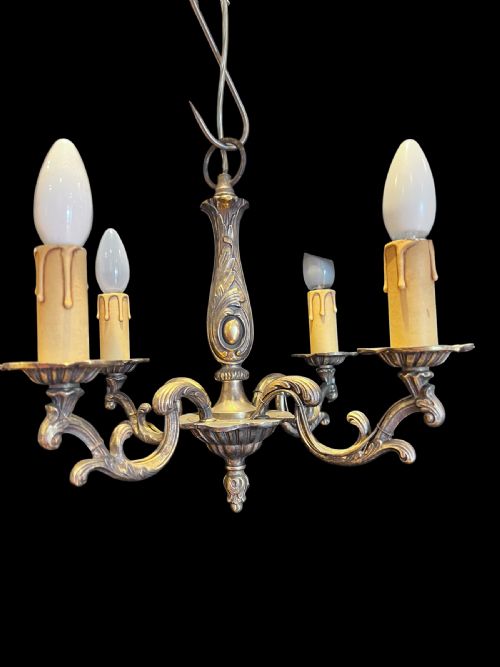
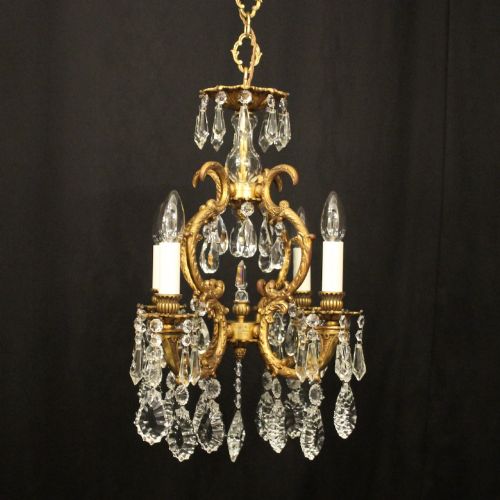
Antique Ceiling Chandelier
An antique ceiling chandelier brings dramatic illumination and period presence to a room, offering everything from French gilt bronze to Arts and Crafts brass.
Antique Ceiling Chandelier
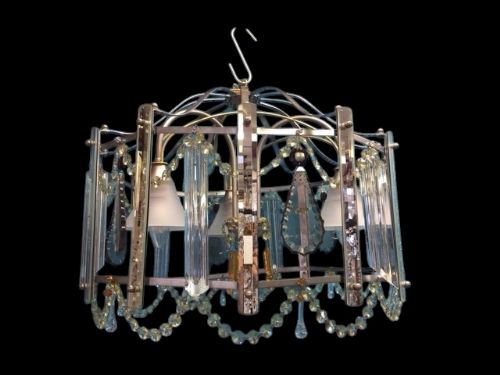
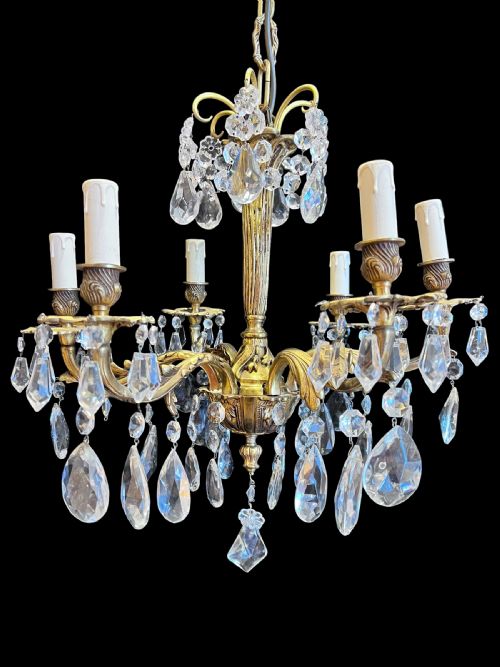
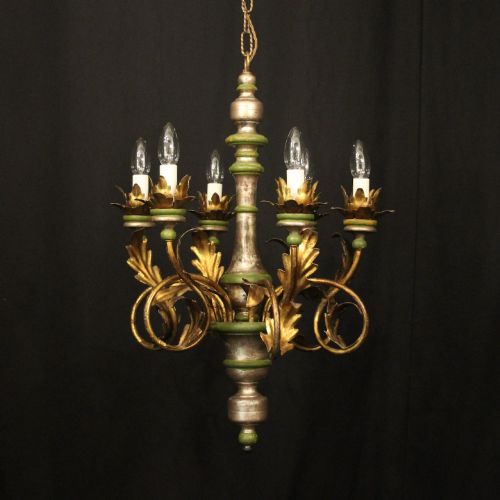
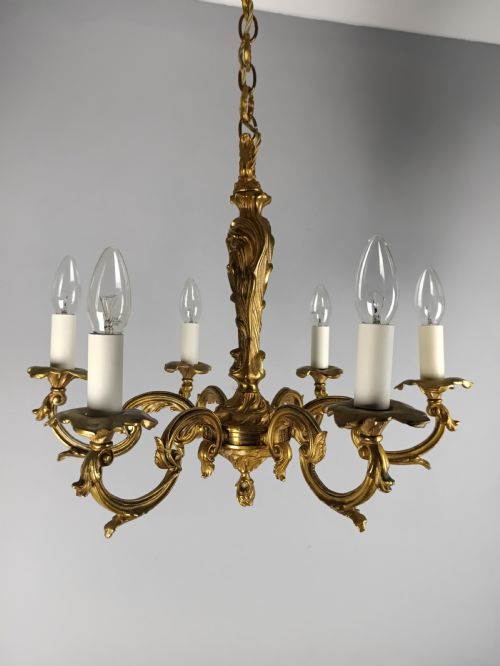
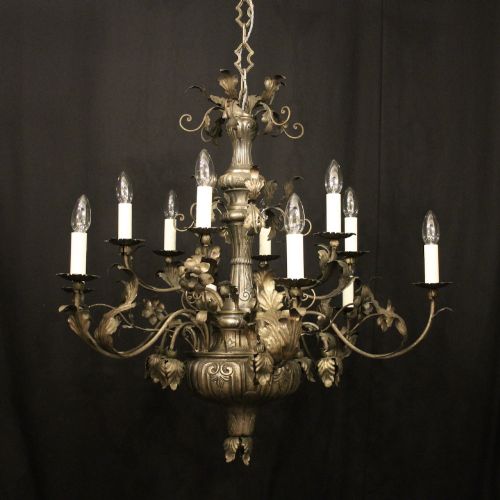
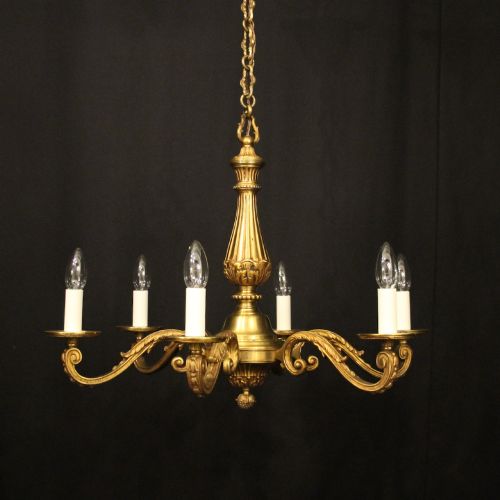
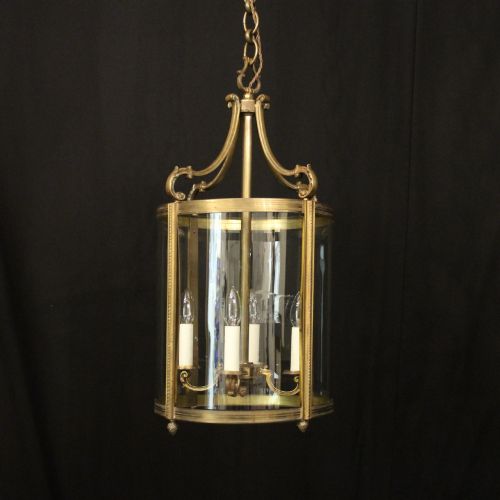
An antique ceiling chandelier encompasses a wide range of hanging overhead light fittings, spanning forms such as multi-arm candelabra fixtures, hall lanterns, basket fixtures, and pendant lights. When searching for an antique ceiling chandelier, buyers encounter pieces originating from the nineteenth century through the early twentieth century, including Edwardian, Art Deco, and various revival styles.
The material palette of these fixtures relies heavily on brass, gilt bronze, and various forms of metal paired with glass and crystal elements. Many examples showcase continental origins, particularly French chateau and empire designs, alongside English brassware and Arts and Crafts metalwork.
Forms vary from grand twelve-light statement fixtures down to single-light pendant lanterns and specialised billowy or tent-and-waterfall configurations. These overhead fittings serve both practical illumination needs and decorative focal points within period interiors.
Materials and construction methods
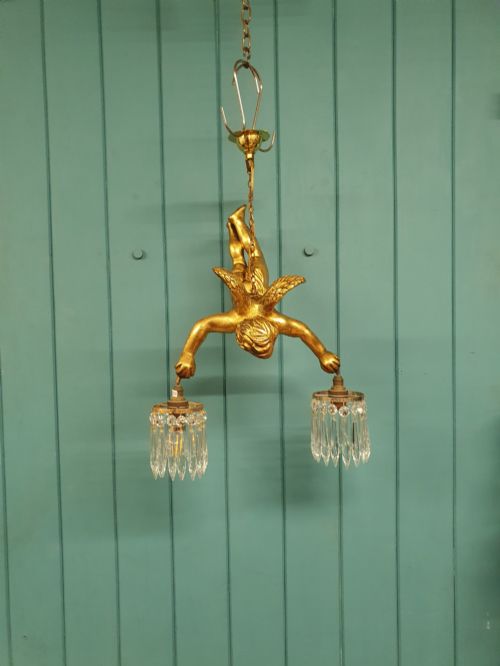
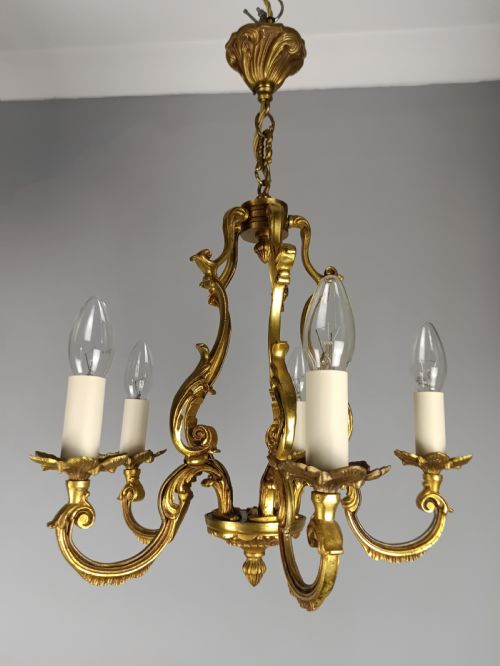
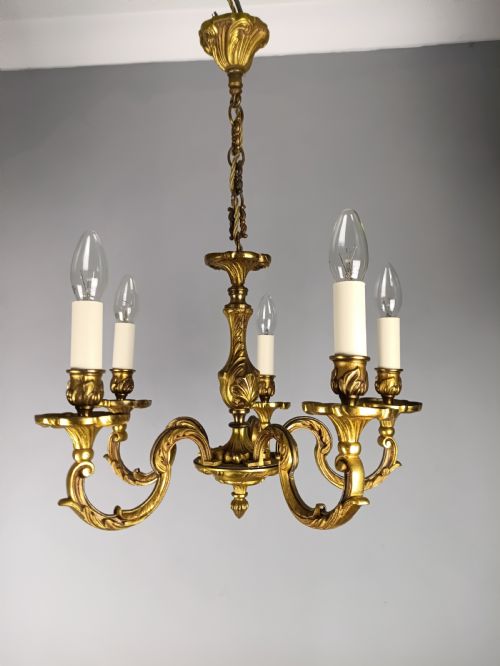
Makers constructed frames primarily from cast and spun brass, bronze, and gilt bronze, often incorporating applied gilding or patination. Structural components held together delicate arrays of cut glass, crystal lustres, and beaded strands designed to refract light from multiple internal points.
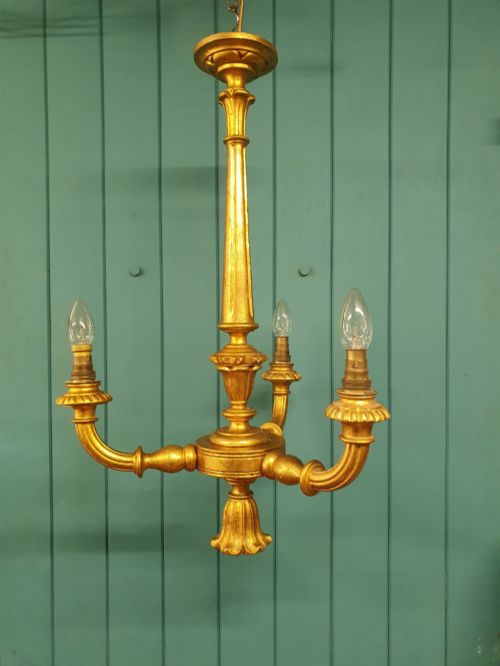
Specialist elements required diverse artistic techniques, ranging from hand-carved giltwood and porcelain flower attachments to soldered metalwork on geometric Art Deco slip-shade frames and Moravian star lanterns. Wiring and electrical components were frequently added or updated later as gas and oil fittings transitioned to electric lighting.
Recorded styles range from French Rococo and Empire Revival to Arts and Crafts metalwork and geometric Art Deco designs.
Distinguishing quality across the range
Quality rests in the crispness of the metal casting and the depth of the original gilding or bronze patination. Finer pieces display hand-chased surface details, substantial weight in the brass or bronze frames, and intricate structural elements like cast foliage or figurative motifs.
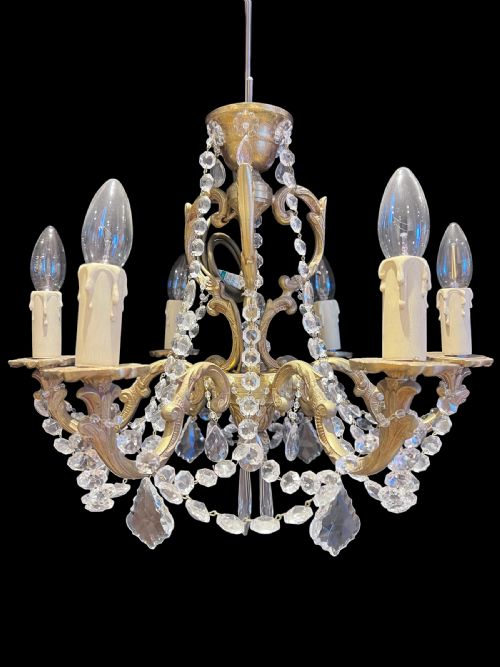
The composition of the glass and crystal components also drives distinction, where heavy cut glass, faceted crystal lustres, and integrated beading create superior light dispersion compared to simpler moulded glass alternatives.
Émile-Jacques Ruhlmann
The Antique Ceiling Chandelier Glossary
- Crystal lustre
- A cut or moulded glass pendant hung from a chandelier frame to catch and refract light. These drops vary in shape from simple spears to elaborate almond and pear forms.
- Hall lantern
- An enclosed ceiling-hung light fixture designed specifically for hallways and entrance spaces. They often feature glazed brass or bronze frames enclosing one or more internal lights.
- Tent and waterfall
- A specific lighting configuration featuring an upper conical tent of strung crystal beads falling down into a wider cascading skirt of lustres below.
- Gasolier
- An antique lighting fixture originally designed to burn coal gas before being converted to electricity. They often retain robust brass tubing and specialised gas keys.
- Toleware
- Painted or lacquered sheet metal used to create decorative floral or botanical elements on lighting fixtures. It introduces soft colour and organic shapes to the metalwork.
Antique Ceiling Chandelier: Frequently Asked Questions
How do I choose the right size chandelier?
Selecting the correct proportion depends largely on the dimensions of the room and the height of the ceiling. Large multi-arm fixtures suit spacious rooms with high ceilings, while compact lanterns or single-light pendants work well in smaller hallways or intimate spaces.
Consider the drop length as well, ensuring adequate clearance beneath the fixture for foot traffic or furniture placement.
Were these chandeliers originally electric?
Many of the nineteenth-century and early twentieth-century examples were originally configured for candles, oil, or gas illumination. Gasoliers and earlier brass fixtures frequently underwent conversion to electricity either during their working lives or later to suit modern homes.
Rewired fixtures retain their antique metal frames while offering safe, contemporary electrical operation.
How do I identify French revival styles?
French revival lighting typically draws upon classical motifs such as neoclassical urns, lyres, or heavy empire-style proportions executed in gilt bronze and brass. Look for symmetrical branching, leaf-scroll details, and rich surface gilding characteristic of chateau interiors.
These pieces often incorporate abundant crystal draping and elaborate cast bronze mounts.