



French Art Nouveau Light
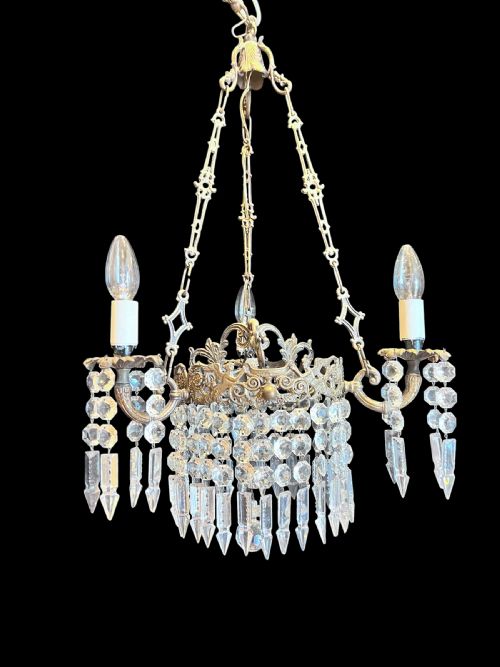
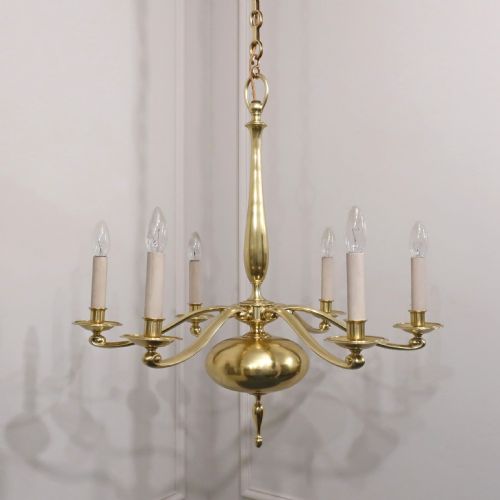
These pieces of french art nouveau light bring organic forms and flowing lines into a room, offering both illumination and sculptural presence.
French Art Nouveau Light
When buyers search for french art nouveau light, they encounter a range of fixtures designed to illuminate interiors with fluid lines and natural motifs. Table lamps, chandeliers, and wall sconces form the core of what is available.
The objects span multiple forms, including pendant lights, ceiling lights, and desk lamps. Spelter, brass, and bronze provide the structure for many of these decorative items.
Makers and workshops of the period utilised frosted glass and crystal to soften the illumination. Pieces frequently incorporate plant tendrils, floral elements, and figural sculptures into their overall design.
How They Were Made
Foundry cast metals such as bronze, brass, and spelter form the structural base of these lighting fixtures, allowing intricate organic curves to take shape. Artisans also utilised gilt bronze and silvered spelter to achieve varied surface finishes.
Glass elements, including frosted glass, opaque shades, and enameled panels, were blown or moulded to complement the metallic frames. Cabochons and crystals were frequently integrated into the body of the lamps and chandeliers.
Several lamps feature enameled grapes and frosted cherries, proving that turn-of-the-century electricians loved a fruit salad.
What Varies in Quality
The definition in the casting of figural elements and botanical motifs separates standard production from superior examples. Skilled modeling results in crisp detail on bronze and spelter figures, whereas lesser pieces lose definition in the foliage and faces.
The integration of glass components dictates the overall refinement of the fixture. High quality pieces employ enameled or specialised glass shades that harmonize with the metalwork rather than appearing as generic additions.
L & F Moreau·Georges Leleu·Abel Landry·Daum·Schneider·Alexandre Clerget·Henri Honore Ple·Auguste Moreau
The French Art Nouveau Light Glossary
- Spelter
- A zinc alloy used as a cost-effective substitute for bronze in decorative figures and lamp bases. It accepts patination and metallic paint finishes readily.
- Cabochon
- A polished, convex gem or piece of glass cut without facets. These are frequently set into bronze or metal lamp bodies for decorative accent.
- Ormolu
- Gilded bronze produced by applying a mercury and gold amalgam to the metal surface. The technique creates a rich golden finish found on higher-end pieces.
- Faience
- Tin-glazed earthenware used in decorative lamp bases and bodies. It provides a ceramic surface for colourful enamel designs.
French Art Nouveau Light: Frequently Asked Questions
What materials make up a french art nouveau light?
These fixtures incorporate cast metals such as bronze, brass, and spelter for their structural frames and bases. Glass elements, including frosted panels, enameled shades, and cabochons, complete the construction.
Makers also utilised fabric, crystal, and faience in various combinations. The integration of these materials defines the decorative character of the period.
How do I identify a authentic piece?
Authentic items display the characteristic organic curves, asymmetrical plant forms, and whip-like lines associated with the style. Examining the quality of the metal casting and the integration of the glass helps confirm the period.
Signatures from known makers or foundries often appear on the bronze or spelter bases. The materials and manufacturing techniques should align with turn-of-the-century standards.
How do I care for antique metal and glass?
Metal surfaces benefit from gentle dusting with a soft cloth to preserve their original patina. Avoid chemical polishes that can strip the historic finish from bronze, brass, or spelter.
Glass shades require careful removal and cleaning with mild soapy water. Ensure all electrical components are inspected by a qualified professional before use.