



Gilt Bronze Figural Lamp
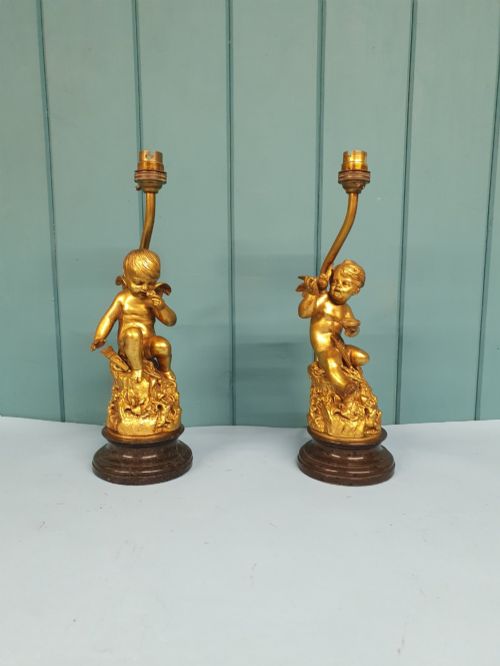
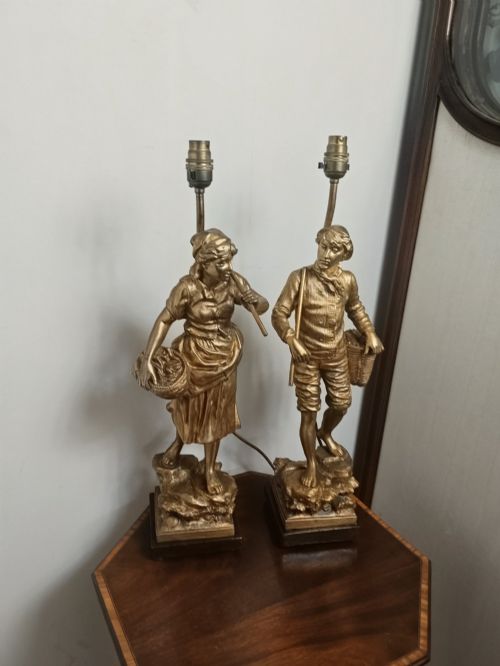
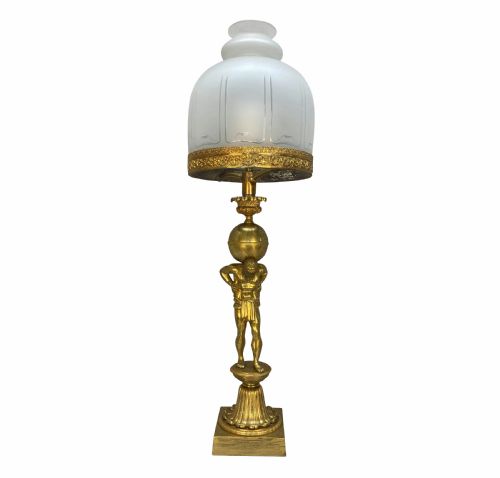
These gilt bronze figural lamps bring sculptural presence and warm illumination to a room, cast in metal and modelled on classical or natural forms.
Gilt Bronze Figural Lamp
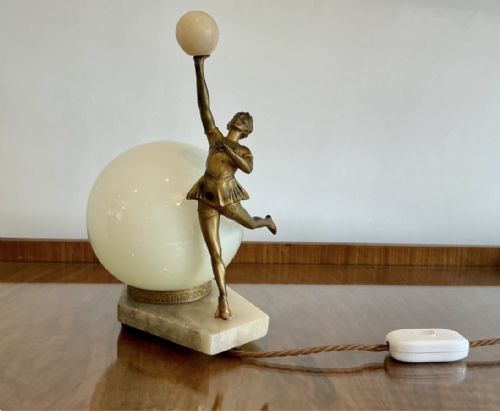
A gilt bronze figural lamp combines a cast metal sculpture of a human, deity, or cherub with a functional lighting fixture, often elevated on a marble plinth.
The selections available here span from Regency classical figures and French Second Empire torchères to Art Nouveau ladies and Art Deco designs.
Table lamps dominate the inventory, accompanied by occasional floor lamps and monumental pairs that function as primary decorative foci in a traditional interior.
What varies in quality
The crispness of the chasing on the bronze surface distinguishes finer castings from softer, more generalized production work.
The weight and selection of the supporting marble plinth, alongside the fidelity of the sculptural model, dictate the standing of the piece within its period.
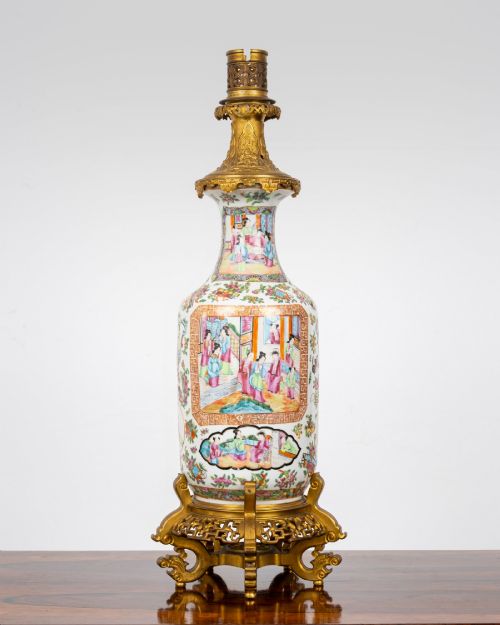
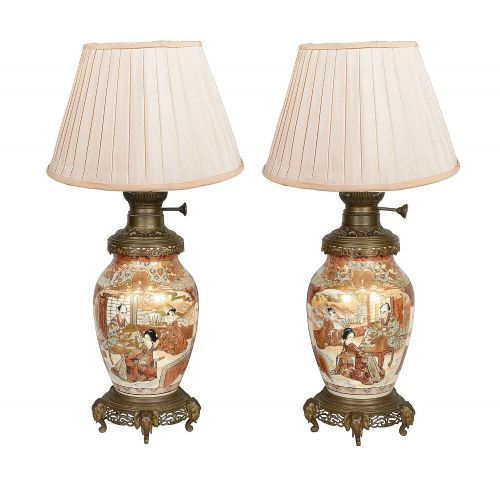
The inventory records pieces incorporating Japanese Satsuma porcelain and Rose Medallion ceramics fitted with bronze mounts.
E Rousseau·François-Christophe-Armand Toussaint·Coutan·Henri Honore Ple
The Gilt Bronze Figural Lamp Glossary
- Gilt bronze
- Metal cast and coated with a thin layer of gold or gold-coloured alloy to give a luminous finish. This technique protects the underlying metal while providing a bright surface.
- Ormolu
- Finely ground gold applied in a mercury amalgam to bronze, creating a durable golden coating. The process was widely utilised by French makers in the nineteenth century.
- Spelter
- A zinc alloy frequently used as a less costly alternative to bronze for figural castings. It accepts gilding and bronzing well but is softer than traditional bronze.
- Torchère
- A stand or sculptural figure holding lights, originally designed to carry candles or torches. In later lighting, the term describes tall figural lamps.
Gilt Bronze Figural Lamp: Frequently Asked Questions
Are these lamps originally electrified?
Most nineteenth-century examples began life as decorative figures, torchères, or vases before being converted to electrical lighting later in their history.
Conversion methods varied widely, so a careful inspection of the internal wiring by a qualified professional is recommended before use.
Where should I place a figural lamp?
Position these substantial pieces on sturdy side tables, pedestals, or consoles where their sculptural weight can be properly supported.
They function best in spaces with traditional decor, where the figural base can be appreciated as a standalone work of art.
How do I identify the period of a lamp?
Look to the stylistic cues of the figure, such as the flowing organic lines typical of Art Nouveau or the rigid symmetry of French Neoclassical design.
Materials like variegated marble bases and specific casting signatures often provide further clues to the date of manufacture.