


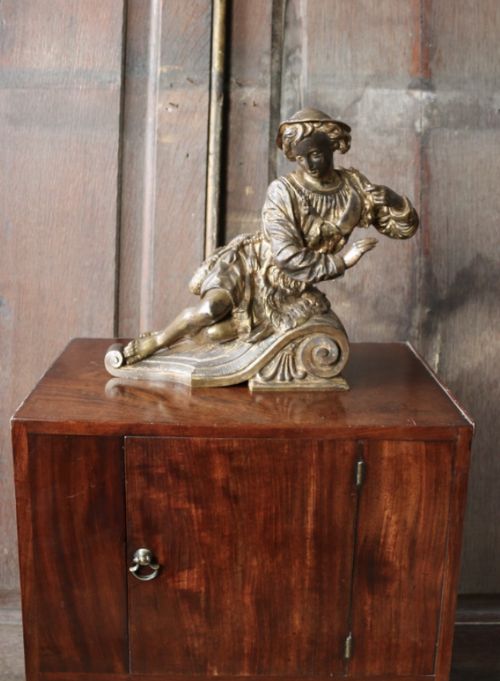
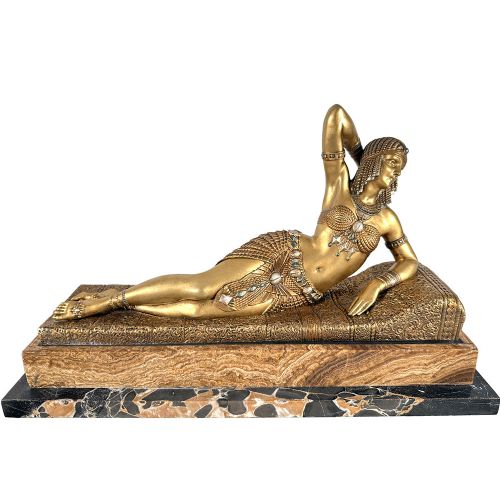


Decorative French Bronze Sculpture
These decorative french bronze sculpture pieces bring classical figures, animalier studies and illuminated lamps into a room.
Decorative French Bronze Sculpture
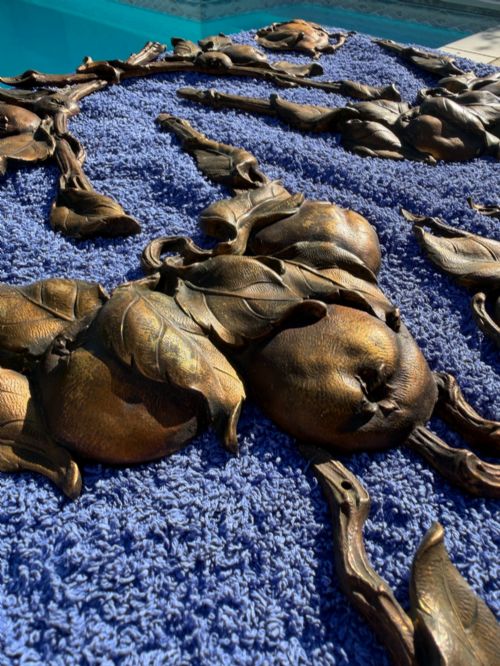
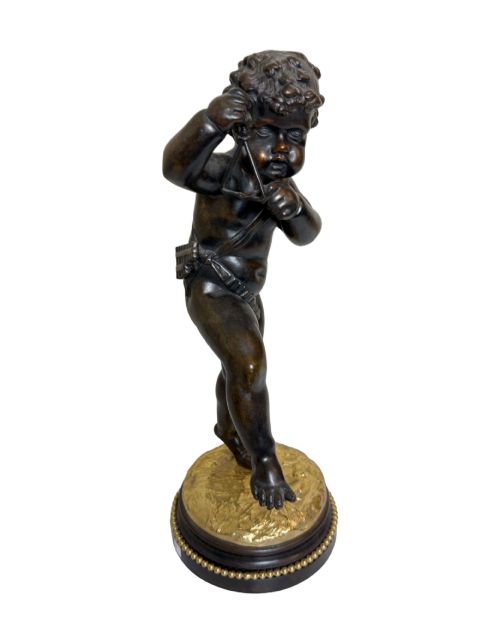
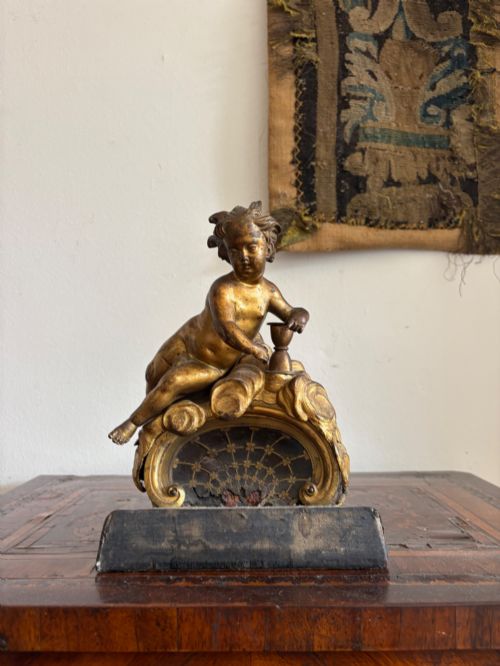
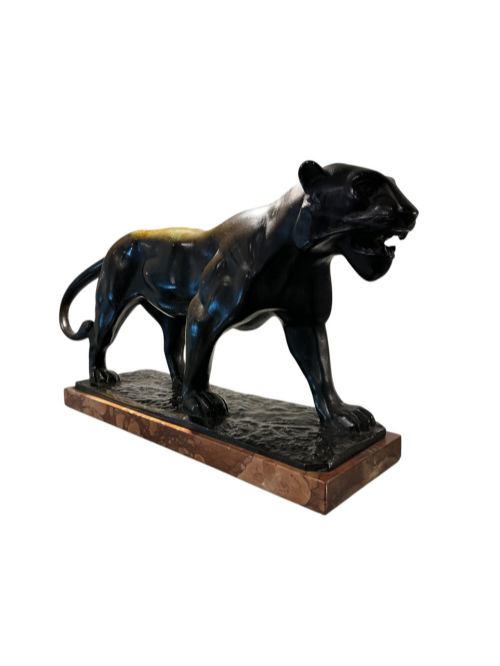
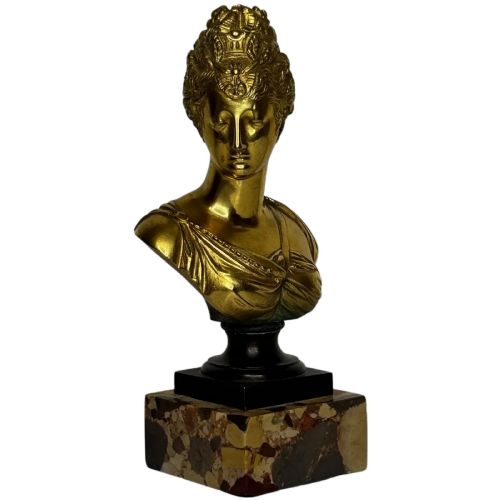
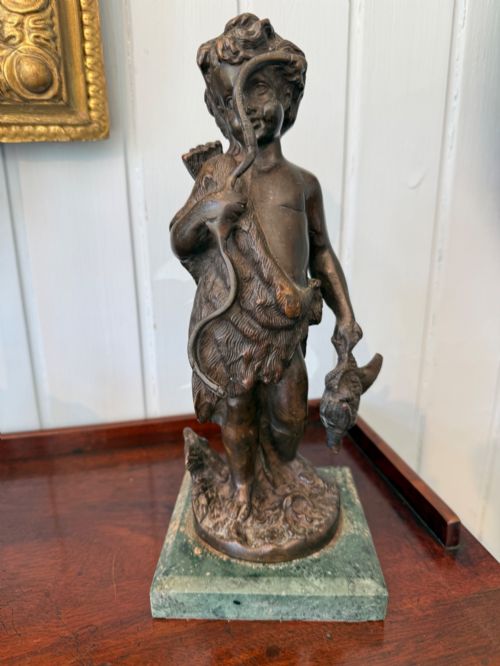
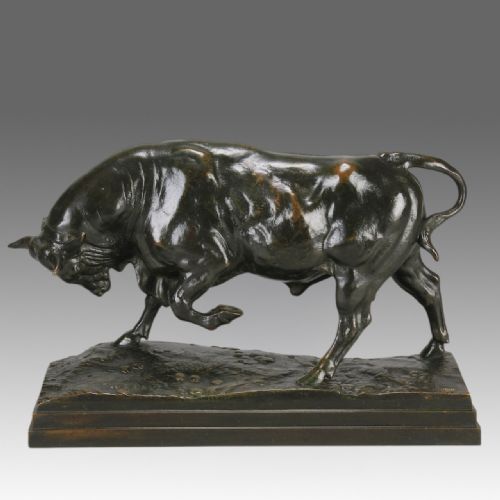
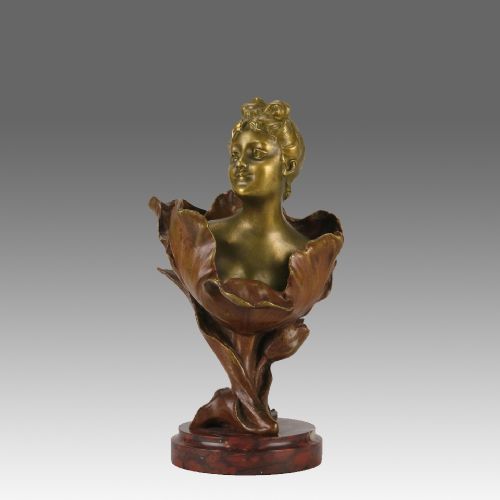
A decorative french bronze sculpture encompasses figural groups, animal studies, portrait busts and functional lamps spanning from the eighteenth century through to the art deco period. Buyers encounter animalier bulls and panthers, mythological figures like cherubs and nymphs, and striking dancers captured in patinated or gilt metal.
The nineteenth century provides a large share of the animalier and classical subjects, while later decades introduce sleek art deco figures mounted on marble bases. These works range from small mantel ornaments and bookends to substantial lamps and figural vases designed to anchor a room.
Makers utilised various secondary mounts and bases, combining bronze with marble, onyx and wood. Furniture mounts, wall appliques and andirons also feature within this category, showing the broad domestic application of the medium.
Materials and Casting Methods
Foundries employed bronze, gilt bronze and ormolu alongside patinated finishes to shape these decorative pieces. Spelter appears as an alternative metal in several domestic figures and lamps from the period.
Artists combined metalwork with marble and onyx bases, while wooden elements and ceramic inserts completed complex items like figural lamps and ornamental vases.
Listings feature works from the eighteenth, nineteenth and twentieth centuries, using bronze, spelter, marble and gilt bronze.
Evaluating the Cast
Quality rests upon the crispness of the chasing and the depth of the initial cast, which determines how sharply facial expressions and plumage emerge. Finer examples retain meticulous surface detail on hair, drapery and animal musculature without soft edges.
The richness of the patination or the evenness of the gilt finish dictates the visual presence of the object. Superior bases of dense marble or carved wood further elevate the execution of the piece.
Antoine Louis Barye·Henri Godet·Demetre Chiparus·Emile Picault·Charles Korschann·Isidore Jules Bonheur·Albert Carrier Belleuse·Henri Honore Ple
The Decorative French Bronze Sculpture Glossary
- Animalier
- A nineteenth-century artistic focus on the realistic depiction of animals. Sculptors such as Barye specialised in this dynamic genre.
- Ormolu
- Gilt bronze ornamentation applied to furniture, mounts and decorative objects. It involves a fine layer of gold amalgamated onto a bronze base.
- Patination
- The surface coloration and finish achieved through chemical treatment or age. This layer protects the metal and defines the visual tone.
- Applique
- An ornamental bracket or mount fixed to a wall or surface. These fixtures often take the form of gilt bronze foliage or figures.
- Spelter
- A zinc alloy utilised as a cheaper alternative to bronze. It appears frequently in nineteenth and early twentieth-century decorative figures.
Decorative French Bronze Sculpture: Frequently Asked Questions
How do I clean a bronze sculpture?
Dust the surface gently with a soft, dry brush to remove particles without disturbing the underlying patination. Avoid harsh chemical cleaners or abrasive cloths that strip the finish.
Apply a very thin coat of microcrystalline wax if the metal requires protection against moisture. Buff lightly with a clean cloth to maintain a subtle sheen.
Are spelter and bronze different?
Spelter is a softer zinc-based alloy, whereas bronze is a durable copper and tin mixture. Bronze objects generally show sharper casting details and carry more weight.
Inspect the underside or worn areas to check the base metal colour. Spelter typically reveals a greyish interior beneath the painted or patinated surface.
What is an animalier sculpture?
Animalier sculptures focus specifically on the anatomical study and lifelike behaviour of animals. These works gained immense popularity across nineteenth-century France.
Artists captured creatures in motion, from stalking panthers to grazing horses, reflecting a scientific and artistic curiosity about the natural world.
How do I identify art deco figures?
Art deco figures display stylised geometric lines, streamlined forms and theatrical poses. Materials frequently include patinated bronze paired with contrasting marble bases.
Subjects often feature dancers, athletic figures and sleek animals characteristic of the interwar period. Look for signatures or foundry marks on the base edges.