





Classical Female Figural Lamp
These classical female figural lamp designs blend sculptural bronze and spelter forms with period lighting, offering homes a striking focal point.
Classical Female Figural Lamp
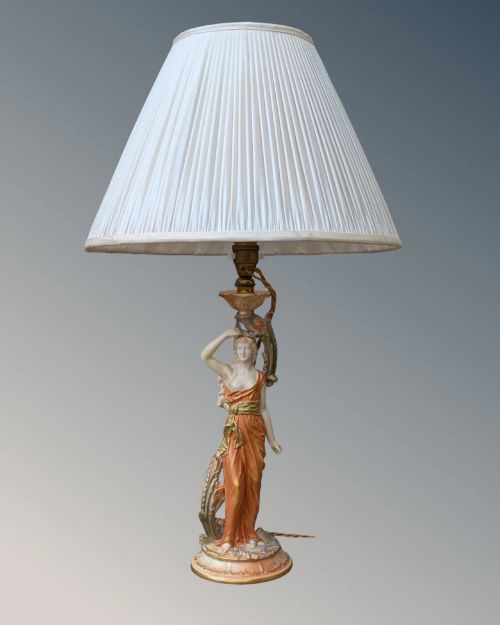
When you search for a classical female figural lamp, you encounter sculptural lighting pieces cast in bronze, spelter, and porcelain. These items combine classical human forms with functional illumination, appearing primarily as table lamps, floor lamps, and torcheres.
The selections span the Victorian, Regency, and Art Nouveau periods, alongside 19th Century and early 20th Century examples. French Neoclassical and Neoclassical Revival styles dominate the aesthetic, frequently depicting named allegorical figures.
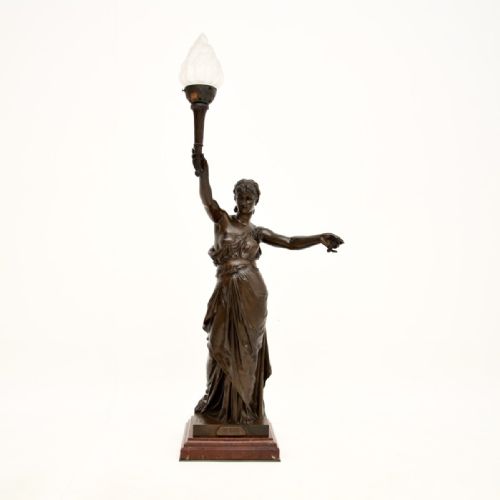
Most pieces on this page utilise metal casting techniques, featuring female figures holding torches, shades, or oil reservoirs. You will find works ranging from monumental torcheres to smaller table-standing bronze and spelter lampbases.
How they were made
Foundries utilised bronze and spelter as primary metal mediums for casting intricate female figures, often employing cold painting or silvering finishes. Artisans also incorporated marble for bases and glass or frosted glass for shades to complement the metalwork.
Sculptors signed their creations into the metal during the casting process, as seen in works attributed to named artists from the 19th and early 20th Centuries. Porcelain bodies also appear, demonstrated by glazed ceramic components paired with period electrical fittings.
Classical Female Figural Lamp Retail Price Guide 2026
Typical asking prices for classical female figural lamp among the pieces listed under this phrase on Sellingantiques today, from the lower quarter to the upper quarter. They describe what is for sale here now, not the wider market.
Several figures hold torches so high they require ceilings grand enough to accommodate a seven-foot bronze lady.
What varies in quality
The choice of base materials and secondary elements, such as genuine marble plinths or heavy bronze construction rather than lighter spelter, dictates the overall heft and stability of the lamp. Original patination and untouched cold-painted surfaces preserve the artistic integrity intended by the maker.
Royal Worcester Porcelain·Humphrey Hopper·Jean-Jules Cambos·Coutan·Henri Honore Ple·Auguste Moreau
The Classical Female Figural Lamp Glossary
- Torchere
- A tall ornamental floor lamp or candle stand, frequently modelled with a female figure holding a light source aloft. These pieces often serve as prominent architectural lighting in large rooms.
- Spelter
- An alloy of zinc and lead or copper used as a cost-effective alternative to bronze in nineteenth and twentieth-century sculpture. It takes patination well but possesses a lighter weight than bronze.
- Cold painted
- A method where paint is applied to metal sculpture without subsequent firing or heat treatment. This technique produces delicate surface colours on bronze and spelter figures.
- Neoclassical Revival
- An artistic movement drawing inspiration from the classical art and culture of ancient Greece and Rome. This style influences the draped garments and dignified postures of the figural lamps.
Classical Female Figural Lamp: Frequently Asked Questions
What periods do these lamps come from?
The listings include pieces originating from the Regency and Victorian eras, alongside nineteenth century and early twentieth century works.
Art Nouveau and French Neoclassical styles also appear frequently across the available inventory.
How were spelter and bronze used?
Foundries cast both metals into detailed classical female figures that support lighting fixtures or torcheres.
Bronze provides heavy durability and a rich patina, while spelter offers an alternative metal medium for sculptural casting.
Are these pieces signed by artists?
Several sculptures feature signatures from period artists cast directly into the metal base or figure.
Names inscribed on the pieces connect them to specific nineteenth and twentieth century workshops and sculptors.
What materials make up the shades?
Glass, frosted glass, and fabric form the primary shade materials paired with the metal figural bases.
Torcheres often utilise upward-facing glass shades to direct light toward the ceiling.