


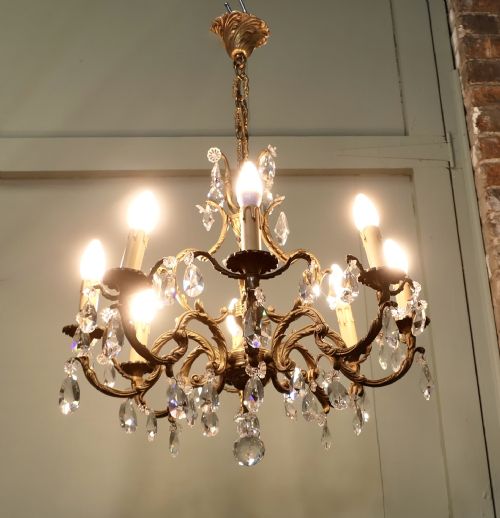
Antique Glass Ceiling Light
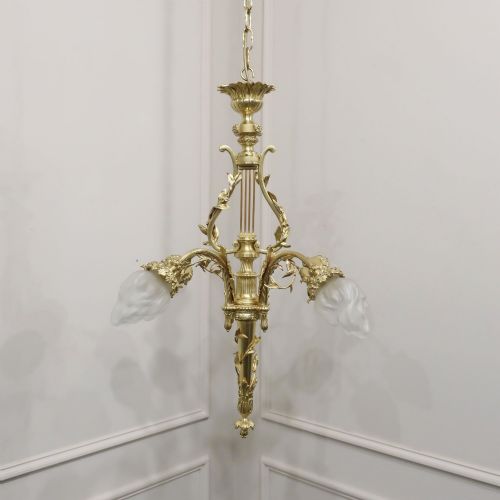
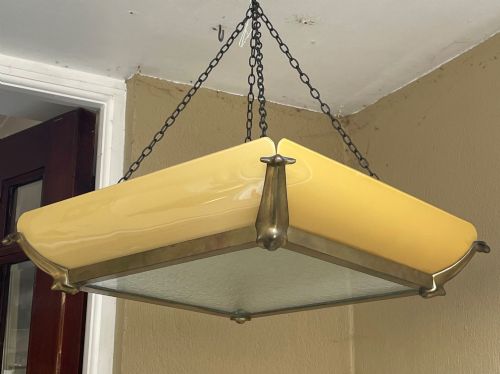
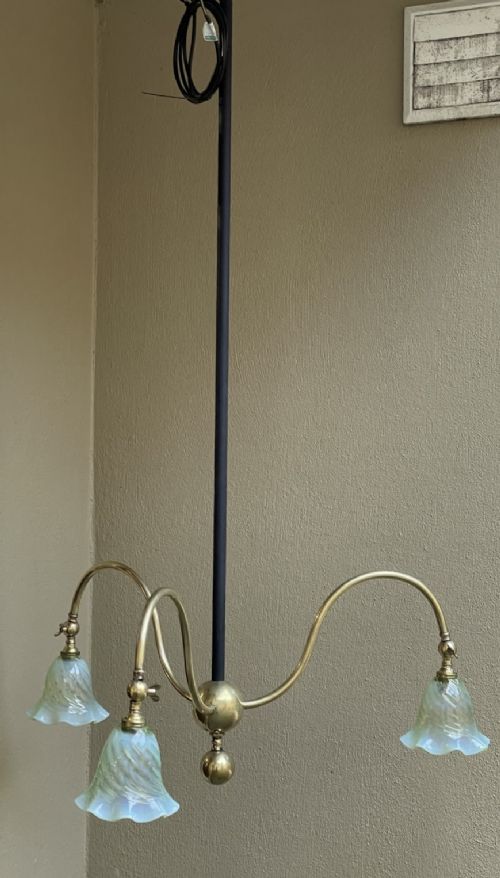
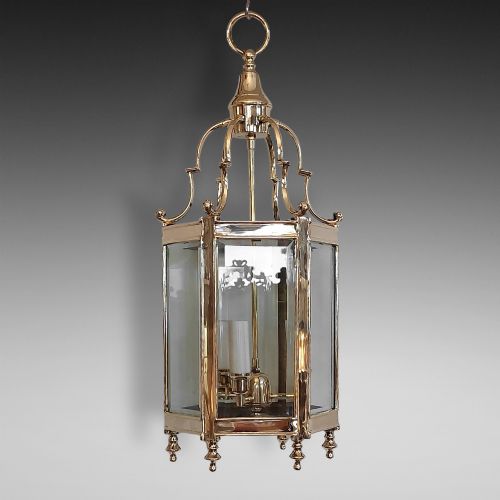
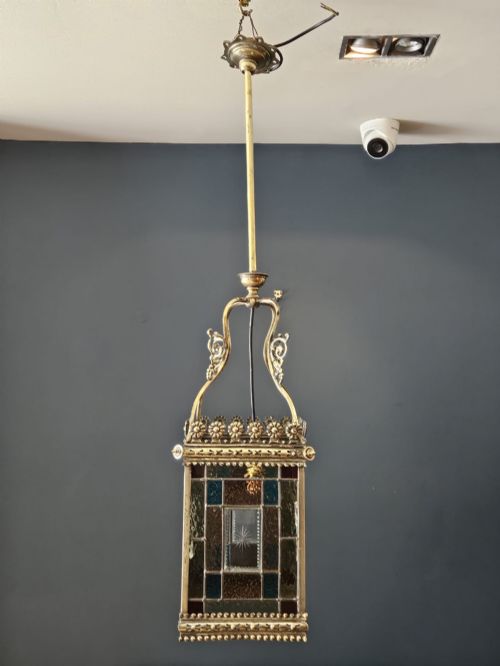
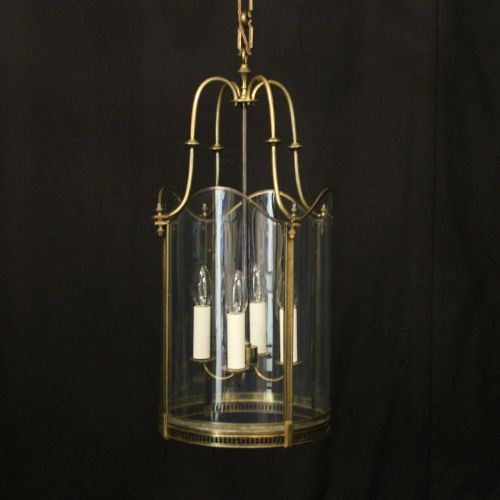
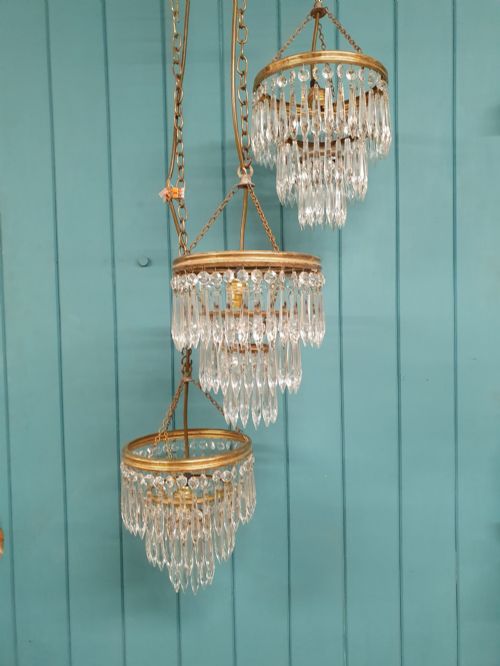
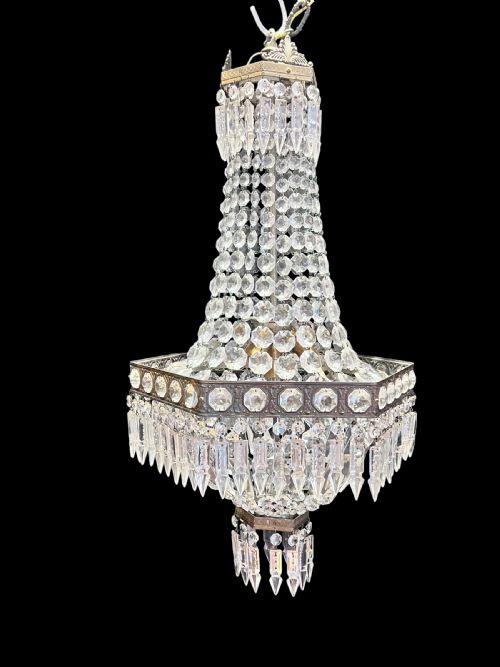
These antique glass ceiling light examples illuminate a room with period character, offering everything from heavy cut crystal to delicate milk glass.
What these pieces are
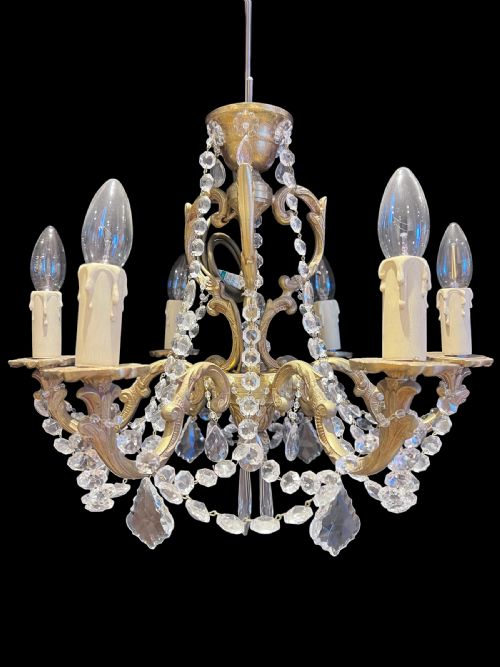
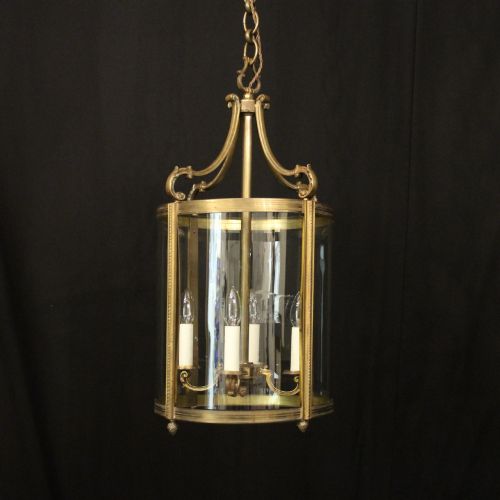
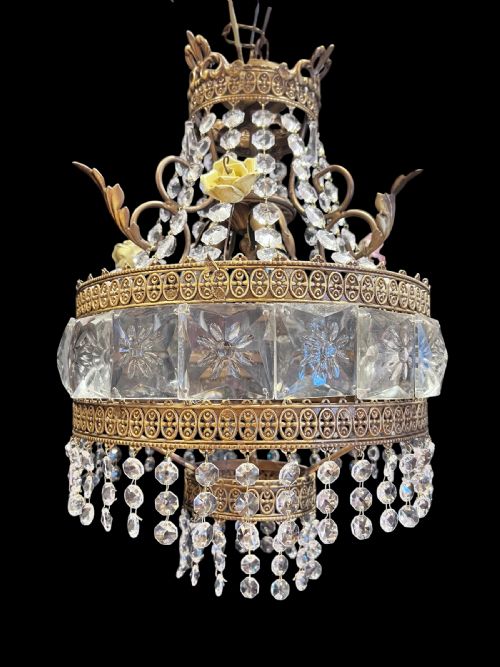
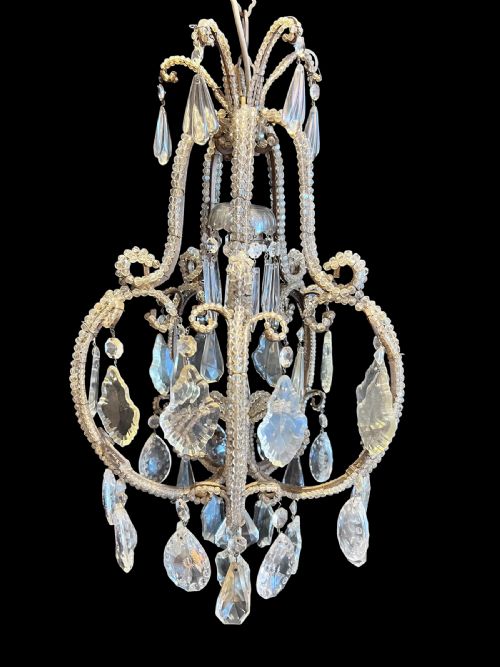
An antique glass ceiling light encompasses chandeliers, pendant lights, and hanging fittings designed to illuminate a room from above. The selection ranges from grand multi-branch chandeliers to single globe pendants and multi-tier drop fixtures.
The pieces on this page appear in various styles including Regency, Art Deco, French Napoleon III, Venetian, and Bohemian. Forms span from simple glass globes and baskets to elaborate electroliers and waterfall pendants.
Origins include English, French, Venetian, and Bohemian workshops, reflecting distinct regional glass-cutting and metal-working traditions. Buyers encounter everything from compact hall lanterns to massive twelve-branch reception chandeliers.
How they were made
Construction relies on combinations of brass, gilt bronze, and metal framing supporting hand-blown, moulded, or cut glass elements. Individual glass components such as drops, beads, shades, and globes are wired or pinned to the metal skeletons.
Techniques range from precision crystal cutting to the creation of textured finishes like crackle glass, opaline, and crimped milk glass. Metal galleries and mounts secure the glass shades and pendants, often utilising threaded screws or brass claws.
Retail Price Guide 2026
Typical UK retail prices for glass ceiling light, calculated from the Sellingantiques database of over a million retail prices indexed since 2003. This retail price guide relies exclusively on Sellingantiques data; no external sources or auction records are used, so the figures do not describe the wider market.
Some Victorian and Edwardian shades incorporate moulded glass grapes and flowers, bringing an unexpected touch of the orchard indoors.
What varies in quality
The distinction between standard and superior pieces rests upon the depth of hand-cutting in the crystal and the weight of the supporting brass or gilt bronze frame. Heavier castings and crisper facets produce more complex light refraction.
Glass quality determines how light disperses through a room, with high-clarity crystal and specialised finishes like opaline or crackle glass creating distinct visual depth. The integration of metal galleries with matching glass components separates cohesive designs from assembled combinations.
The Antique Glass Ceiling Light Glossary
- Electrolier
- A light fixture designed specifically for electricity rather than converted from gas or candles. These large fixtures often feature multiple branches for high illumination.
- Opaline glass
- An opaque or semi-translucent glass developed in the nineteenth century, often appearing in soft pastel shades or white. It diffuses light gently without harsh glare.
- Cut glass
- Glass decorated by grinding facets or patterns into the surface using a wheel. This technique maximises sparkle and refraction in chandeliers.
- Basket chandelier
- A lighting form where glass drops hang in a curved, enclosed shape resembling a basket beneath the metal frame. The dense arrangement creates a solid cascade of crystal.
- Gallery
- A metal ring or collar that holds a glass shade or globe in place. Galleries often feature decorative piercing or matching patination.
Frequently Asked Questions
Are these lights wired for modern use?
Many surviving fixtures retain period fittings or have undergone rewiring to meet modern electrical standards. Buyers should inspect the internal wiring upon arrival.
A qualified electrician can easily update older brass lampholders while preserving the historic exterior metalwork and glass.
How do I clean an antique glass light?
Remove delicate glass drops and shades individually and wash them in warm soapy water using a mild detergent. Dry each piece thoroughly before reattachment.
Avoid soaking metal frames or antique brass components to protect their original patination from harsh moisture.
How do I tell Art Deco from Victorian styles?
Art Deco lighting from the 1920s favours geometric lines, opaline glass, and streamlined chrome or brass galleries. Victorian and earlier pieces lean towards ornate brasswork, cascading drops, and elaborate floral motifs.
Examining the mounting hardware and the silhouette of the glass shades reveals the prevailing design ethos of the manufacturing era.