

French Glass Pendant Light
A french glass pendant light brings warm illumination and period character to a high ceiling or narrow hallway.
French Glass Pendant Light
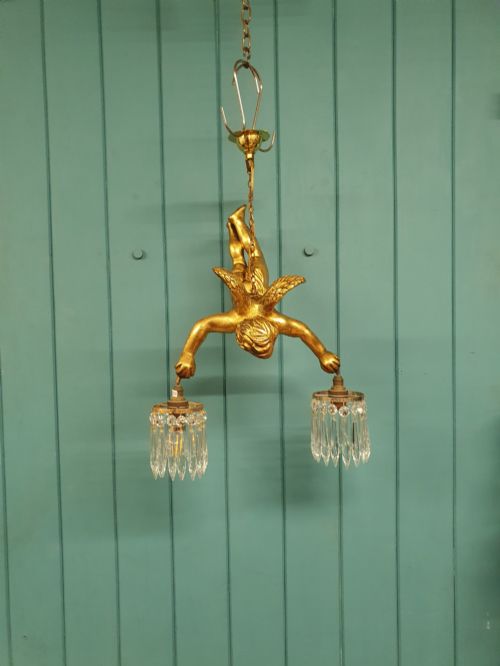
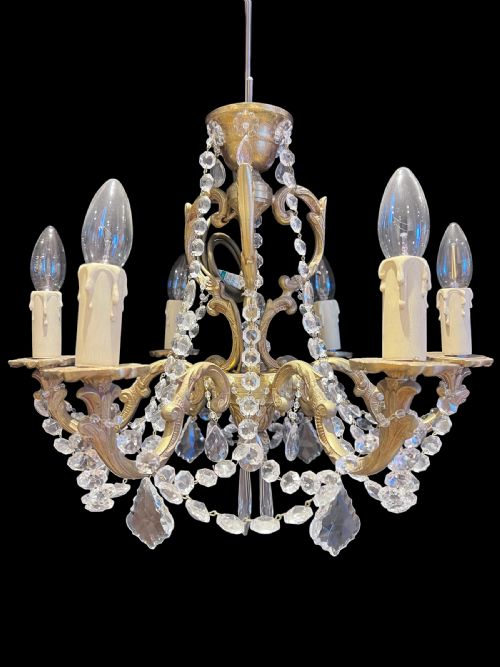
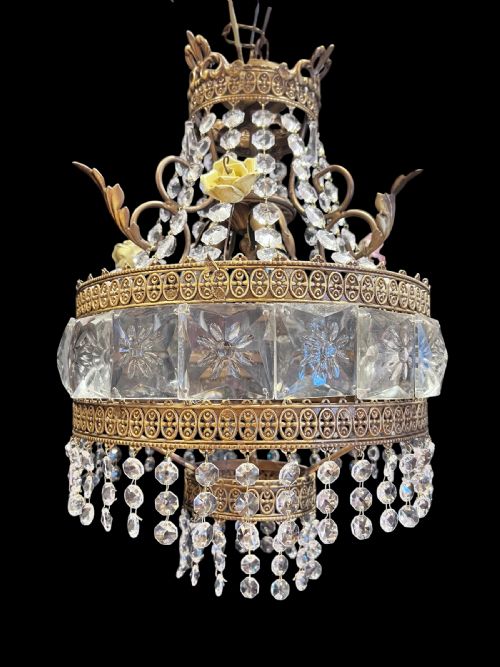
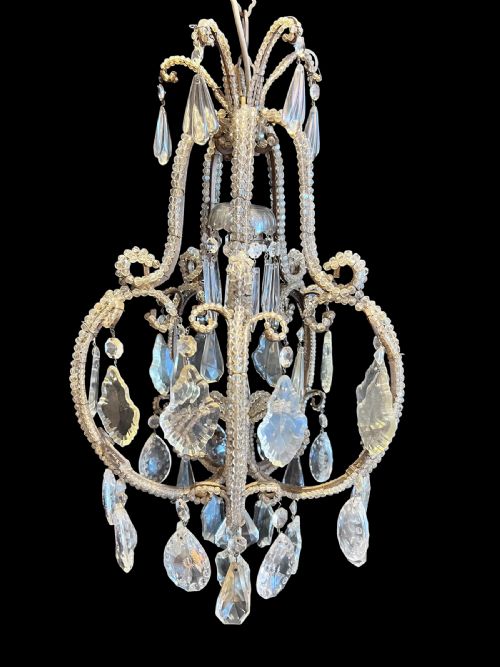
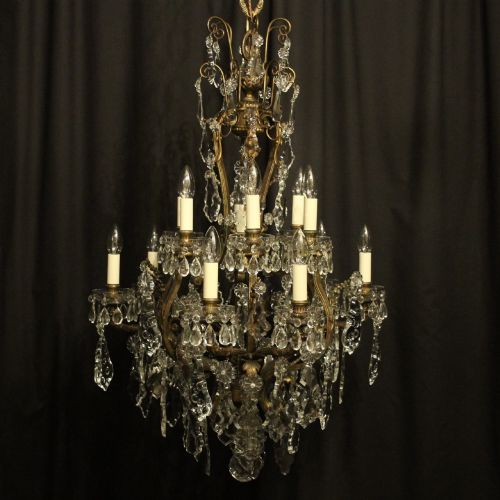
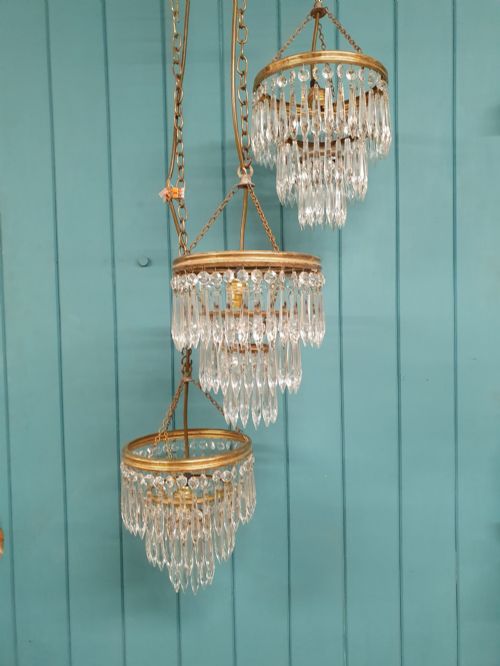
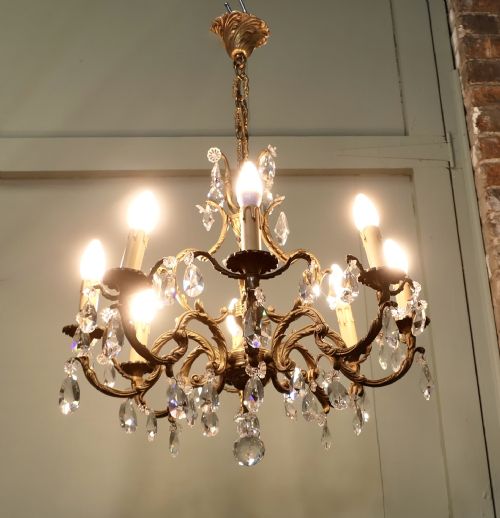
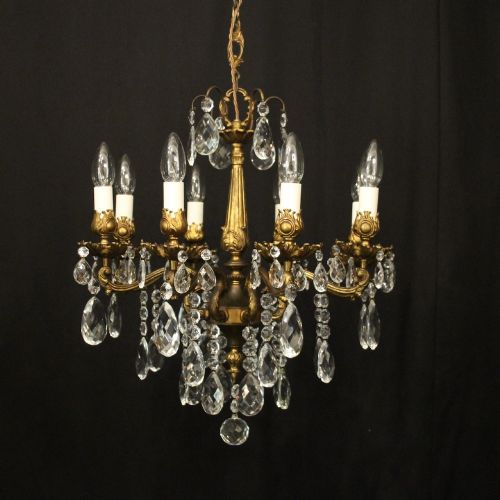
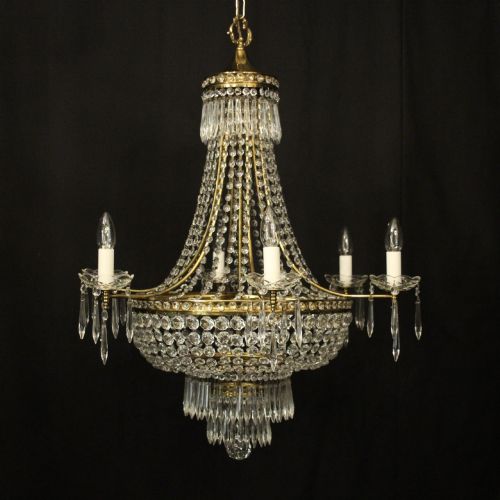
When you search for a french glass pendant light, you are looking at overhead fixtures spanning from the nineteenth century through the art deco era. The selection includes simple globes, opaline shades, and elaborate brass or bronze frames holding cut crystal drops.
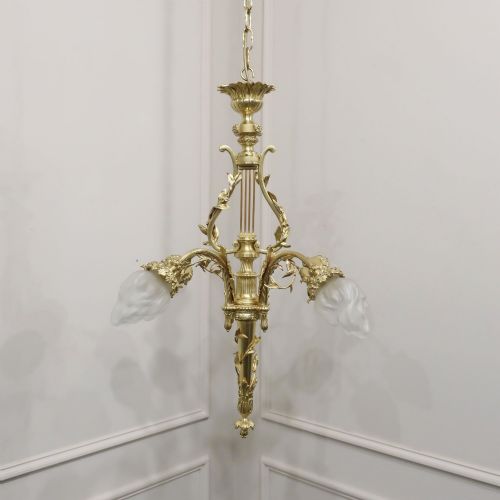
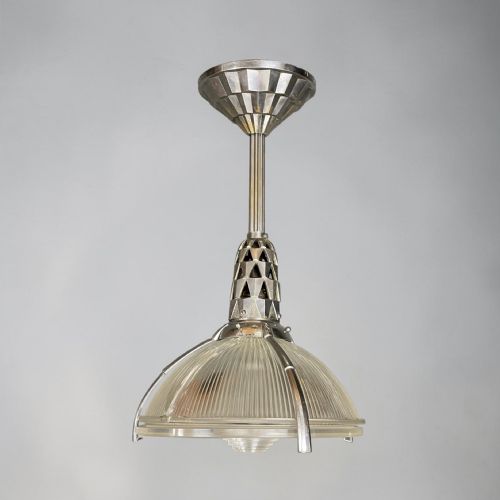
The most common examples on this page date from the nineteen-twenties and utilise moulded or blown glass suspended from brass or gilt metal chains and mounts. Styles range from French empire and neoclassical designs to streamlined art deco hemispheres and rise and fall mechanisms.
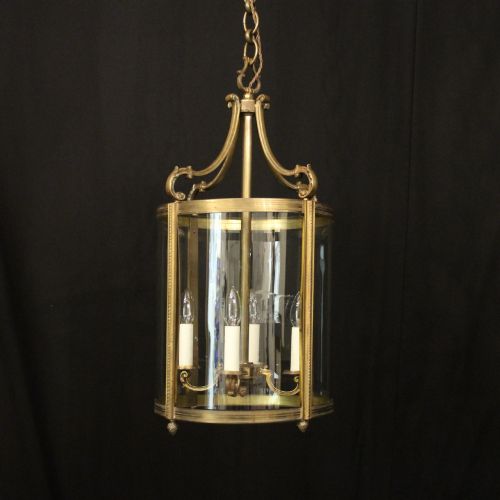
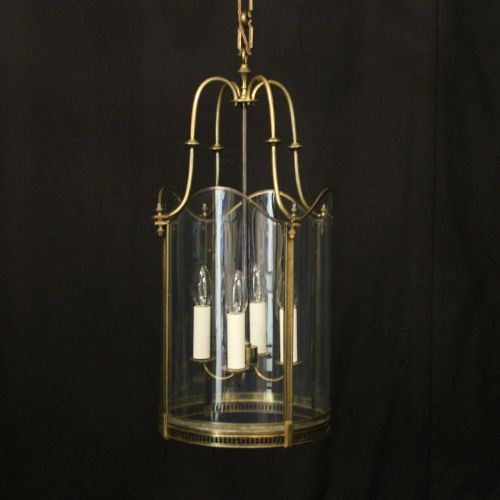
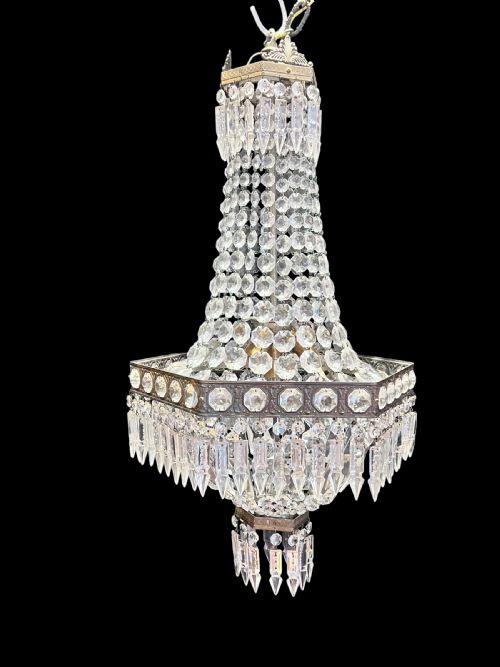
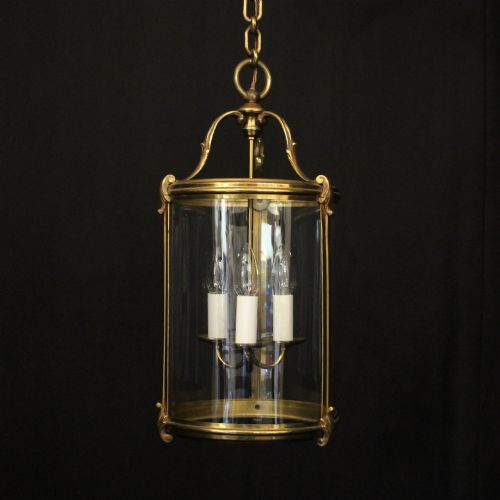
Many of these ceiling fixtures take the form of hall lanterns, plafonieres, or basket chandeliers featuring etched glass panels and brass frames. They suit period hallways, stairwells, and living rooms needing an authentic historical focal point.
How they were made
Makers formed the shades using hot glass techniques, blowing or pressing the material into moulds to create opaline, frosted, or etched finishes. These glass elements diffuse light softly while showcasing decorative patterns typical of the period.
Metalwork frames rely on brass, gilt bronze, and ormolu, cast and chased with rococo or neoclassical motifs. Component parts like crystals, lustres, and spikes are wired or pinned directly into the metal armature to catch and refract the illumination.
French Glass Pendant Light Retail Price Guide 2026
Typical asking prices for french glass pendant light among the pieces listed under this phrase on Sellingantiques today, from the lower quarter to the upper quarter. They describe what is for sale here now, not the wider market.
Some nineteen-thirty rise and fall pendants let you adjust the height instantly over a dining table with a gentle pull.
What varies in quality
The distinction between standard production and finer pieces lies in the crispness of the bronze casting and the depth of the hand-chiselling on the metal mounts. Heavier gauge brass and thicker, hand-cut crystal retain sharper details and superior weight.
Glass quality separates simpler items from superior examples through the purity of the opaline tone and the precision of the etched or acid-stamped decoration. Original patination on the gilt surfaces indicates age and careful preservation over decades.
Émile-Jacques Ruhlmann
The French Glass Pendant Light Glossary
- Opaline glass
- A pale, translucent milk glass that diffuses light evenly without harsh glare. It was widely utilised in nineteenth-century and art deco lighting.
- Ormolu
- A metallic alloy resembling gold, applied as a surface finish to bronze mounts and frames. It provides a rich, warm tone on period light fittings.
- Plafoniere
- A ceiling-mounted lighting fixture where the shade sits flush or very close to the ceiling rose. This form suits rooms with lower clearance.
- Tent and waterfall
- A lighting configuration featuring strings of crystal beads arranged in a triangular tent shape above a cascading tier of drops. It creates intense light refraction.
- Rise and fall
- A mechanical pulley system allowing the pendant height to be adjusted up and down by hand. It appears frequently on utilitarian and dining fixtures.
French Glass Pendant Light: Frequently Asked Questions
How do I hang a heavy bronze lantern safely?
Heavier fixtures require direct support from a ceiling joist rather than resting on plaster alone. A professional electrician should install a steel hook or pattress to bear the weight securely.
Ensuring the wiring is modern is equally vital for safety. Older brass lanterns often need rewiring to meet current electrical standards before installation.
What rooms suit an opaline glass pendant?
Opaline glass pendants work well in kitchens, bathrooms, and hallways because the milk glass softens bright bulbs into a flattering glow. Their simple geometric or spherical shapes complement both traditional and modern interiors.
Lower ceilings benefit particularly from flush plafonieres, while higher spaces accommodate hanging lanterns on longer brass chains.
How do I clean antique cut crystal?
Remove dust gently with a soft microfibre cloth rather than harsh chemical sprays. For deeper cleaning, wash individual glass drops in lukewarm water with mild soap before drying thoroughly.
Avoid immersing antique metal mounts in water to protect the original gilt or brass finish. Wipe the frames down carefully with a dry cloth.
How can I tell art deco lights from earlier styles?
Art deco lights from the nineteen-twenties favour symmetrical geometric lines, frosted or opaline globes, and minimal ornamentation. They reject the ornate scrolls and cascading crystals of earlier nineteenth-century designs.
Neoclassical and empire styles rely instead on urns, swags, and classical motifs cast in bronze. Examining the mount details clarifies the design period.