

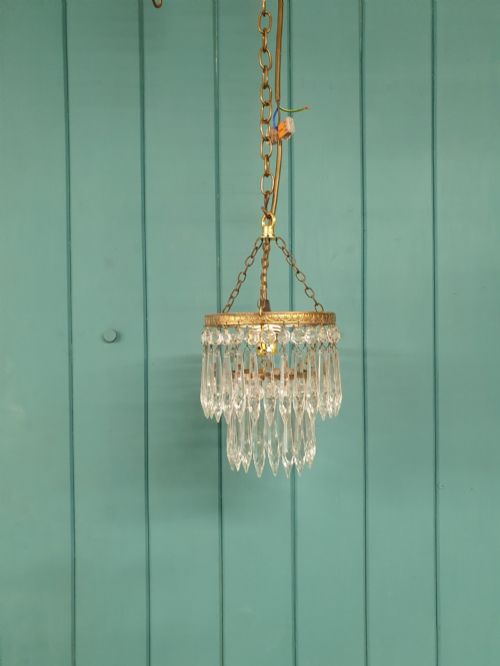
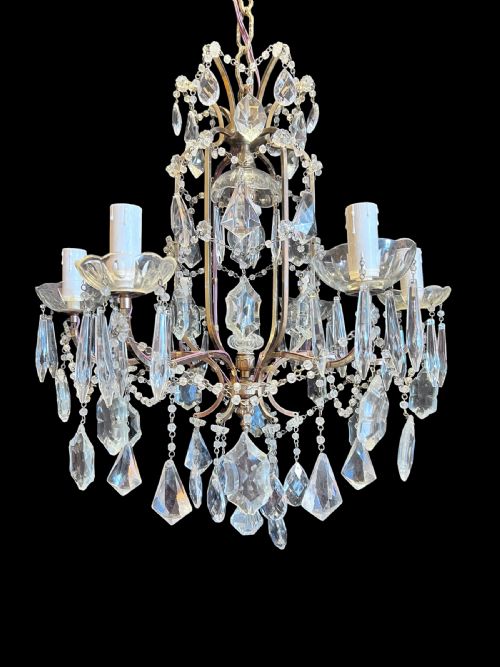
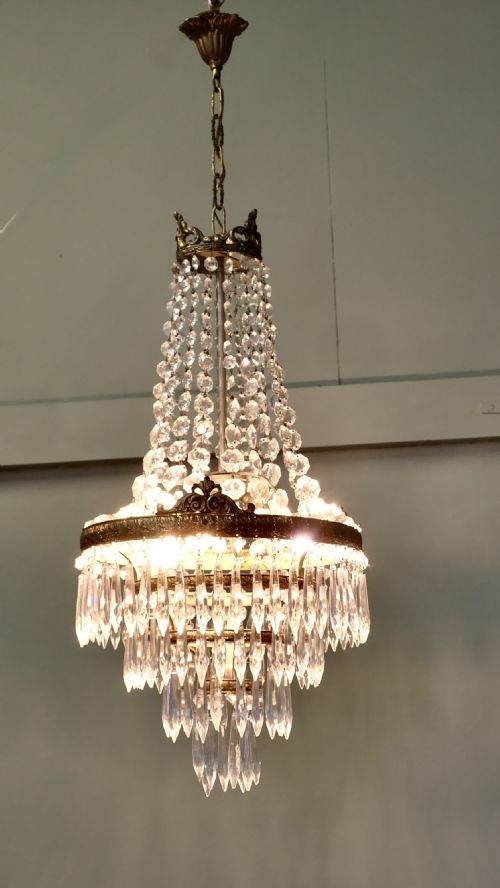
French Crystal Pendant
A french crystal pendant brings the sparkle of a grand salon into a modest room, catching the daylight and holding the eye.
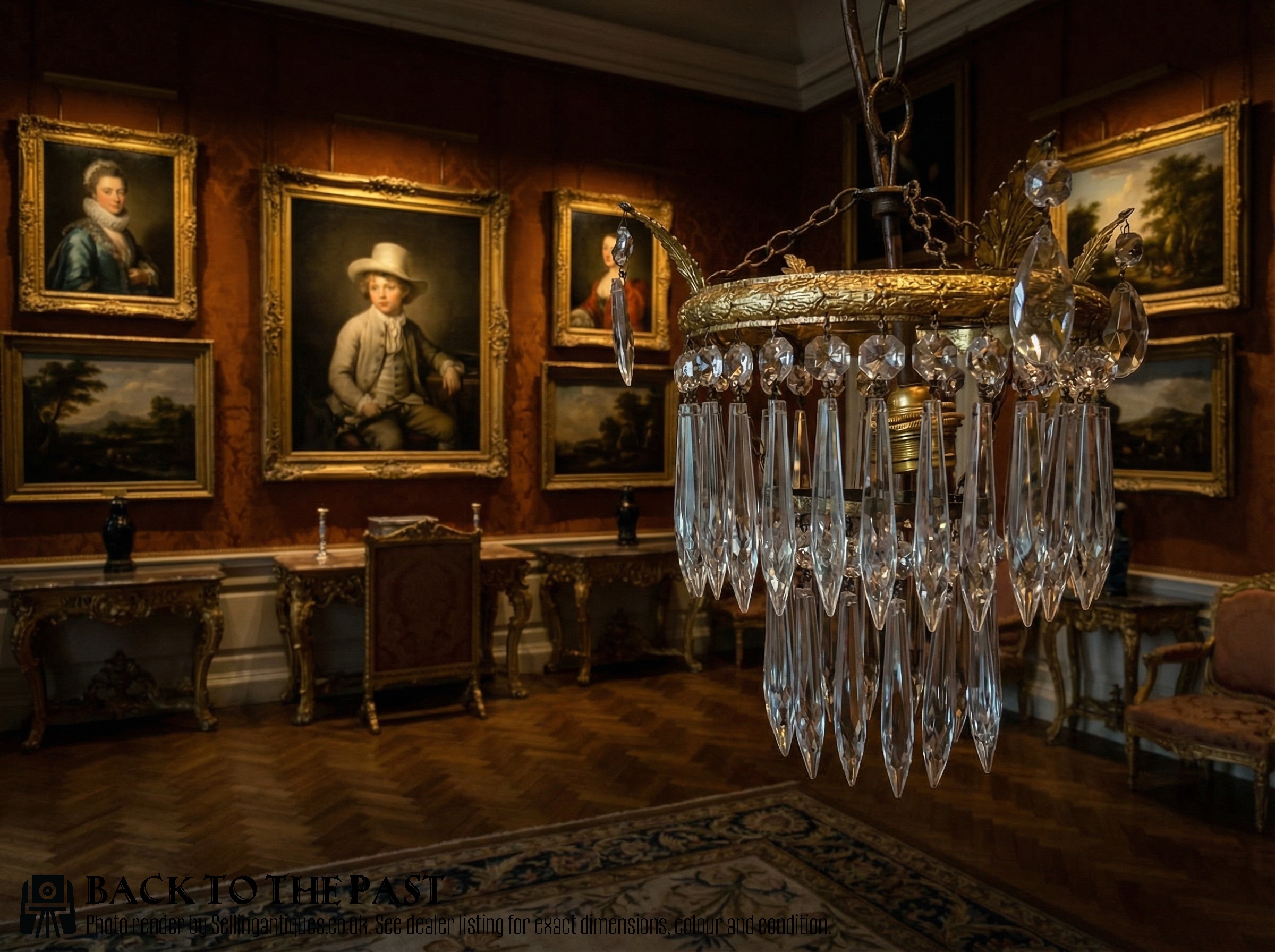
French Crystal Pendant
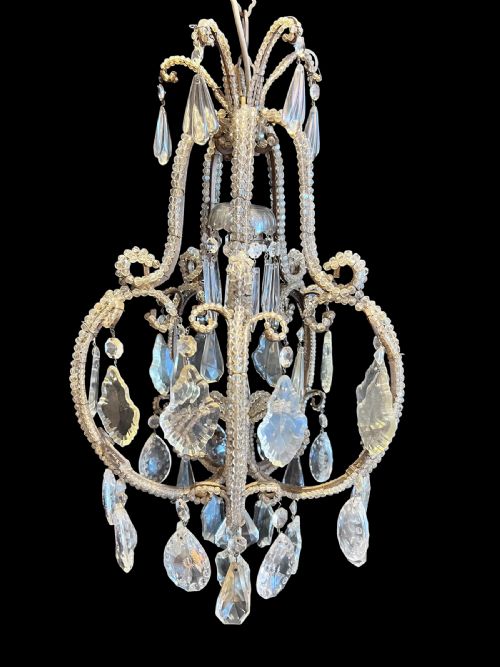
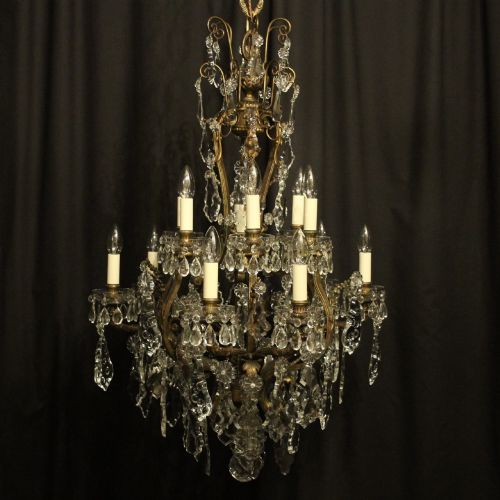
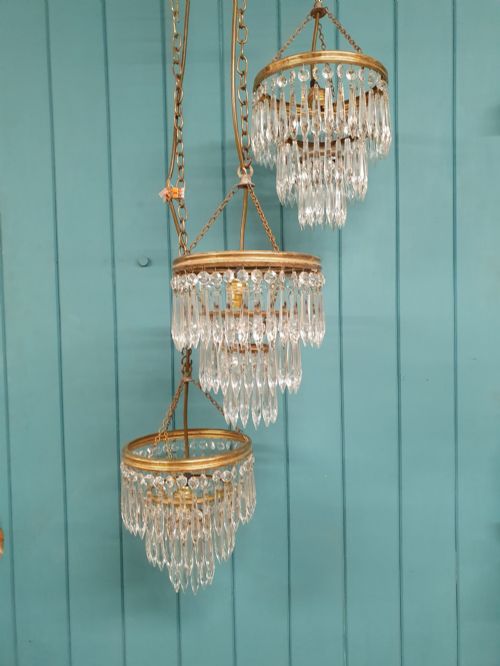
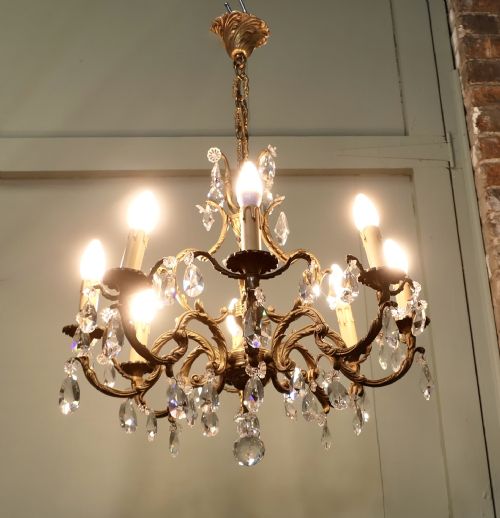
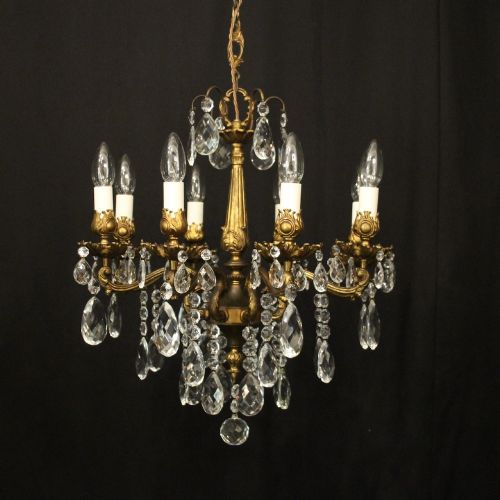
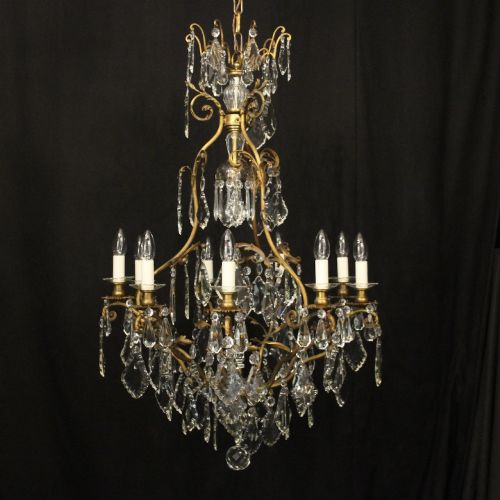
A french crystal pendant encompasses hanging light fixtures designed to suspend from the ceiling, delivering illumination through tiers of cut glass and lustres. Buyers searching this phrase will find a strong representation of Edwardian and early twentieth century pieces alongside nineteenth century examples.
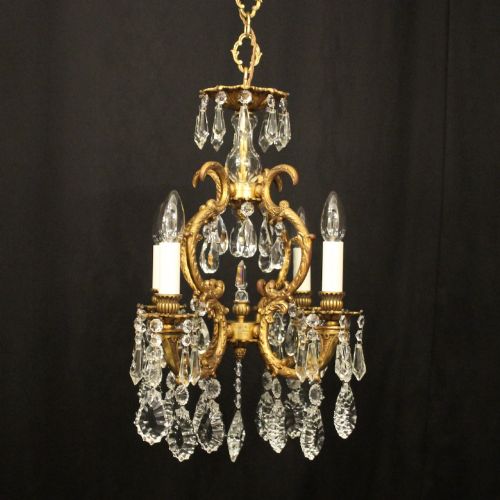
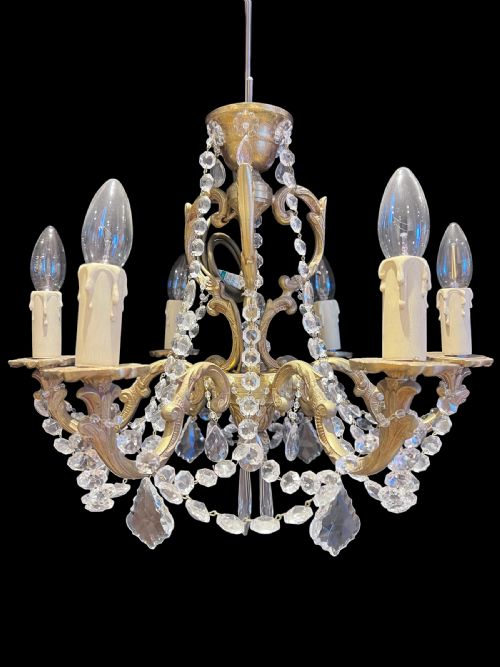
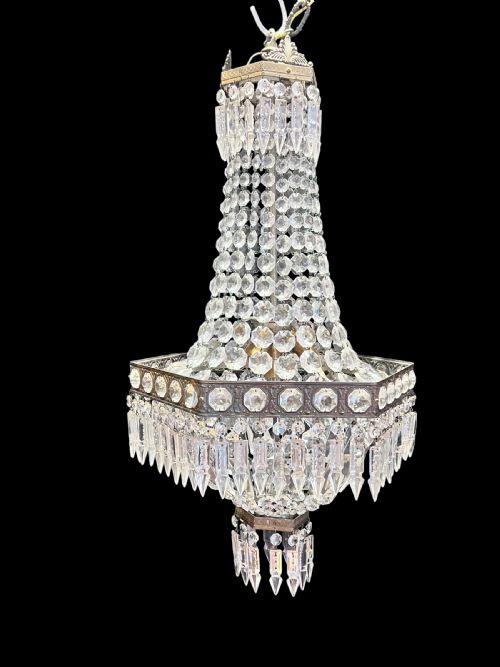
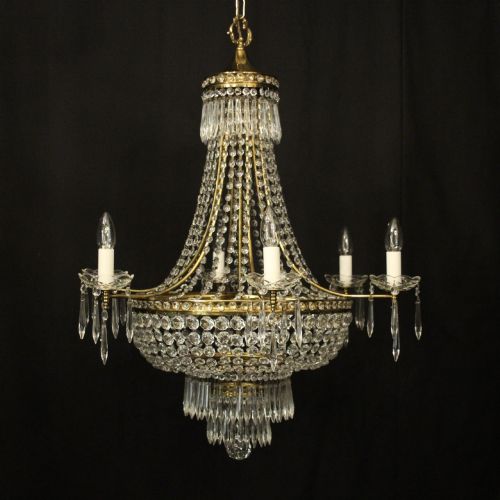
The forms span from compact dome and spike configurations to grand tent and waterfall styles carrying multiple candle arms. Many pieces draw directly on French Empire, Louis Revival, and Rococo traditions, bringing ornate metalwork and cascading prisms together.
While large ballrooms demand fifteen or twenty five light fixtures, smaller spaces often receive compact ceiling lights and plafonieres measuring just a few inches. These smaller variants maintain the same intricate crystal drops and gilt frames as their larger counterparts.
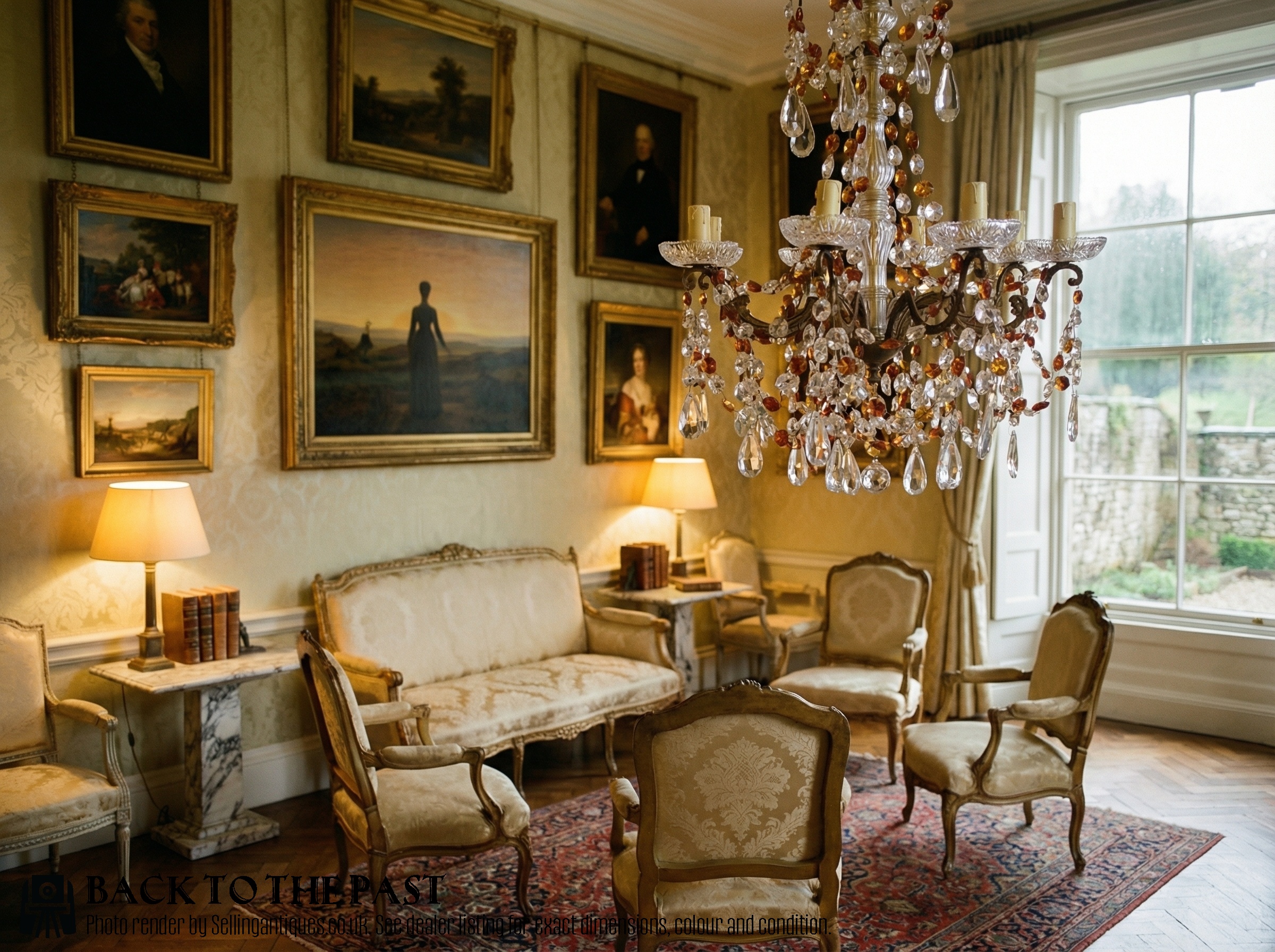
Materials and Construction
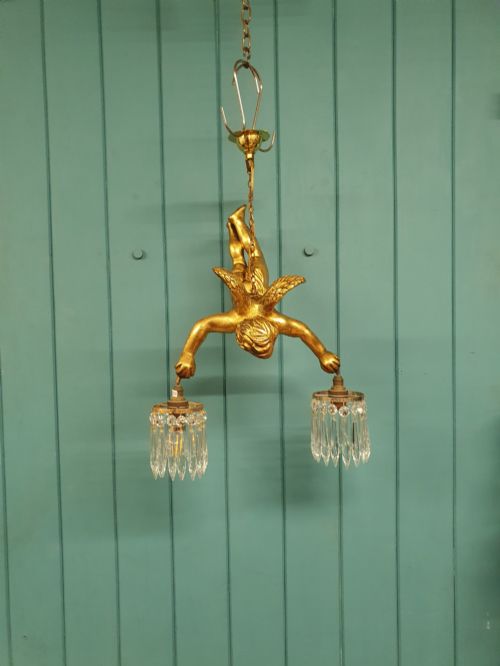
Makers built the structural frameworks using brass, bronze, gilt metal, and spelter, often applying a layer of gold leaf or silver gilt to the metal components. These sturdy frames support the heavy weight of the glass elements while providing decorative flourishes such as cherubs, leaf motifs, and scrolling arms.
The hanging components rely on crystal glass and cut glass shaped into beads, teardrops, coffin prisms, and lustres. Artisans wired or pinned these transparent elements to the metal frames so they would move and refract light freely.
French Crystal Pendant Retail Price Guide 2026
Typical asking prices for french crystal pendant among the pieces listed under this phrase on Sellingantiques today, from the lower quarter to the upper quarter. They describe what is for sale here now, not the wider market.
Listings span periods from the nineteenth century through the 1930s, utilising brass, gilt bronze, and cut glass crystal.
Assessing Craftsmanship
Quality reveals itself in the precision of the glass cutting and the clarity of the crystal components, where sharp facets create deeper refractions of light. Heavier metal castings with crisp chasing on the bronze or brass framework distinguish finer examples from simpler stamped assemblies.
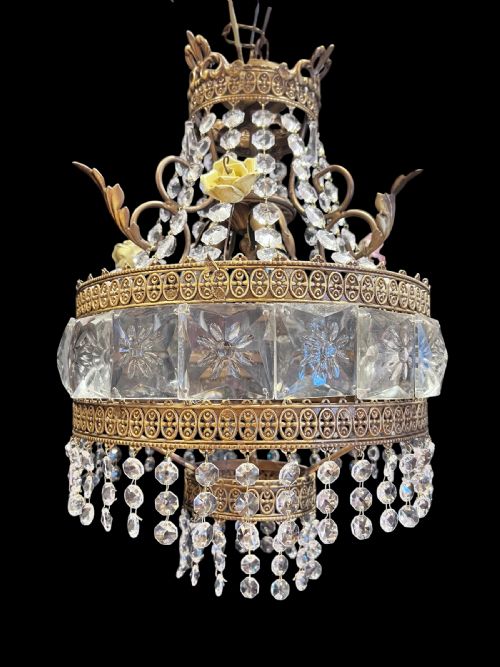
The complexity of the design layout, such as multi-tiered tent and waterfall arrangements or integrated porcelain flowers and tolewear accents, separates standard production pieces from high end decorative lighting.
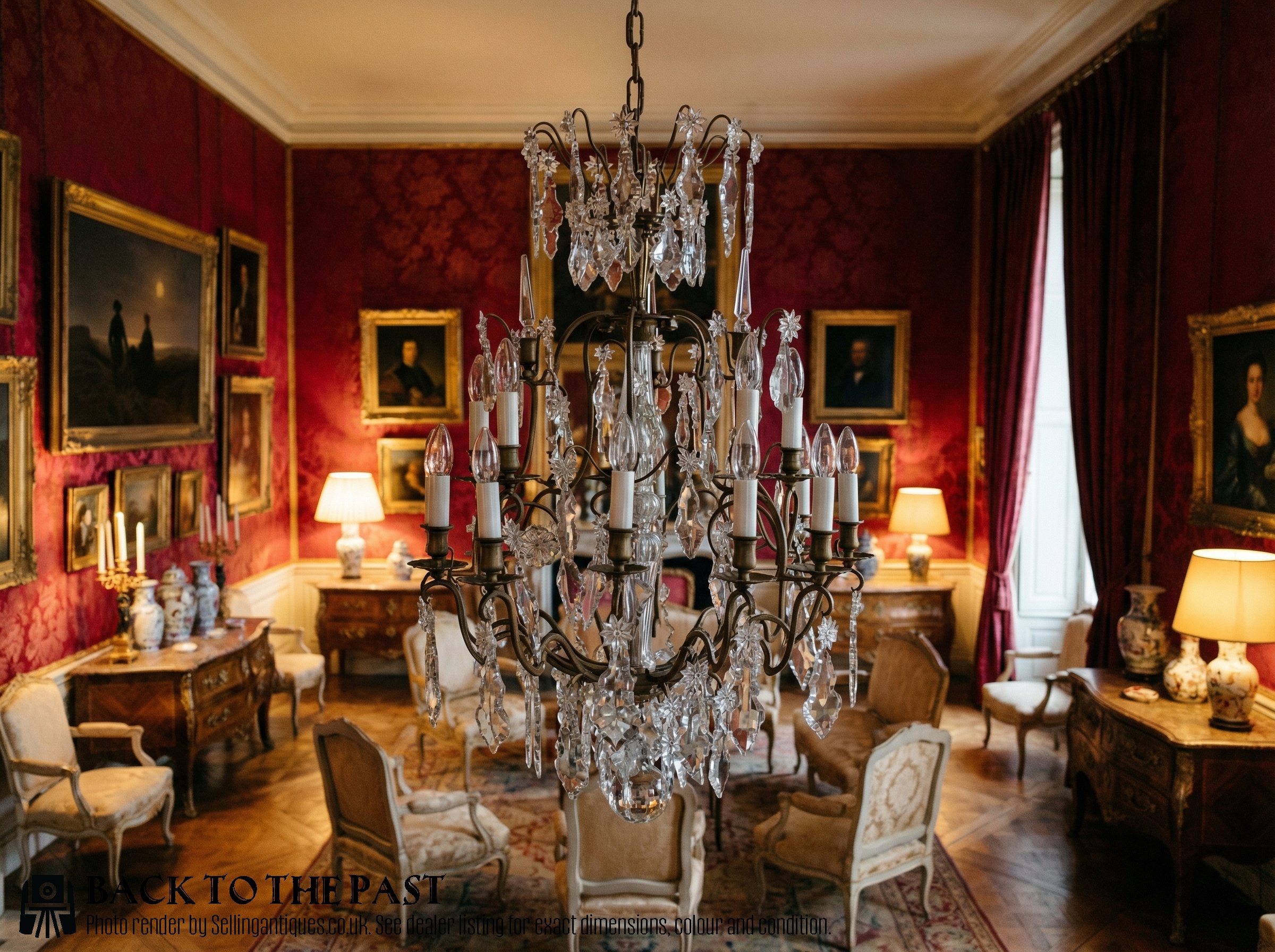
The French Crystal Pendant Glossary
- Tent and waterfall
- A chandelier style featuring an upper conical section of beaded glass strings dropping into a wider cascading fringe of prisms below. This layout originated in the eighteenth century and remained popular through the Edwardian period.
- Lustre
- A cut glass pendant hung from a lighting fixture to catch and reflect light. Lustres appear in various shapes including spears, drops, and coffins.
- Plafoniere
- A ceiling light fixture mounted flush or very close to the ceiling surface rather than suspended on a long chain. These suit rooms with lower ceiling heights.
- Spelter
- An alloy of zinc and lead used as a cheaper alternative to bronze for casting decorative figures like cherubs. It accepts gilding and paint well.
- Tolewear
- Painted sheet metal used to add colourful decorative accents to lighting fixtures. It often appears in floral or leafy details.
French Crystal Pendant: Frequently Asked Questions
How do I hang a heavy crystal pendant safely?
Suspension requires securing the fixture directly into a ceiling joist or using a heavy duty toggle bolt capable of supporting the combined weight of the metal frame and glass prisms. Electricians often install a designated ceiling medallion and hook to bear the load.
Ensuring the chain length matches the room height keeps the fixture proportioned correctly while allowing clearance below for foot traffic.
What is the difference between a tent and waterfall chandelier?
The tent portion refers to the tight strands of beads stretching from a crown down to a circlet ring, forming a conical tent shape. The waterfall describes the looser cascade of prisms hanging below that circlet.
Combining both elements creates the classic layered silhouette seen in many nineteenth and twentieth century French lighting designs.
How do I clean an antique crystal pendant?
Cleaning involves dismantling removable glass drops and washing them individually in lukewarm water with a mild detergent. Leaving the metal frame intact prevents damage to the internal wiring while the glass dries on a soft towel.
Wiping the gilt brass or bronze frame with a dry microfiber cloth removes dust without stripping the aged surface patina.
How do I date an Edwardian crystal pendant?
Dating relies on examining the wiring methods, metal patination, and style markers typical of the early twentieth century. Edwardian pieces frequently feature smaller dome and spike proportions alongside machine cut glass prisms.
Comparing the casting details against documented French Empire or Louis Revival patterns helps narrow down the exact decade of manufacture.