

Rococo Bronze Chandelier
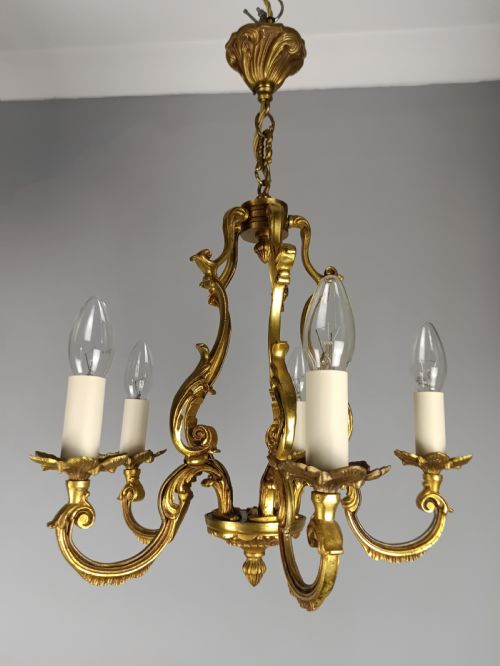
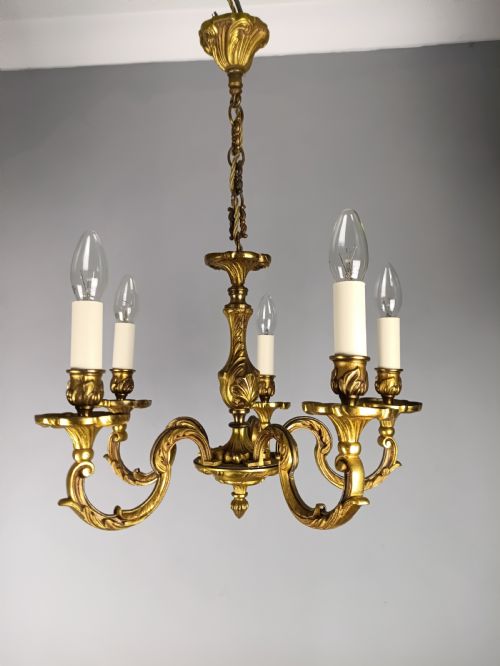
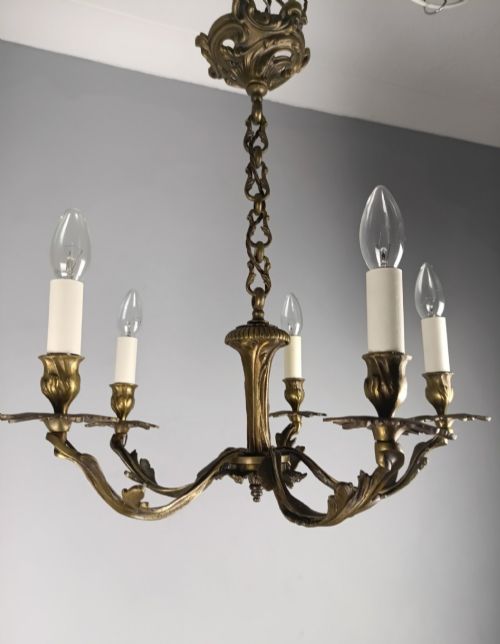
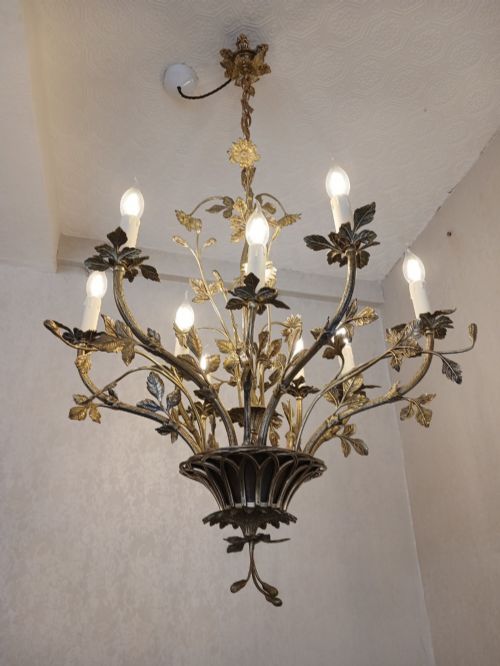
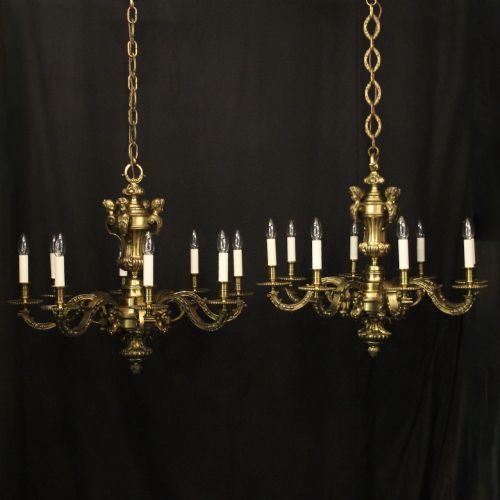
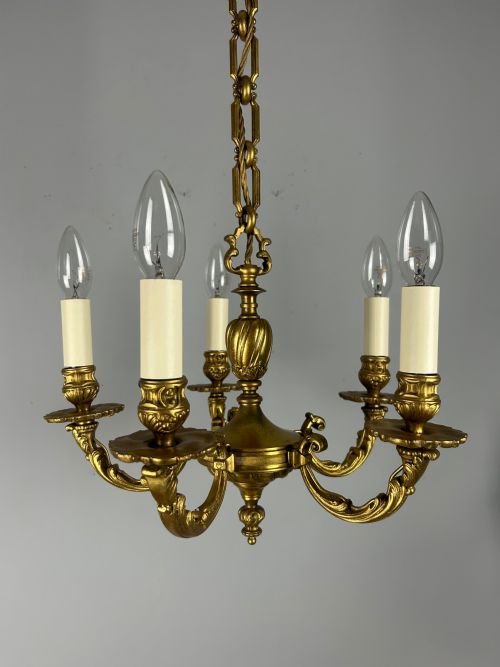
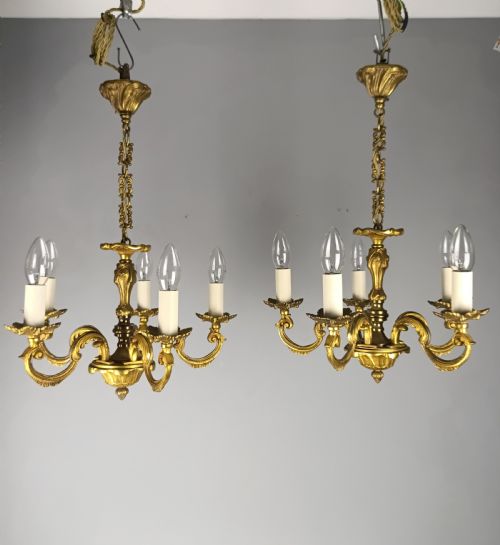
A rococo bronze chandelier brings dramatic French character and complex casting to a high ceiling.
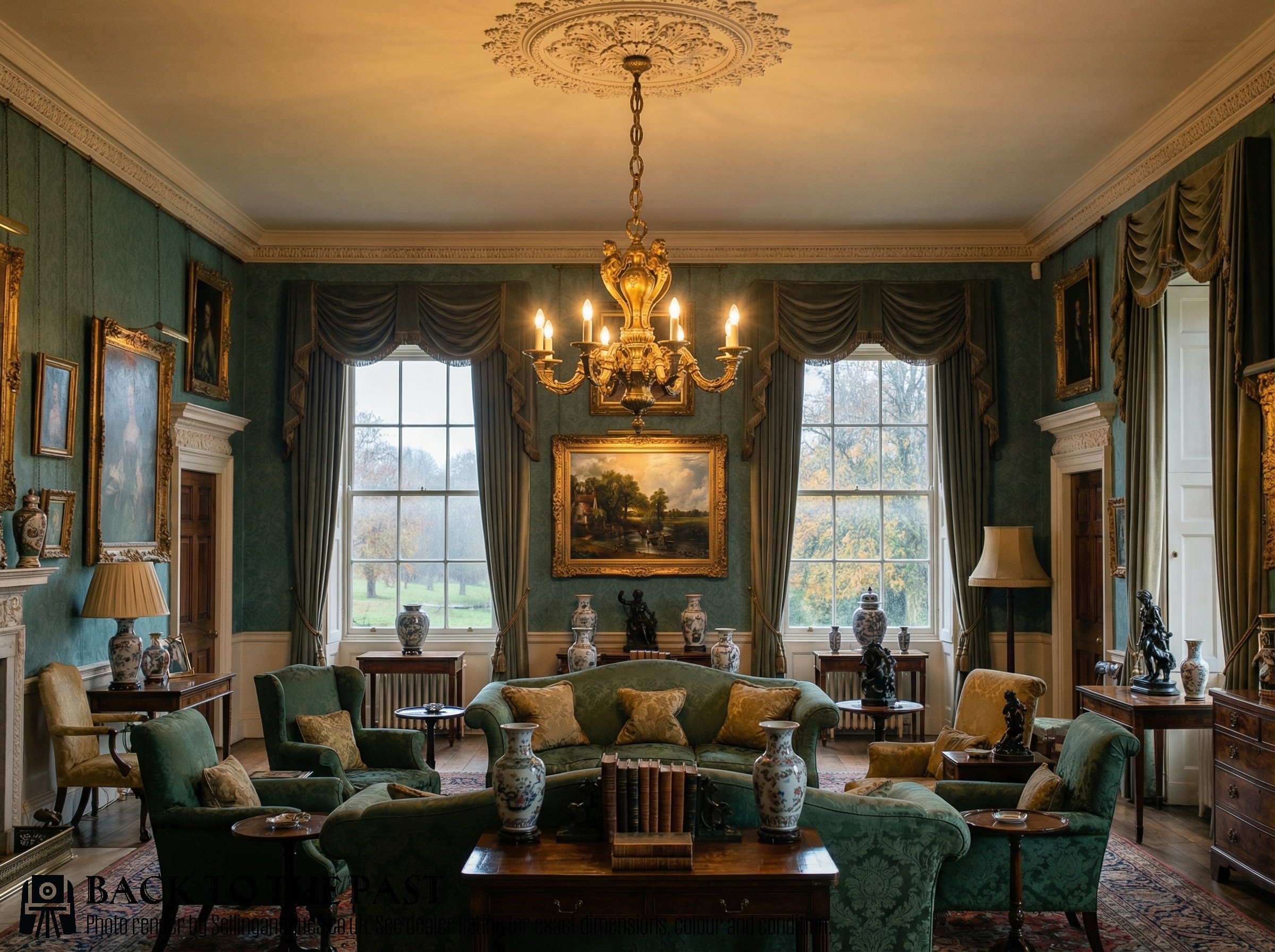
What a rococo bronze chandelier is
When you search for a rococo bronze chandelier, you are looking at elaborate overhead lighting rooted in French chateau and revival styles. The pieces on this page span the nineteenth century, nineteen-twenty, and nineteen-thirty, appearing as ceiling lights and chandeliers.
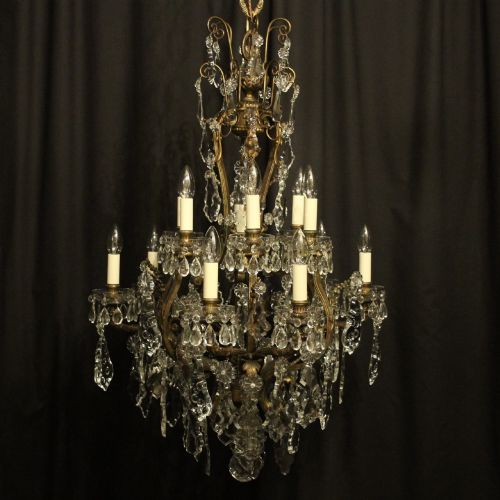
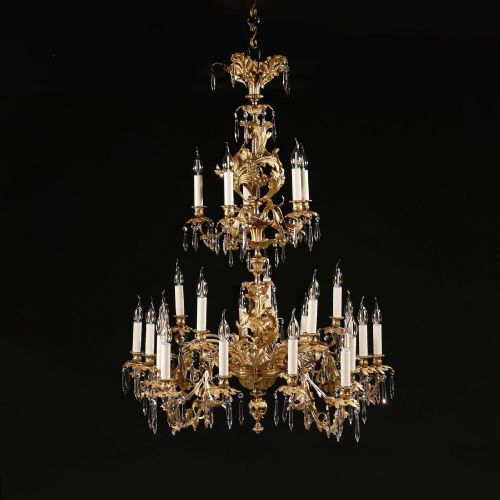
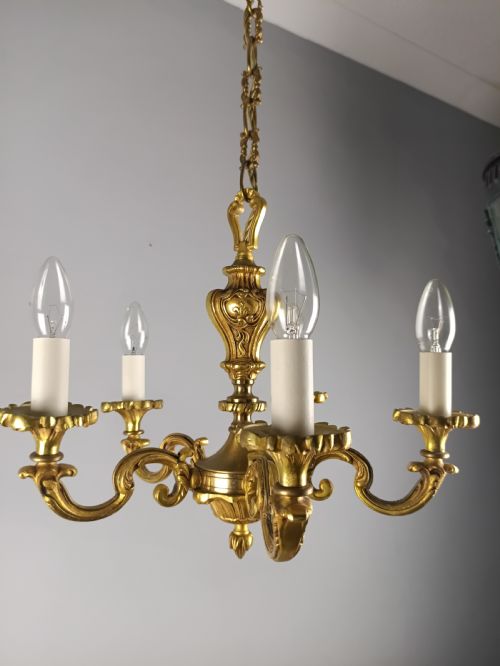
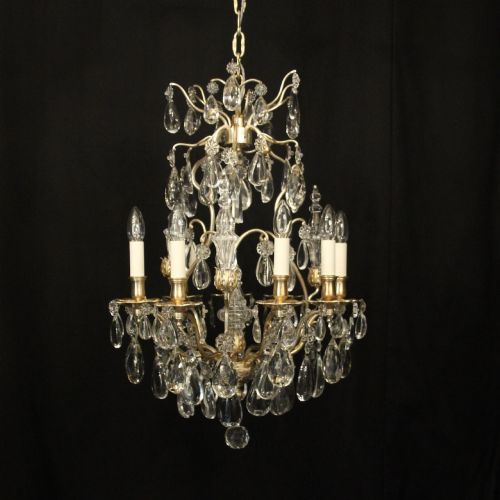
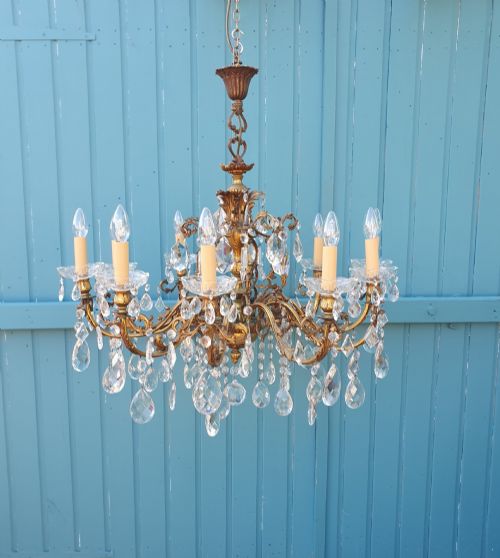
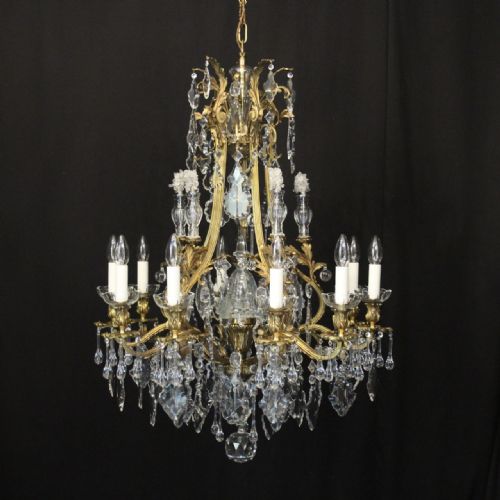
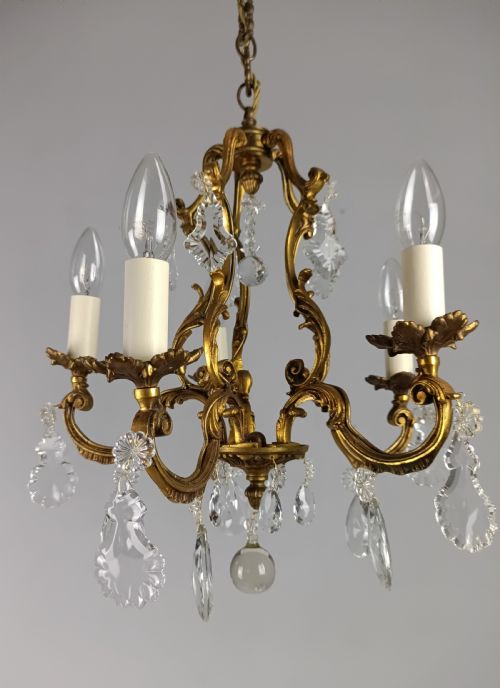
You are most likely to meet French examples fashioned from gilded bronze, gilt bronze, and standard bronze. These fixtures range from six light configurations up to eighteen light double tiered chandeliers, often enriched with cut crystal and cut glass drops.
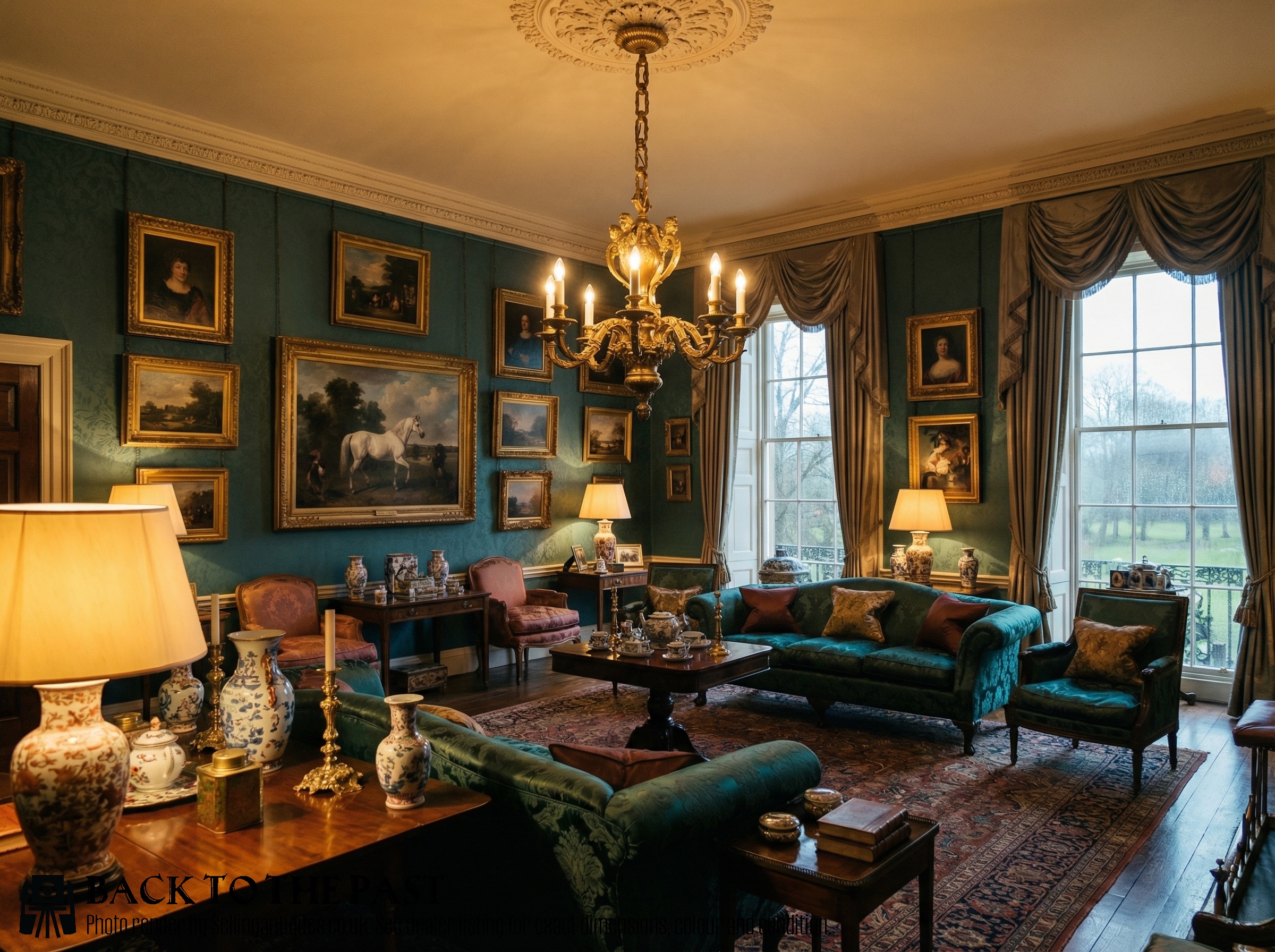
How they were made
These fixtures combine cast metal frames in gilded bronze, gilt bronze, and brass with suspended elements in cut crystal, cut glass, and standard glass. Metal components are cast in sections before being chased and finished with gilding.
Multi-light arrangements utilise branching arms secured to central stems, while crystal drops and beads are wired directly to the bronze framework to catch and refract light.
Retail Price Guide 2026
Typical UK retail prices for rococo bronze chandelier, calculated from the Sellingantiques database of over a million retail prices indexed since 2003. This retail price guide relies exclusively on Sellingantiques data; no external sources or auction records are used, so the figures do not describe the wider market.
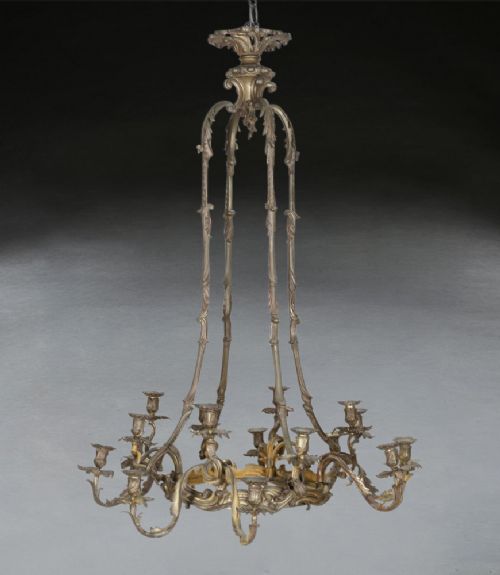
Some chandeliers pack up to eighteen lights onto a double tiered frame, ensuring no corner of the chateau stays in the dark.
What varies in quality
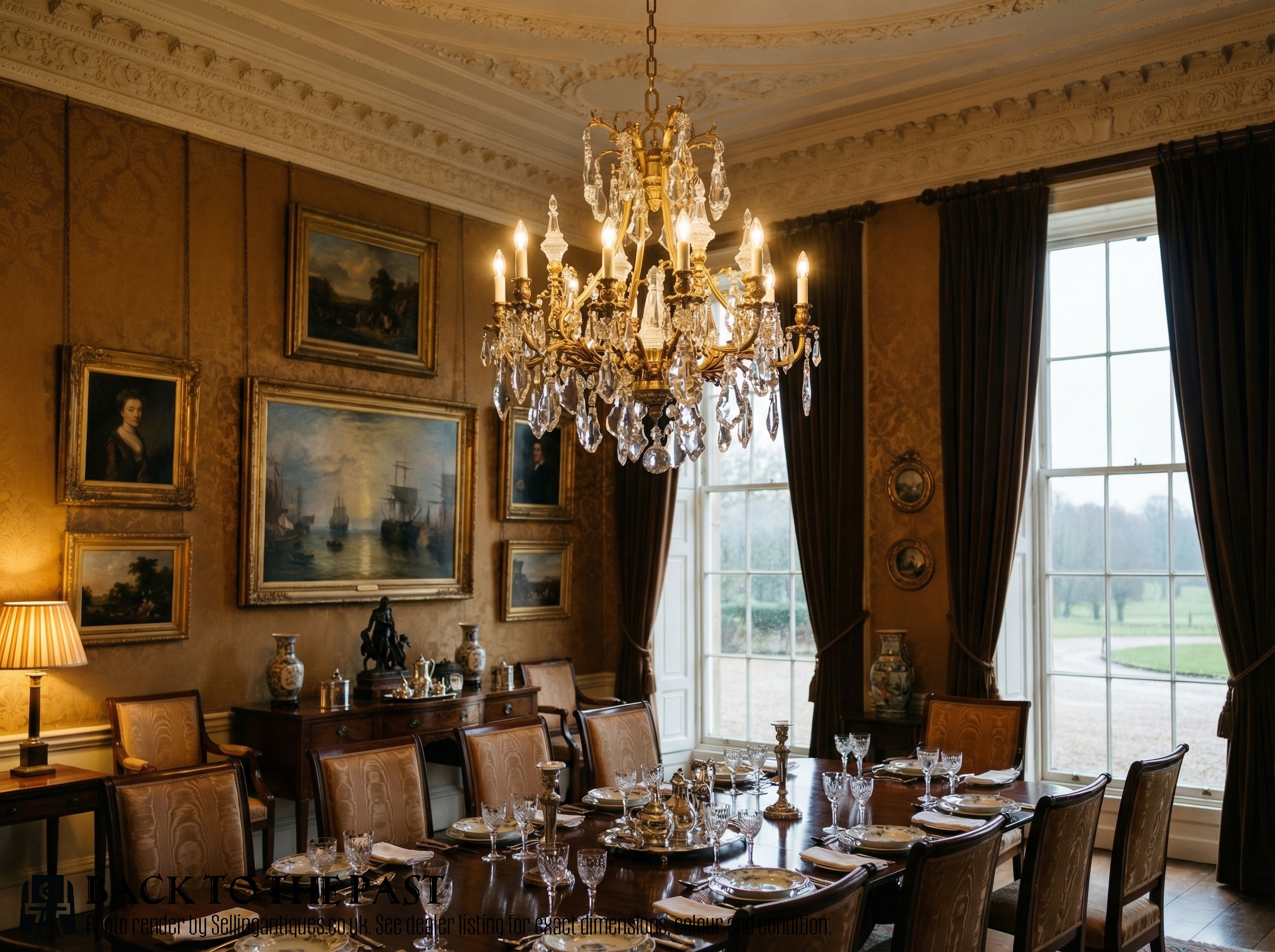
The distinction between standard examples and the finest pieces lies in the crispness of the bronze casting and the depth of the original gilding. Heavy, multi-tiered frames carrying twelve or eighteen lights display more ambitious arm arrangements than simpler six light models.
Quality also rests in the integration of the cut crystal and glass elements. Pieces featuring dense arrangements of period crystal drops show a higher level of decorative completeness than those with sparse or later replacement dangling components.
The Rococo Bronze Chandelier Glossary
- Gilded Bronze
- Bronze that has been coated with a thin layer of gold or gold leaf to give a bright, rich metallic finish. This technique protects the metal underneath while adding visual warmth.
- Cut Crystal
- High-clarity glass that has been cut and polished with facets to maximise light refraction. It hangs from the chandelier arms to amplify illumination.
- Rococo Revival
- A nineteenth-century design movement that revives the asymmetric curves, scrolling foliage, and shell motifs of the eighteenth-century French style. It dominates the ornamentation of these light fittings.
- Double Tiered
- A structural layout where light arms are arranged on two distinct vertical levels. This configuration creates a taller, more imposing profile suited to larger spaces.
Frequently Asked Questions
How many lights do I need?
The pieces here range from six light formats up to eighteen light double tiered designs. Choosing depends on the scale of your room and the height of your ceiling.
Larger spaces benefit from multi-tiered configurations to distribute illumination evenly across the room.
Are these fixtures French?
The majority of the chandeliers listed originate from France, following French chateau and rococo revival design traditions. Italian examples also appear in the selection.
They reflect continental lighting trends spanning the nineteenth century into the early twentieth century.
How do I clean the crystal?
Crystal drops and glass components can be wiped gently in situ using a mild cleaning solution and a soft cloth. Removing hanging elements allows for a more thorough wash when necessary.
Take care with gilded bronze surfaces to avoid harsh abrasives that might damage the finish.
What periods are available?
The selection includes pieces dating from the nineteenth century, alongside examples from nineteen-twenty and nineteen-thirty. These later items continue the revival of earlier decorative styles.
Each period brings specific casting characteristics and mounting techniques to the frame.