

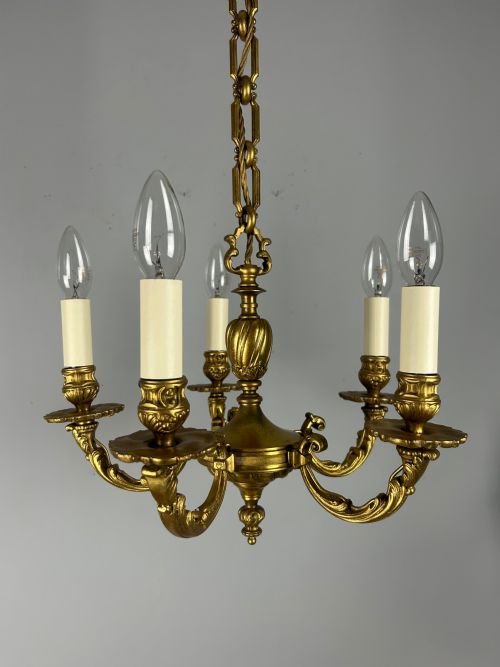

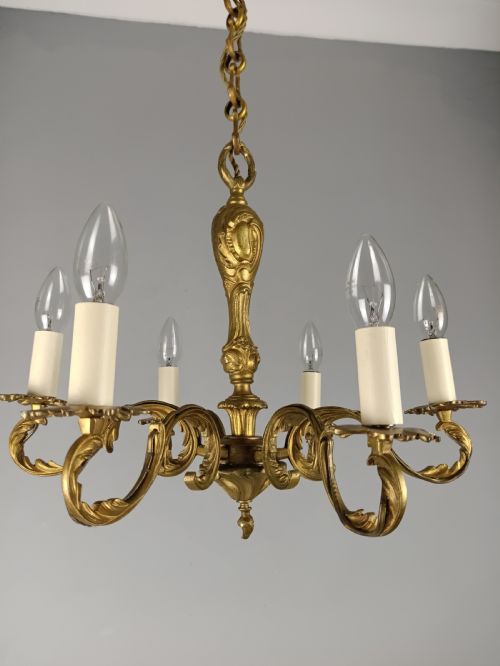
Ormolu Pendant Light
An ormolu pendant light brings warmth and French decorative grace to a room through gilded metalwork and glass.
What an ormolu pendant light is
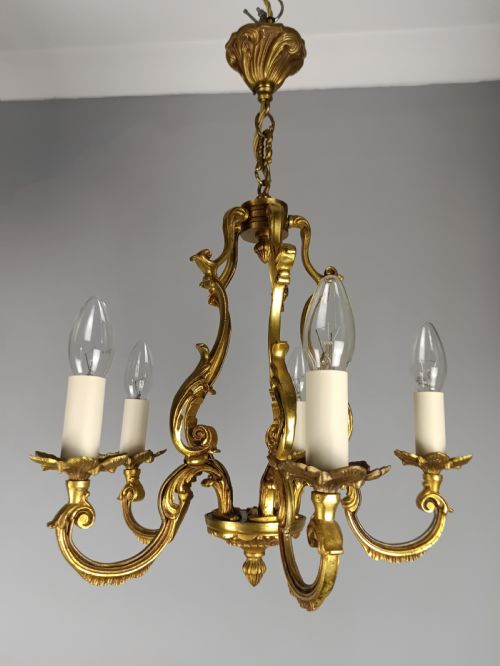
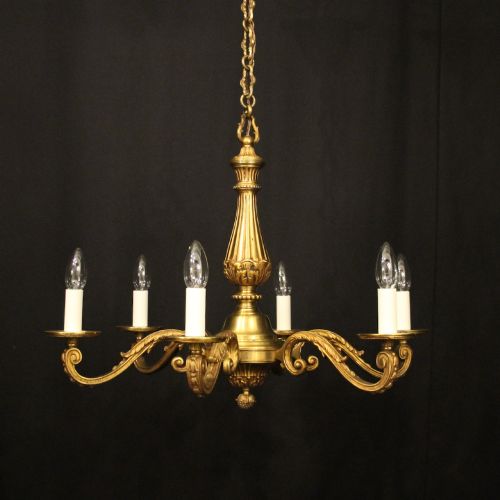
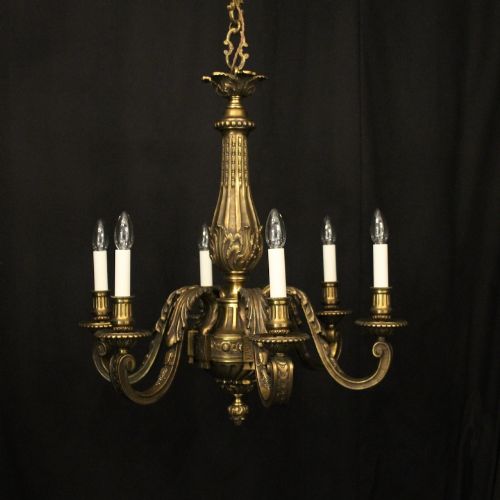
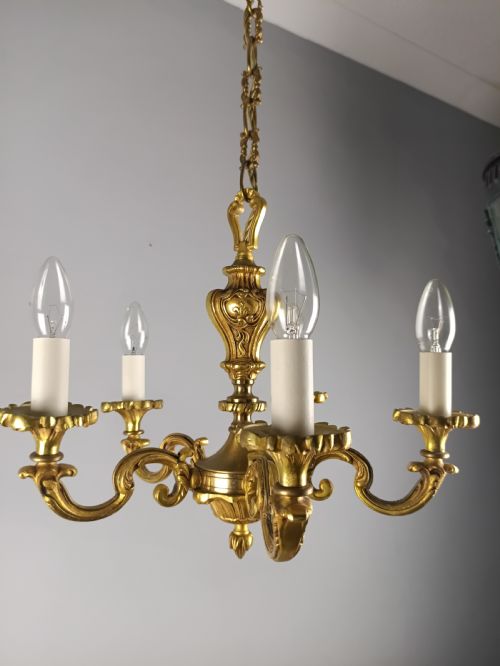
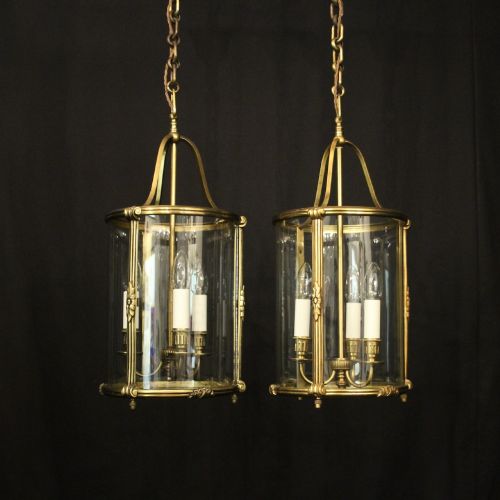
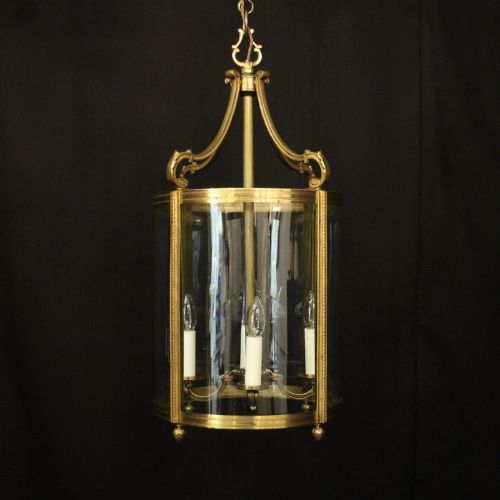
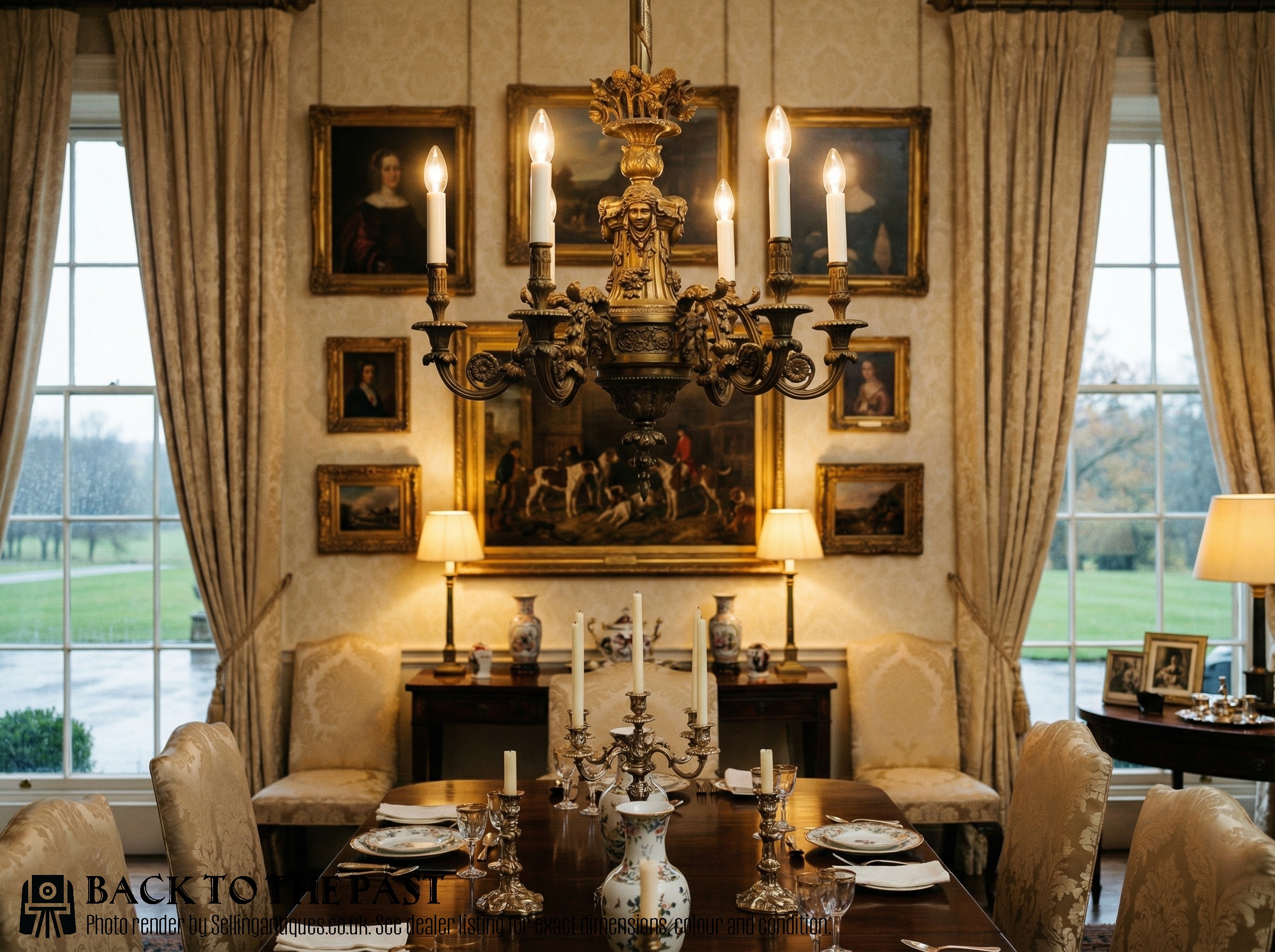
An ormolu pendant light represents a distinct category of antique lighting fixtures sourced predominantly from French traditions, featuring elaborate metalwork suspended from ceilings. Buyers searching for an ormolu pendant light encounter pieces designed primarily as chandeliers or hall lanterns, spanning several decades from the nineteenth century into the early twentieth century.
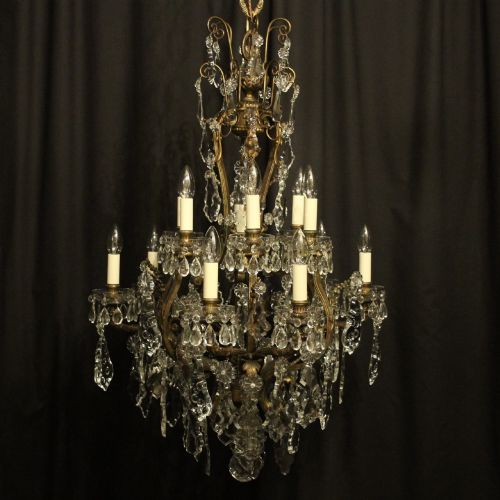
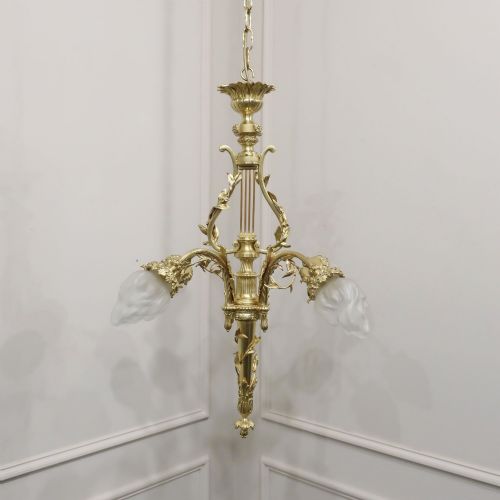
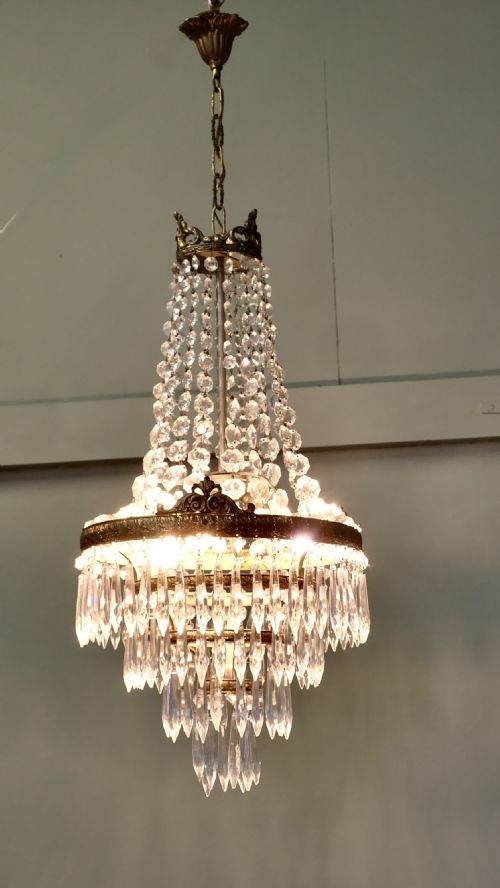
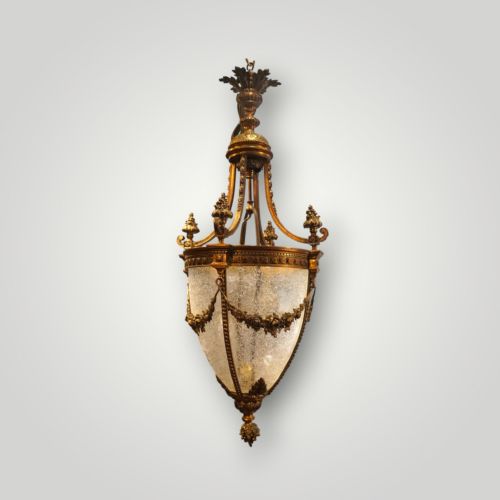
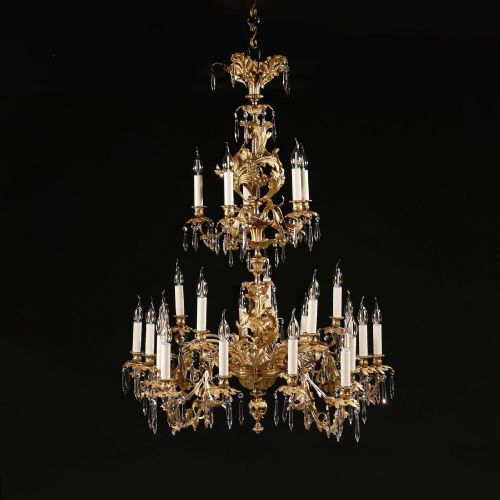
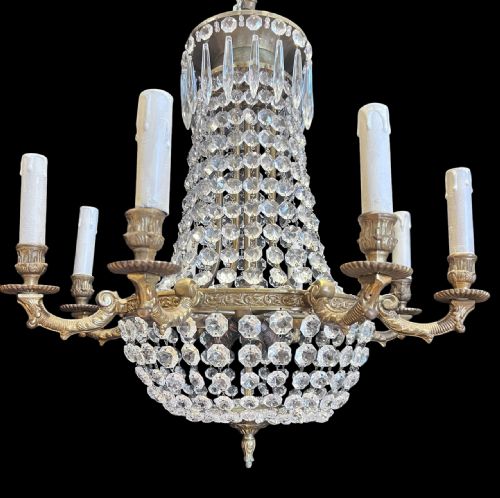
The pieces listed on this page encompass various forms including multi-light chandeliers and enclosed hall lanterns, drawing upon French Rococo, Louis XVI, and Empire styles. Examples range from simple triple-light hall fixtures to large twelve-light chandeliers embellished with cut crystal elements.
Meticulous attention to historical revival styles characterises the selection available to collectors, showing influences from Rococo revival and Louis XVI revival aesthetics. These fixtures serve as focal points in period interiors, combining structural metal frames with suspended illumination.

How they were made
The construction of these hanging fixtures relies upon cast metals such as bronze and brass, which receive a fine gilt finish to create the characteristic ormolu appearance. Artisans shape the metal framework to support multiple light branches or lantern enclosures, integrating traditional foundry methods with decorative chasing.
Glass components form an integral part of the manufacture, incorporating cut crystal drops, frosted glass, etched glass, and opalescent panels. These transparent and translucent elements diffuse the light and interact with the gilded bronze mounts to enhance visual depth.
Retail Price Guide 2026
Typical UK retail prices for ormolu pendant light, calculated from the Sellingantiques database of over a million retail prices indexed since 2003. This retail price guide relies exclusively on Sellingantiques data; no external sources or auction records are used, so the figures do not describe the wider market.
The selection includes pieces from the nineteenth century alongside examples dated around eighteen-eighty, nineteen-hundred, nineteen-twenty, and nineteen-thirty.
What varies in quality
The distinction between standard examples and exceptional pieces rests upon the crispness of the bronze casting and the depth of the gilding. Superior examples display intricate hand-chasing on the metal surfaces, whereas simpler items exhibit softer contours and less detailed ornamentation.
The integration of glass elements also dictates the overall standard of the fixture, with hand-cut crystal drops and finely etched or opalescent glass panels representing finer craftsmanship. The structural integrity of the metal armature and the harmony between the bronze mounts and glass components govern the aesthetic success of each piece.
The Ormolu Pendant Light Glossary
- Ormolu
- A technique of applying finely ground high-carat gold to a bronze object. This process creates a rich, durable golden finish characteristic of fine antique metalwork.
- Chandelier
- A branched ornamental light fixture suspended from a ceiling. These fixtures hold multiple light sources and often incorporate crystals for enhanced illumination.
- Hall Lantern
- An enclosed hanging light fixture traditionally placed in entrance halls. These pieces protect the light source within glass panels held inside a metal frame.
- Rococo Revival
- A nineteenth-century design movement drawing inspiration from the asymmetrical curves and natural motifs of the eighteenth-century Rococo period. This style prioritises ornate scrolling and floral patterns.
- Louis XVI Style
- A neoclassical design aesthetic defined by geometric symmetry, straight lines, and classical architectural motifs. It offers a more restrained contrast to earlier Rococo exuberance.
Frequently Asked Questions
Where should I hang an ormolu pendant light?
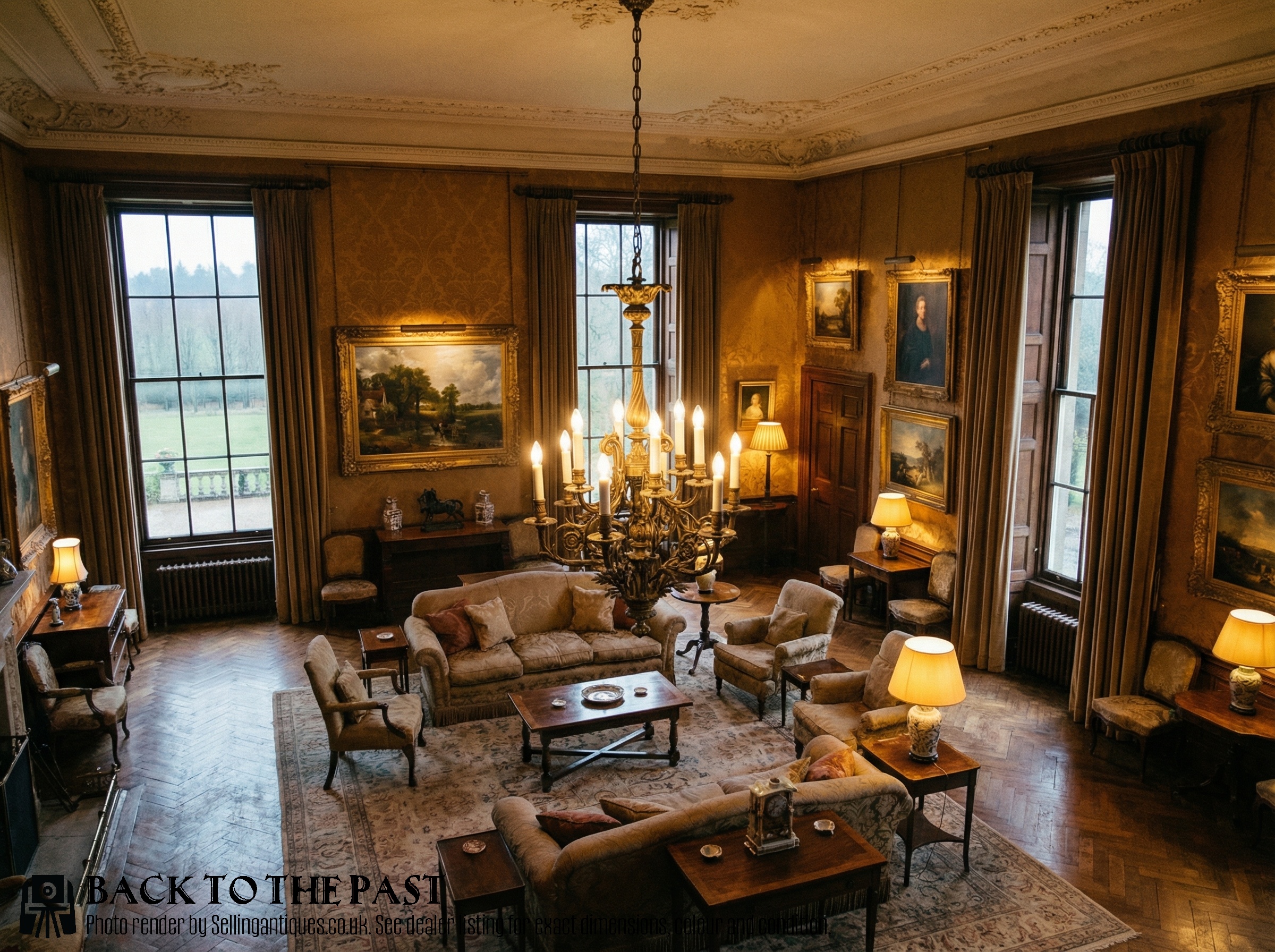
These fixtures suit high-ceilinged rooms such as entrance halls, dining rooms, or principal reception spaces where their proportions can be fully appreciated.
Ensuring adequate clearance beneath the hanging point allows the piece to function effectively as both a light source and a decorative centrepiece.
How do I identify a French antique light?
French antique lights typically display characteristic styling derived from periods such as Louis XVI or the Rococo revival, combined with traditional bronze casting techniques.
Examining the construction methods, the quality of the gilding, and the specific form of the glass or crystal elements helps confirm the origin and period.
How do I care for gilded bronze and crystal?
Dusting the metal gently with a soft, dry cloth prevents the accumulation of dirt without disturbing the historic gilt surface.
Crystal elements can be cleaned with a mild, non-abrasive glass cleaner applied sparingly to a cloth rather than sprayed directly onto the fixture.