

Brass and Crystal Chandelier
When searching for a brass and crystal chandelier, buyers find illuminating ceiling fixtures that combine metal frames with reflective glass prisms to brighten historic and modern rooms alike.
Brass and Crystal Chandelier
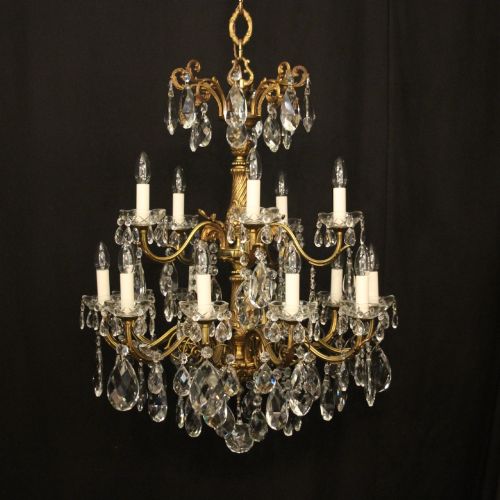
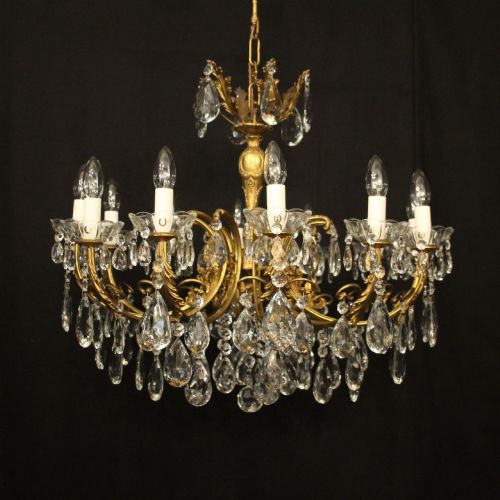
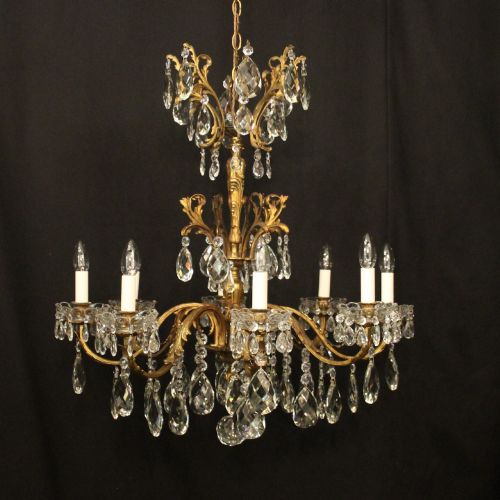
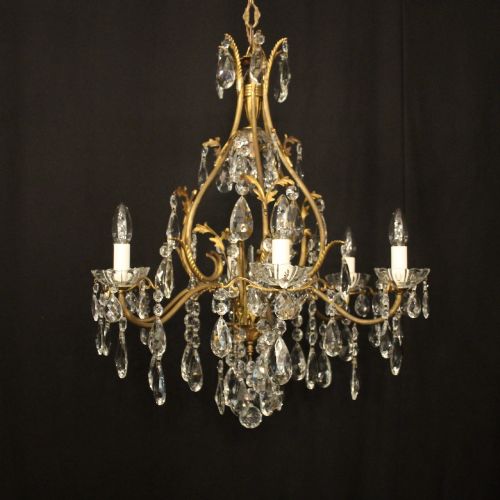
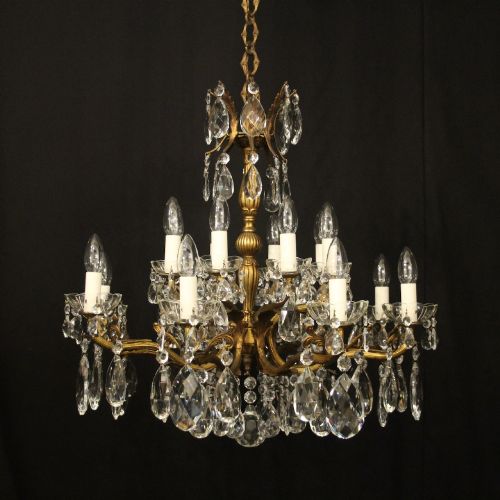
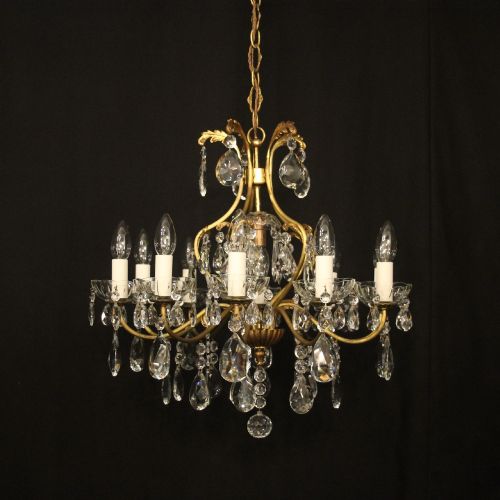
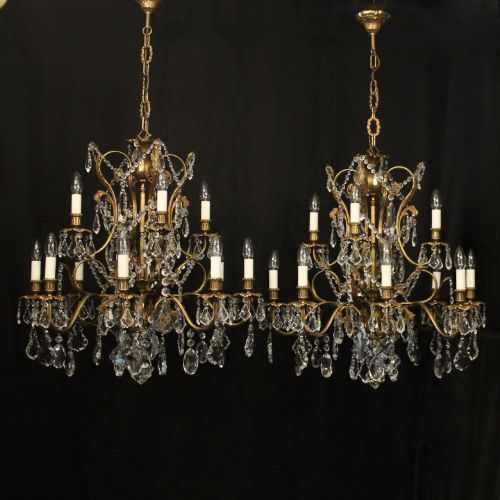
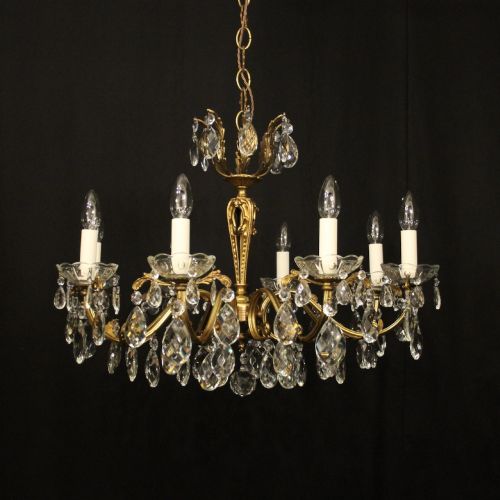
A brass and crystal chandelier is a ceiling-mounted lighting fixture primarily composed of a metallic structure suspending glass or crystal elements. These fixtures range from modest single-light pendants to elaborate multi-armed configurations.
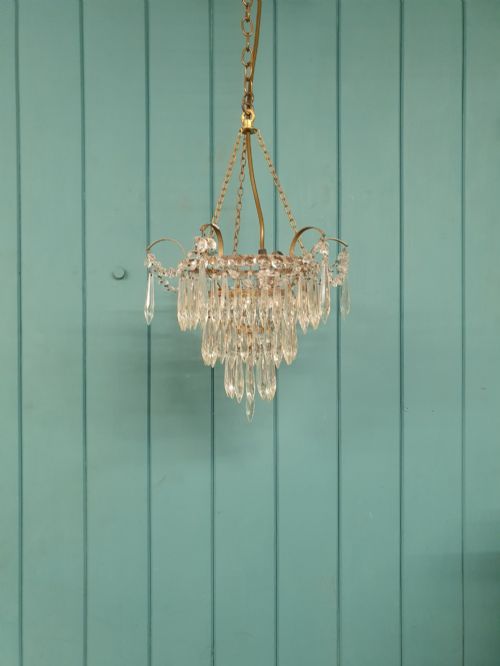
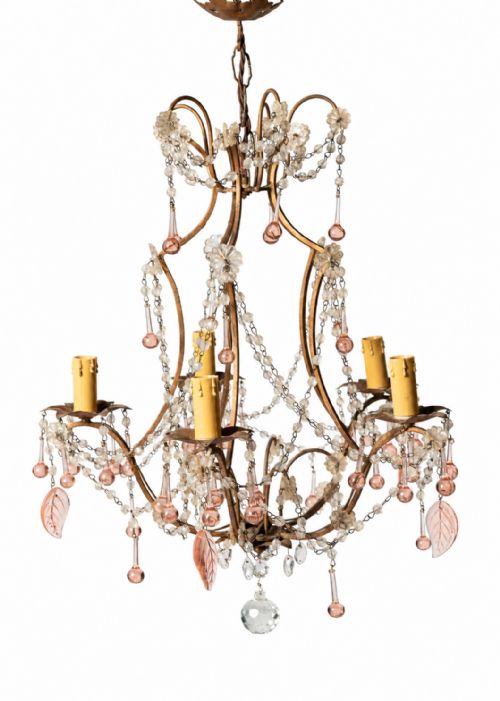
The selections available span periods from the nineteenth century through the 1930s, encompassing Edwardian examples alongside French and Italian designs. French Chateau, Empire, and Rococo styles appear frequently, often featuring basket, tent and waterfall, or birdcage formations.
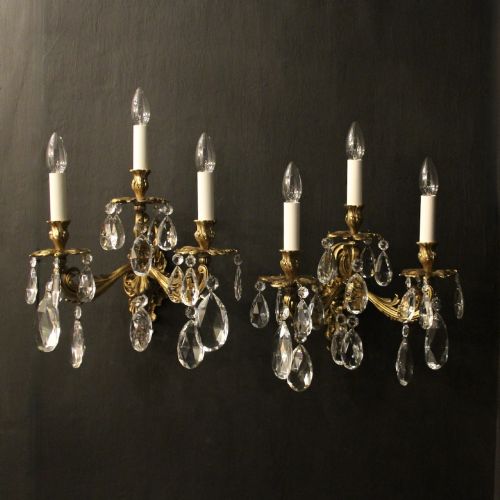
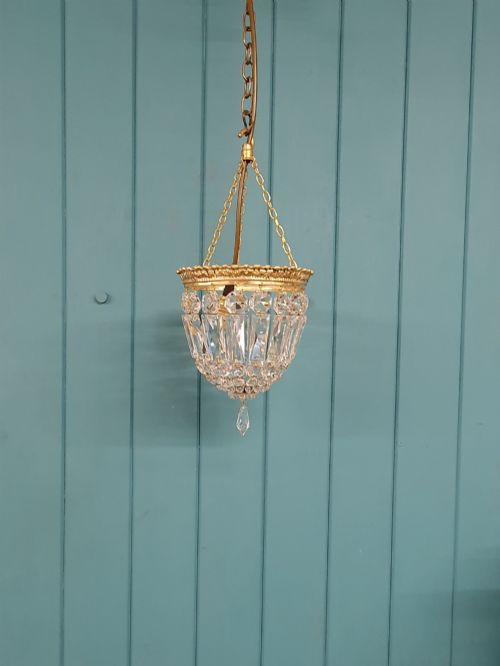
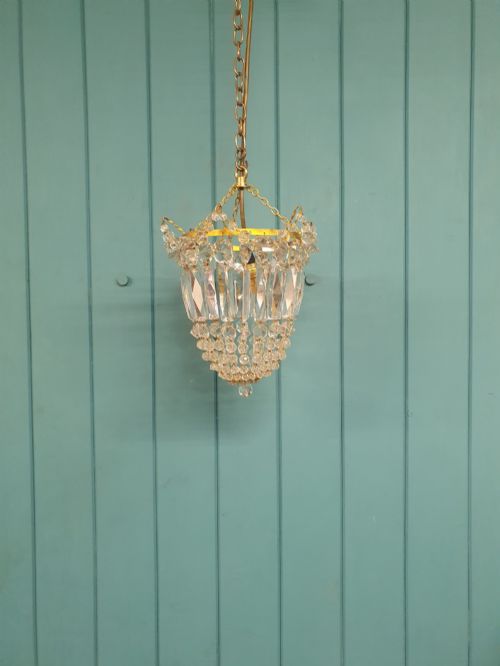
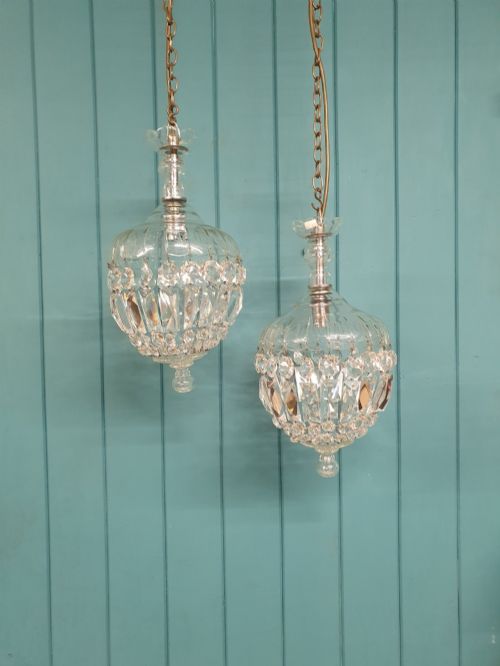
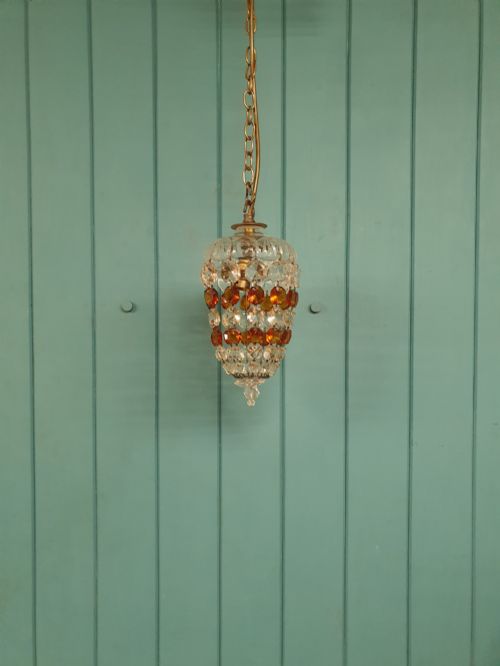
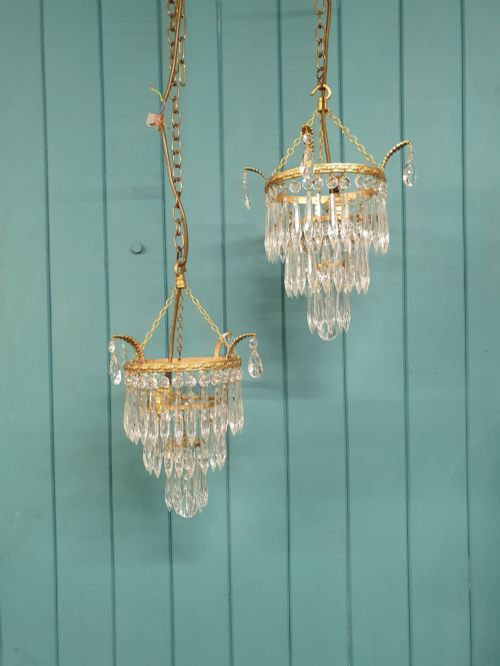
Beyond grand multi-light centrepieces, buyers encounter smaller dome top and spike chandeliers designed for lower ceilings. Wall sconces and plafonniers share the same materials, offering coordinated options for domestic interiors.
How they were made
Frames are constructed from cast or spun brass, frequently finished with gilding or patination to resemble bronze. This metal armature provides the structural backbone necessary to support heavy glass components.
Crystals and glass drops are hand-cut or moulded into shapes such as coffin prisms, beads, and teardrops, then wired to the frame using small metal pins. Many examples incorporate specialised elements like porcelain flowers, turquoise crystals, and tolewear details.
Brass and Crystal Chandelier Retail Price Guide 2026
Typical asking prices for brass and crystal chandelier among the pieces listed under this phrase on Sellingantiques today, from the lower quarter to the upper quarter. They describe what is for sale here now, not the wider market.
Listings feature pieces spanning the late nineteenth century through the 1930s, constructed from brass, gilt bronze, cut glass, and crystal.
What varies in quality
The distinction between tiers rests upon the density and cutting precision of the crystal drops, alongside the complexity of the brass frame casting. Finer pieces display crisp chasing to the metalwork and high optical clarity in the glass.
Scale and ambition dictate distinction, moving from simple single-arm fixtures to multi-tiered constructions with dozens of lights. The integrity of the original gilding and the harmony of integrated decorative elements further separate standard examples from exceptional ones.
The Brass and Crystal Chandelier Glossary
- Plafonniere
- A ceiling-mounted light fixture that sits flush or very close to the ceiling surface. These are often circular and feature cut glass or crystal held within a brass mount.
- Tent and waterfall
- A lighting configuration where strings of crystal beads form an upper tent shape above a wider cascading tier of drops. This layout maximises the dispersion of light across a room.
- Coffin prism
- A long, flat, geometric cut glass pendant with a tapering profile resembling a coffin. They are typically hung from the arms or perimeter of early twentieth-century fixtures.
- Birdcage
- A rounded metal framework resembling an aviary structure, densely draped with crystal strands and drops. This enclosed form creates a volumetric centrepiece for larger reception spaces.
- Gilt bronze
- A copper alloy treated with a layer of gold, historically known as ormolu when applied to decorative objects. This technique provides a warm, durable finish that resists tarnishing over decades.
Brass and Crystal Chandelier: Frequently Asked Questions
How do I hang a heavy antique chandelier safely?
Suspension requires locating a secure ceiling joist or installing a heavy-duty metal bracket capable of supporting the combined weight of the brass frame and glass elements. Professional electrical installation is recommended to ensure the wiring handles the intended lamp wattage.
Weight distribution matters significantly with larger multi-arm fixtures. A qualified electrician or specialist installer can assess ceiling strength and manage the delicate task of hanging loose crystal drops after the frame is secured.
What rooms suit a tent and waterfall chandelier?
These expansive fixtures require adequate ceiling height and floor space to allow the cascading crystal drops to catch the light properly without obstruction. Dining rooms, high-ceilinged hallways, and principal reception rooms provide the ideal proportions for this scale of lighting.
Smaller iterations, such as compact spike or dome top variants, adapt better to bedrooms or modest sitting rooms. Matching wall sconces can complement the primary ceiling light in larger spaces.
How do I clean a brass and crystal chandelier?
Routine maintenance involves dusting the glass components with a soft cloth while the fixture hangs in place. For deeper cleaning, individual crystals can be unhooked and washed in warm soapy water before being dried thoroughly.
Harsh chemical abrasives should be avoided on both the crystal and the brass or gilded surfaces to preserve the original finish. Checking that the electrical supply is turned off before undertaking any cleaning is essential.
How can I tell Edwardian chandeliers apart from later pieces?
Edwardian and early twentieth-century pieces often incorporate specific glass forms such as cut glass acorns, small dome tops, and coffin prisms. These fixtures frequently emphasise restrained metalwork alongside dense arrangements of small glass beads.
Later 1930s variations introduce different proportions and decorative flourishes, while nineteenth-century examples tend towards heavier cast bronze and grander multi-light formats. Comparing the mounting techniques and metal patination helps clarify the era of manufacture.