
Victorian Brass Chandelier
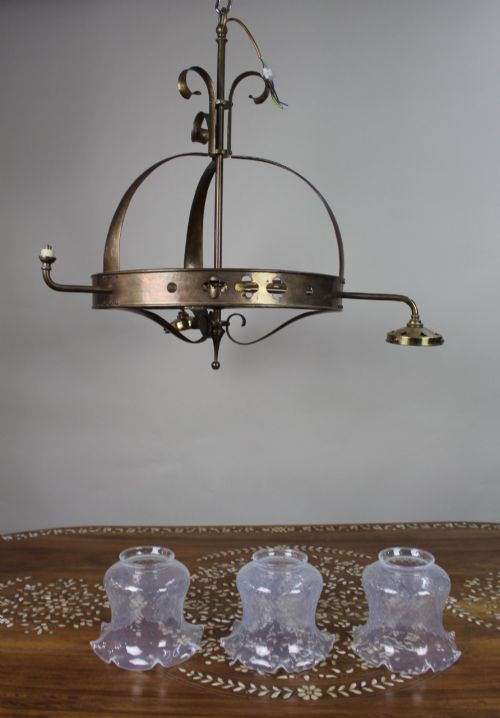
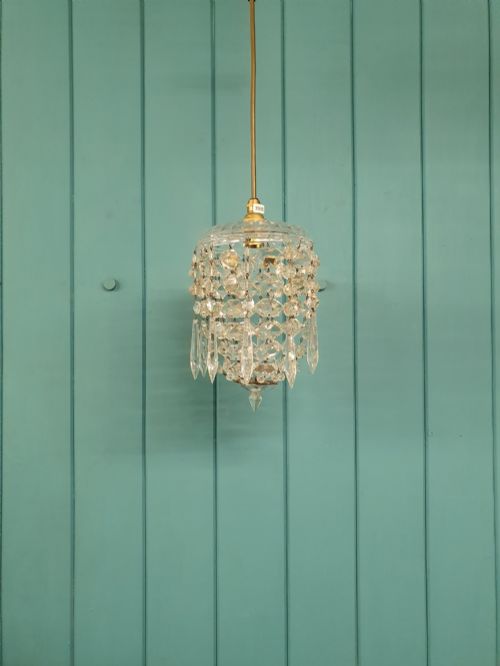
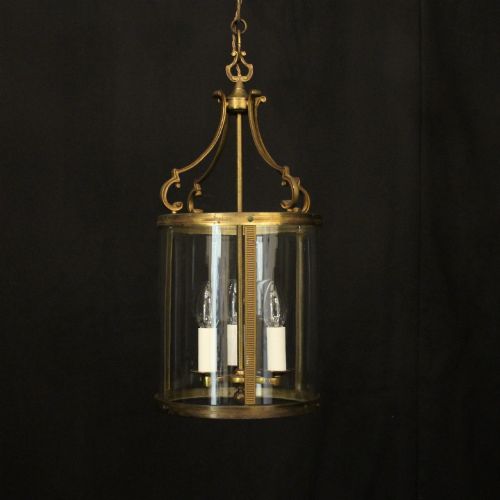
A victorian brass chandelier brings substantial weight and warm metal tones to a room, offering functional illumination through period craftsmanship.
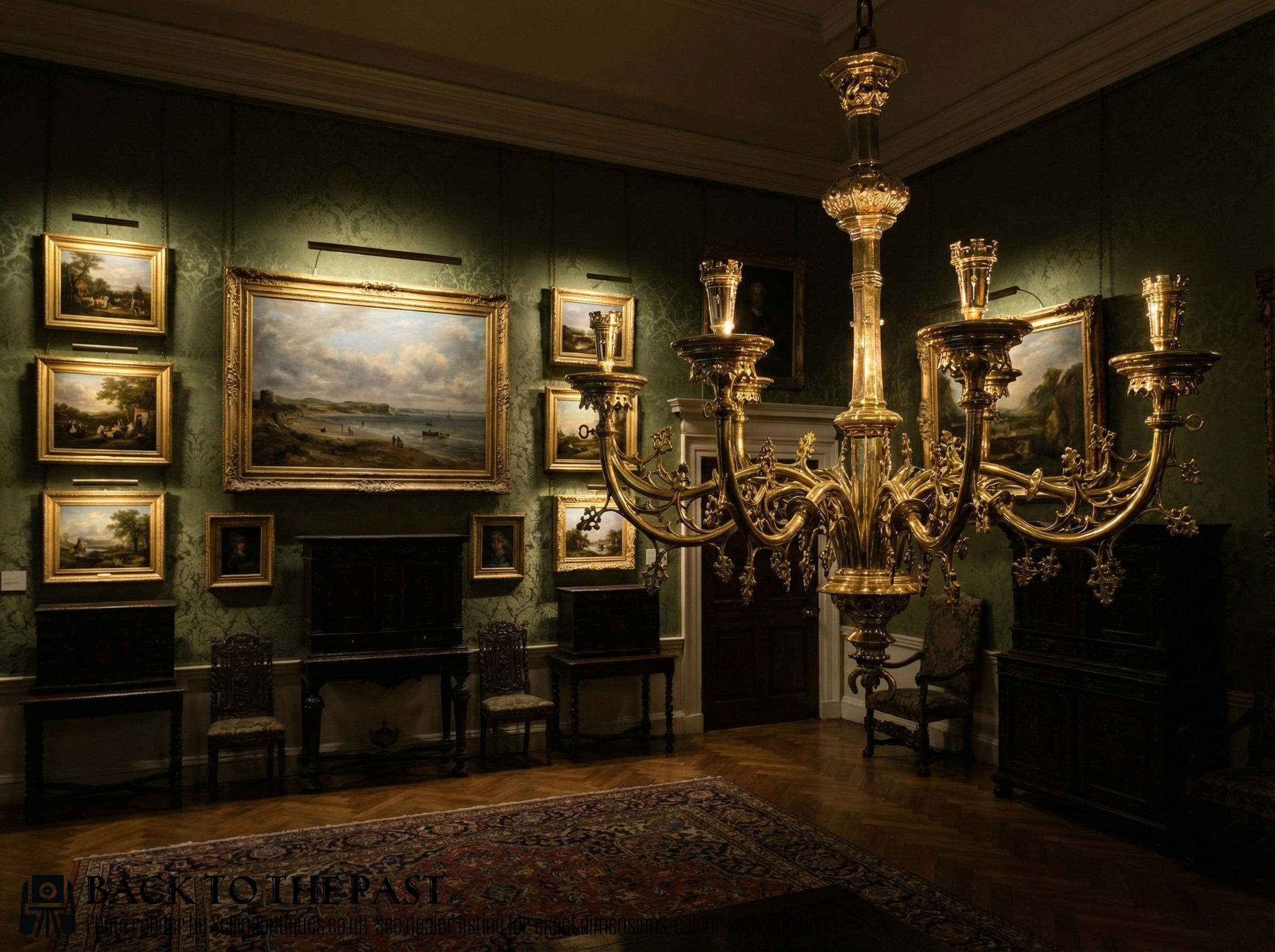
Identifying a victorian brass chandelier
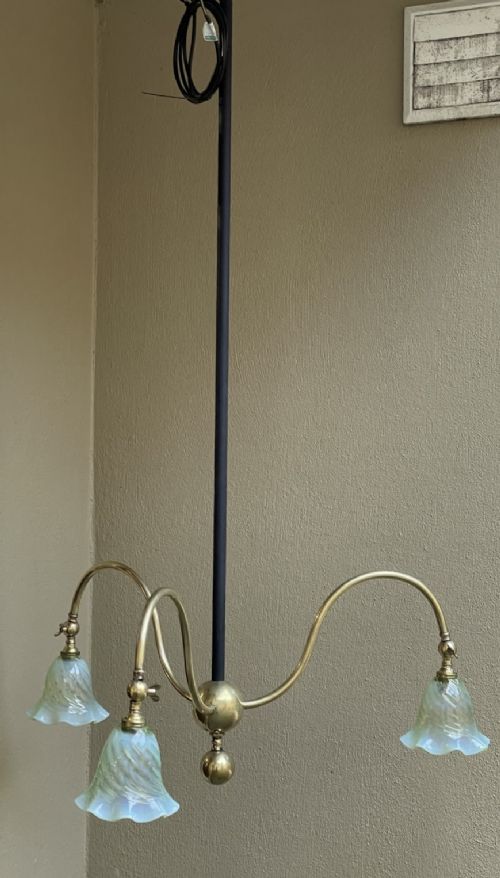
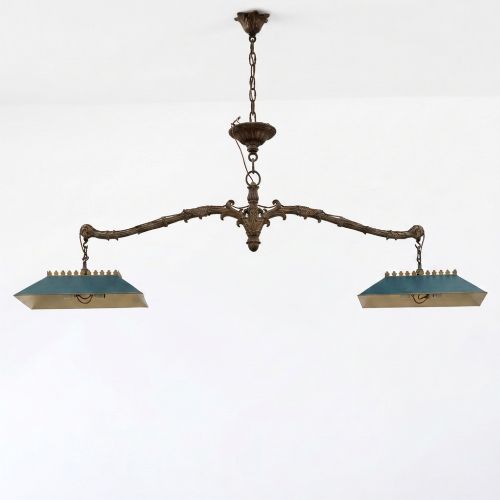
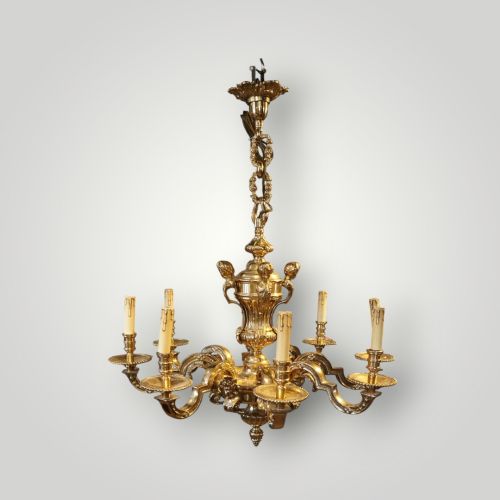
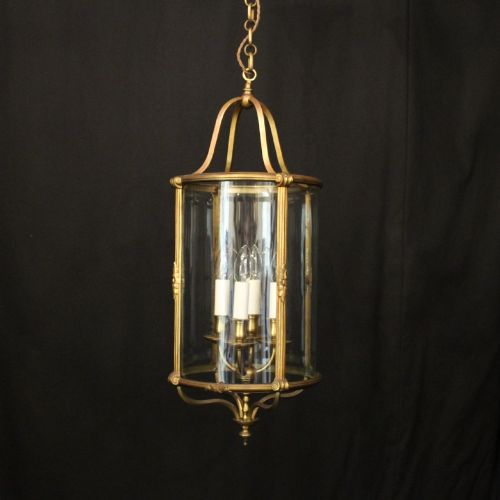
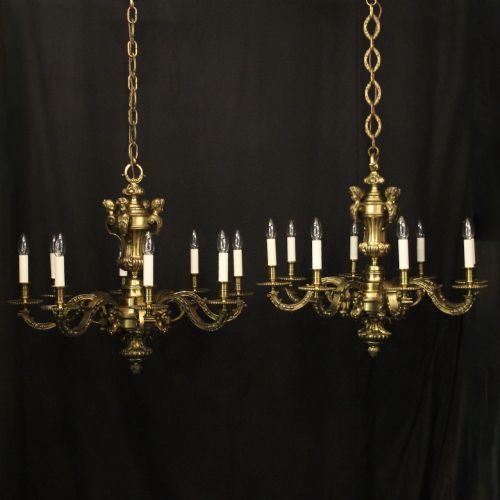
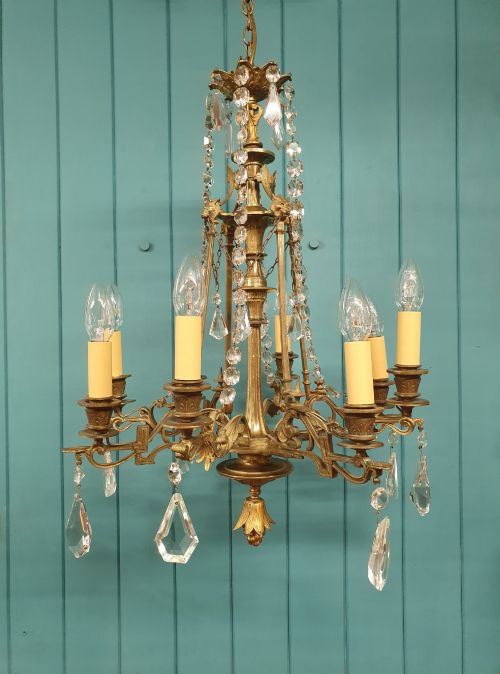
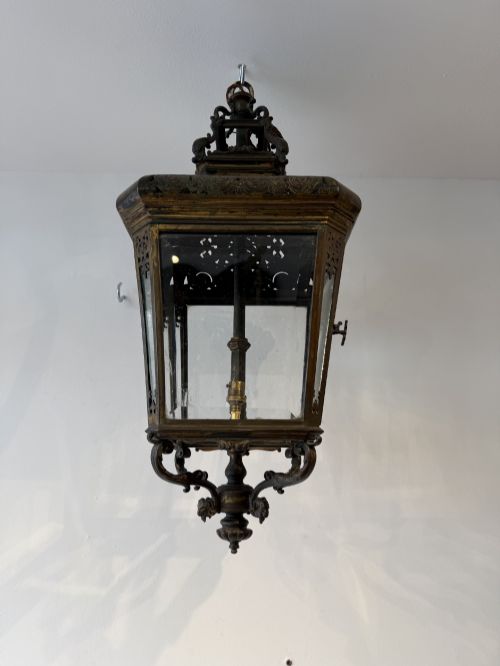
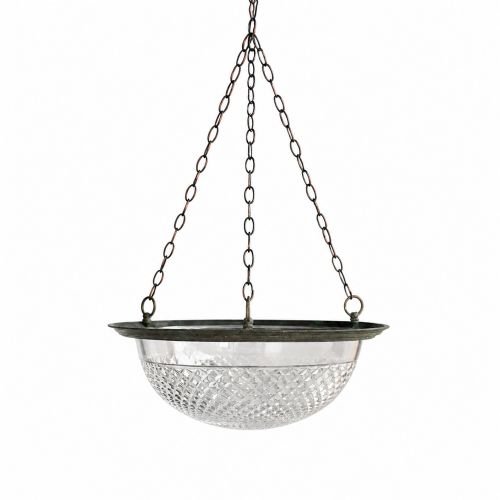
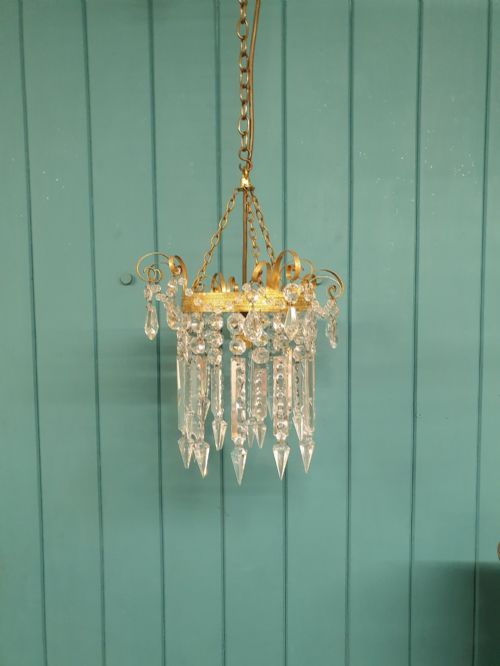
When you search for a victorian brass chandelier, you are looking at nineteenth-century lighting fixtures designed for grand interiors, domestic halls, and ecclesiastical spaces. These pieces span the Victorian era, the Edwardian period, and around eighteen-eighty, taking the form of multi-armed ceiling lights, gasoliers, and rise and fall fittings. The selection includes large scale multi-light fixtures alongside more compact domestic examples.
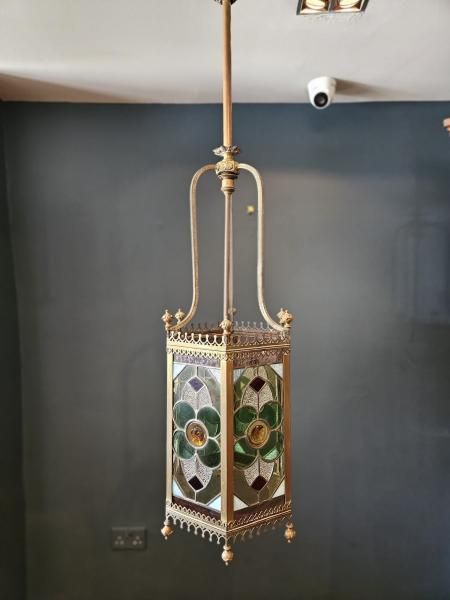
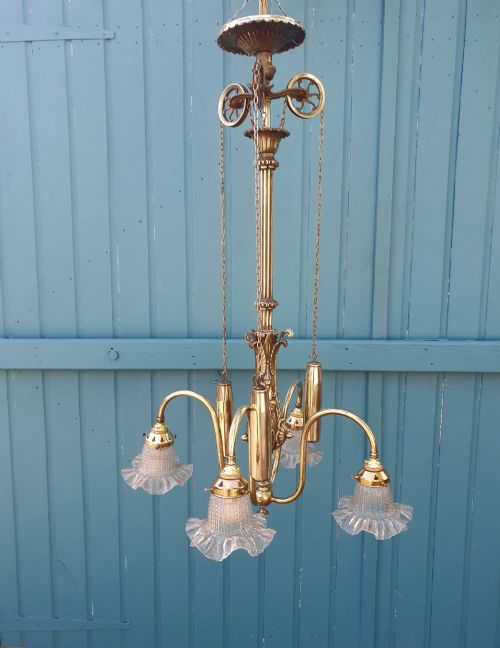
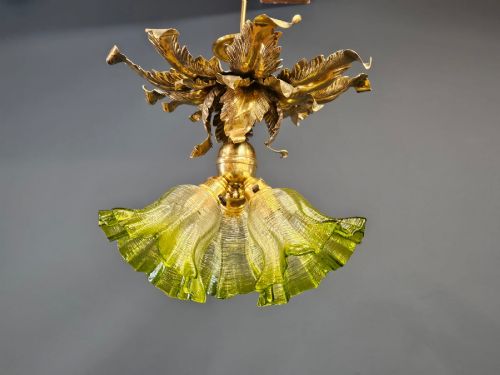
Many specimens incorporate coloured glass elements, featuring red, yellow, cranberry, green, or vaseline shades paired with the metal body. Stylistic variations range from standard Victorian and French Baroque Revival to Gothic Revival and Aesthetic period designs, sometimes featuring cast ornamentation like cherubs, griffins, dolphins, and leaf motifs.
Materials and construction
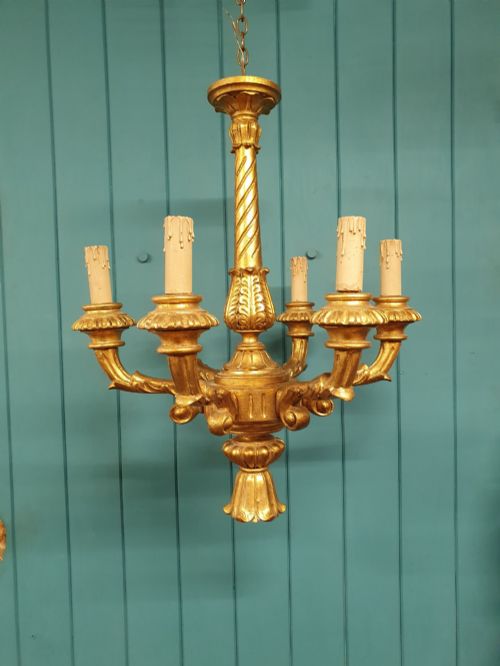
The primary material across these pieces is brass, frequently utilised alongside gilt bronze and cast brass components. Metalworking techniques of the period involved substantial casting and fabrication to create multi-arm frames, ceiling roses, and heavy structural members.
Glass production is integral to the construction, with makers integrating blown and moulded glass shades in various colours. Fixtures often combined gas and oil distribution channels originally, which later underwent conversion for electrical wiring.
Retail Price Guide 2026
Typical UK retail prices for victorian brass chandelier, calculated from the Sellingantiques database of over a million retail prices indexed since 2003. This retail price guide relies exclusively on Sellingantiques data; no external sources or auction records are used, so the figures do not describe the wider market.
Look closely for sculpted creatures, as Victorian makers occasionally hid small green men, griffins, and cherubs among the metalwork.
Assessing quality in period lighting
Quality in these chandeliers is determined by the complexity of the casting and the presence of sculptural detail, such as intricate leaf designs, figures, or architectural Gothic elements. Heavier, cast brass and gilt bronze examples demonstrate superior substance compared to simpler fabricated alternatives.
The inclusion of original glass shades, particularly in specific colours like cranberry or vaseline, elevates the integrity of the piece. The scale of the fixture, ranging from modest two-branch designs up to eighteen-light configurations, also distinguishes standard domestic fittings from monumental commissions.
Joseph Wilmotte Liege
The Victorian Brass Chandelier Glossary
- Gasolier
- A ceiling light fixture originally designed to burn coal gas for illumination before the widespread adoption of electric lighting. These frequently feature central gas keys and dedicated distribution arms.
- Rise and fall
- A mechanical pulley system allowing the height of the chandelier to be adjusted vertically. This mechanism was commonly utilised in Edwardian and late nineteenth-century domestic settings for dining tables.
- Ceiling rose
- The ornamental circular plaque attached to the ceiling from which the chandelier is suspended. It conceals the wiring or gas connection point and provides architectural framing.
- Gilt bronze
- Bronze metal that has been treated with a thin layer of gold or gold-coloured alloy. This finish appears on high-end nineteenth-century fixtures to provide a rich decorative surface.
- Vaseline glass
- A type of glass coloured with uranium dioxide that exhibits a distinctive greenish-yellow fluorescence under ultraviolet light. It appears in period shades paired with brass frames.
Frequently Asked Questions
What is a gasolier chandelier?
A gasolier is a lighting fixture designed to burn piped gas rather than electricity. These pieces date from the nineteenth century and feature metal tubing to supply gas burners.
Many surviving gasoliers have subsequently been converted to take electrical fittings while retaining their original brass bodies and glass shades.
How do I hang a heavy brass chandelier?
Hanging a heavy nineteenth-century fixture requires securing it directly into ceiling joists or structural timber using appropriate fixings. The substantial weight of cast brass and gilt bronze demands robust load-bearing support.
Professional installation is recommended to manage both the physical weight of the metal frame and the electrical integration safely.
Are original glass shades common?
Original glass shades do appear on period fixtures, ranging from plain frosted forms to vibrant cranberry, green, yellow, and vaseline glass. These components complete the intended visual balance of the design.
Because glass is fragile, some surviving chandeliers feature replacement shades gathered to match the period style of the brass frame.
How do I clean an antique brass chandelier?
Cleaning antique brass involves dusting the metal components gently with a soft, dry cloth to remove surface particles. Avoid aggressive polishes that strip the historical patina accumulated over the decades.
Glass shades can typically be removed and washed in warm soapy water, provided they are handled carefully and dried thoroughly before reattachment.