



Art Deco Ceiling Fixture
An art deco ceiling fixture brings geometric form and warm illumination into a room, offering a distinct focal point for period interiors.
Art Deco Ceiling Fixture
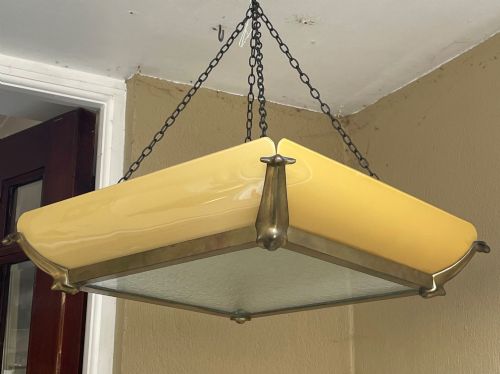
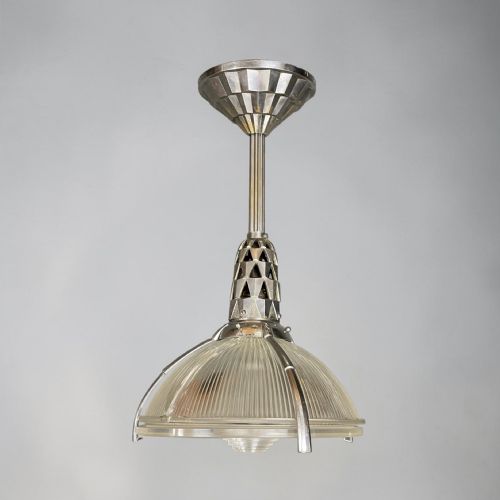
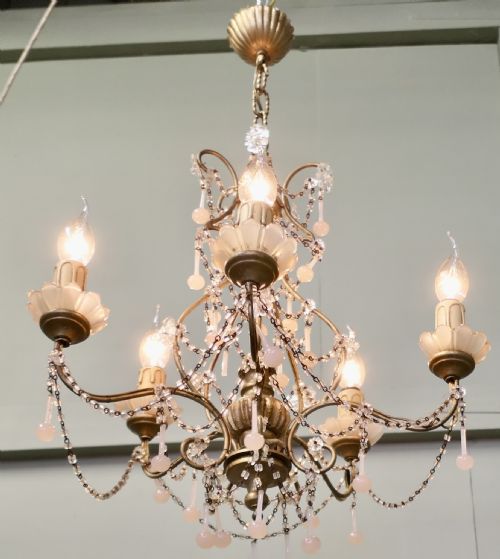
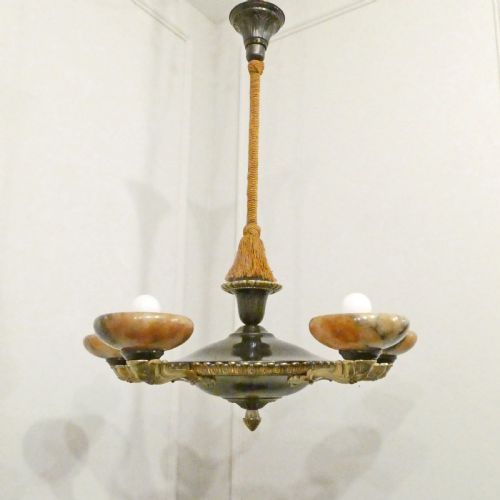
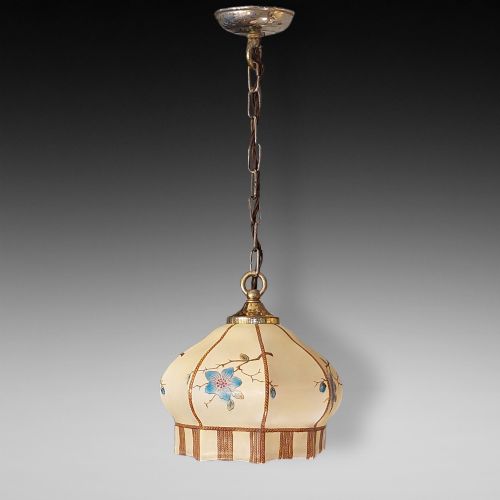
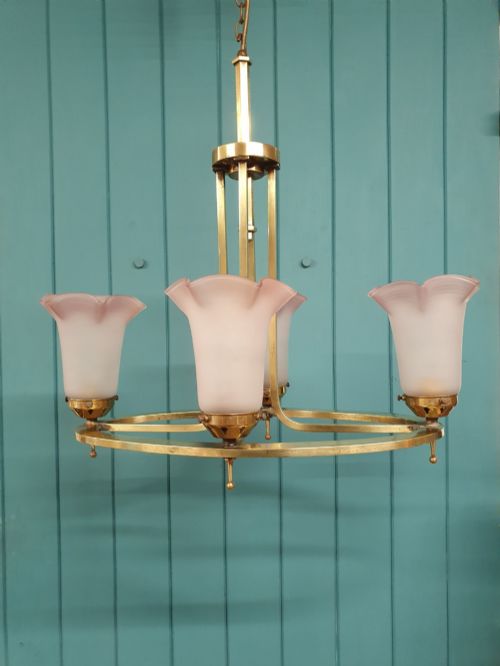
When searching for an art deco ceiling fixture, collectors encounter a diverse range of hanging lights, chandeliers, and pendant shades originating predominantly from the 1920s and 1930s. These pieces often feature distinct geometric profiles, streamlined metal mounts, and characteristic glass shades designed to diffuse light evenly across a space.
The selection includes multi-arm chandeliers, single pendant lights, and flush-mounted bowls in materials spanning pressed satin glass, opaline, and cut crystal. Alongside true 1920s and 1930s examples, the inventory occasionally incorporates earlier 19th-century or Edwardian pieces that share related hanging light configurations.
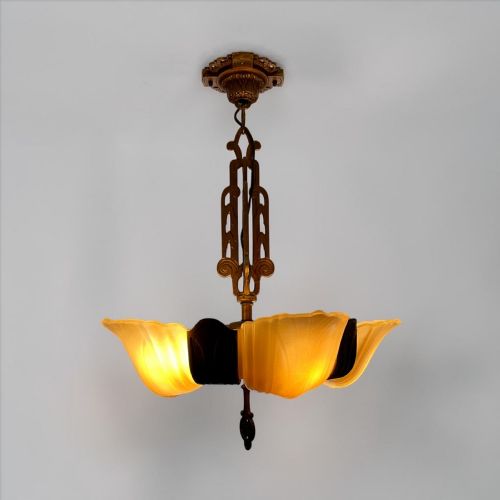
French and American workshops feature prominently among the designs, spanning styles from slip-shade configurations to elaborate chandeliers with multiple branches. Buyers select these fixtures to anchor period rooms with authentic period illumination.
Materials and construction methods
Metal components utilise brass, chrome, bronze, copper, and steel to form the structural frames, galleries, and suspension rods. These metals are shaped, cast, or spun to support heavy glass elements securely.
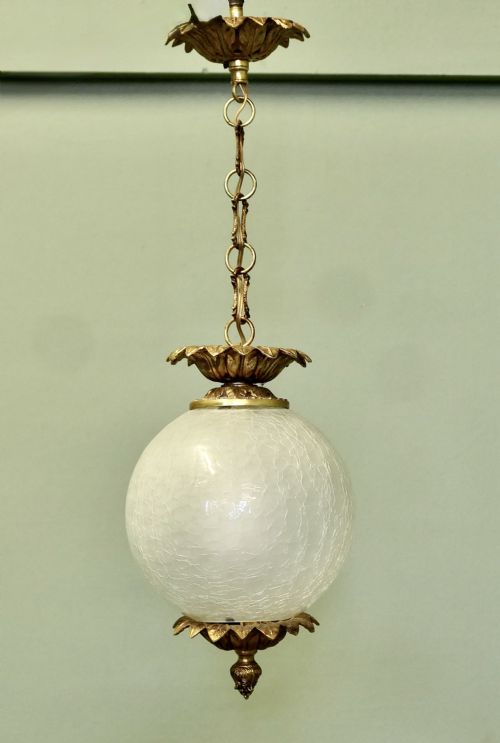
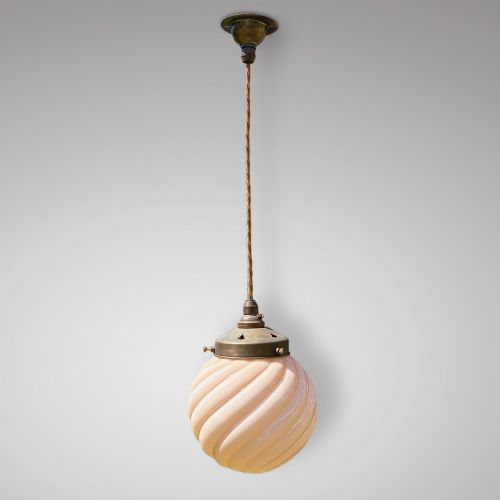
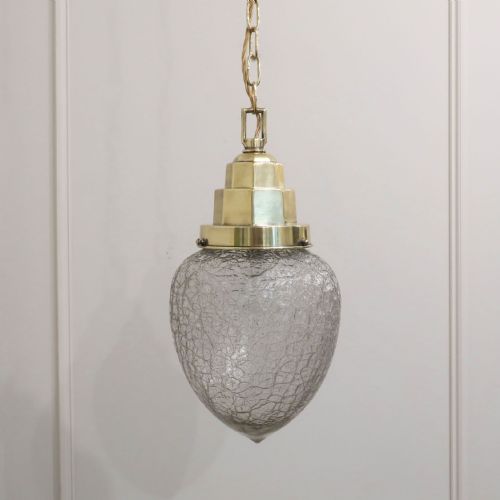
Glass production relies heavily on moulding, pressing, and blowing techniques to create opaline, crackle glass, pink glass, and alabaster shades. Slip-shades and pressed satin glass demonstrate specific mould-cast patterns associated with the period.
Crystal and cut glass elements add refractive brilliance through hand-cut facets and beaded arrangements assembled onto metal frameworks.
Art Deco Ceiling Fixture Retail Price Guide 2026
Typical asking prices for art deco ceiling fixture among the pieces listed under this phrase on Sellingantiques today, from the lower quarter to the upper quarter. They describe what is for sale here now, not the wider market.
Object forms range from simple fish scale opaline pendants to multi-tier crystal chandeliers and alabaster dish lights.
Factors of distinction
Quality rests in the weight and purity of the glass components, where heavy opaline, thick pressed satin, and deeply cut crystal display superior light diffusion compared to lighter alternatives. Maker attribution also elevates certain pieces, particularly signed French works.
The sophistication of the metalwork defines the upper tier of the range, distinguishing standard stamped galleries from heavy, finely chased brass or bronze frames. Integrated design harmony between the metal mount and the glass shade determines the overall success of the fixture.
Émile-Jacques Ruhlmann·Schneider
The Art Deco Ceiling Fixture Glossary
- Slip shade
- A moulded glass panel that slides or slots into a metal frame to form a bowl-shaped ceiling fixture. These shades define many American chandeliers of the period.
- Opaline glass
- A milky, semi-translucent glass that softens bulb glare and produces a characteristic uniform glow. It appears frequently in pendant and globe configurations.
- Gallery
- The metal ring or collar that grips the top of a lampshade or secures glass panels to the suspension system. Galleries often feature decorative cast patterns.
- Bag chandelier
- A light fixture where numerous crystal drops hang in a tapered bag or basket formation beneath a metal frame. This style creates dense downward light refraction.
- Alabaster
- A fine-grained stone carved into bowls and dishes for indirect uplighting. Its natural veining diffuses light with a warm, muted tone.
Art Deco Ceiling Fixture: Frequently Asked Questions
What rooms suit an art deco ceiling fixture?
These fixtures suit dining rooms, hallways, and living spaces where a distinct architectural focal point is required. Pendant lights fit well over tables, while compact bowl fixtures suit lower ceilings.
The diffused illumination provided by opaline and satin glass works effectively in spaces intended for relaxed entertaining or formal gathering.
How do I clean an antique glass lampshade?
Cleaning requires removing the glass element from the metal gallery and washing it in lukewarm water with mild soap. Harsh chemical cleaners can damage aged metallic finishes or delicate hand-painted details.
Dried glass should be handled with care, particularly when dealing with heavier pressed or crackle glass components that feature intricate moulded edges.
Are these lights rewired for modern use?
Many listings indicate rewiring to meet contemporary electrical standards while preserving the original exterior metalwork and socket surrounds. Buyers should verify the internal wiring status before installation to ensure compatibility with standard mains voltage.
Retaining original fittings is common, but modern wiring provides safe operation for daily household use.