


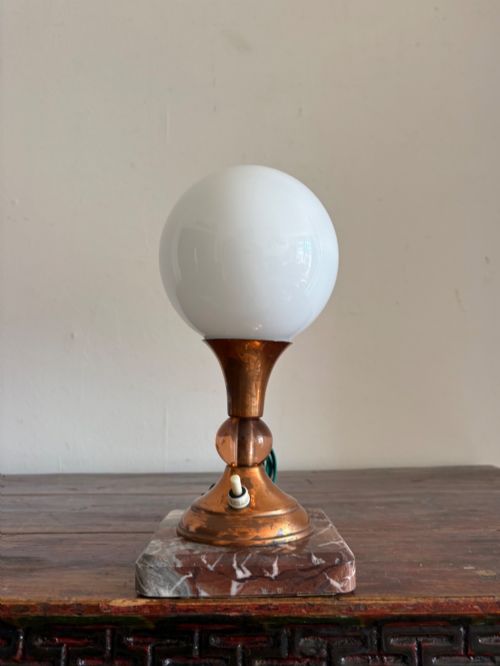
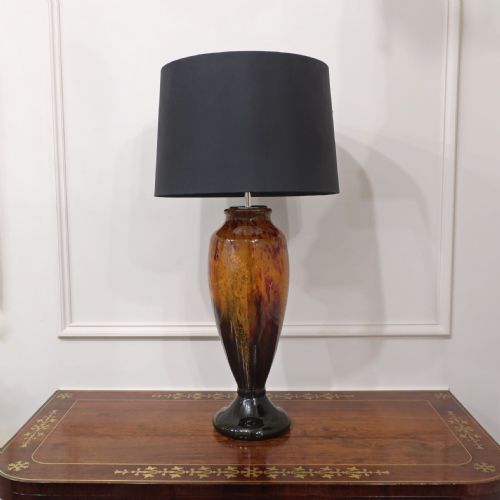
Art Deco Glass Lamp
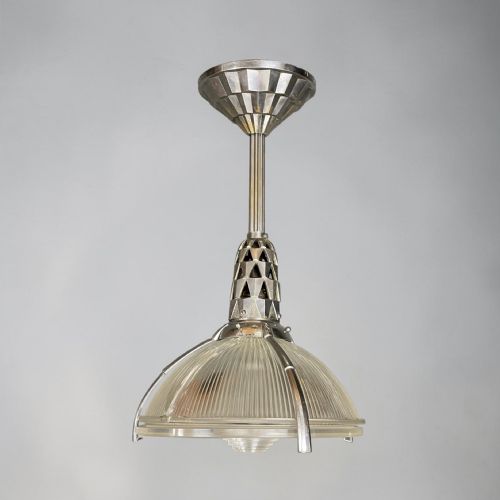
An art deco glass lamp brings period character into a room through geometric shades and bold geometric stands.
Art Deco Glass Lamp
When searching for an art deco glass lamp, buyers encounter a mix of domestic lighting forms originating principally from the 1920s and 1930s periods.
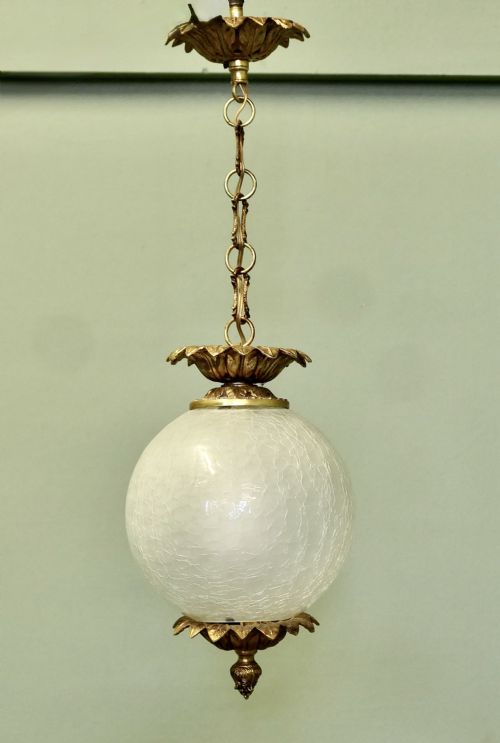
The selections span table lamps, wall lights, and hanging pendants, frequently combining glass shades with metal bases.
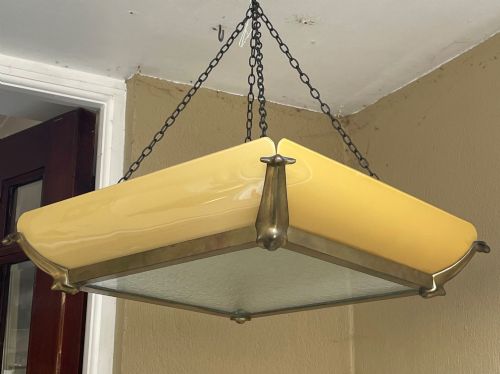
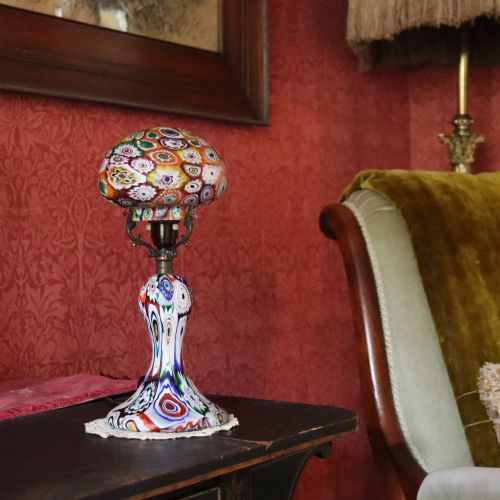
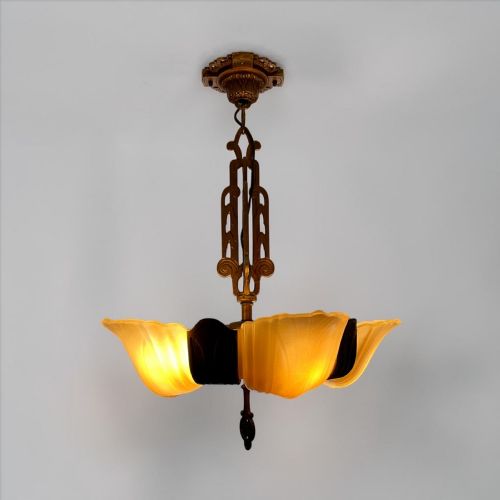
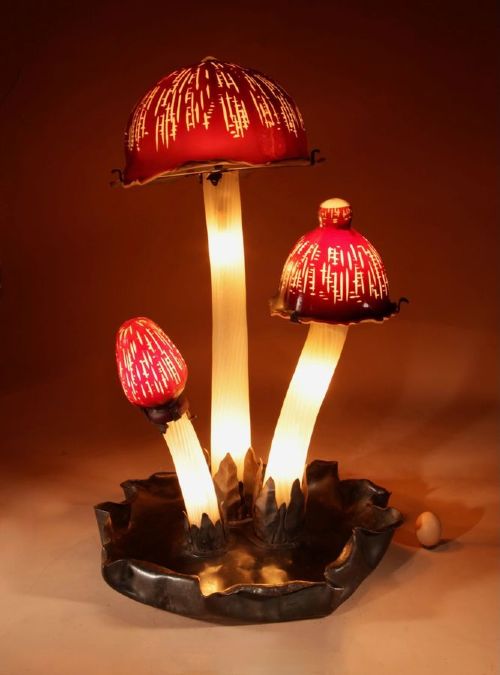
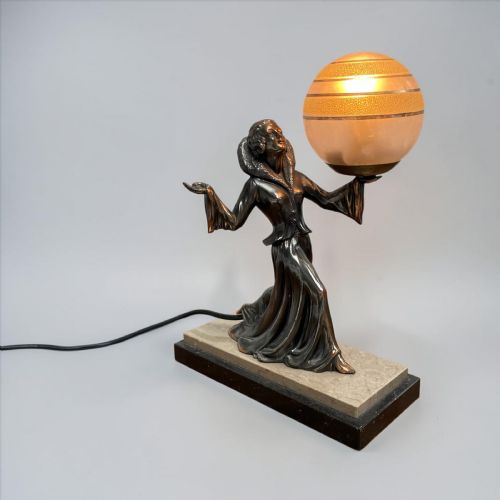
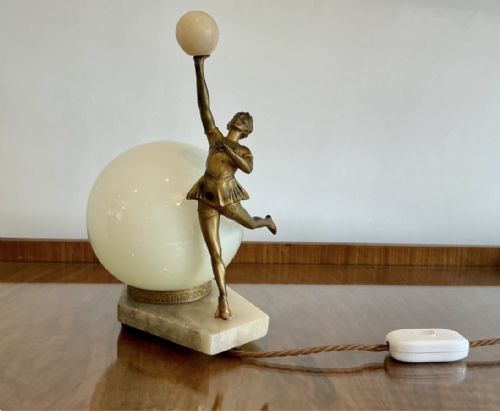
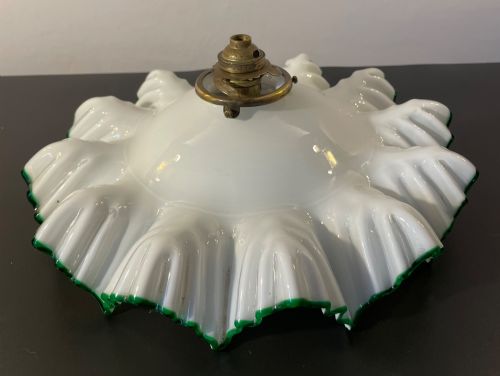
Table lamps often feature figural or mushroom profiles, while ceiling fixtures utilise slip shades and moulded glass bowls.
How they were made
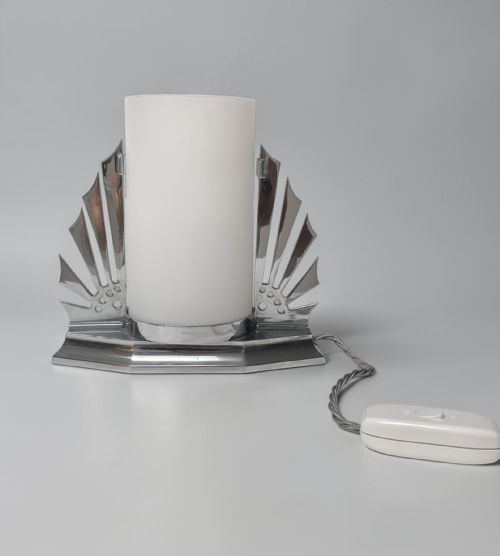
Maker workshops combined pressed, moulded, frosted, or opaline glass shades with structural elements in brass, chrome, wrought iron, and marble.
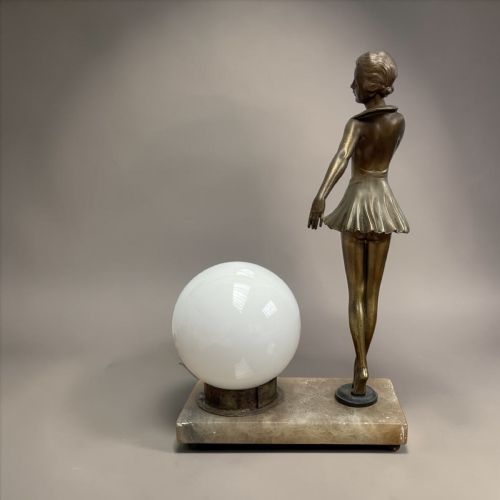
Metalwork involved patinated brass, polished chrome, and cast spelter to form figurative bases or supporting armatures.
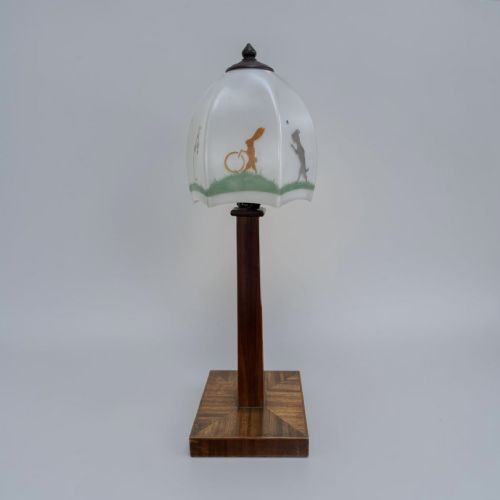
Shades display techniques ranging from acid-etching and crackle textures to hand-painted finishes and slip-shaded casting.
Art Deco Glass Lamp Retail Price Guide 2026
Typical asking prices for art deco glass lamp among the pieces listed under this phrase on Sellingantiques today, from the lower quarter to the upper quarter. They describe what is for sale here now, not the wider market.
Listings feature items built from glass, brass, chrome, marble, and wrought iron across the 1910, 1920, 1930, and 1940 periods.
What varies in quality
Distinction across the range lies in the weight of the glass and the crispness of the moulding rather than mere surface decoration.
Superior examples exhibit substantial metal mounts in heavy brass or solid chrome paired with undamaged, thick-walled artistic glass shades.
Fratelli Toso·Émile-Jacques Ruhlmann·Charles Schneider·Lacroix·Lalique·Eileen Grey·Stuart Crystal·Jean Claude Novaro·Walthe & Sohne·Karl Palda·Daum Nancy·Walther and Sohne
The Art Deco Glass Lamp Glossary
- Opaline glass
- Opaque or semi-translucent glass that diffuses a soft, milky light across the room. It was widely utilised in period globe and conical shades.
- Slip shade
- A moulded glass insert held within a metal frame to direct illumination upwards or downwards. These pieces define characteristic American and European lighting designs.
- Spelter
- A zinc alloy frequently cast into figural bases and painted to resemble bronze or silver. It provided an economical alternative for decorative novelty lamps.
- Millefiori
- Multicoloured glass canes fused together in patterns to create decorative surface effects. This technique appears in specialised imported glass components.
Art Deco Glass Lamp: Frequently Asked Questions
How do I clean an antique glass shade?
Wash the glass gently in warm soapy water using a mild detergent, avoiding harsh abrasives that might damage surface finishes or hand-painted details.
Dry the components thoroughly with a soft cloth before reassembling them onto the metal mount.
Are these lamps wired for modern use?
Many surviving examples have been rewired and safety tested to meet current electrical standards, though checking individual listings for specific certification is recommended.
Original wiring should generally be inspected by a qualified electrician prior to regular domestic operation.
How do I identify a slip shade fixture?
Slip shade lights use individual glass panels slotted directly into a cast metal frame without traditional screw fitters.
This construction method produces a segmented, glowing bowl shape typical of 1930s interior design.
Where should I place a mushroom lamp?
Mushroom lamps suit low side tables or desks where their curved glass domes can distribute subdued ambient light.
Their distinct silhouette functions well as a sculptural centrepiece in a retro or transitional interior.