

French Accent Lamp
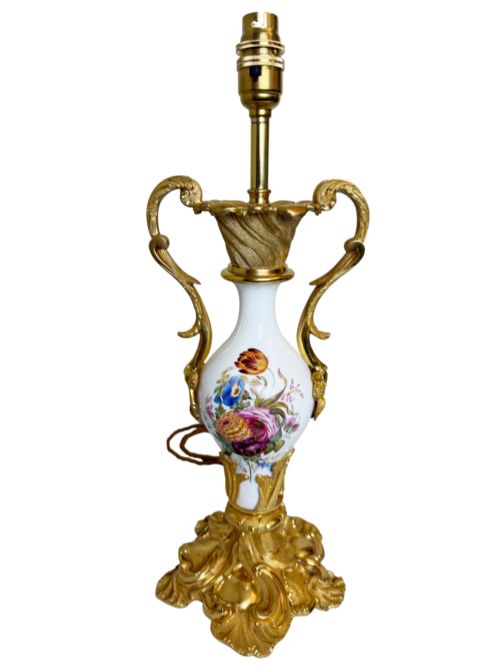
These pieces bring a warm, decorative glow and classic continental charm to a room, functioning as a true French accent lamp.
French Accent Lamp
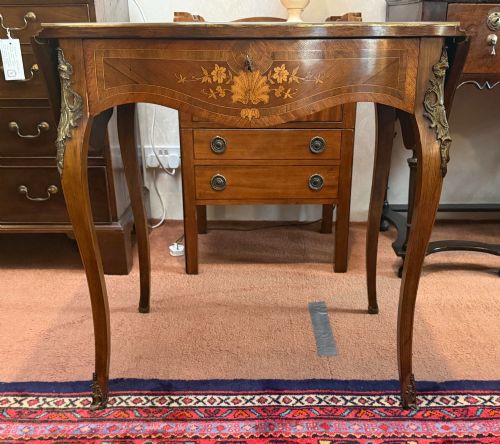
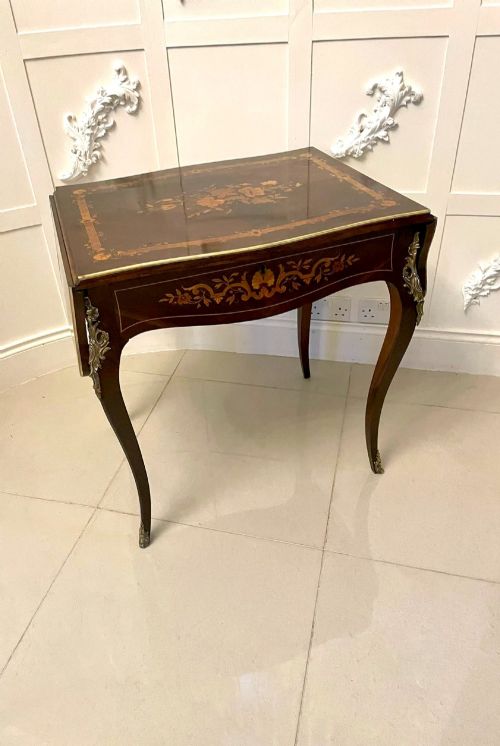
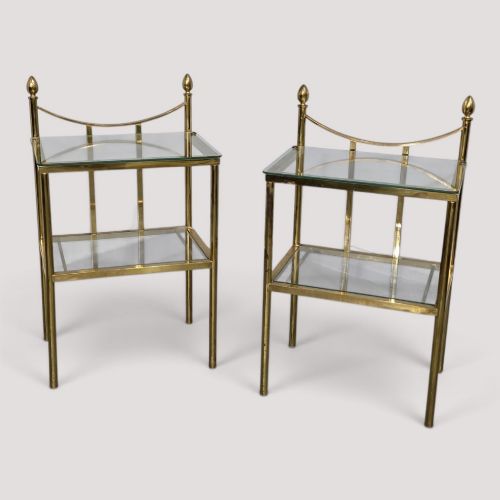
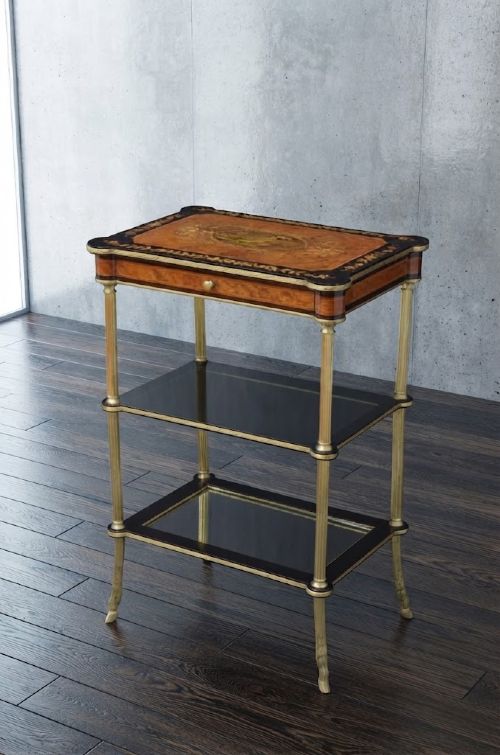
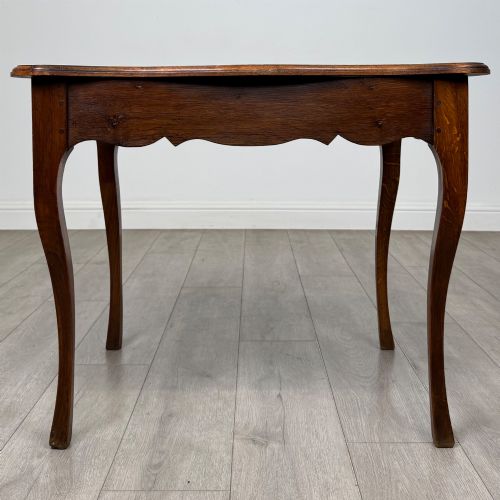
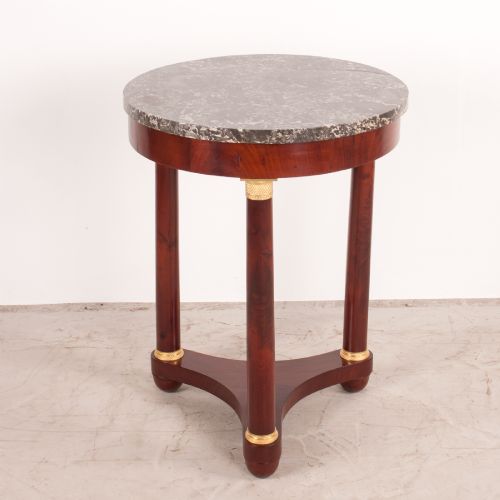
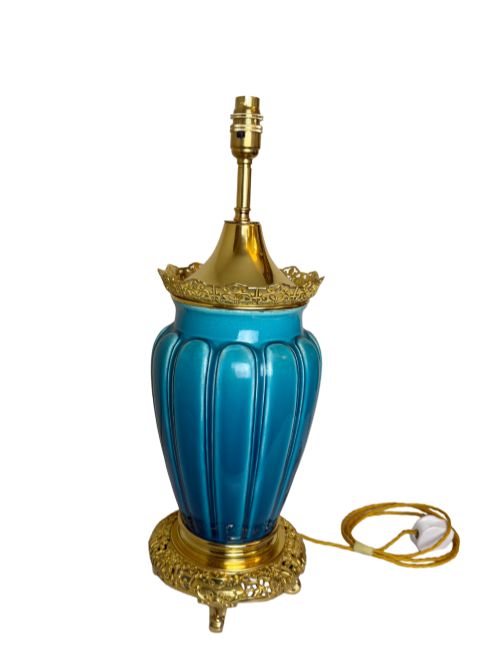
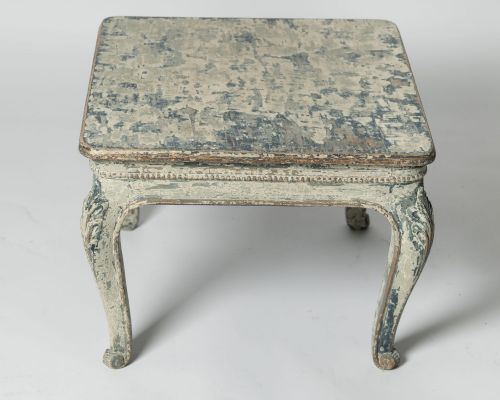
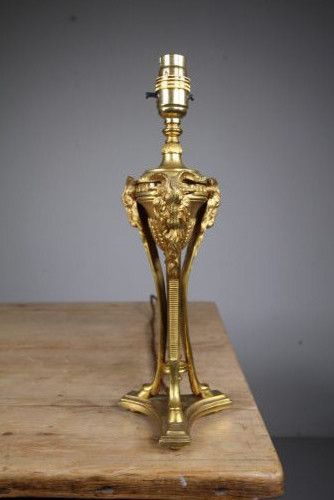
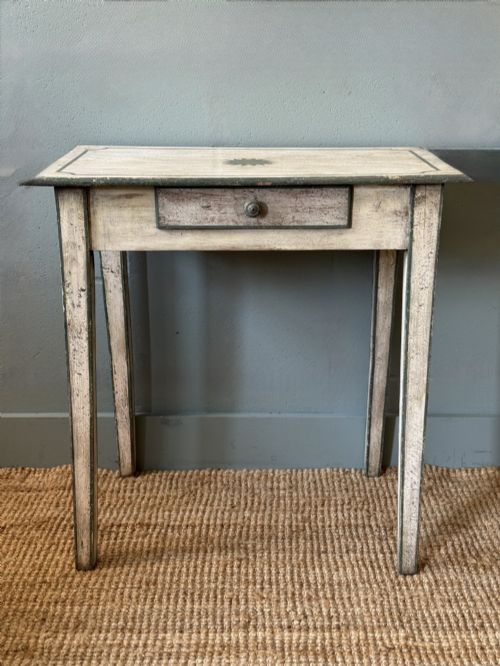
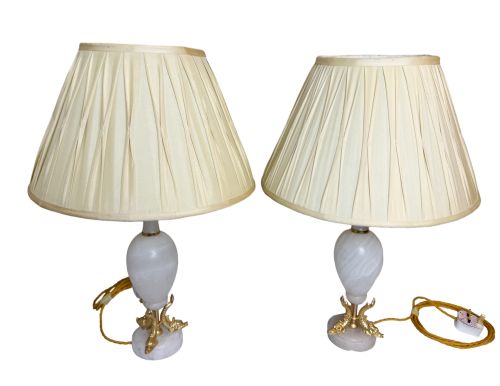
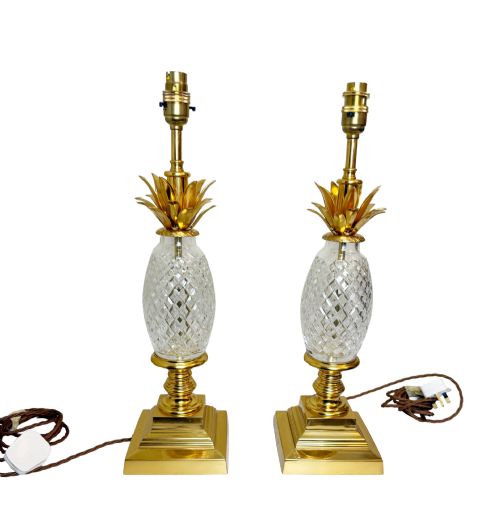
A French accent lamp provides targeted lighting through decorative table lamps and small support furniture configured to hold them, such as side tables and gueridons. Buyers searching for a french accent lamp frequently encounter lighting fixtures paired with marble, gilt bronze, and ormolu mounts, or small occasional tables designed to support them.
The selection spans from nineteenth-century revival styles, including Louis XV and Louis XVI designs, to early twentieth-century Art Deco creations. Pieces incorporate materials like walnut, mahogany, oak, and fruitwood alongside cast metals and porcelain.
Forming a distinct category of domestic equipment, these objects combine functional illumination with ornamental presence. They range from petite floral designs and ewer lamps to novelty animal figures and crystal-trimmed urns.
Distinctions in craftsmanship
The standard of a piece rests upon the crispness of its metal chasing and the depth of its timber figuring. Fine casting reveals sharp detail in foliate and figural mounts, whereas inferior work appears soft and uniform.
Assembly methods and material selection separate standard items from superior examples. Heavy marble bases, genuine fire gilding, and precise marquetry indicate higher workshop standards during production.
The listings feature brass, marble, gilt bronze, ormolu, walnut, mahogany, fabric, and oak across the nineteenth and twentieth centuries.
François Linke·A Hugnet Paris·Charles Schneider
The French Accent Lamp Glossary
- Ormolu
- Gilt bronze produced by applying a mercury and gold amalgam to cast bronze. The technique creates a durable, warm metallic finish common on nineteenth-century mounts.
- Gueridon
- A small circular table on a central pillar, frequently topped with marble and fitted with a brass gallery. Originating in seventeenth-century France, these tables served as stands for lights or decorative objects.
- Marquetry
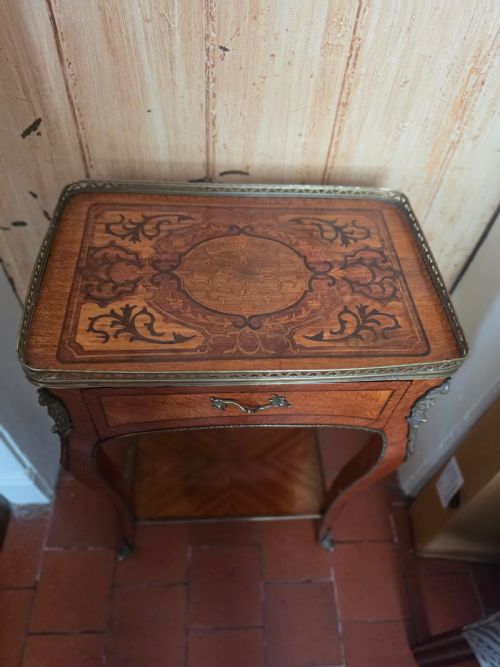
- Patterns created on a wooden carcase using thin pieces of veneer in various timbers and materials. Craftsmen cut contrasting woods to form floral or geometric designs.
- Opaline glass
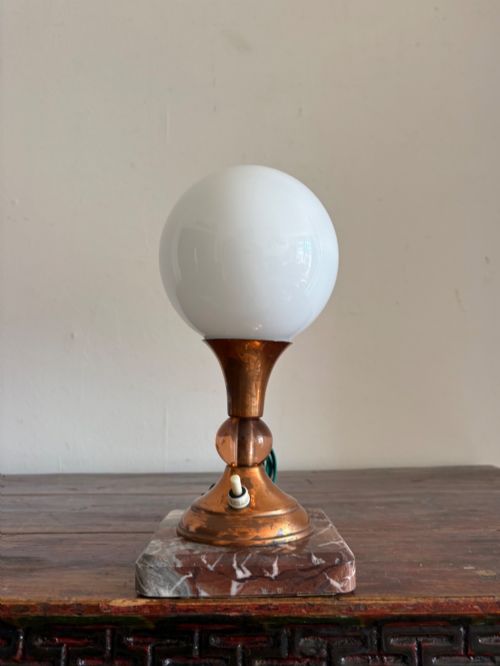
- A pale, translucent glass with a milky appearance, popular in nineteenth-century and Art Deco lighting. It diffuses light softly without harsh glare.
- Kingwood
- A dense, heavily figured Brazilian timber featuring dark violet and brown streaks. It was favored by elite cabinet-makers for high-end French furniture.
French Accent Lamp: Frequently Asked Questions
What periods do these lamps and tables represent?
The pieces span the nineteenth century through the early twentieth century, encompassing periods such as the Regency, Victorian, Edwardian, and Art Deco eras.
Revival styles dominate the nineteenth-century examples, while geometric lines and opaline glass define the later twentieth-century pieces.
How were these tables and lamps used?
Side tables and gueridons functioned as small stands positioned beside seating or against walls to hold lamps, clocks, or decorative items.
Lamps provided localized accent lighting on desks, sideboards, and occasional tables rather than primary illumination for an entire room.
What materials are typical for the bases?
Bases utilise cast metals such as brass, gilt bronze, and ormolu, often combined with white or coloured marble plinths.
Wood is also common for lamp tables, utilising walnut, mahogany, oak, and exotic veneers like kingwood.