


Antique Glass Bedside Lamp
An antique glass bedside lamp brings soft, diffused light and period character to a nightstand, drawing on decades of decorative glassmaking.
Antique Glass Bedside Lamp
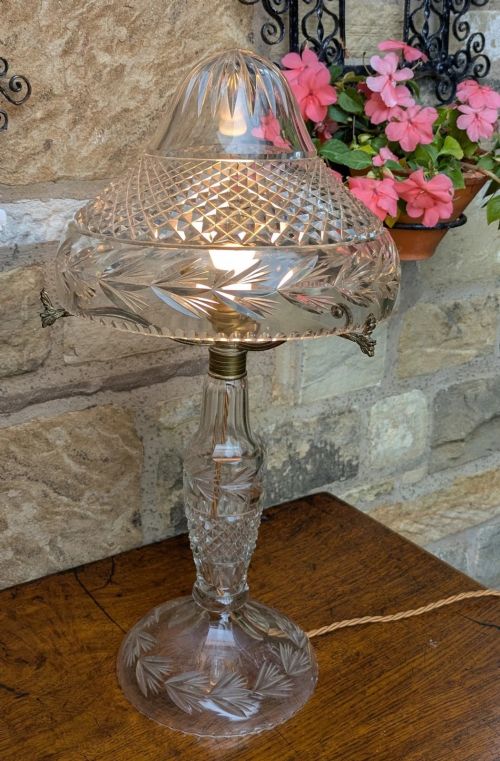
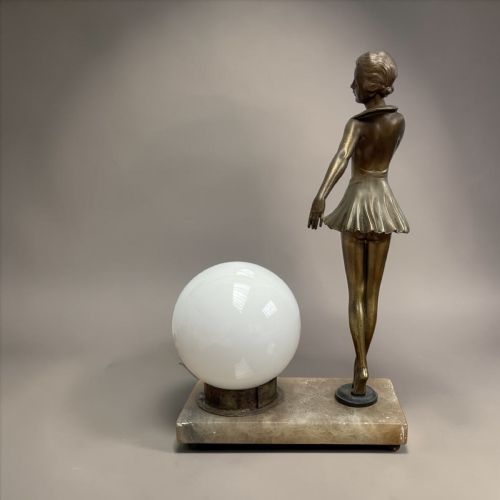
When searching for an antique glass bedside lamp, buyers encounter pieces primarily from the Victorian era, the Edwardian period, and the 1920s and 1930s Art Deco movement. These items function as functional bedroom lighting while serving as distinct decorative objects.
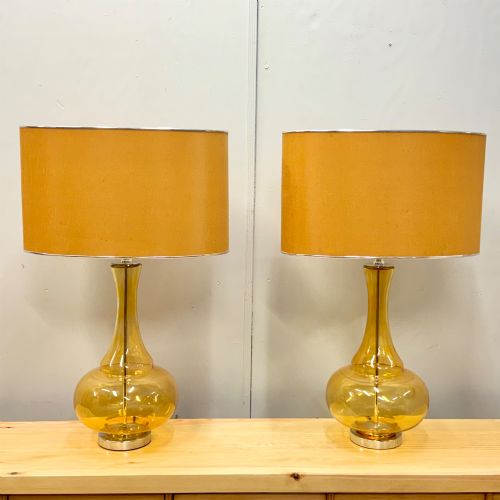
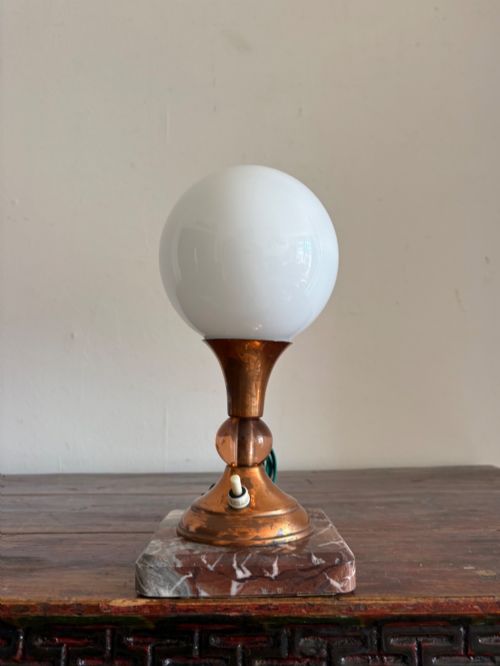
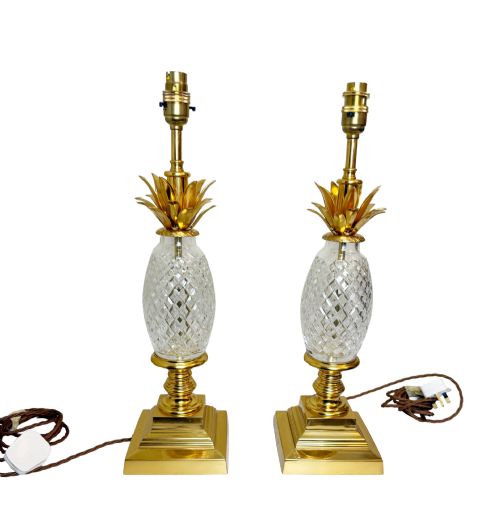
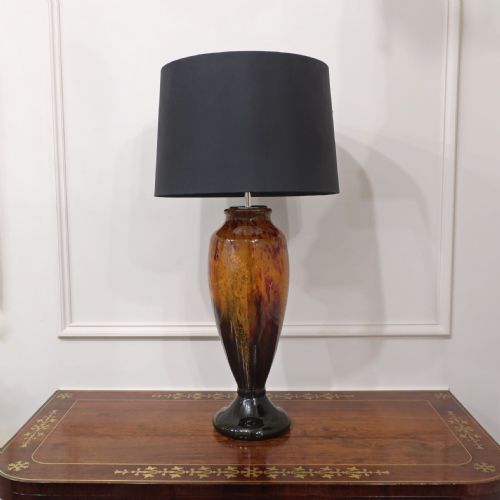
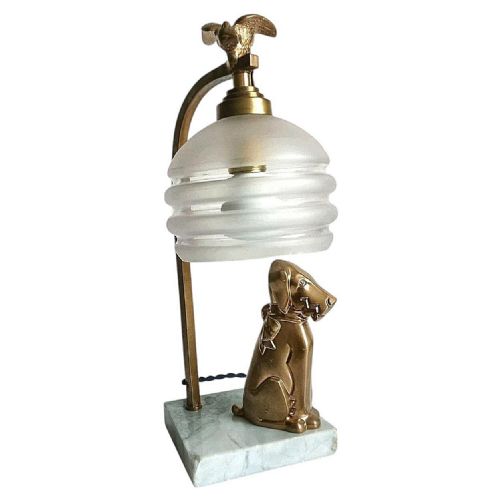
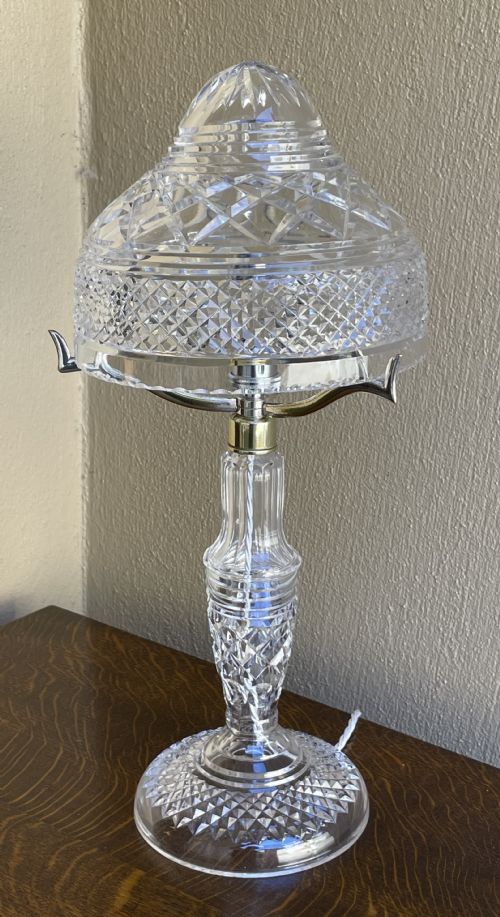
Table lamps and desk lamps form the predominant categories found in this selection, often adapted from earlier oil reservoirs or designed specifically for early electric wiring. The glass components range from moulded opaline and frosted shades to heavy cut crystal bodies.
Origins span British workshops and continental European makers, particularly French and Italian studios. The integration of glass with brass, ormolu, and marble bases typifies the construction of these bedroom pieces.
How they were made
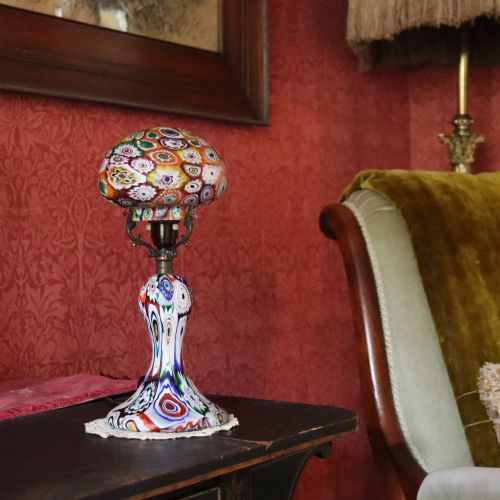
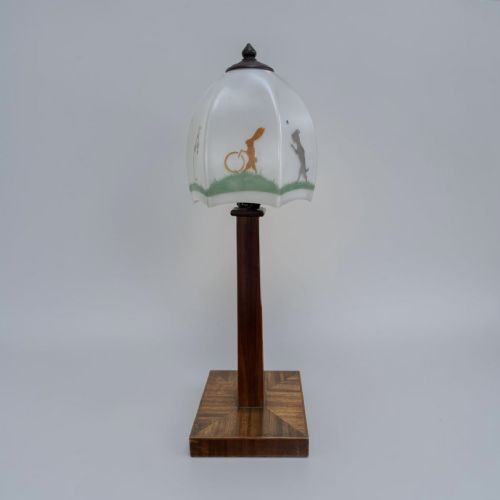
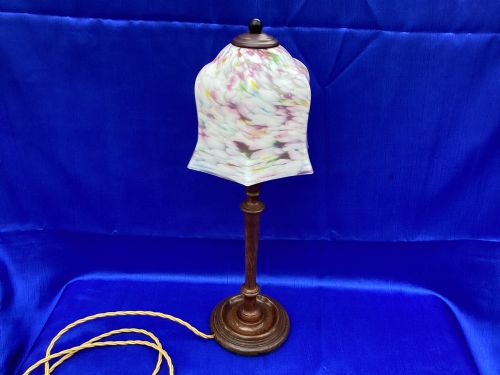
Glass components were formed through blowing, moulding, or intricate cutting, utilising techniques such as acid etching, casing, and millefiori work to achieve varied textures and colours. Opaline glass, frosted finishes, and heavy cut crystal dominate the bodies and shades.
Metal mounts, columns, and bases utilise cast brass, gilt bronze, ormolu, copper, and chrome, often paired with marble or wrought iron. Metalwork was frequently cast and chased before being assembled with the glass elements via threaded central rods.
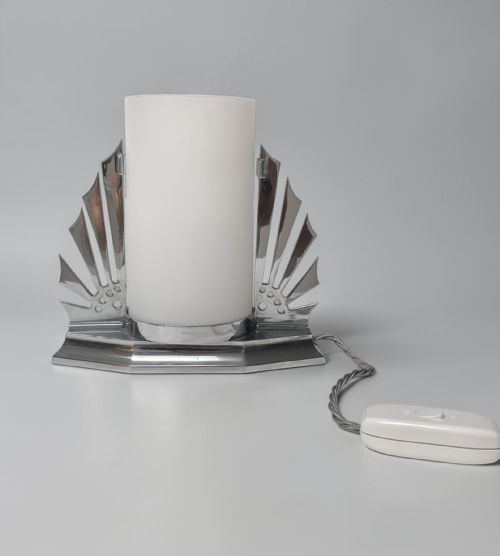
Wiring and electrical components found on these pieces reflect both original conversion periods and subsequent rewiring, incorporating brass lamp holders, twisted fabric flex, and weighted metal bases for stability.
The selection includes pieces spanning the nineteenth century through to the 1930s, incorporating brass, cut crystal, opaline glass, and bronze.
What varies in quality
Quality rests upon the clarity and weight of the glass, alongside the crispness of any hand-cut facets or the depth of mouldings. Superior pieces display precise optical properties in the crystal and uniform colour saturation in opaline or tinted varieties.
The standard of metalwork dictates overall merit, distinguishing heavy cast ormolu, bronze, and chased brass from lighter plated alternatives. Substantial mounts fit flush against the glass without wobble, maintaining structural balance.
Design integration separates standard production items from masterworks attributed to known glasshouses or metalworkers. Coherence between the shade, body, and base defines the visual success of the finished lamp.
Fratelli Toso·Degue·Baccarat·Karl Palda·Farraday & Son
The Antique Glass Bedside Lamp Glossary
- Opaline glass
- Opaque or translucent glass characterised by a milky appearance, often tinted in soft pastel shades during production. It diffuses light evenly, making it suited for bedside reading.
- Ormolu
- Gilt bronze mounted onto furniture and lighting fixtures, created by applying a mercury and gold amalgam to cast bronze. This technique imparts a rich, golden surface finish.
- Millefiori
- Glasswork technique involving bundles of coloured glass canes fused together and sliced to reveal intricate floral patterns. It appears frequently in Italian studio pieces.
- Corinthian column
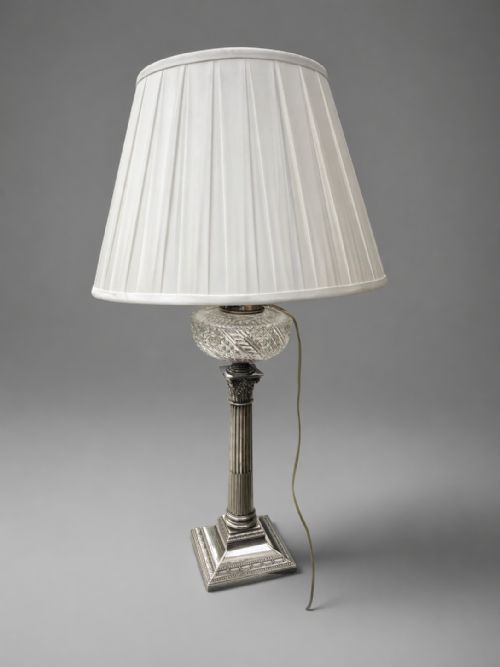
- Classical architectural column form adapted for lamp bases, featuring ornate acanthus leaf capitals. Victorian and Edwardian makers frequently cast these in brass or ormolu.
- Cased glass
- Glass composed of two or more distinct layers of different colours fused together while molten. The outer layer is often cut away to expose the contrasting colour beneath.
Antique Glass Bedside Lamp: Frequently Asked Questions
Are these lamps safe to use today?
Many vintage and antique lamps retain older wiring or have been converted from oil burners at various points in the twentieth century. Buyers should have electrical components checked or replaced by a qualified professional before daily use.
Modern PAT testing or complete rewiring ensures the brass holders and flex meet contemporary safety standards without altering the historic glass and metal body.
How do I date a glass lamp?
Dating relies on stylistic markers, manufacturing techniques, and materials such as heavy cut crystal, opaline, or chrome. Victorian and Edwardian examples often feature brass Corinthian columns, whereas 1930s pieces lean towards geometric Art Deco silhouettes.
The weight of the glass and the method of metal casting provide further clues to the decade of manufacture.
Can I replace a missing shade?
Finding a period-matching shade for an antique base requires careful measurement of the fitter rim and matching the glass type, whether frosted, opaline, or cut crystal. Replacement shades must complement the proportions of the original base.
Mismatching modern shades alters the historical integrity and balance of the lamp.
How do I clean antique glass?
Cleaning requires warm soapy water and a soft cloth, avoiding harsh chemical abrasives that can damage frosted surfaces or gilt brass mounts. Glass shades should be removed from the base before washing.
Metal components benefit from gentle dusting rather than aggressive polishing to preserve any historic patination.