




Clear Glass Table Lamp
A clear glass table lamp brings brilliant refraction and understated presence to a room, catching the light whether lit or unlit.
Understanding the Clear Glass Table Lamp
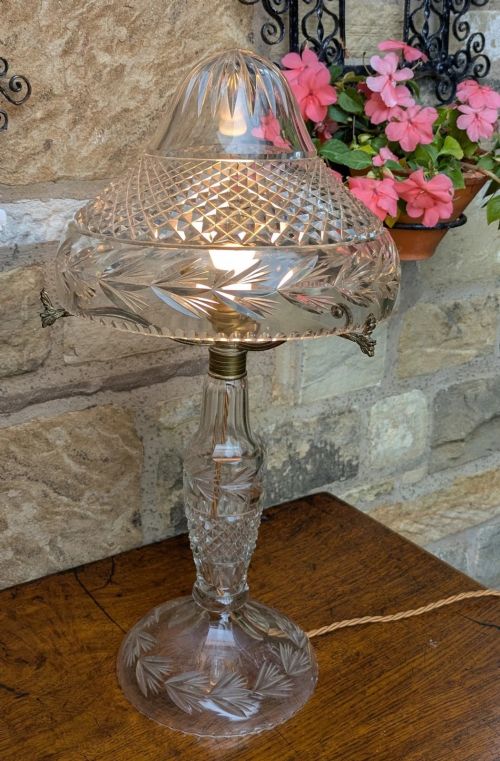
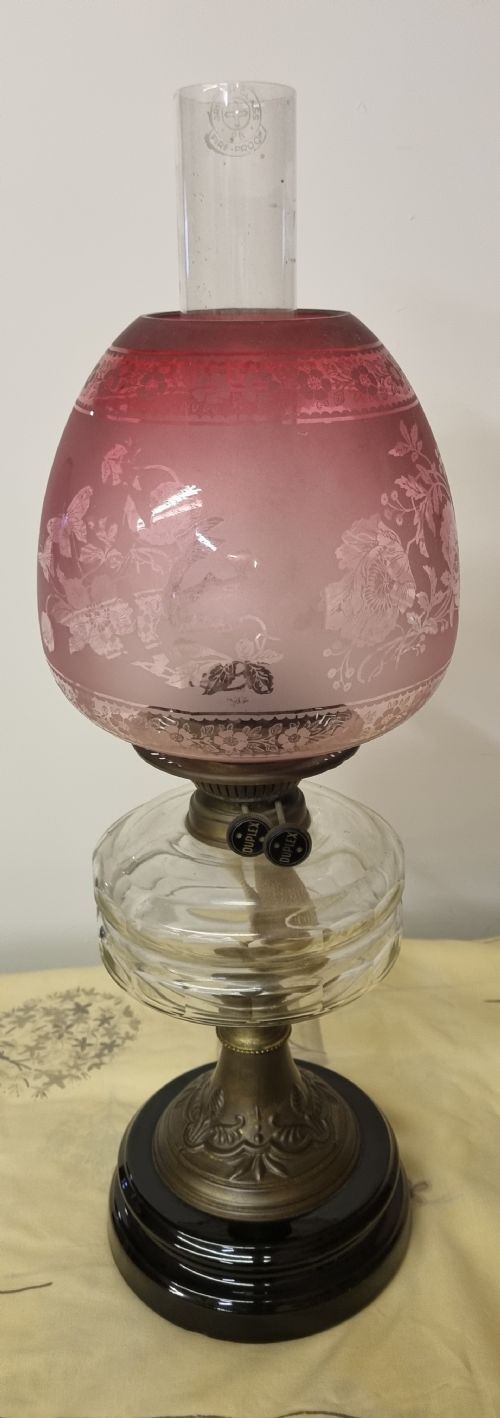
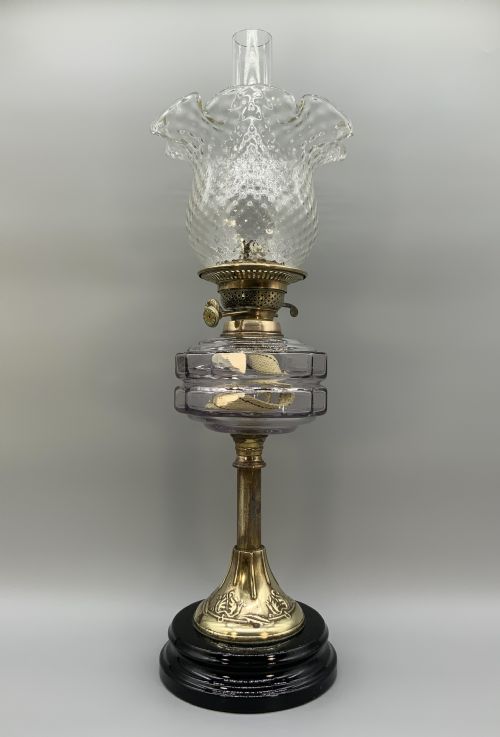
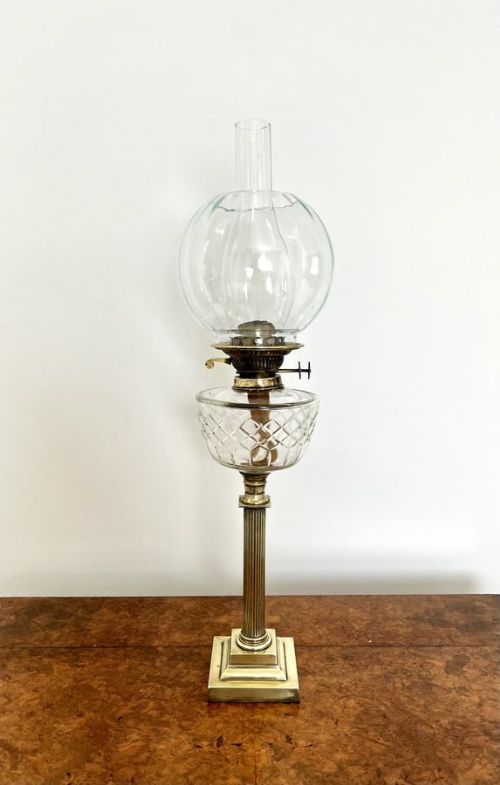
The clear glass table lamp encompasses decorative lighting pieces designed to sit on surfaces, represented here by Victorian, nineteenth-century, and twentieth-century examples. These items take the form of table lamps, featuring structural glass bodies combined with materials like brass.
Most pieces seen on this page date from the nineteenth century, including specific years around 1860 and 1870, alongside later twentieth-century works. Forms range from traditional English styles to Murano production, incorporating lead crystal and cut glass.
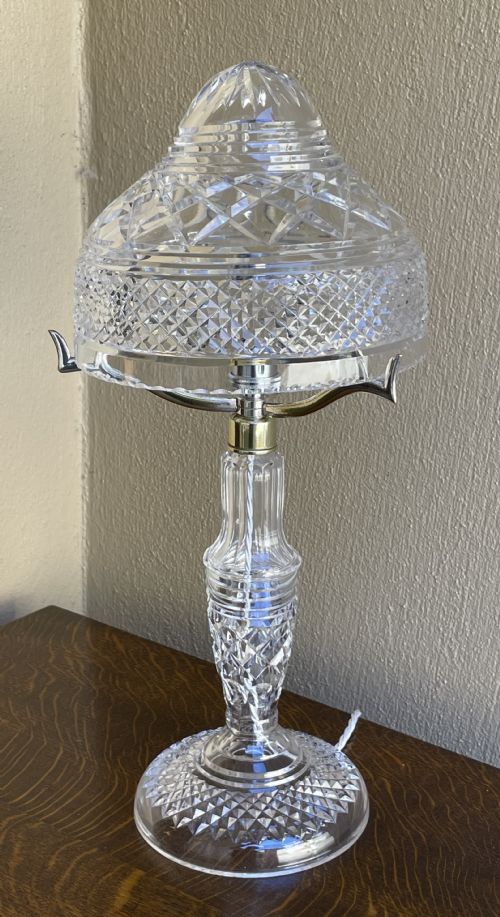
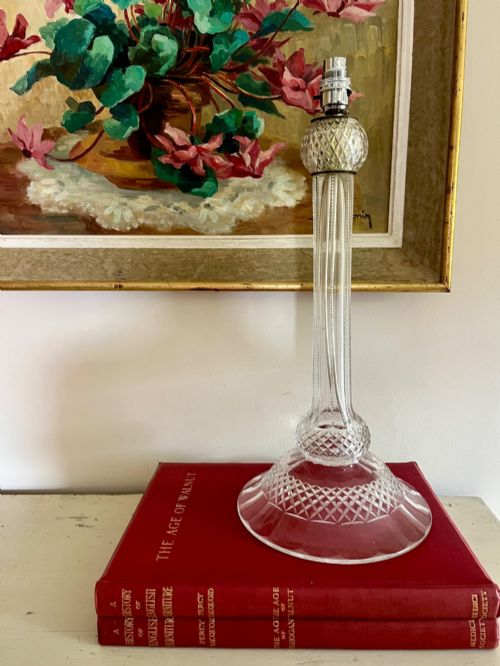
A buyer examining these objects encounters diverse silhouettes, from tall cut glass constructions to specialist spirit dispensing barrel lamps. Each piece utilises its transparent medium to manipulate light within a domestic interior.
Construction and Materials
These lamps utilise glass, lead crystal, and cut crystal shaped through traditional manufacturing methods. Transparent bodies are frequently paired with metal components, specifically brass mounts that secure the electrical or mechanical fittings.
Surface ornamentation relies on deep cutting techniques within the crystal and glass, creating faceted patterns that enhance light reflection. Assembly involves mounting the heavy glass or crystal structures securely onto supportive bases.
Retail Price Guide 2026
Typical UK retail prices for clear glass table lamp, calculated from the Sellingantiques database of over a million retail prices indexed since 2003. This retail price guide relies exclusively on Sellingantiques data; no external sources or auction records are used, so the figures do not describe the wider market.
The listings on this page span the nineteenth and twentieth centuries, incorporating materials such as brass, lead crystal, and cut glass.
Markers of Quality
Quality in these lamps rests on the clarity and weight of the glass or lead crystal used in the body. Superior examples display crisp, deep cutting that catches the light sharply, whilst lesser pieces feature simpler, unadorned surfaces.
The integration of metal elements dictates overall refinement, where heavy brass mountings show superior craftsmanship compared to basic fittings. The proportion and balance between the glass reservoir or column and its base determine the visual harmony of the finished object.
Seguso
The Clear Glass Table Lamp Glossary
- Cut glass
- Glass decorated by grinding facets or patterns into the surface using a wheel. This technique creates sharp edges that refract light intensely.
- Lead crystal
- A type of glass containing metallic lead oxide, which increases weight, brilliance, and workability for deep cutting. It forms the heavy, clear body of finer lamps.
- Bullicante
- A Murano glass technique featuring controlled bubbles trapped within the thick walls of the clear glass. It adds texture and visual depth to the material.
- Brass mounted
- Fitted with structural or decorative components made from brass. This metalwork provides stability and structural contrast to the transparent glass.
Frequently Asked Questions
How do I clean a clear glass table lamp?
Wipe the glass components gently with a soft, lint-free cloth and mild soapy water, avoiding harsh chemicals that might damage brass mounts.
Ensure the lamp is unplugged before cleaning, and dry all metal parts thoroughly immediately afterwards to prevent tarnishing.
Are these lamps suitable for modern interiors?
The neutral transparency of clear glass allows these lamps to blend seamlessly into contemporary colour schemes and minimalist spaces.
Traditional English and Victorian forms add a layer of historical contrast when placed alongside modern furnishings.
How do I identify nineteenth-century glass lamps?
Nineteenth-century examples often display heavy lead crystal construction, hand-cut facets, and patinated brass mountings characteristic of the Victorian era.
Examining the base and collar fittings reveals manufacturing traits typical of production methods around 1860 and 1870.
What type of shades do these lamps require?
Fabric shades are traditionally paired with these lighting fixtures to diffuse the illumination softening the glare from exposed bulbs.
Choosing a shade depends on the proportions of the glass body and the height of the specific table lamp.