




Edwardian Cut Crystal Lamp
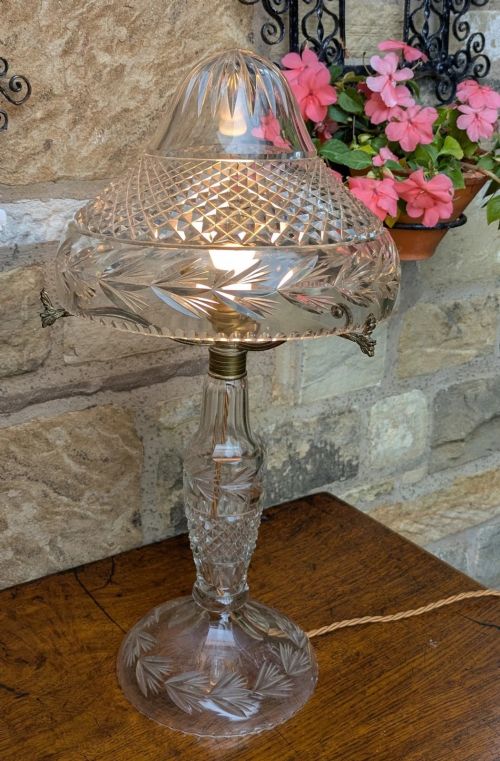
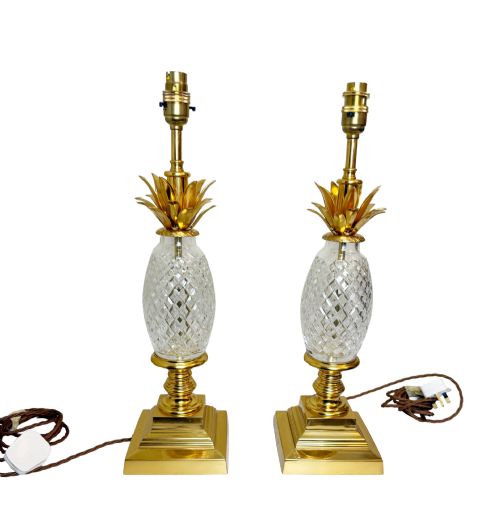
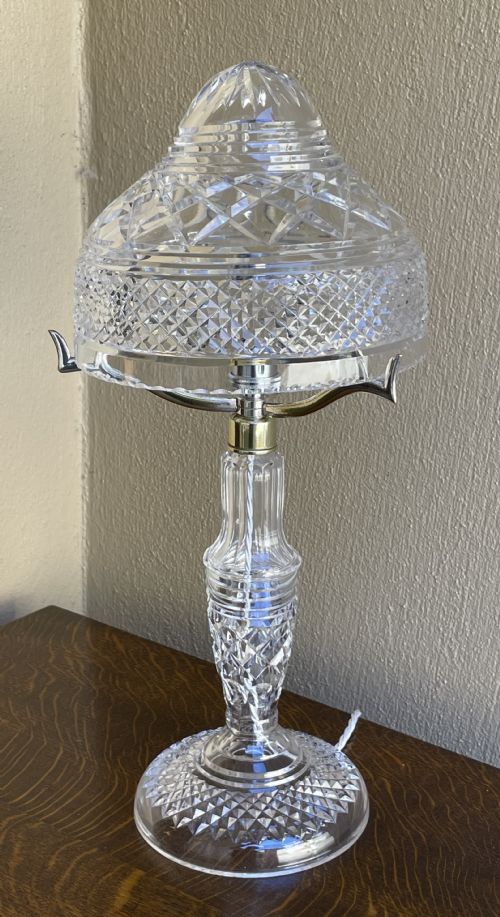
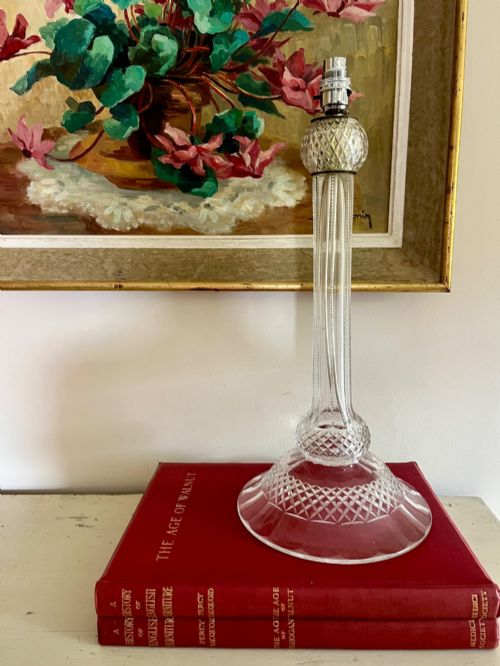
These pieces bring light through faceted glass and cut crystal, offering an Edwardian cut crystal lamp that casts sharp refraction across a room.
Edwardian Cut Crystal Lamp
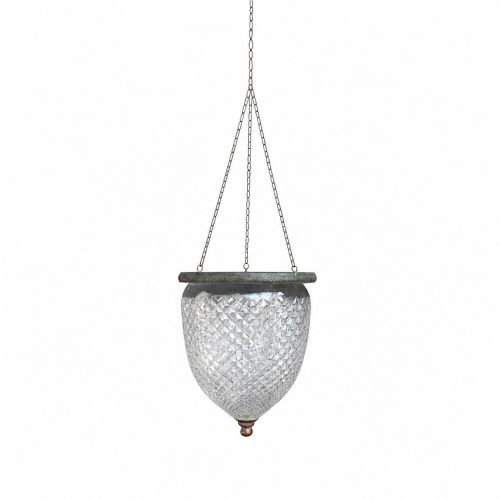
An edwardian cut crystal lamp takes several forms across this selection, appearing most frequently as a solid table lamp or a hanging ceiling light from the early twentieth century. The inventory spans standard table lamps alongside chandeliers, wall lights, and small pendants.
The periods represented stretch from late Victorian examples through Edwardian pieces and into the nineteen thirties, encompassing styles such as Art Deco and French Empire. English and French workshops produced these lighting fixtures to illuminate period interiors with heavy glass bodies.
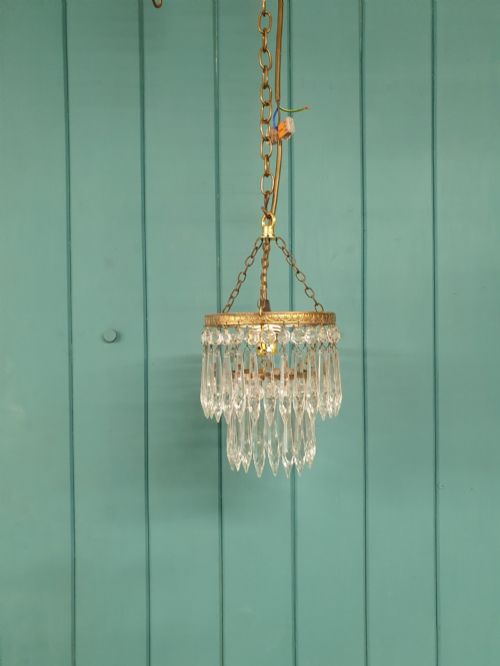
Table lamps dominate the specific requests for this phrase, often paired with brass or silver plated mounts. Alongside them, plafonniers and tent and bag chandeliers provide alternative ways to bring cut glass illumination into domestic spaces.
Distinctions in craftsmanship
Quality rests in the crispness of the glass cutting and the weight of the metal mounts. Deeper, sharper facets produce brighter refraction, whereas softer or smoother edges diffuse light rather than splitting it cleanly.
The substance of the supporting frame separates standard production from finer output. Solid cast brass, bronze, or substantial silver plate provides structural integrity that thin pressed metal alternatives lack.
Materials appearing across these listings range from lead crystal and cut glass to brass, bronze, and silver plate.
F. and C. Osler
The Edwardian Cut Crystal Lamp Glossary
- Plafonnier
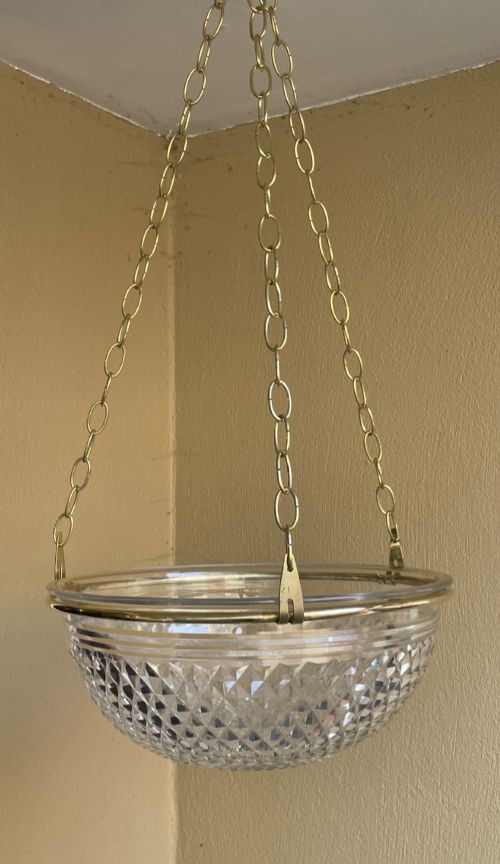
- A shallow bowl-shaped ceiling light mounted close to the fixture base. These glass shades direct illumination downward into a room.
- Tent and bag chandelier
- A hanging light featuring a conical upper tent of strung glass beads dropping down to a gathered bag of prisms below. This construction maximises sparkle from a single central light source.
- Corinthian column
- A classical architectural column form often utilised for table lamp standards. The capital displays carved acanthus leaves beneath the lamp fitting.
- Prism
- A cut glass pendant hung from a chandelier or wall light to refract light. They swing freely on small brass pins.
- Silver plate
- A thin layer of silver fused to a base metal such as copper or brass. It provides the appearance of solid silver on lamp mounts and galleries.
Edwardian Cut Crystal Lamp: Frequently Asked Questions
How do I rewire an edwardian cut crystal lamp?
Rewiring requires threading modern flexible cable through the central metal tube or glass channel of the lamp body. An earth wire must connect to any metal components for safety.
Working with antique fittings often involves removing aged brass holders and securing modern brass or ceramic lamp holders. Preserving the original gallery ensures the shade sits correctly upon completion.
Were these lamps originally electric?
Many surviving pieces from the early twentieth century were wired for electricity during the Edwardian period as domestic power grids expanded. Earlier examples started as oil or paraffin lamps before conversion.
Table lamps and ceiling fixtures from this era frequently display adaptations made to accept standard bulb holders. Examining the internal wiring channel reveals whether the electrification is original to the piece.
How do I clean cut crystal safely?
Cleaning requires warm water and mild washing liquid applied with a soft cloth while the lamp is completely unplugged. Harsh chemicals damage both the glass surface and the surrounding metal plating.
Prisms and drops benefit from individual washing and drying before reattachment to the frame. Removing hanging elements prevents accidental breakage during the cleaning process.
How can I tell an Edwardian lamp from a Victorian one?
Edwardian lighting tends to feature lighter neoclassical proportions and crisper glass cutting compared to heavier Victorian designs. Styles from the nineteen hundreds often incorporate brighter brass finishes and simpler geometric mounts.
Victorian pieces lean toward heavier bronze or dark metal pairings with dense glass bodies. Examining the patent marks, screw threads, and mounting techniques helps confirm the manufacturing era.