

Brass and Crystal Lamps
Brass and crystal lamps bring together shining metal and light-catching glass, offering a decorative glow rooted in historical styles.
Brass and Crystal Lamps
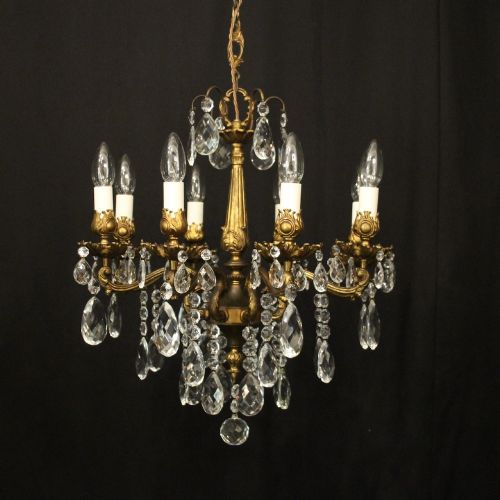
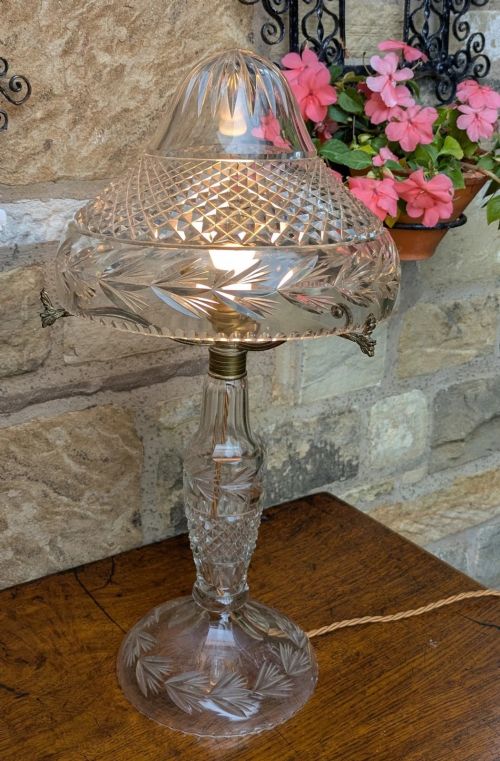
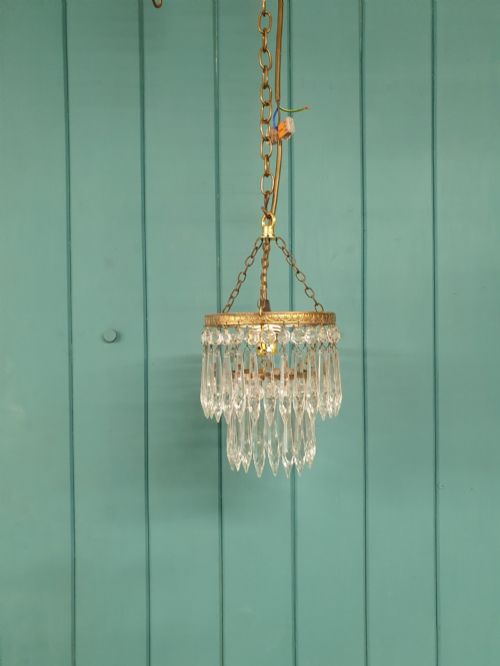
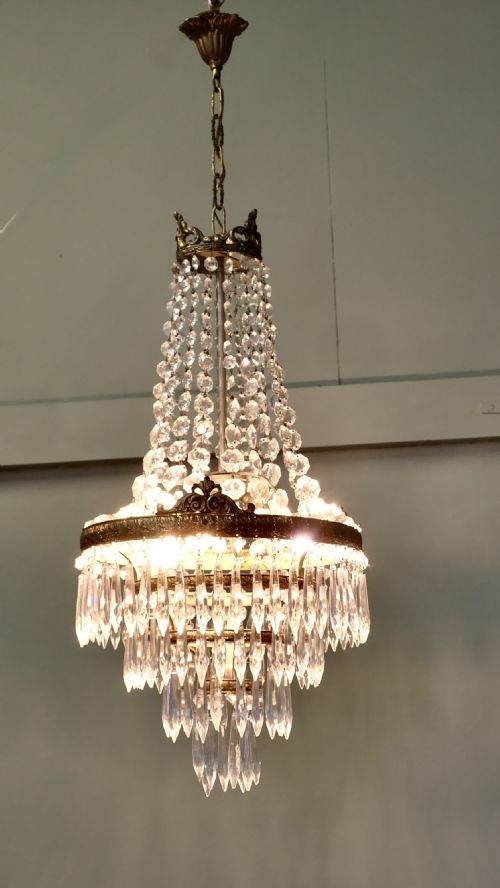
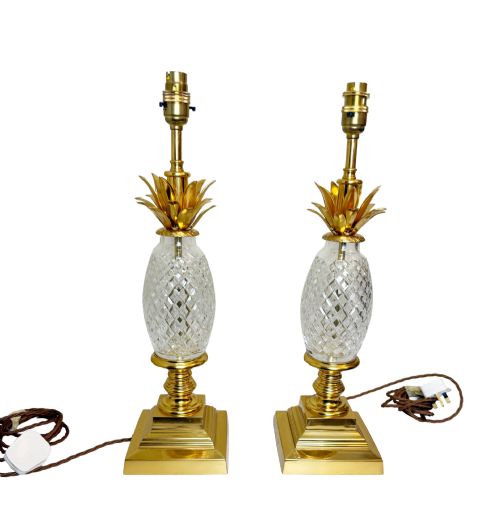
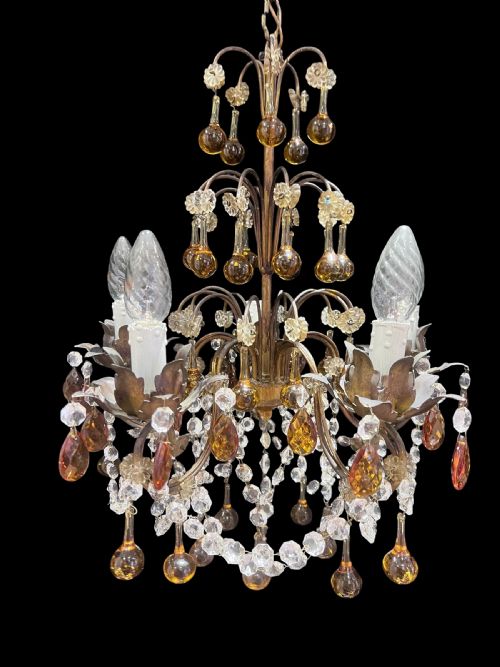
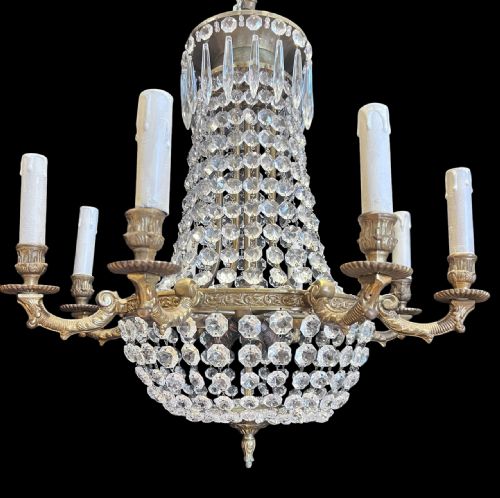
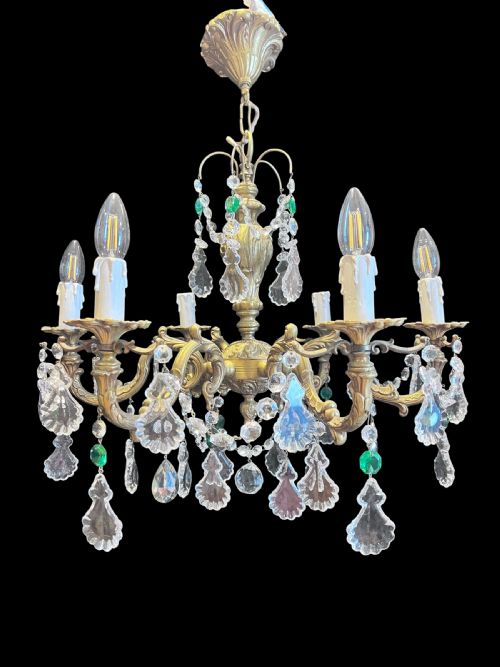
Brass and crystal lamps encompass a range of lighting forms, from grand chandeliers to smaller table lamps and wall lights. When searching this phrase, buyers frequently encounter French Empire style chandeliers and early twentieth-century designs featuring cut glass drops.
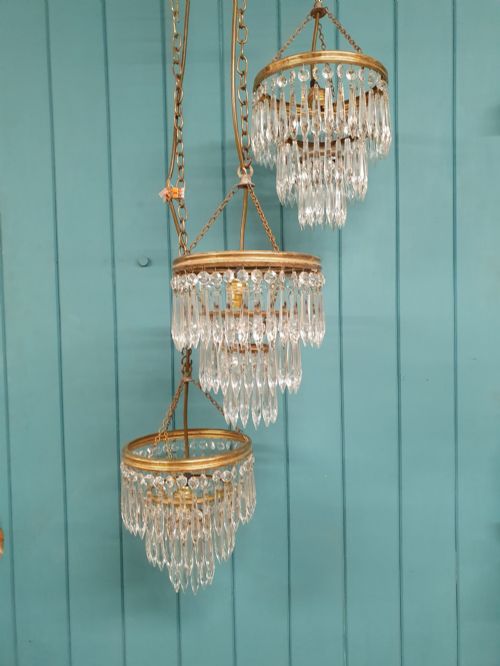
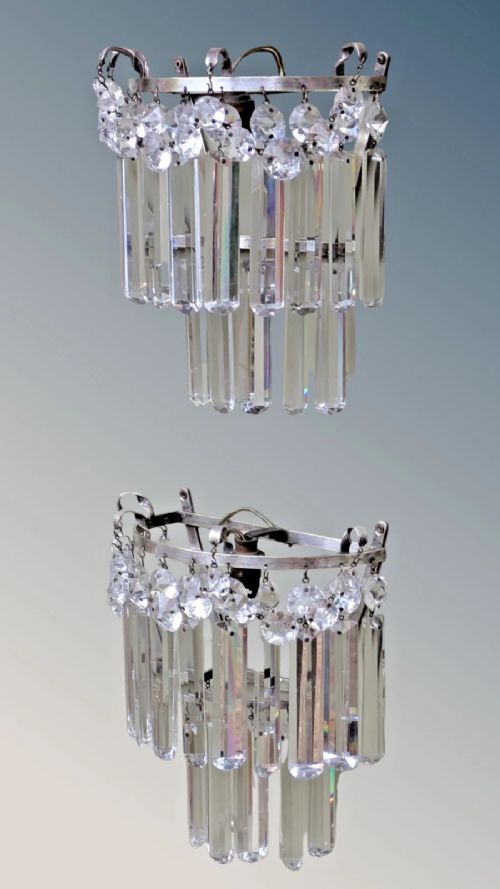
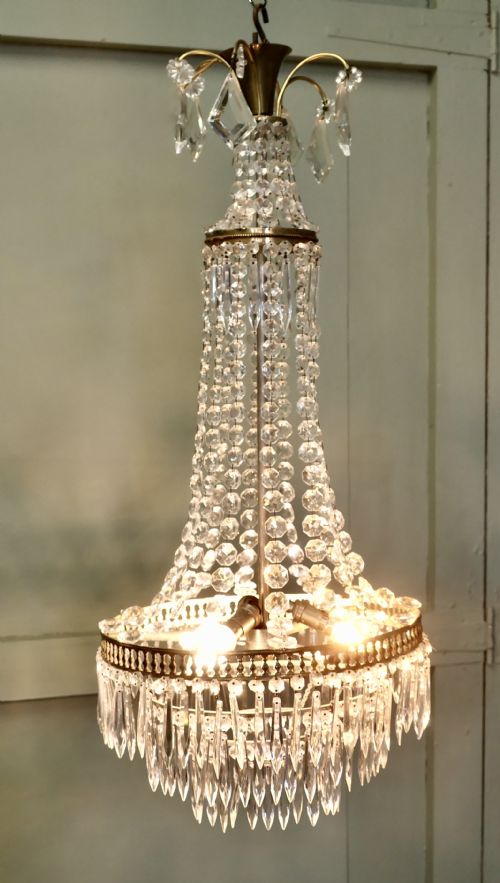
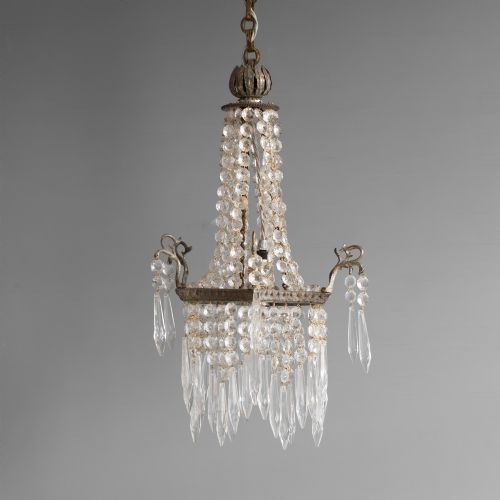
The selection includes pieces spanning the Victorian and Edwardian periods up to the Art Deco era. Common formats feature chandeliers with tent and waterfall arrangements alongside pairs of matching wall lights and candelabra.
Origins vary across French workshops and English makers, utilising brass frames paired with crystal, glass, and gilt bronze mounts. These light fittings serve both practical illumination and decorative roles in period interiors.
Materials and construction
Makers constructed frames from brass, gilt brass, and gilt bronze to provide a sturdy metallic structure. These metal elements were cast, chased, and gilded to create ornamental mounts and arms.
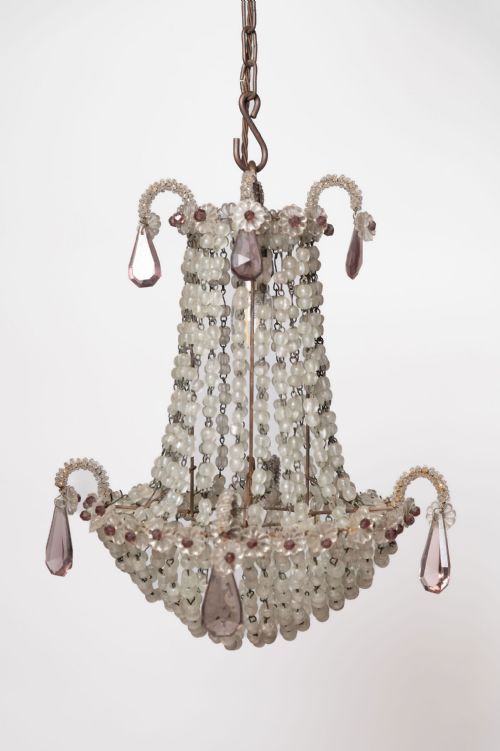
Cut crystal, cut glass, and crystal glass elements were shaped into drops, beads, and prisms. Workers suspended these glass components from the metal frames using wire loops and pins to catch and refract light.
Listings feature brass, gilt bronze, and cut crystal across Victorian, Edwardian, and Art Deco periods.
Assessing quality
The fineness of the metalwork distinguishes higher grade pieces, particularly in the crispness of casting and chasing on gilt bronze and brass mounts. Heavier gauge frames and secure construction indicate careful workshop production.
Crystal quality depends on the clarity and depth of cutting in the drops and prisms. Pieces featuring hand-cut facets and uniform glass colour display a higher standard of craftsmanship than simpler moulded alternatives.
F. & C. Osler
The Brass and Crystal Lamps Glossary
- Plafonnier
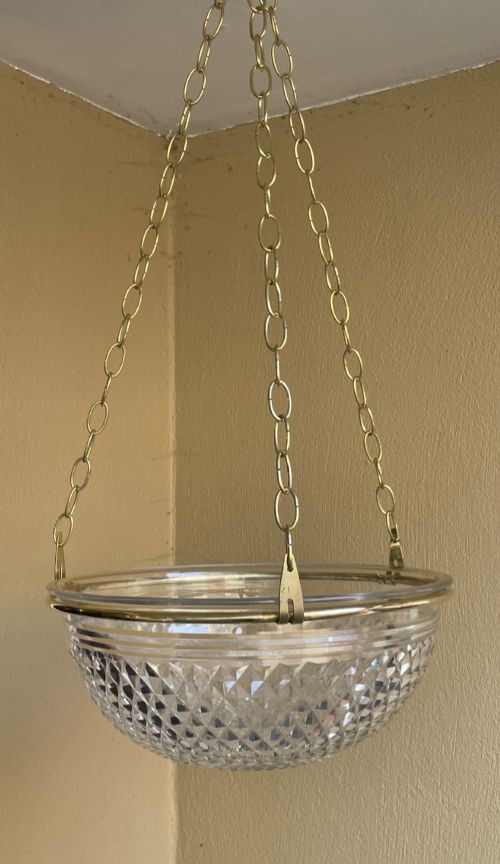
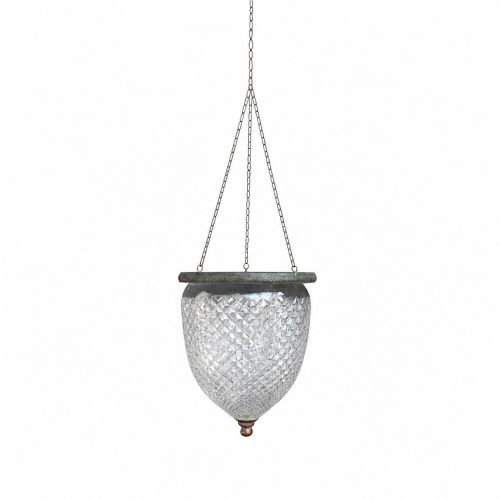
- A ceiling light fitting that sits flush or close to the ceiling surface. These often feature decorative cut glass bowls held by brass mounts.
- Girandole
- An ornamental branched light fitting, such as a candelabra or wall light, designed with mirrors or reflective crystal elements. The term frequently applies to decorative table lamps with crystal drops.
- Gilt bronze
- Bronze metal that has been coated with a thin layer of gold. It provides a rich metallic finish for period chandelier mounts and wall lights.
- Prism
- A geometric cut glass or crystal pendant designed to refract light. Prisms hang from chandelier frames and wall lights to increase brilliance.
- Tent and waterfall
- A classic chandelier configuration where strings of crystal beads form an upper tent shape above a cascading waterfall of drops. This style dominates early twentieth-century French lighting designs.
Brass and Crystal Lamps: Frequently Asked Questions
What styles are common in brass and crystal lamps?
Pieces frequently appear in French Empire, French Rococo, and Edwardian styles. These designs incorporate classical motifs and ornate metal mounts.
Art Deco variations also emerge alongside Victorian and early twentieth-century iterations, showing a broad stylistic range.
Where were these lamps originally made?
Many pieces originate from French workshops, particularly in styles like French Empire and Rococo. English makers also produced comparable designs.
Italian workshops contributed pieces featuring coloured crystals and multi-light configurations.
How do I live with antique brass and crystal fittings?
These lamps function effectively as central ceiling fixtures, wall sconces, or table lamps in domestic settings. Their reflective glass elements enhance room brightness.
Careful cleaning of the crystal drops preserves their light-refracting qualities over time.