



Cream Pleated Lamp Shade
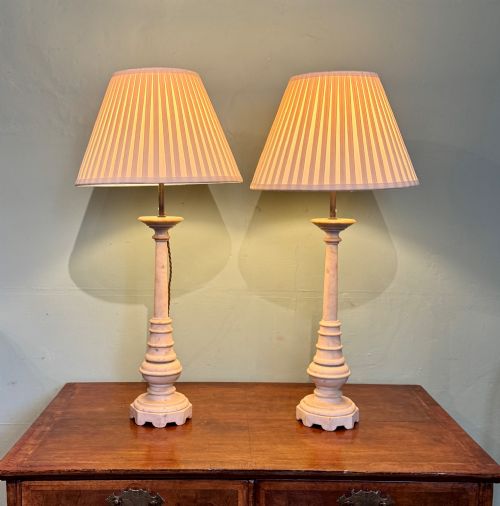
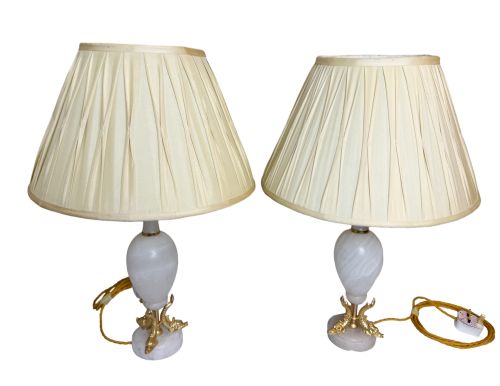
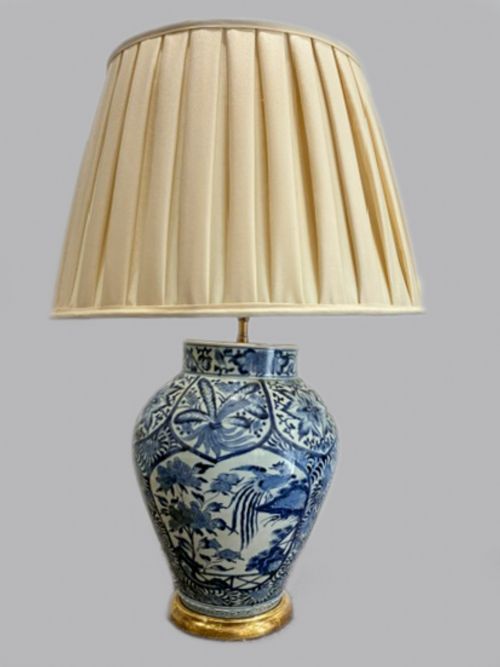
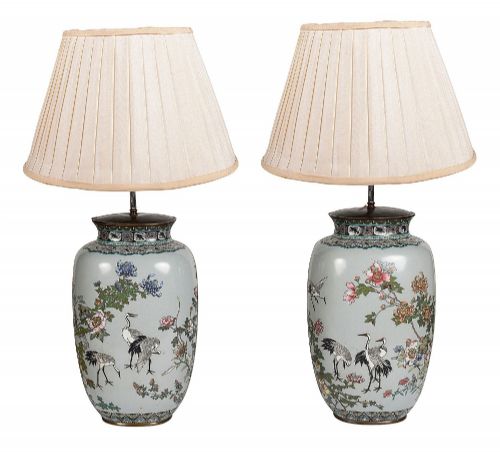
A cream pleated lamp shade tops diverse antique lighting, offering warm, diffused illumination through pleated fabric.
What these pieces are
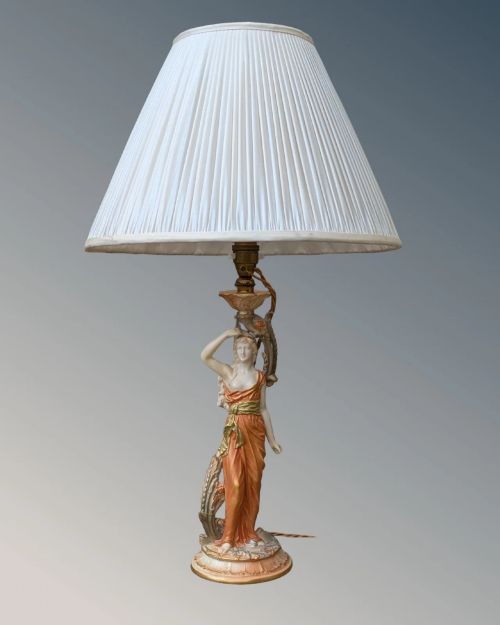
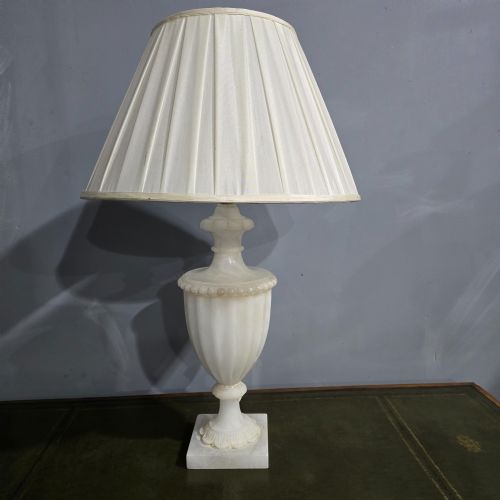
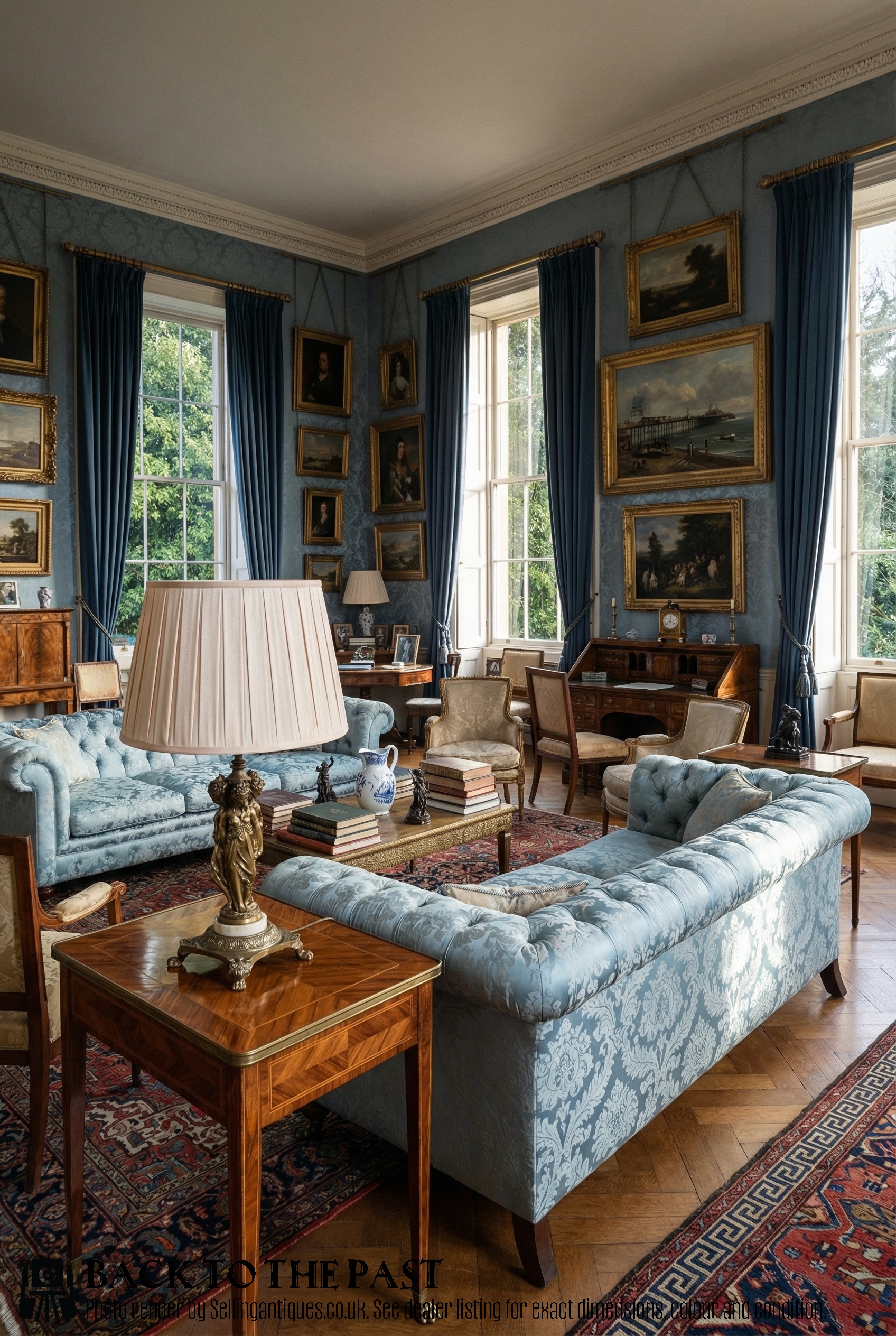
A cream pleated lamp shade belongs atop table lamps gathered from the nineteenth century, nineteen ten, and nineteen twenty. These pieces include French Neoclassical, Louis XVI, Chinoiserie, Victorian Novelty, and Chinese Qing Dynasty styles.
Forms span table lamps mounted with ormolu, gilt bronze, and brass, alongside porcelain, onyx, glass, and spelter bodies. The selection ranges from Royal Worcester porcelain to German porcelain owl figures by Ernst Bohne and Sohn.
Makers and origins cross France, Germany, and China, incorporating eighteenth century styles and French candlestick models after Jean-Démosthène Dugourc. Buyers meet these varied lighting fixtures on this page.
How they were made
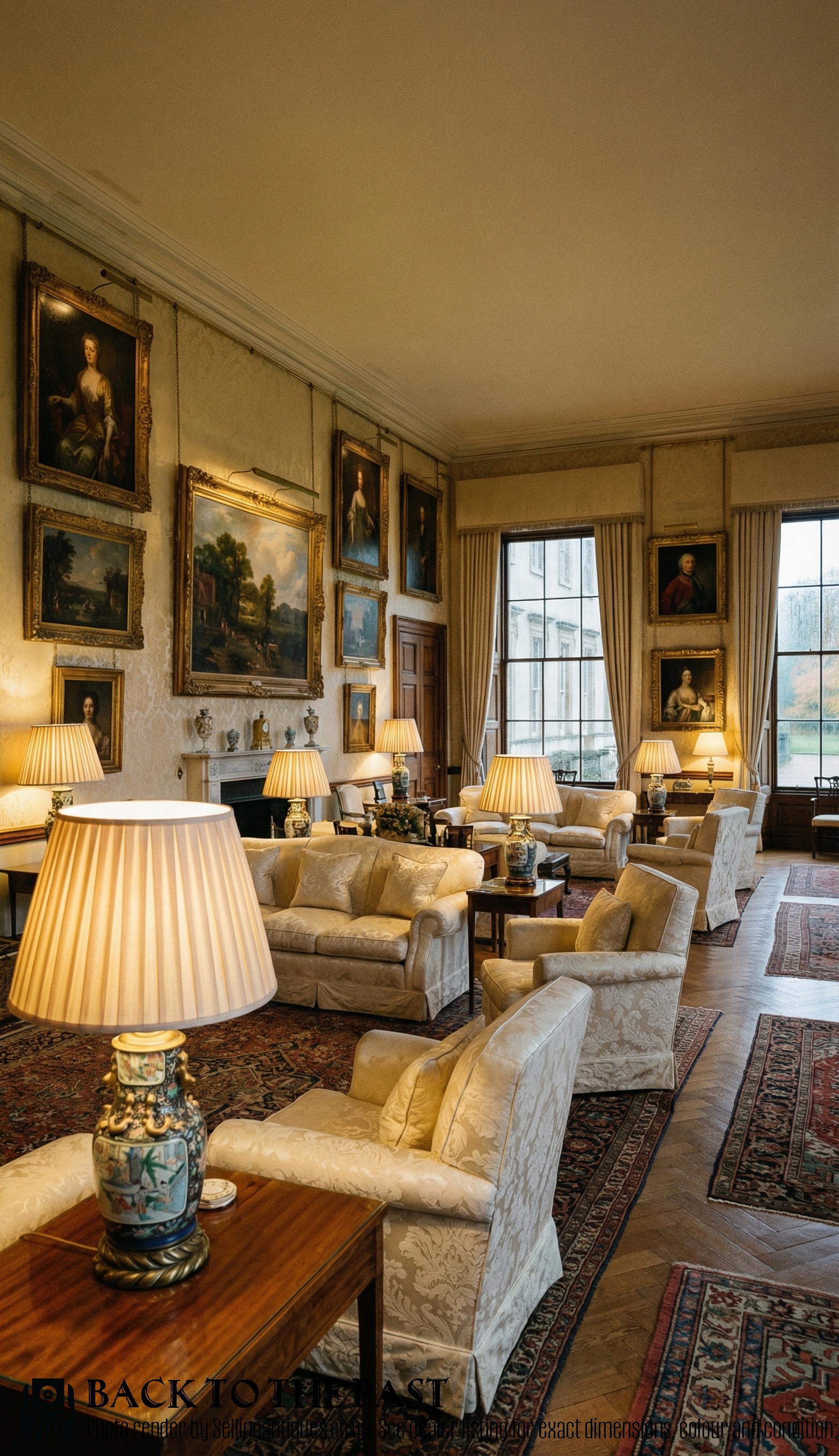
Makers constructed these table lamps from porcelain, silk fabric, onyx, brass, gilt bronze, ormolu, glass, and spelter. Artisans combined these materials with pleated fabric shades to diffuse light.
Workshops utilised cast metals, hand-painted porcelain figures, and turned onyx columns mounted with gilt bronze trim. French and German studios applied neoclassical and chintz-inspired designs to these lighting forms.
Retail Price Guide 2026
Typical UK retail prices for cream pleated lamp shade, calculated from the Sellingantiques database of over a million retail prices indexed since 2003. This retail price guide relies exclusively on Sellingantiques data; no external sources or auction records are used, so the figures do not describe the wider market.
German porcelain owls gaze out from nineteenth-century studies, proving that wise old birds make remarkably steadfast reading companions.
What varies in quality
Execution separates standard utility pieces from exceptional works, visible in the crispness of ormolu mounts and the fine detail of porcelain modelling by makers like Ernst Bohne and Sohn. Superior pieces display harmonious proportions between the heavy base materials and the pleated shades.
The refinement of materials dictates the standing of each lamp, distinguishing cast spelter from chased gilt bronze or royal porcelain. Authenticity of period mounts and original fabric applications further define the upper tier.
The Cream Pleated Lamp Shade Glossary
- Ormolu
- Gilt bronze ornamentation applied to furniture and lighting mounts. This technique involves gilding a mercury-bronze amalgam to create a rich golden surface.
- Spelter
- A zinc alloy used as a cheaper substitute for bronze in decorative figures and lamp bases. It often received a bronze-like finish to mimic costlier metals.
- Neoclassical
- A style drawing inspiration from the classical art and culture of ancient Greece and Rome. It emphasises symmetry, restraint, and classical motifs.
Frequently Asked Questions
What periods do these lamps come from?
These lamps originate from the nineteenth century, nineteen ten, and nineteen twenty. They incorporate styles spanning French Neoclassical, Louis XVI, and Chinese Qing Dynasty aesthetics.
Makers across Europe and China produced these varied lighting forms using traditional materials of the era.
How do I clean a fabric shade?
Dust pleated fabric shades gently with a soft brush or a low-suction vacuum attachment. Avoid harsh liquids unless the specific textile composition is fully known.
Careful handling preserves the crisp pleats and delicate fabric integrity over time.
Where were these table lamps made?
The lighting fixtures stem from French, German, and Chinese workshops. European makers frequently drew upon classical French models and Asian export ceramics.
This cross-cultural influence created diverse table lamps featuring ormolu, porcelain, and onyx.
What materials make up the bases?
Bases consist of porcelain, onyx, brass, gilt bronze, ormolu, glass, and spelter. Silk fabric forms the accompanying pleated shades atop these structures.
Each material reflects the manufacturing techniques of its respective nineteenth or early twentieth-century period.