

Vintage Reading Lamp
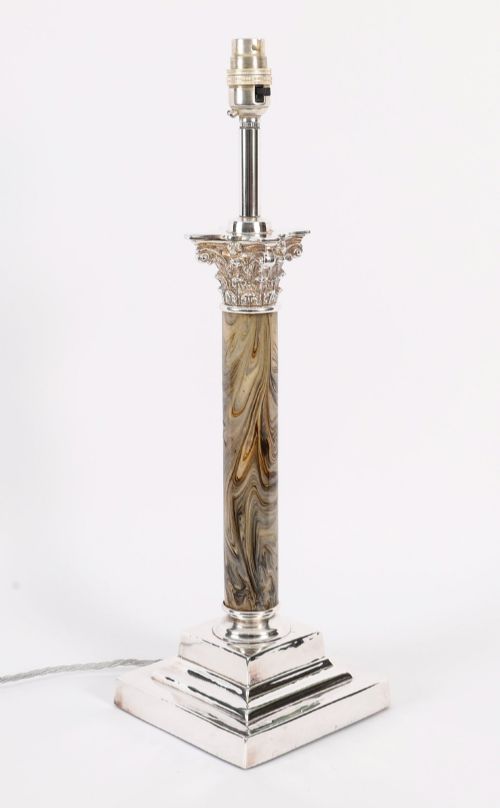
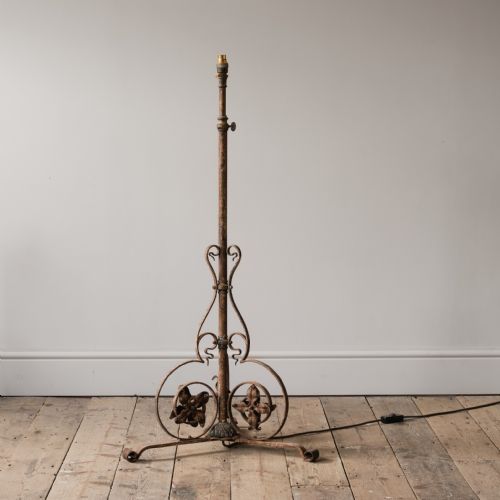
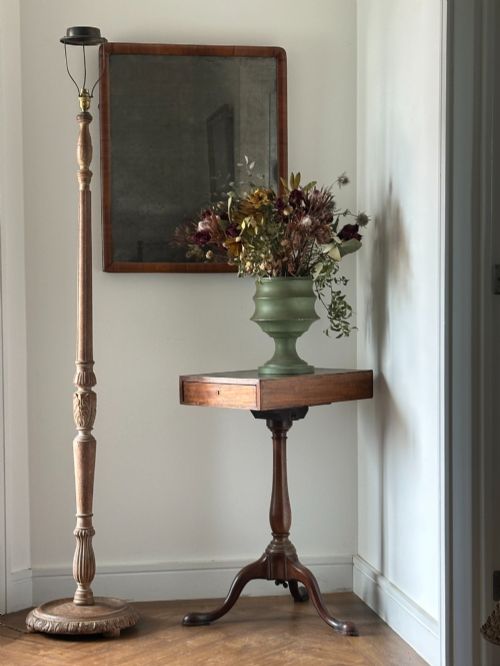
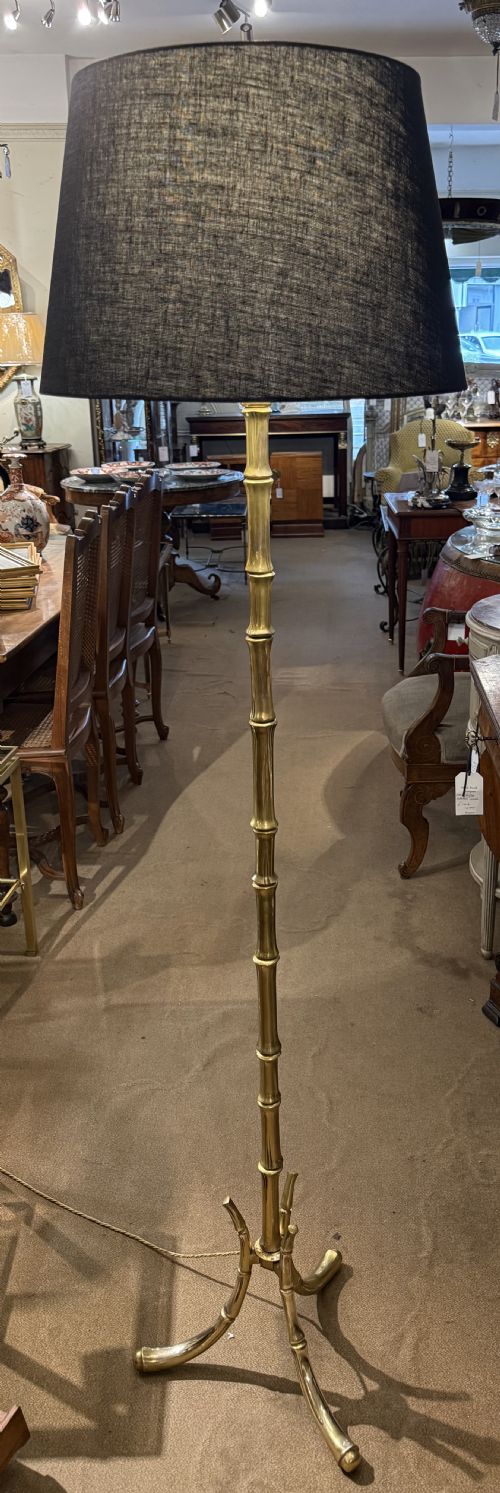
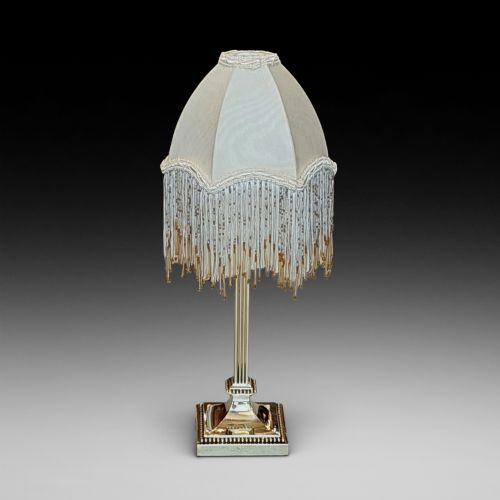
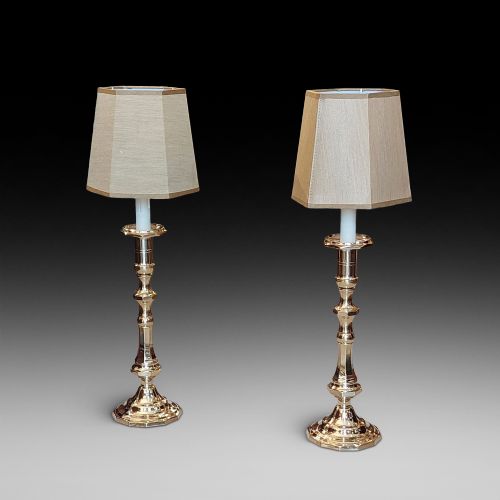
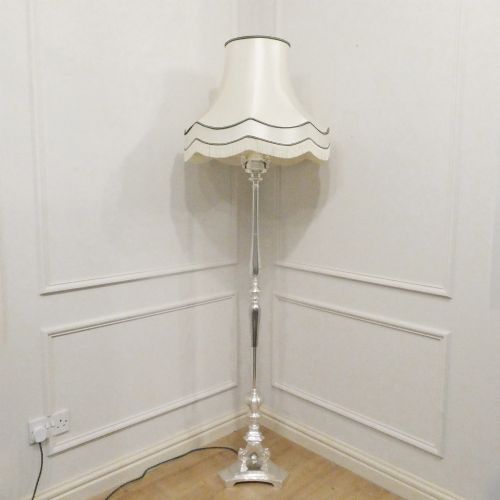
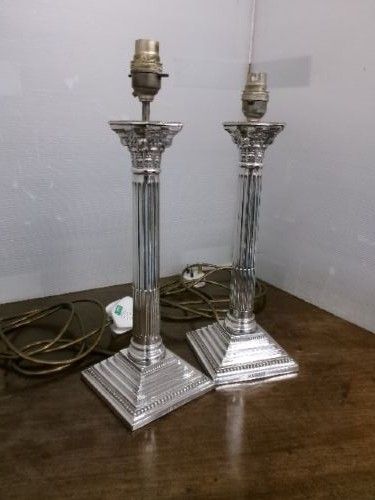
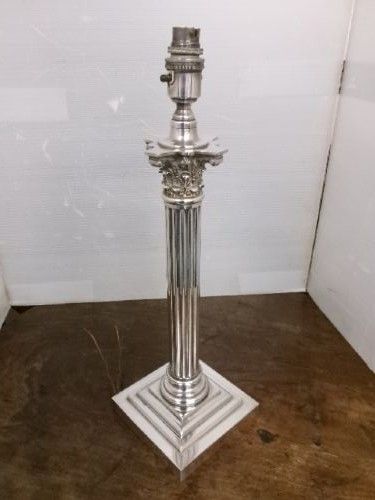
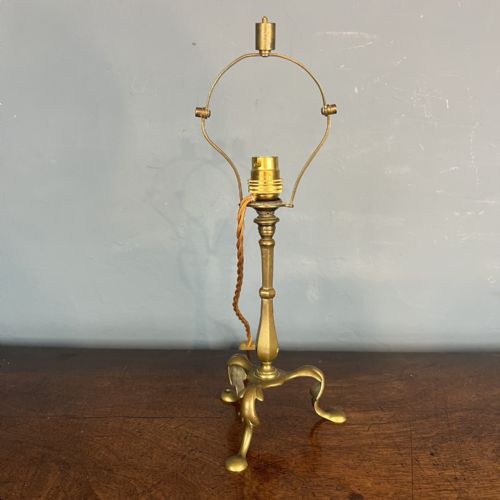
These vintage reading lamp examples bring genuine period character to a desk, pairing practical illumination with distinctive twentieth-century design.
What They Are
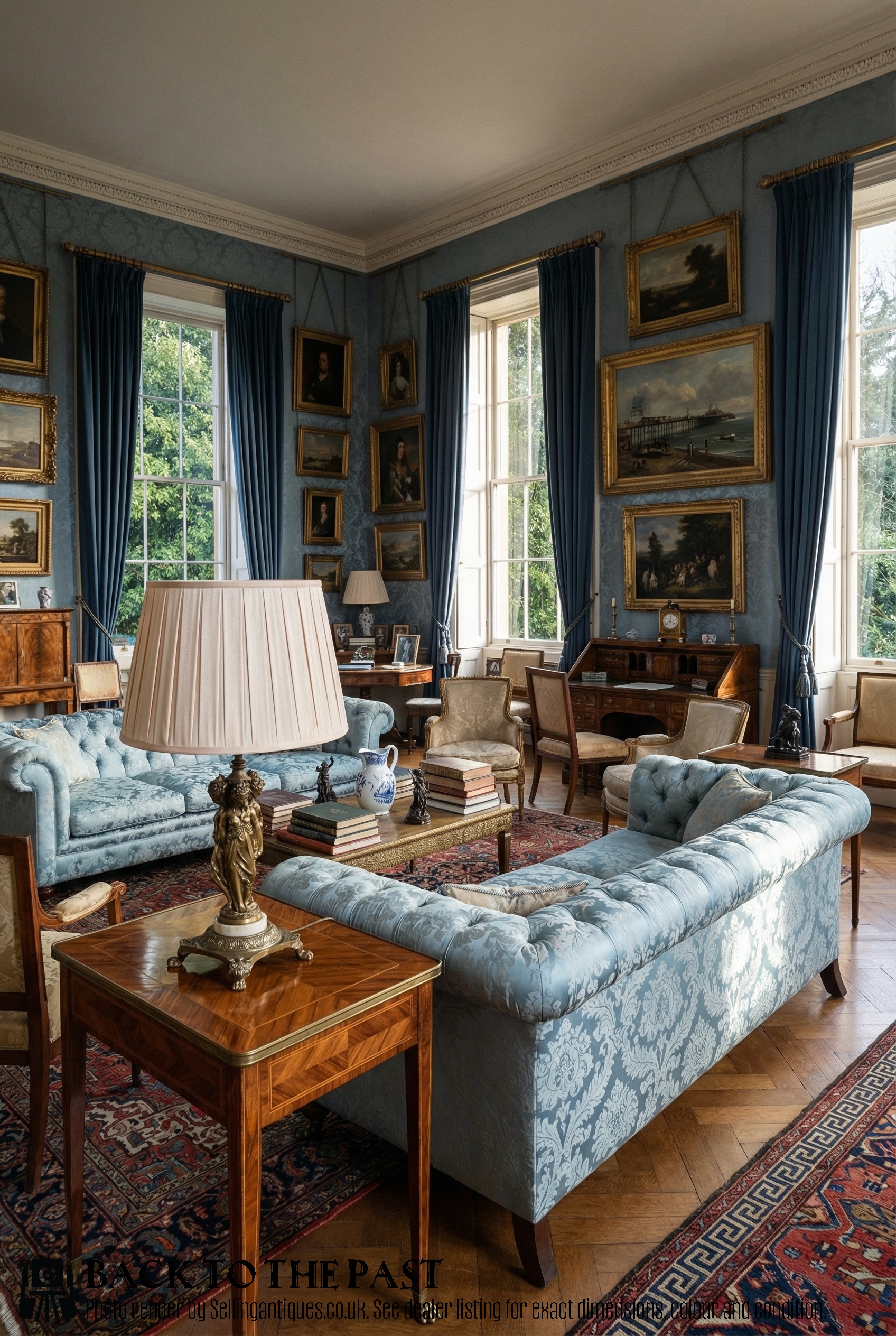
A vintage reading lamp serves as a functional task light while carrying the distinct aesthetic of its original period. These pieces primarily take the form of table lamps and desk lamps designed for focused workspace illumination.
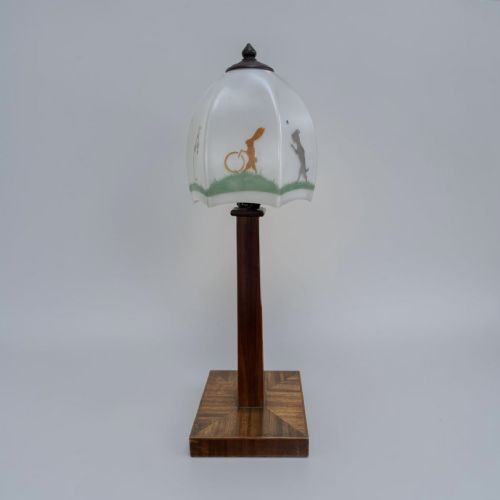
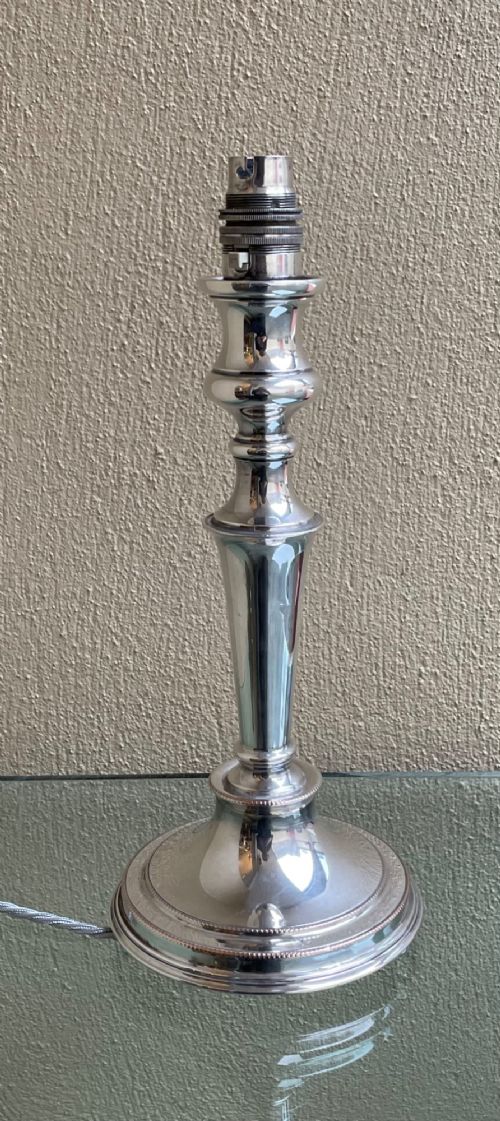
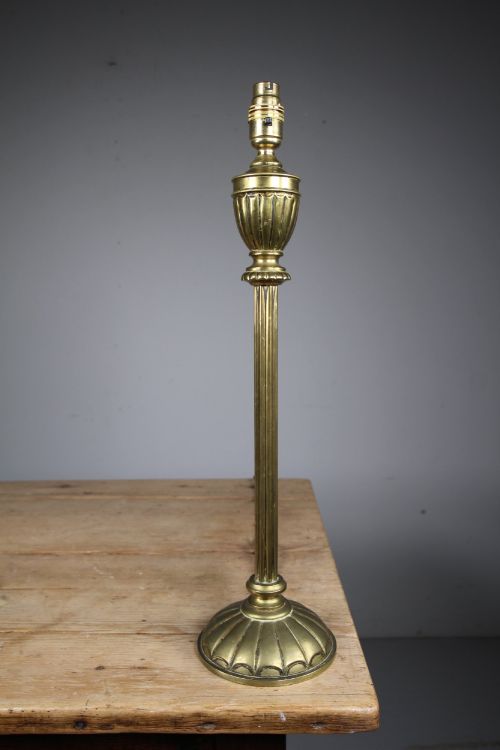
The selections on this page span from the Edwardian era through the nineteen-twenties, nineteen-thirty and nineteen-forty decades. Buyers encounter table and desk configurations representing styles such as Art Deco, Neoclassical and Edwardian.
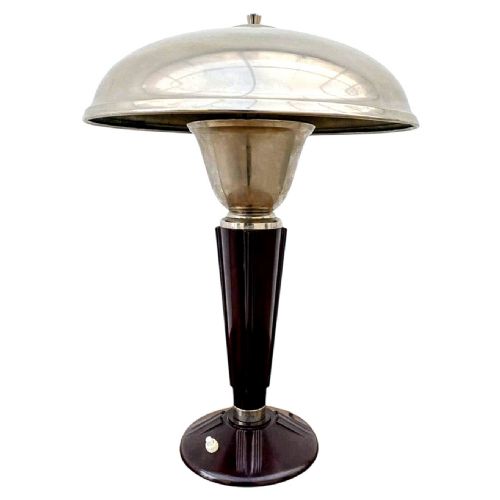
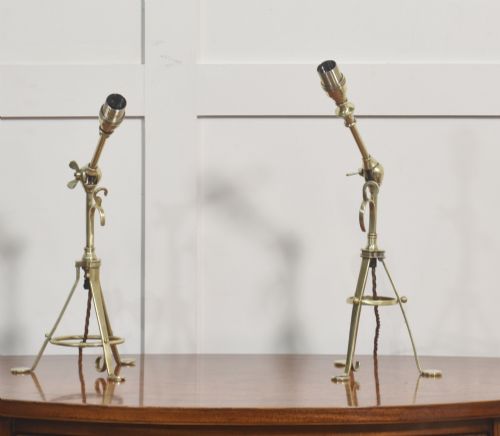
Common manifestations include adjustable brass fittings, figural spelter bodies and notable Art Deco desk lamps featuring bakelite components. Each configuration reflects the specific lighting needs and manufacturing capabilities of its decade.
How They Were Made
Makers utilised a diverse palette of materials including brass, steel, cast iron, nickel, polished white metal and early plastics like bakelite. Components often paired metal frames with glass, porcelain or parchment leather elements.
Construction techniques balanced structural stability with mechanical adjustment, employing heavy cast bases to support articulated arms or shell shades. Metal surfaces were polished, plated or cast into figural shapes to achieve the desired finish.
Retail Price Guide 2026
Typical UK retail prices for vintage reading lamp, calculated from the Sellingantiques database of over a million retail prices indexed since 2003. This retail price guide relies exclusively on Sellingantiques data; no external sources or auction records are used, so the figures do not describe the wider market.
Some models feature parchment leather, proving that vintage desk lighting once took notes from high-end bookbinding.
What Varies in Quality
Quality rests in the integrity of the materials and the precision of the mechanical adjustments. Superior examples display substantial metal casting, clean patination and robust articulation mechanisms that hold their position securely.
Design distinction separates standard utilitarian task lights from iconic pieces associated with known designers or sophisticated modernist movements. The refined use of specialised materials like bakelite or parchment leather elevates a piece above basic production.
Eileen Grey·Jumo
The Vintage Reading Lamp Glossary
- Bakelite
- An early thermosetting plastic prized in twentieth-century design for its durability and rich dark lustre. It appears frequently on electrical fittings and lamp bodies from the Art Deco period.
- Spelter
- A zinc alloy used as a cost-effective base metal for casting figural sculptures and decorative objects. It often received a bronze or metallic coating to mimic more expensive materials.
- Art Deco
- A design style dominant in the nineteen-twenties and nineteen-thirties characterised by streamlined geometric forms and sleek modern materials. Lamps from this movement often emphasise functional geometry.
- Edwardian
- The architectural and decorative style spanning the reign of King Edward VII, bridging ornate Victorian tastes and simpler twentieth-century forms. Edwardian desk lamps typically combine polished brass with utilitarian porcelain components.
Frequently Asked Questions
What periods do these lamps come from?
The available selection spans the Edwardian era, the nineteen-twenties, nineteen-thirty and nineteen-forty decades. These periods cover distinct shifts from traditional brass and porcelain to early modernist plastics.
Each era brought its own mechanical innovations and stylistic preferences to the domestic desk.
How were these lamps originally used?
These lamps provided direct task lighting for reading, writing and administrative work at desks or tables. Adjustable joints allowed users to direct the beam precisely where needed.
Their sturdy cast bases ensured they remained stable during daily office or library use.
What materials are most common?
Metal forms the primary structure across most pieces, utilising brass, steel, cast iron, nickel and polished white metal. Early plastics like bakelite and decorative elements such as parchment leather also appear.
Shades incorporate metal shells, glass or porcelain to manage the light output.
How do I identify an Art Deco desk lamp?
Art Deco pieces typically feature streamlined geometric silhouettes, polished metal surfaces and modern synthetic materials like bakelite. They often display a deliberate rejection of fussy ornamentation in favour of sleek functionality.
Forms range from architectural multi-jointed desk units to distinctive shell shade designs.