
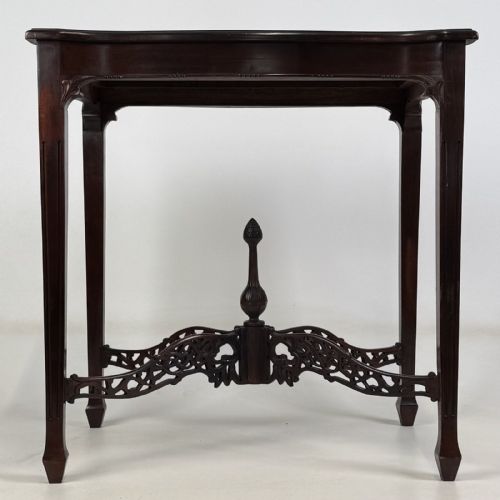
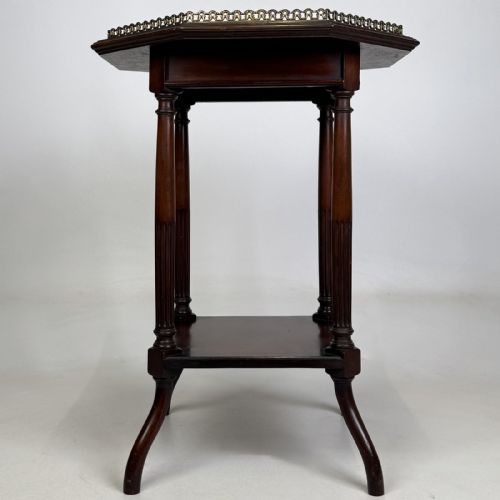
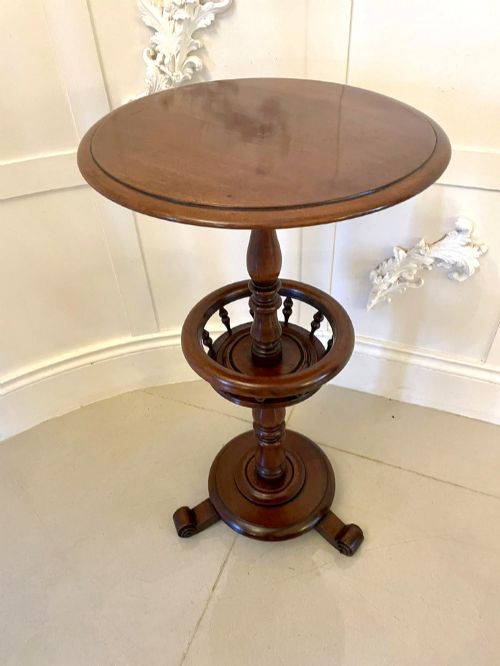
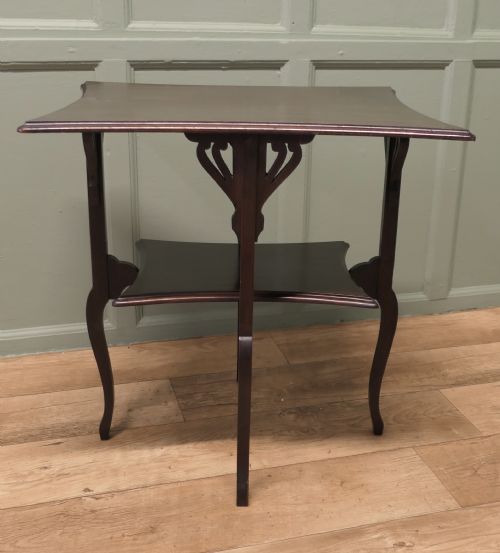
Antique Accent Lamp
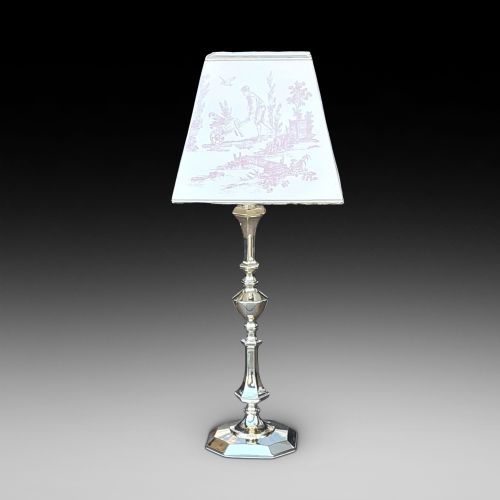
These antique accent lamp tables and lighting fixtures bring concentrated pools of warm illumination and compact surface utility into residential interiors.
Antique Accent Lamp
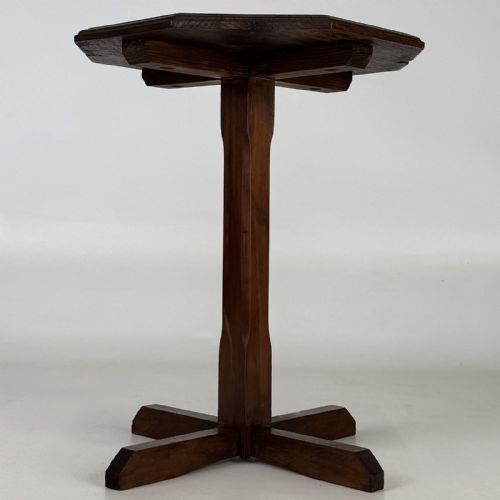
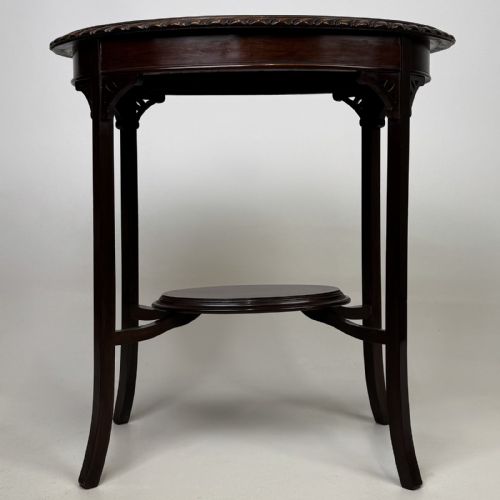
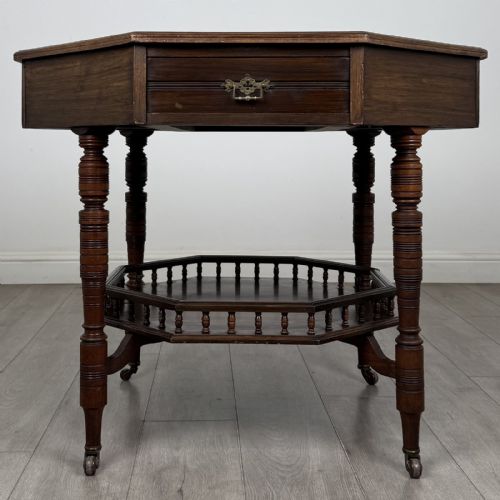
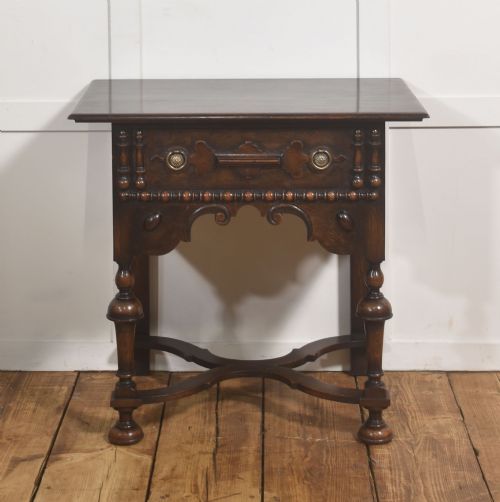
An antique accent lamp designation covers small-scale occasional tables designed to support illumination alongside dedicated table lamps and hanging light fixtures. Buyers exploring this selection encounter diverse domestic forms spanning the eighteenth, nineteenth and early twentieth centuries.
The material record highlights timber furniture such as mahogany, oak and walnut alongside brass light fittings, marble tops and fabric shades. Pieces frequently originate from Victorian, Edwardian, Georgian and Arts and Crafts periods, reflecting changing domestic habits across generations.
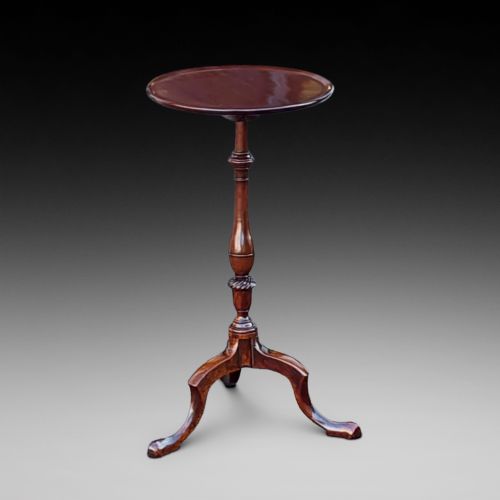
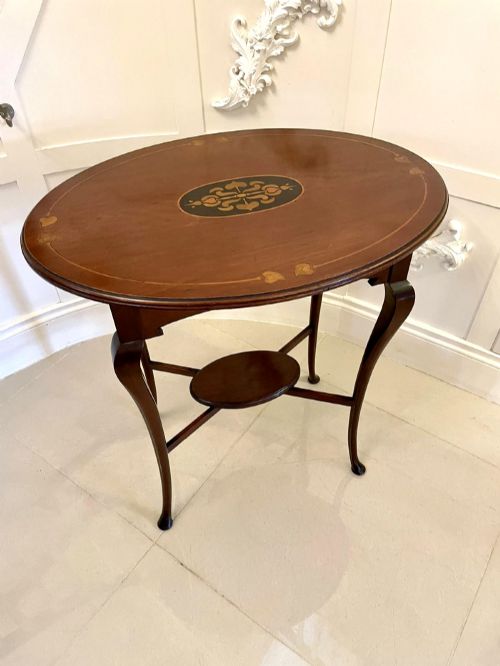
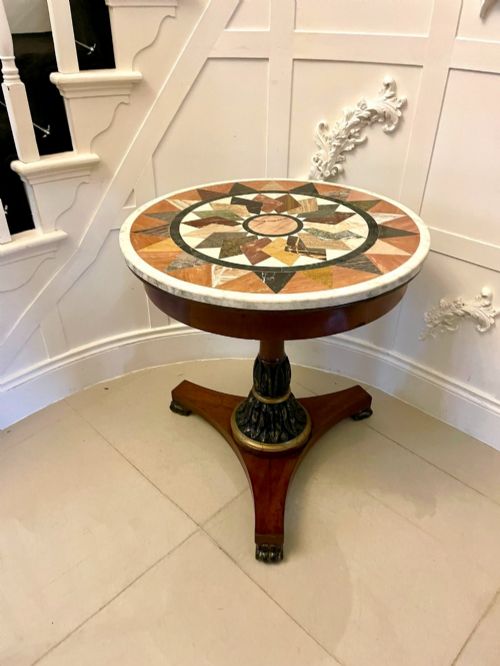
Occasional tables, wine tables, side tables and specialised lamp tables dominate the physical forms available. These compact pieces serve designated resting spots for lighting in reception rooms, libraries and hallways.
Materials and construction methods
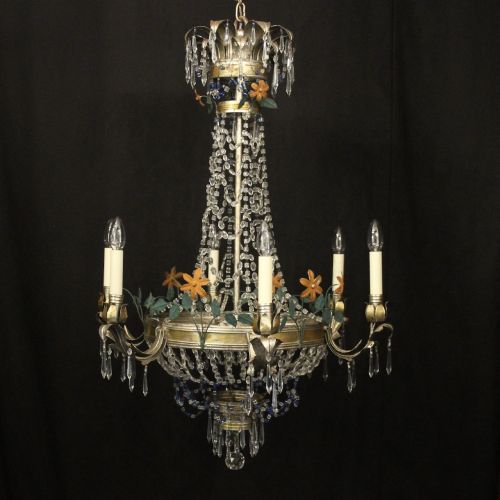
Cabinetmakers utilised native and imported hardwoods including mahogany, oak, walnut, satinwood and teak to construct stable frames for table surfaces and stands. Brass, gilt bronze and silver-gilded metals formed structural lamp bodies and decorative mounts.
Joinery techniques ranged from traditional drawer construction and turned barley twist legs to intricate marquetry inlay, marquetry veneers and hand-carved ornamentation. Surface finishes incorporated black lacquer, polished timber polish and painted treatments.
Materials span solid mahogany, oak, walnut, satinwood, brass and carved Burmese teak.
Assessing quality in period lighting and small tables
Superior examples demonstrate refined timber selection, such as burr walnut or figured mahogany, paired with crisp hand-carved details or precise inlay work. Lesser examples rely on plain secondary woods and mechanical uniformity rather than individual hand-craftsmanship.
Proportion and structural integrity dictate the distinction at the upper end of the range, where joints remain tight and metal components retain original patination. Pieces carrying documented workshop attributions or distinctive regional carving traditions exhibit heightened material depth.
James Shoolbred·Leonard Wyburd
The Antique Accent Lamp Glossary
- Lamp table
- A small occasional table specifically scaled to hold a table lamp beside seating furniture. These pieces prioritize a manageable footprint and stable surface area.
- Occasional table
- A versatile piece of small furniture designed to be moved around a room as needed. Examples include kidney-shaped, circular and oval formats from the Victorian and Edwardian eras.
- Side table
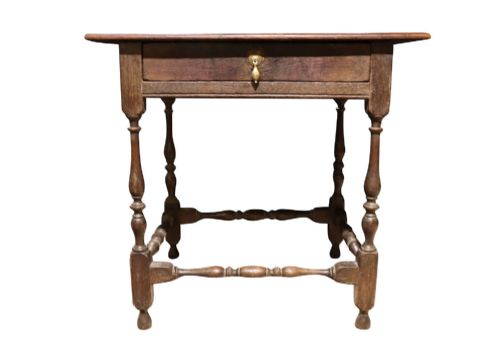
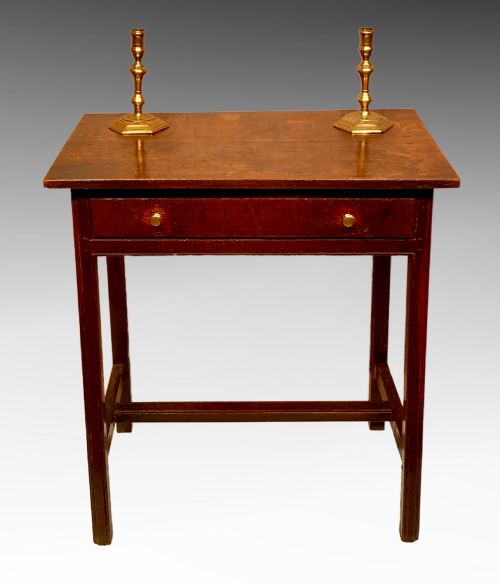
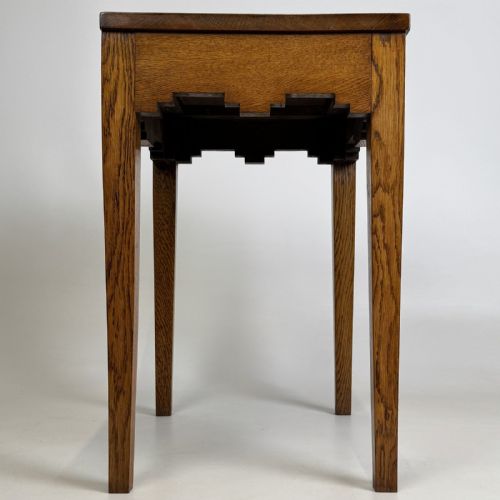
- A small rectangular or square table meant to stand against a wall or beside other furniture. Eighteenth and nineteenth-century versions frequently incorporate single drawers.
- Marquetry
- Decorative veneer work created by fitting together small pieces of tinted wood, shell or ivory to form pictorial designs. This technique appears frequently on nineteenth-century table tops.
- Barley twist
- A turned wooden furniture leg resembling a spiral rope. This decorative turning style is common on Victorian oak and mahogany tables.
Antique Accent Lamp: Frequently Asked Questions
What is an antique accent lamp table?
An antique accent lamp table refers to compact nineteenth or early twentieth-century occasional furniture designed to hold small lighting fixtures.
These pieces provide functional surfaces in sitting rooms and hallways without dominating the floor space.
How do I date an antique table?
Dating relies on examining the timber species, construction methods, joinery marks and stylistic ornament present on the piece.
Comparing turned leg profiles, edge mouldings and hardware against documented period examples clarifies the era of manufacture.
Where should I place a lamp table?
These tables fit easily beside armchairs, sofas or in dark corners that require supplementary task lighting and a decorative surface.
Their compact dimensions allow them to function effectively in hallways and reception rooms of varying proportions.
Are these tables suitable for daily use?
Period occasional tables and lamp stands easily accommodate modern daily requirements when treated with standard wood care.
Using coasters and placing them away from direct heat sources preserves the antique timber surfaces and original polish.