


Silvered Brass Lamp
A silvered brass lamp brings a bright, reflective warmth to a room through its polished metallic surface and classic proportions.
Silvered Brass Lamp
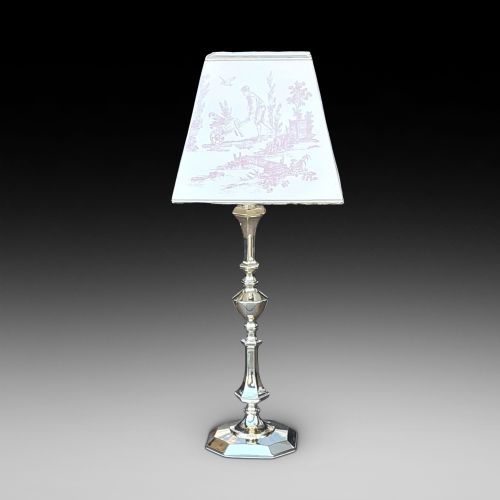
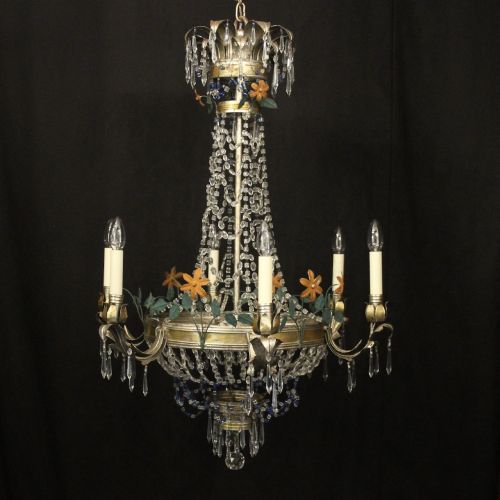
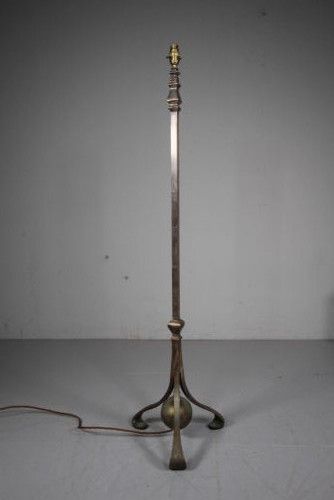
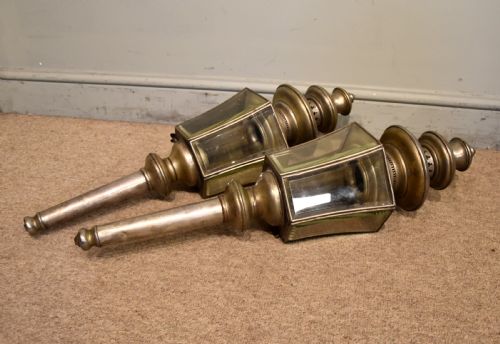
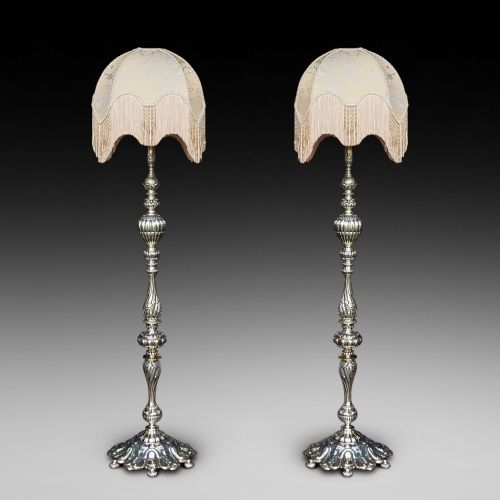
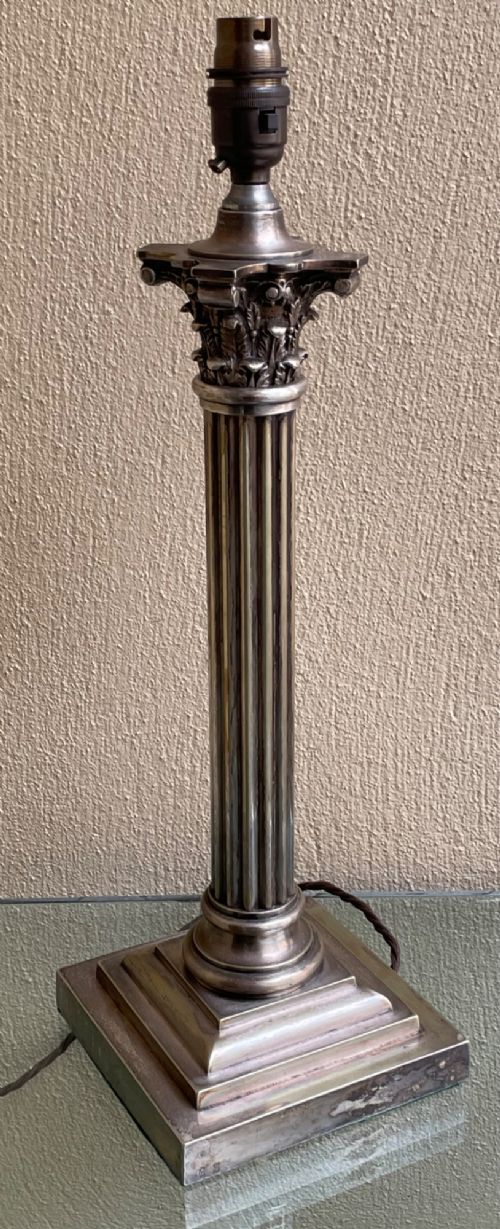
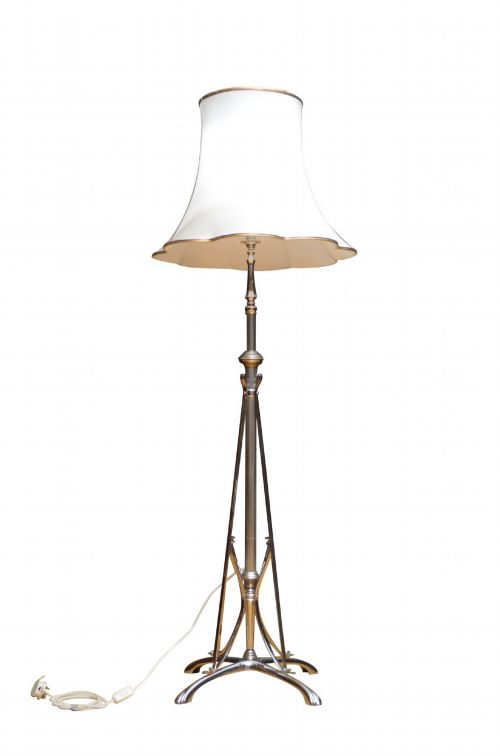
A silvered brass lamp is a lighting fixture designed to provide both functional illumination and decorative presence in a room. These pieces range from towering floor standards to slender table lamps and elaborate multi-branch chandeliers, drawing on periods from the Victorian era through the Art Deco years. When exploring silvered brass lamps, a buyer encounters forms that span from simple Corinthian columns to intricate Art Nouveau creations and maritime ship's gimbal lights.
The materials and styles reflect the shifting domestic tastes of the nineteenth and early twentieth centuries. Many examples incorporate silver plating, nickel, or mercury mirrored glass alongside the underlying brass structure, paired with fabric shades or exposed crystal details. Whether chosen for a desk, a hallway, or a primary living space, these lamps offer a tangible link to past craftsmanship.
How they were made
Makers constructed these lamps using durable base metals like brass, iron, or copper, which were then finished with surface treatments such as silver plating, nickel plating, or silver gilding. This plating provided the bright, reflective sheen characteristic of the pieces while protecting the underlying metal from tarnishing too quickly in domestic use.
Construction involved casting structural elements like columns and heavy bases, alongside fine metalwork for scroll arms and decorative mounts. Glass components, including satin glass peg fonts and mirrored shades, were integrated into the metal frames to diffuse light and enhance the reflective qualities of the fixture.
A travelling reading lamp ensures you can peruse your library even while rolling across the sea in a cabin.
What varies in quality
The distinction between standard utility lighting and superior pieces lies in the crispness of the casting and the depth of the metal plating. Heavy, well-balanced bases and sharply defined architectural details, such as fluted Corinthian columns or intricate metalwork, indicate careful workshop production rather than mass output.
The retention of original surface finishes and specialised mechanical components, such as height-adjustable stems or gimbal mountings, elevates a piece. Lamps that retain integrated elements like matched glass fonts or maker stamps demonstrate higher initial manufacture and better survival over time.
Veritas Lamp Works
The Silvered Brass Lamp Glossary
- Silver Plate
- A thin layer of silver applied to a base metal such as brass or copper. This technique offered the luxurious appearance of solid silver at a more accessible cost for Victorian and Edwardian households.
- Gimbal
- A pivoted ring mounting that allows a lamp or compass to remain level despite the motion of a ship or vehicle. These brass and nickel fittings were essential for maritime utility.
- Corinthian Column
- An architectural column style featuring ornate, leaf-carved capitals at the top. It was a popular motif adapted for the shafts of heavy nineteenth-century table lamps.
- Peg Oil Lamp
- A small oil-burning lamp featuring a protruding lower pin or peg designed to drop directly into the receptacle of a candlestick or decorative stand.
- Mercury Mirrored Glass
- Glass blown with a double wall, into which a silvering solution was introduced through a small hole before being sealed. It creates a highly reflective, silvery interior sheen.
Silvered Brass Lamp: Frequently Asked Questions
What is a silvered brass lamp?
A silvered brass lamp is a lighting fixture made from brass that has been plated with silver or a similar bright metallic finish. These pieces include table lamps, floor standards, and oil lamps dating from the Victorian and Edwardian periods.
They combine the structural durability of brass with the bright, reflective appearance of silver. Many feature classical architectural details or decorative metalwork.
Can these lamps be used with modern bulbs?
Most antique lamps can be safely used with modern lighting once they have been inspected and rewired by a qualified professional. Many surviving examples have already been adapted for contemporary electrical standards.
It is important to ensure that the internal wiring and bulb holders match current safety requirements while preserving the external antique components. Using lower-wattage LED bulbs helps protect delicate vintage glass and fabric shades from excess heat.
Where were these lamps placed originally?
Depending on their form, these lamps served different functions throughout the home. Floor standards and large chandeliers illuminated principal living rooms, while smaller table lamps and bankers desk lamps provided task lighting for studies.
Specialised pieces like ship's gimbal lights and travelling reading lamps were designed for maritime cabins and portable use. Their sturdy metal construction allowed them to withstand active environments.